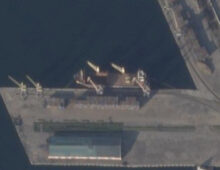
  
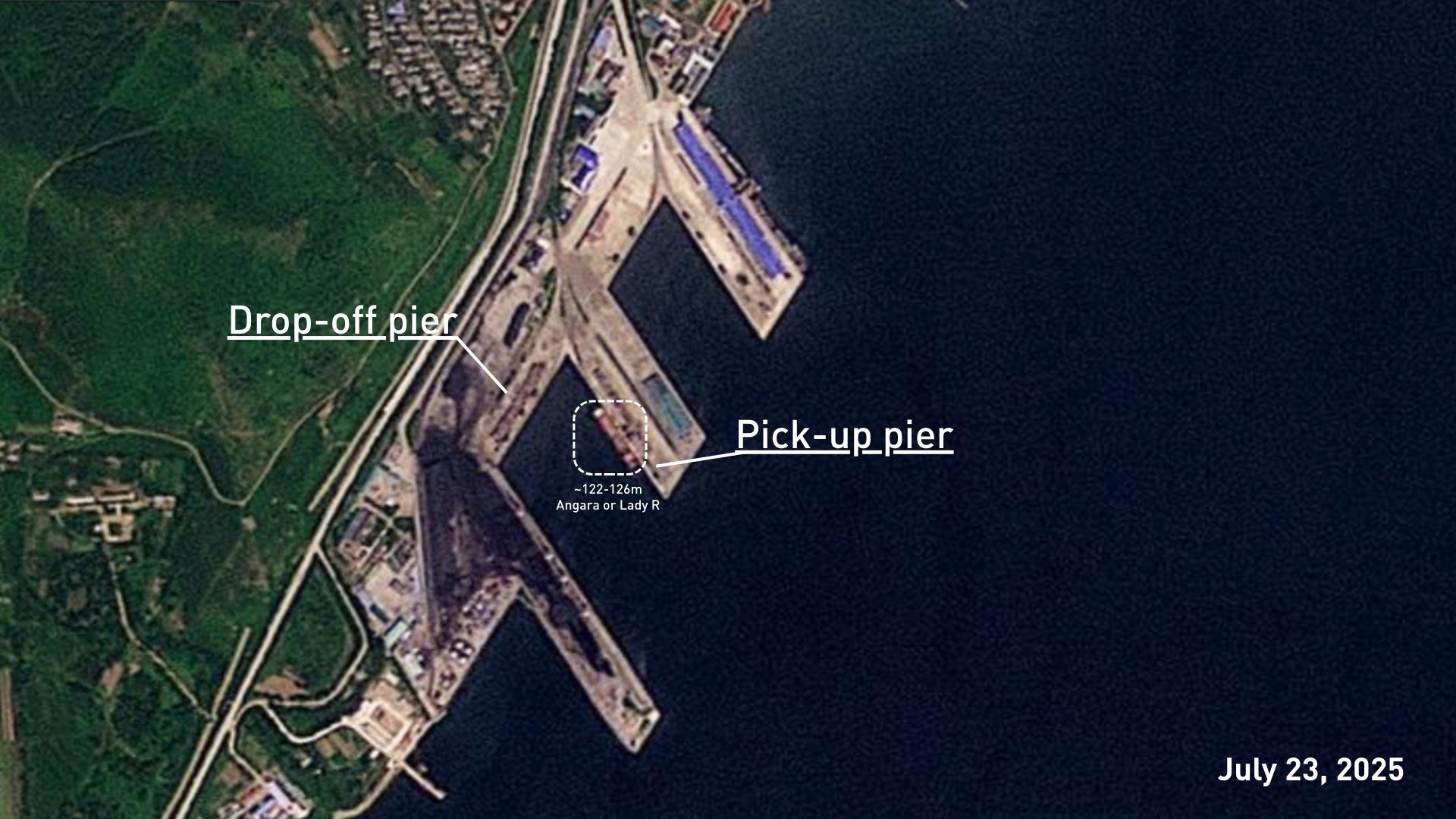
Investigations Satellite imagery points to lull in North Korea-Russia arms smuggling operationAnalysis shows Russian ships linked to weapons transfers made at least two voyages to Rason in July, even less in August  North Korea and Russia appear to have paused their arms smuggling operation out of the DPRK city of Rason, as Moscow and Washington began talks about a Ukraine war ceasefire amid expectations of a possible peace deal. NK Pro analysis of Planet Labs satellite imagery shows that Russian ships previously linked to shuttling arms from Rason continued the operation in July, although such visits decreased even further through Aug. 27. After just one call of port by the suspected Maria freighter on July 9 and another one by either the Angara or Lady R on July 23-24, Rason likely saw at least one more clandestine visit in early August before the operation appears to have stalled. Notably, containers that were stacked up on the pier primarily used for picking up cargo with presumed munitions on July 27 disappeared between Aug. 4 and 10, suggesting an undetected ship arrival for their transportation to Russia under the cover of cloudy weather. 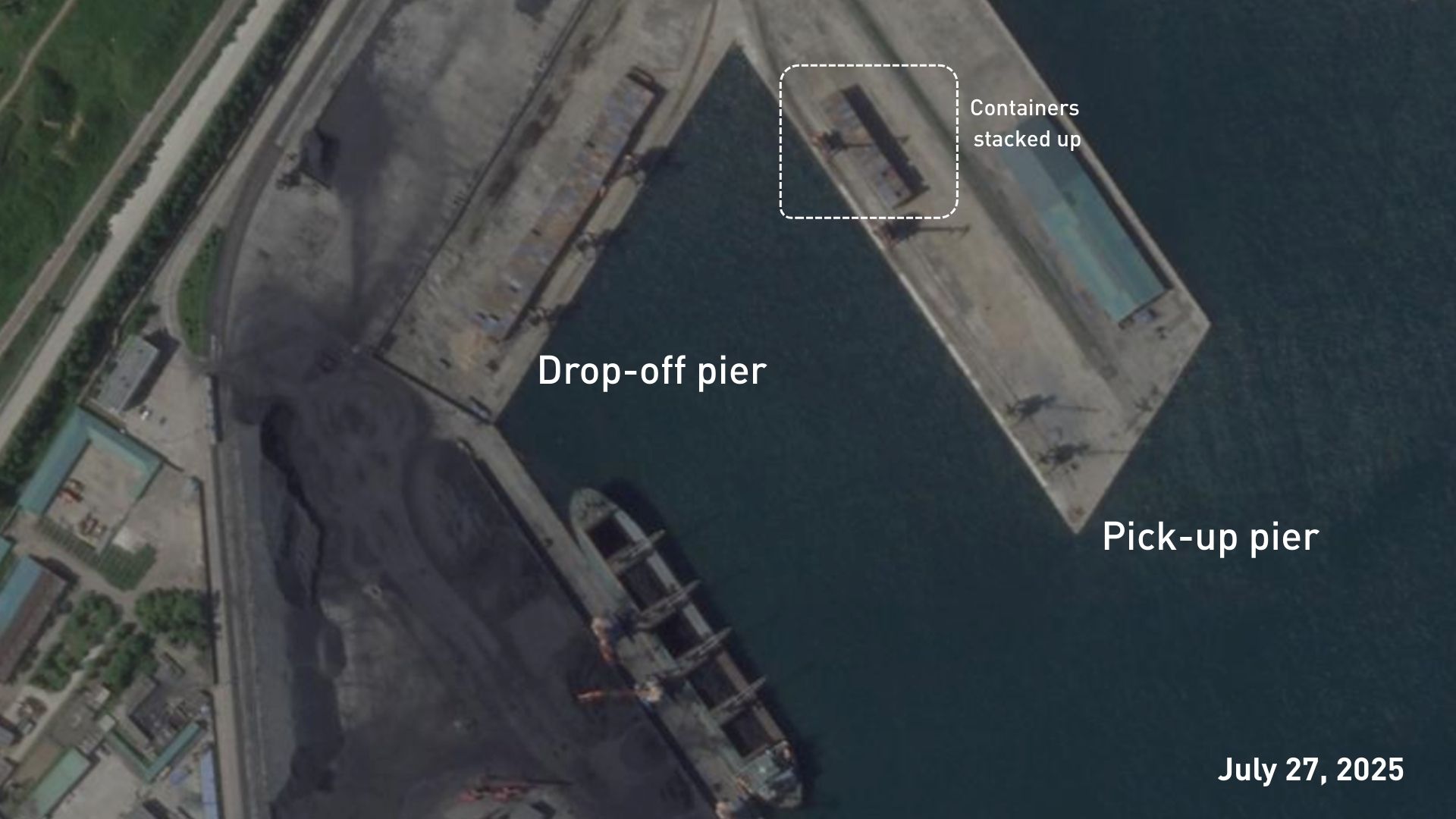
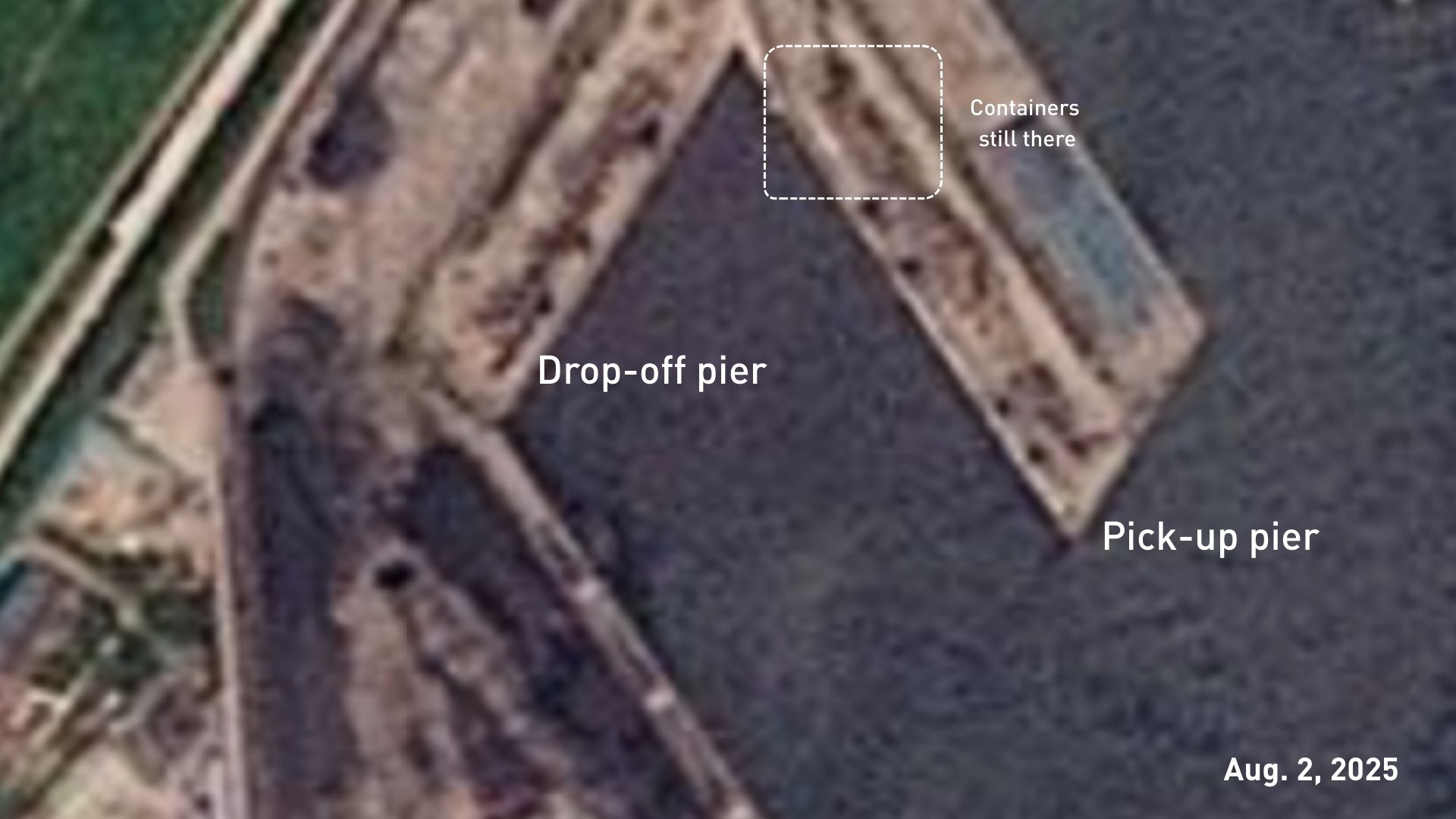
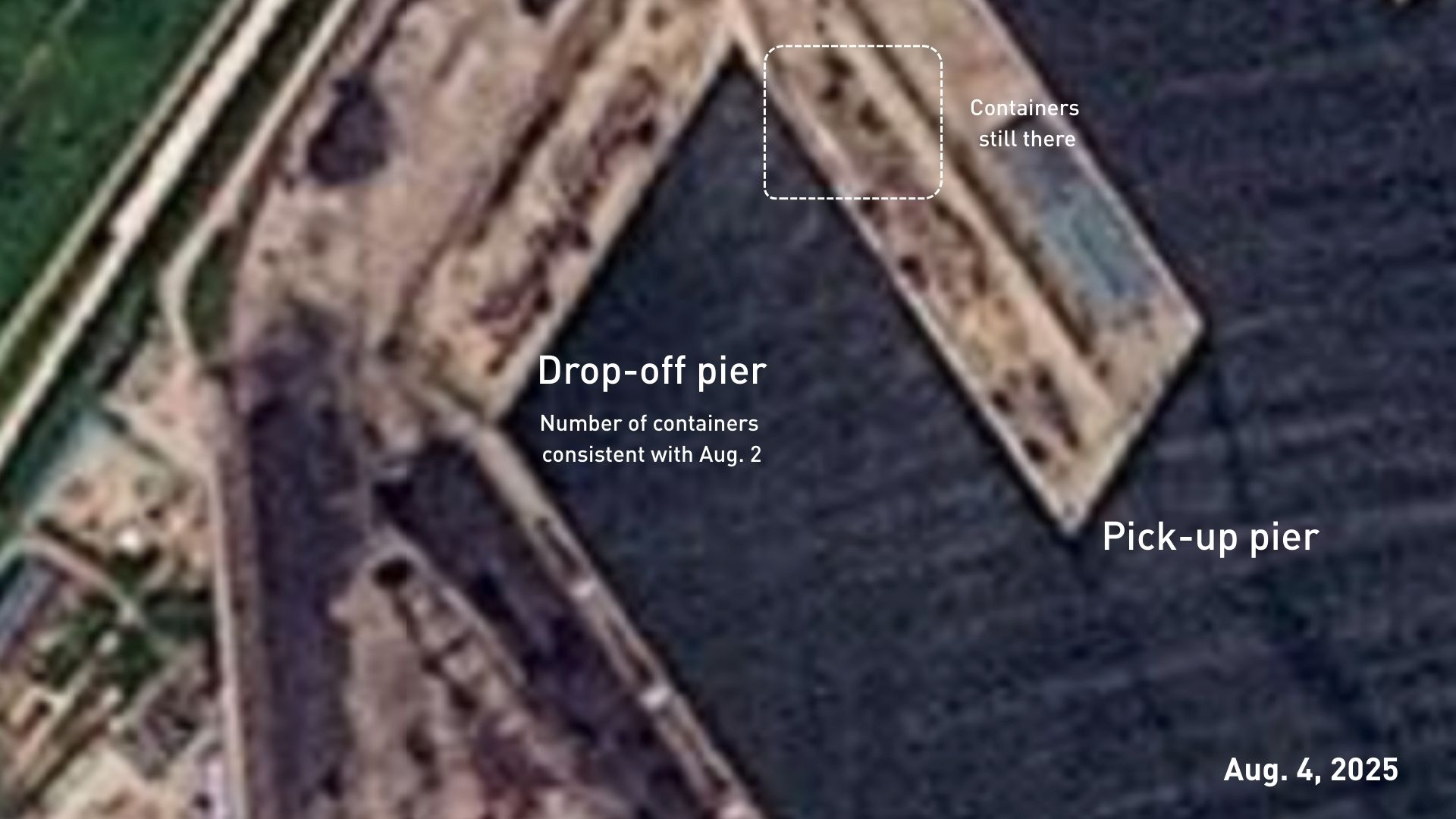
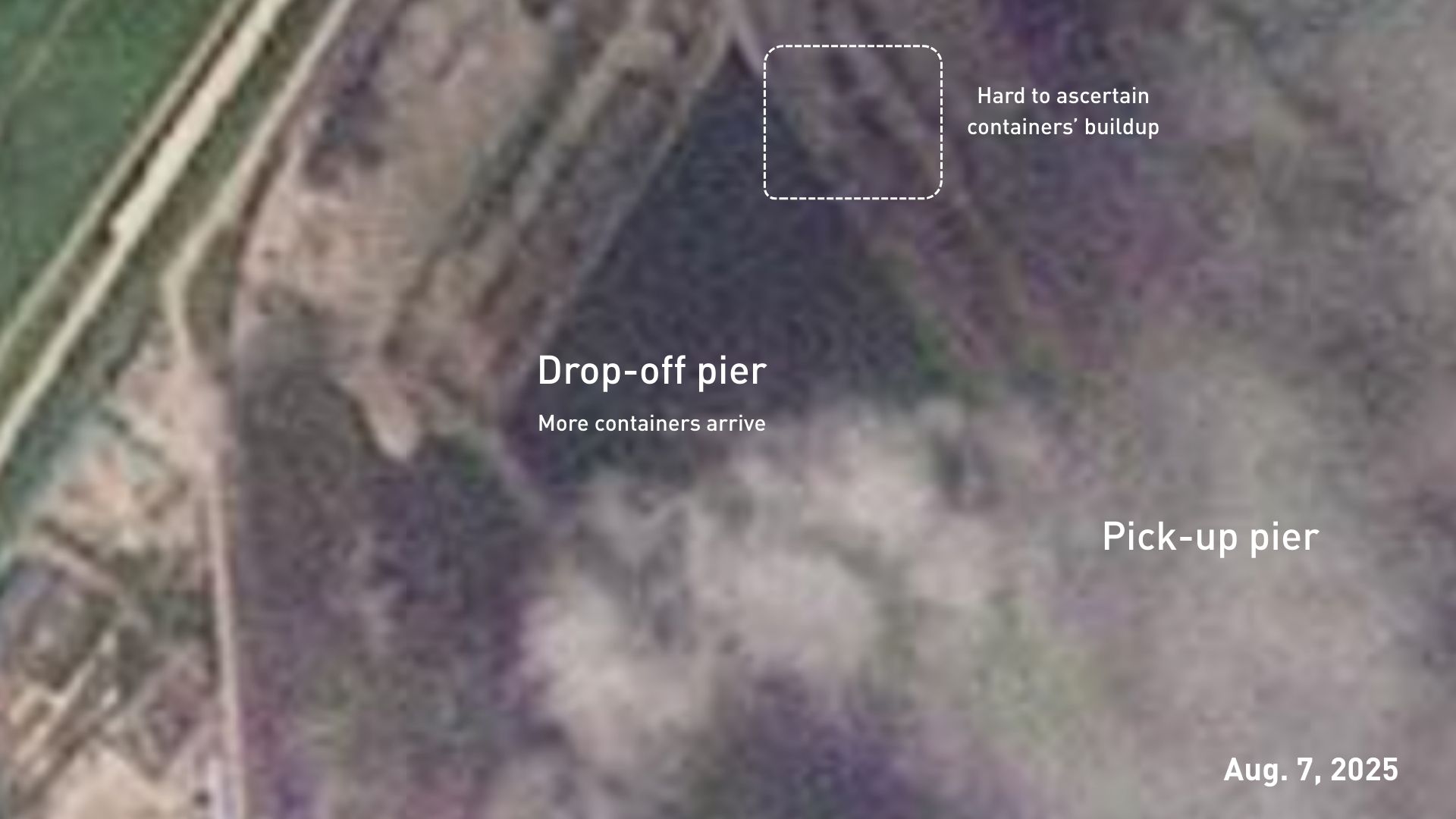
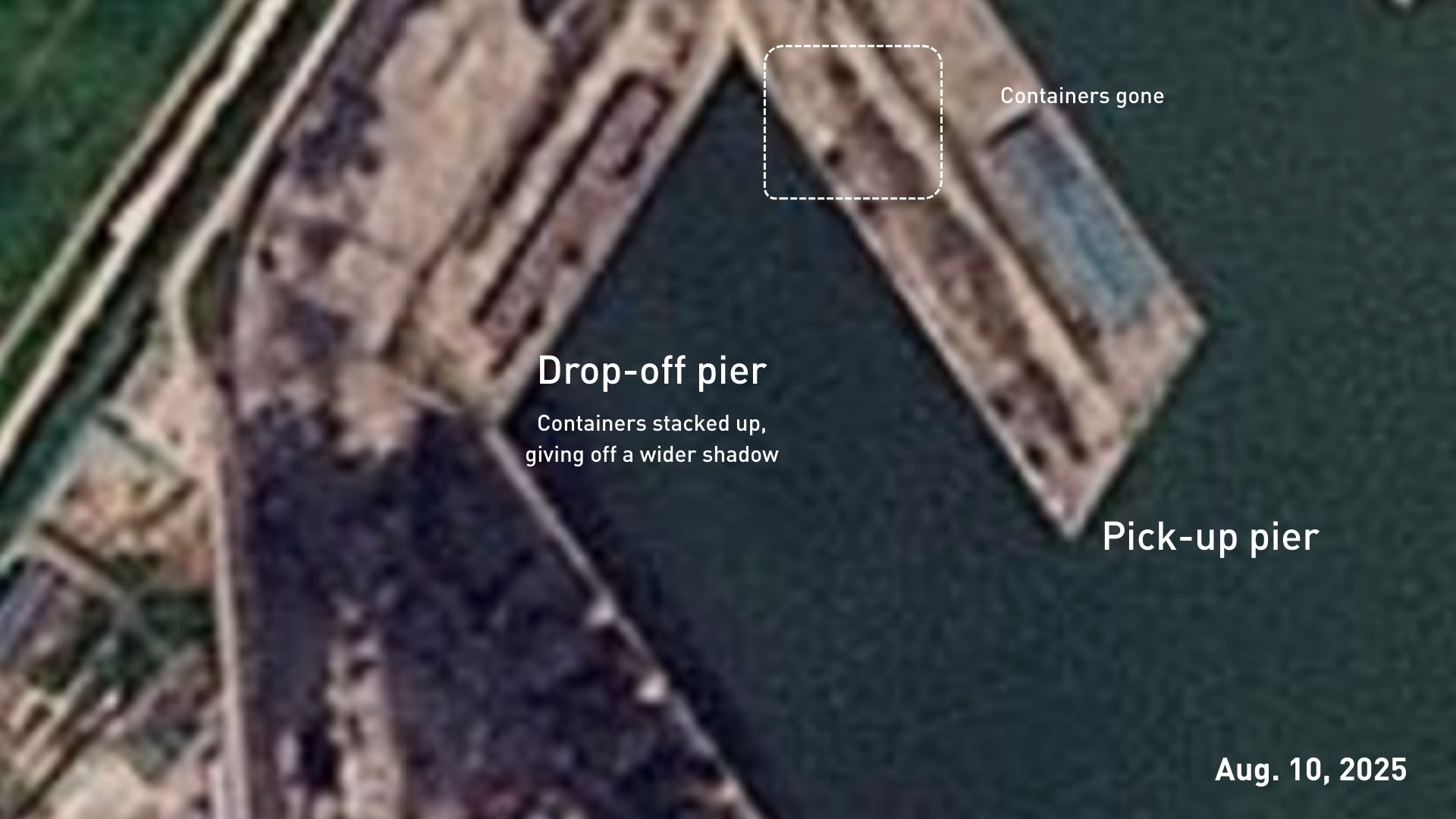
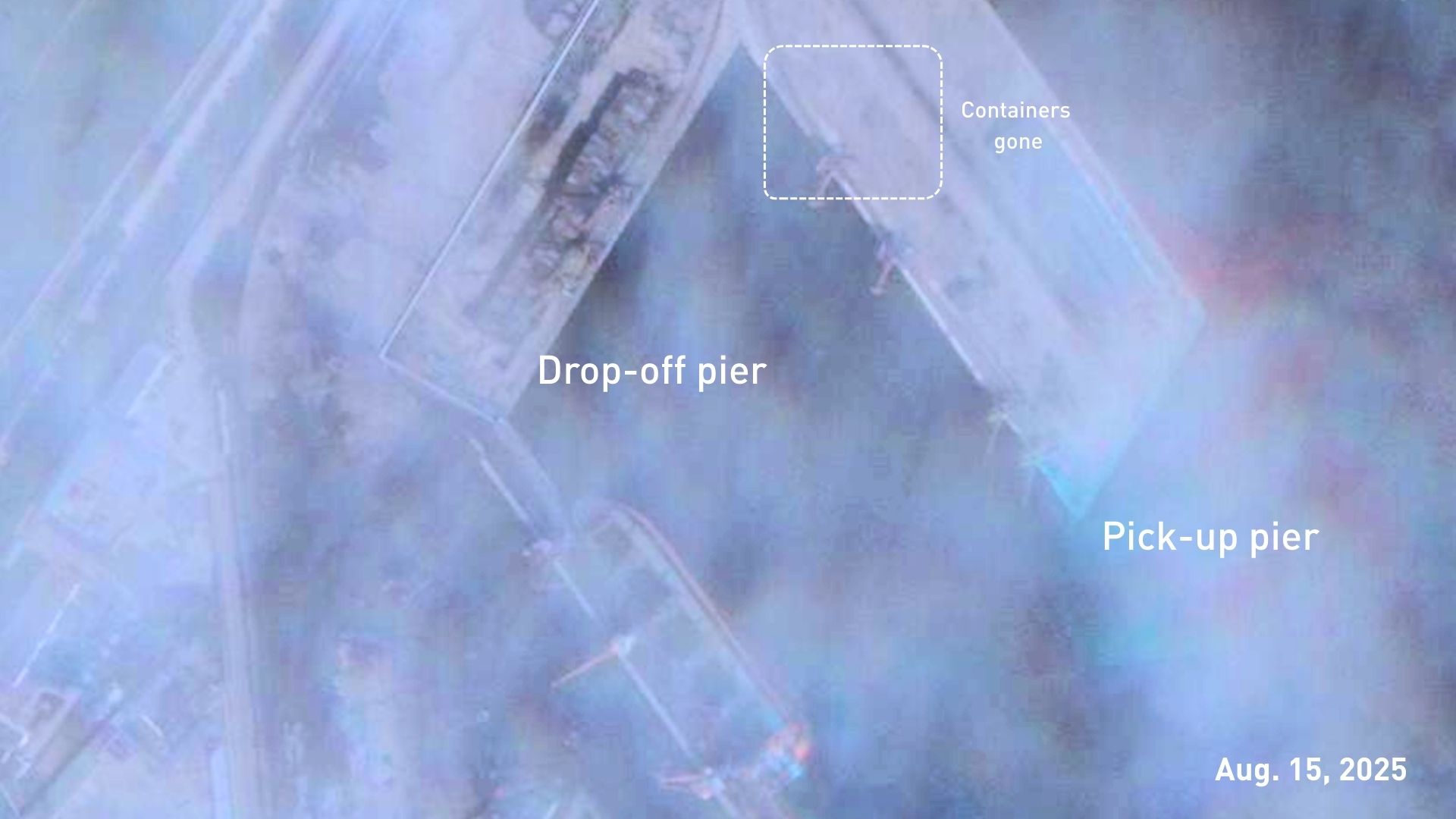
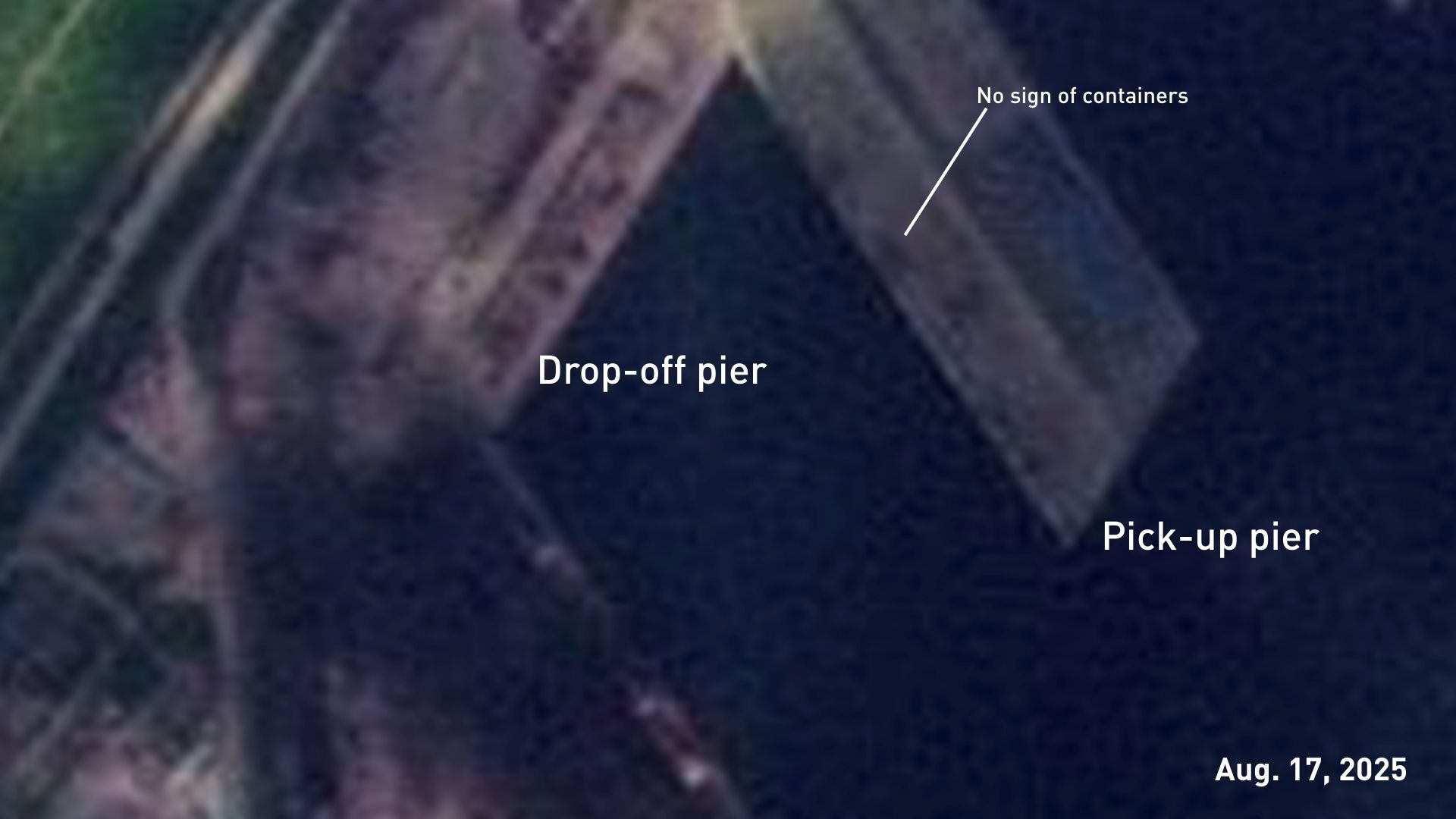
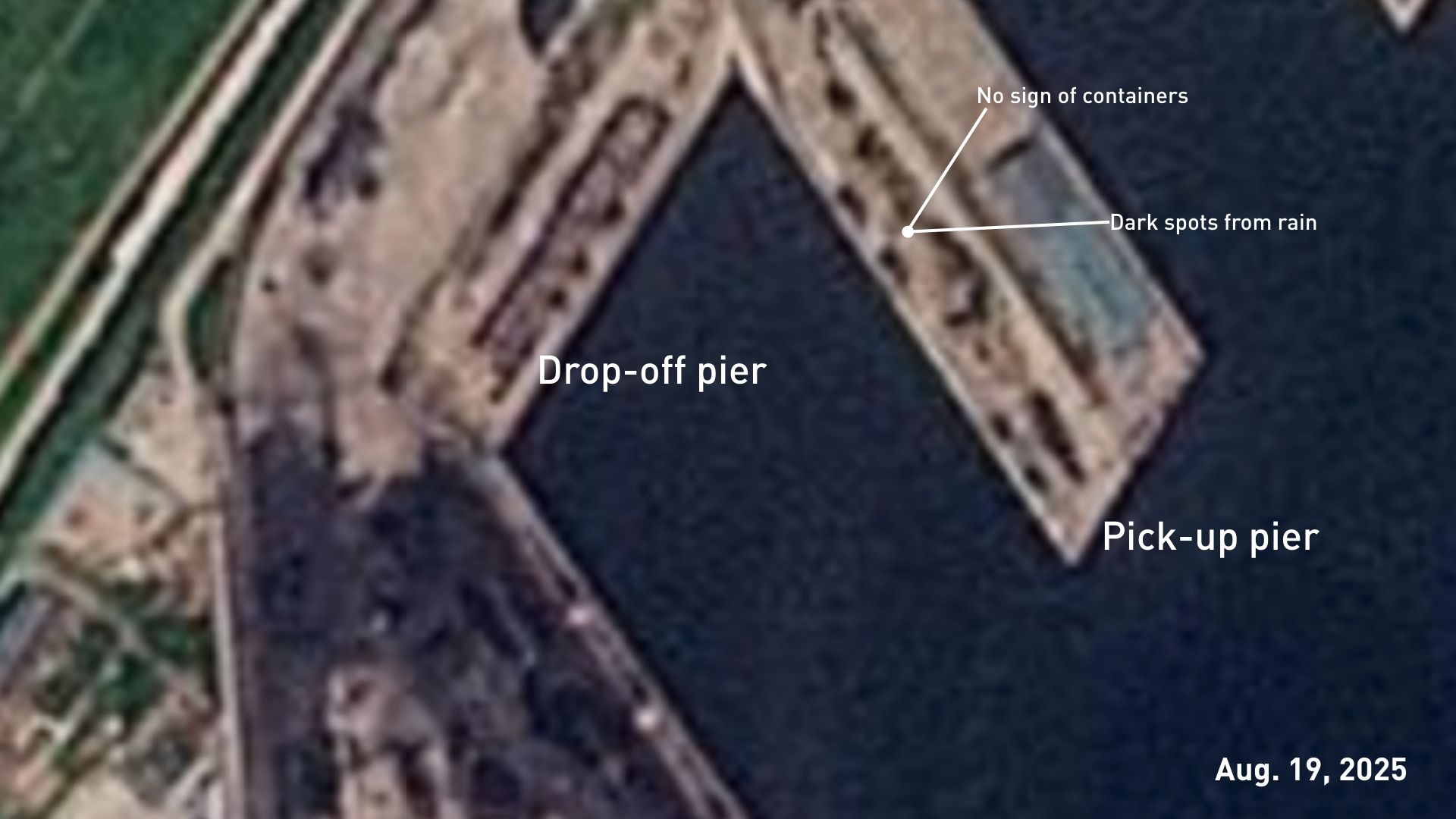
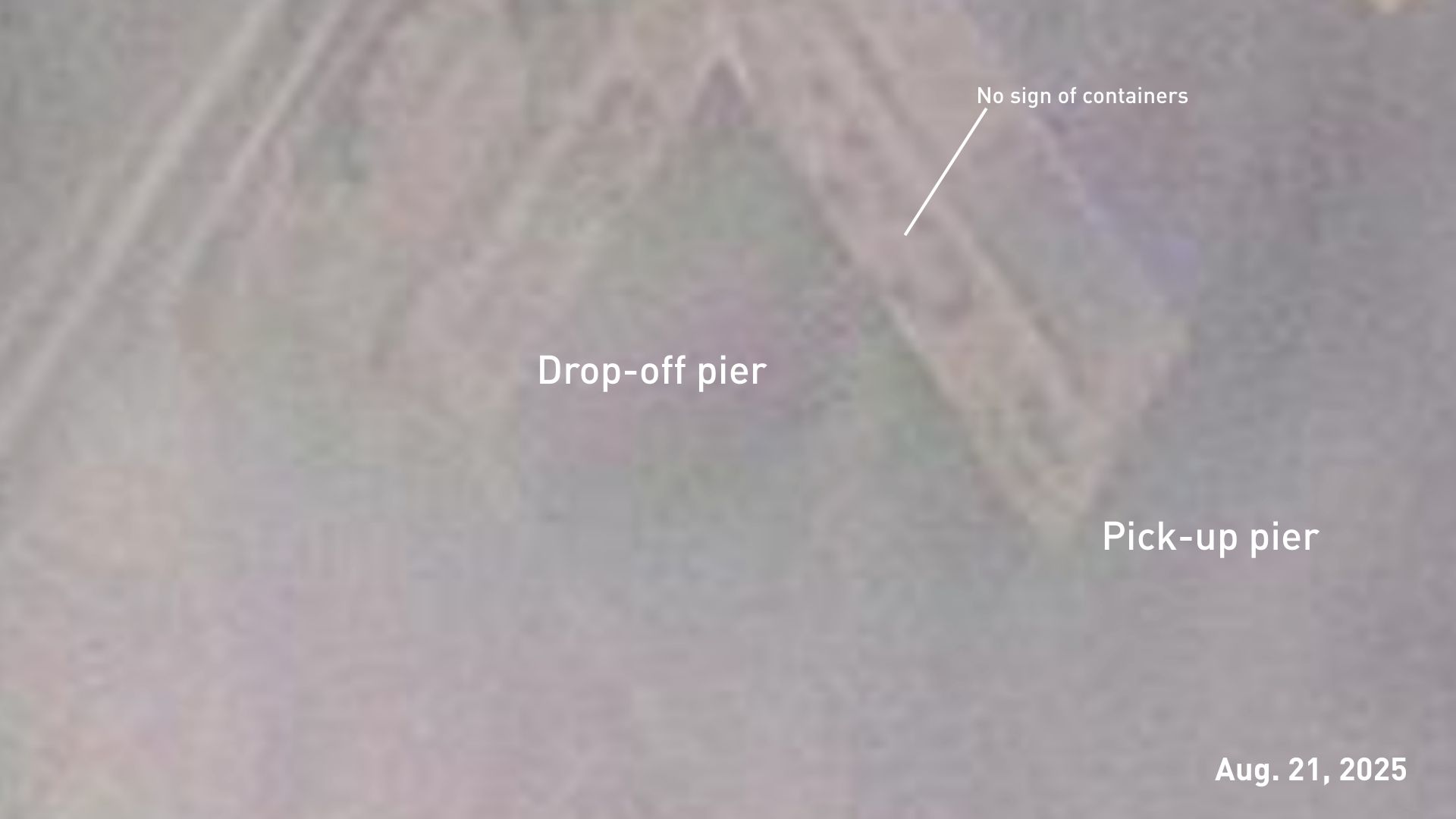
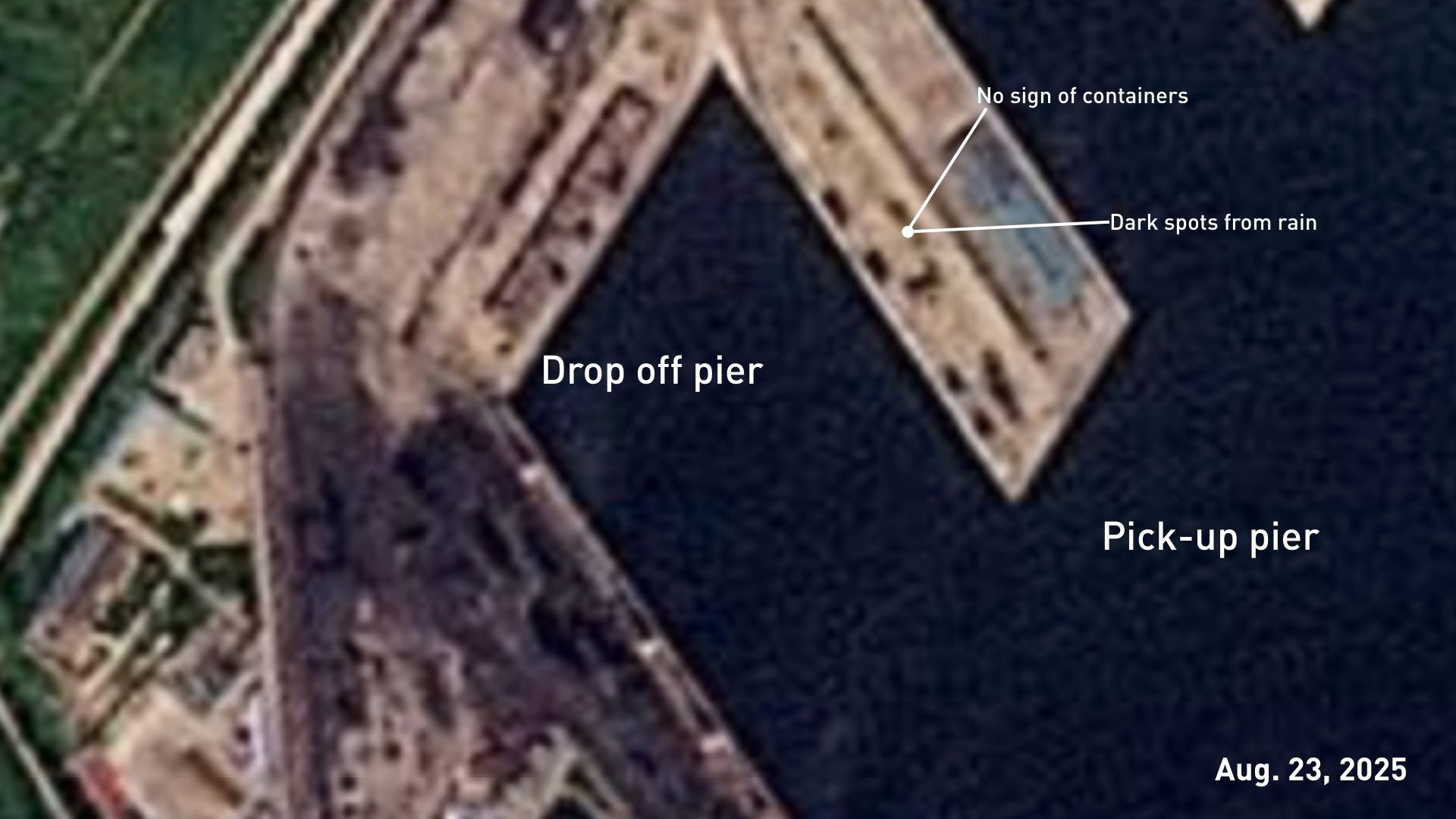
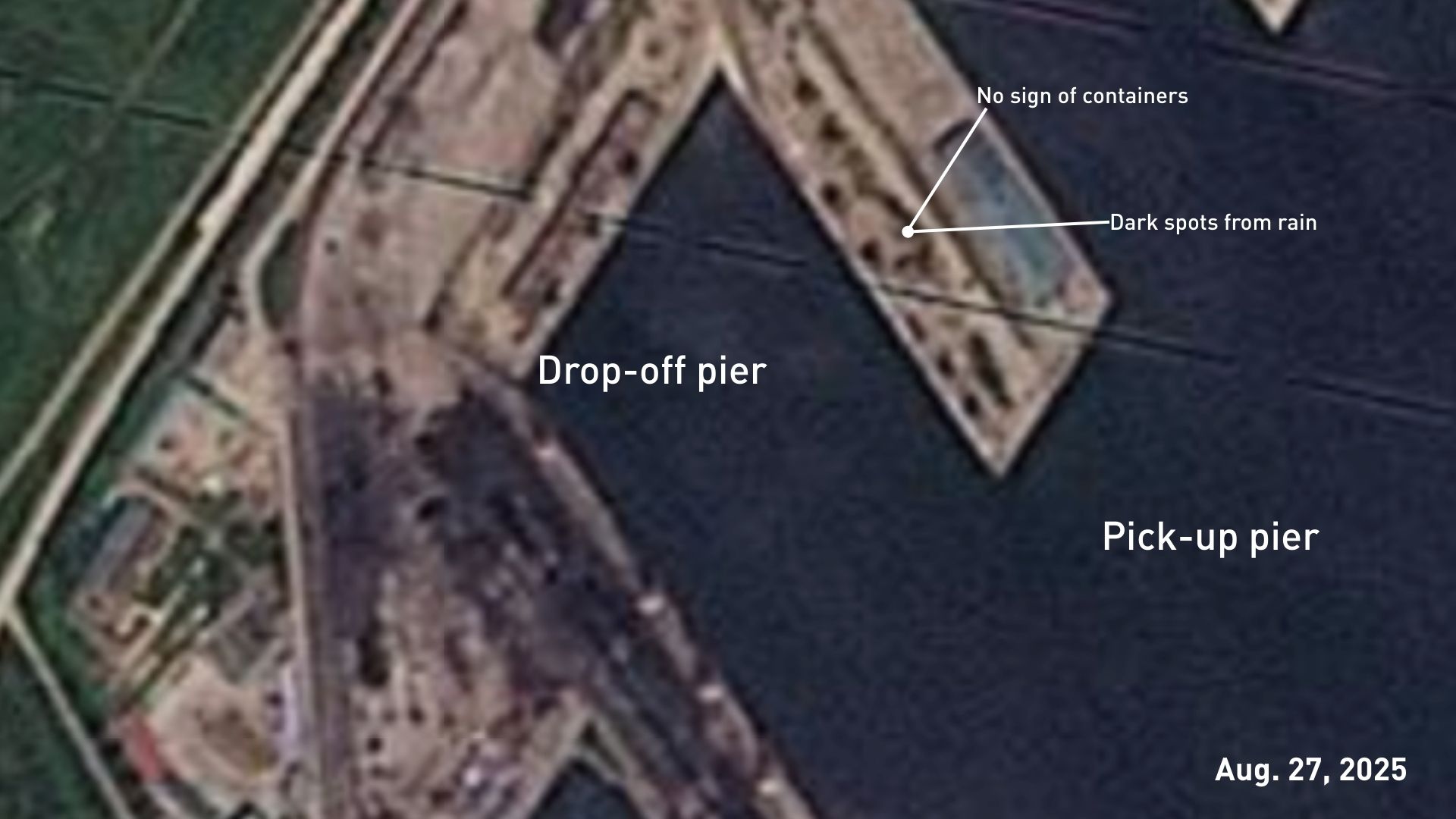
On Aug. 2 and 4, the containers’ clearly discernible shape was still visible in low-resolution imagery. However, by Aug. 7 additional containers appeared on the adjacent pier used mainly for cargo drop-offs, although a pick-up was hard to assess due to low image quality. Available low-resolution satellite imagery from Aug. 10 confirmed the delivery of more containers to Rason and the disappearance of containers from the pickup pier, indicating an earlier arrival of a vessel to drop off and load cargo, with only large black spots — likely puddles from earlier rains — visible on the pier. The situation showed no change on Aug. 15, when high-resolution imagery revealed the empty inbound pier, with the puddles almost completely dried up. Similar patches reappeared on Aug. 19 following more rains, drying up by Aug. 21 to reveal the absence of any additional containers on the pier through Aug. 23. After a period of low visibility caused by rainy weather on Aug. 24-26, the pickup pier once again appeared covered in large dark spots, but with no containers visible, on Aug. 27. No Russian ship was observed visiting the port this month, apart from the suspected delivery in July and early August. 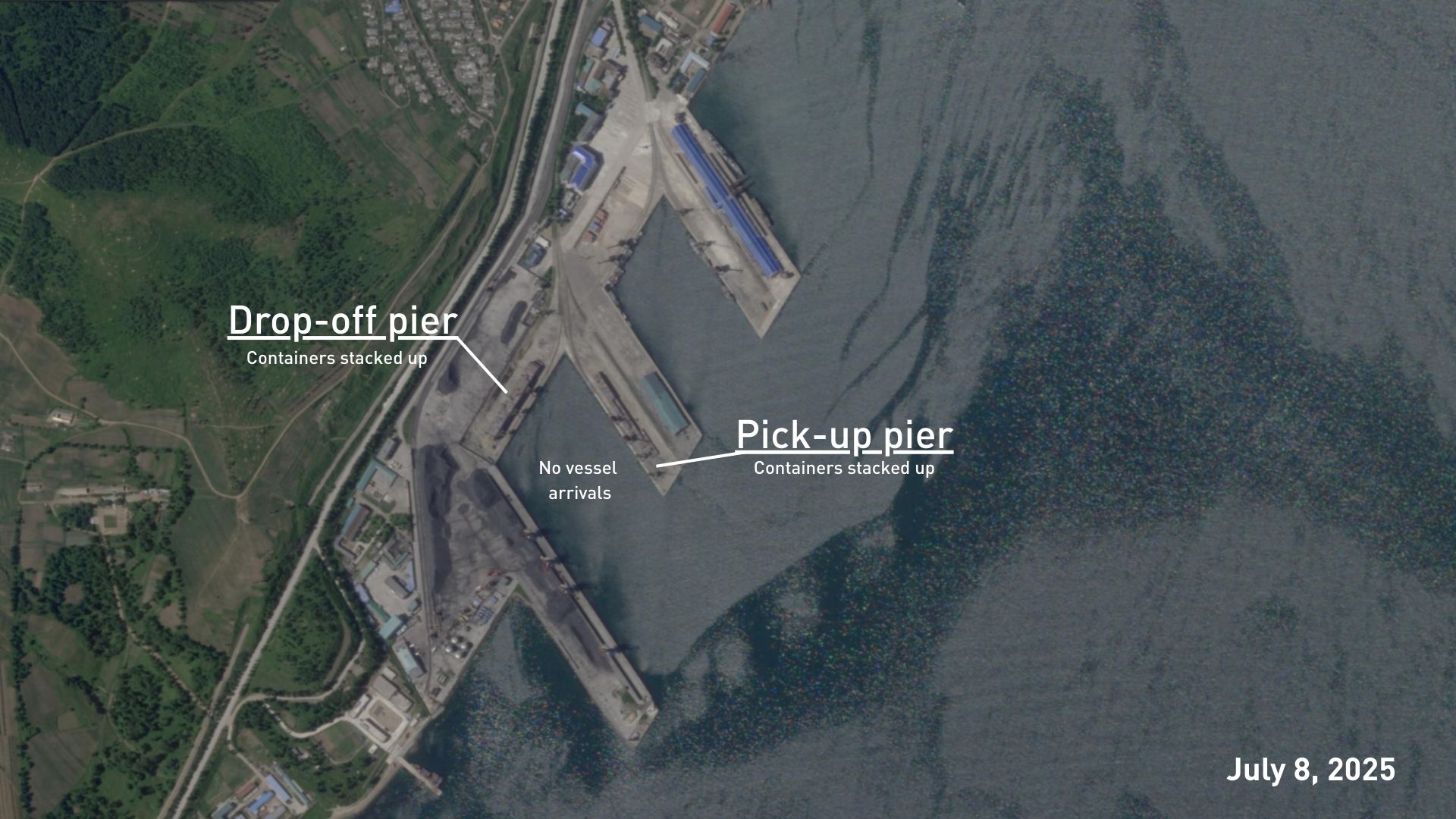
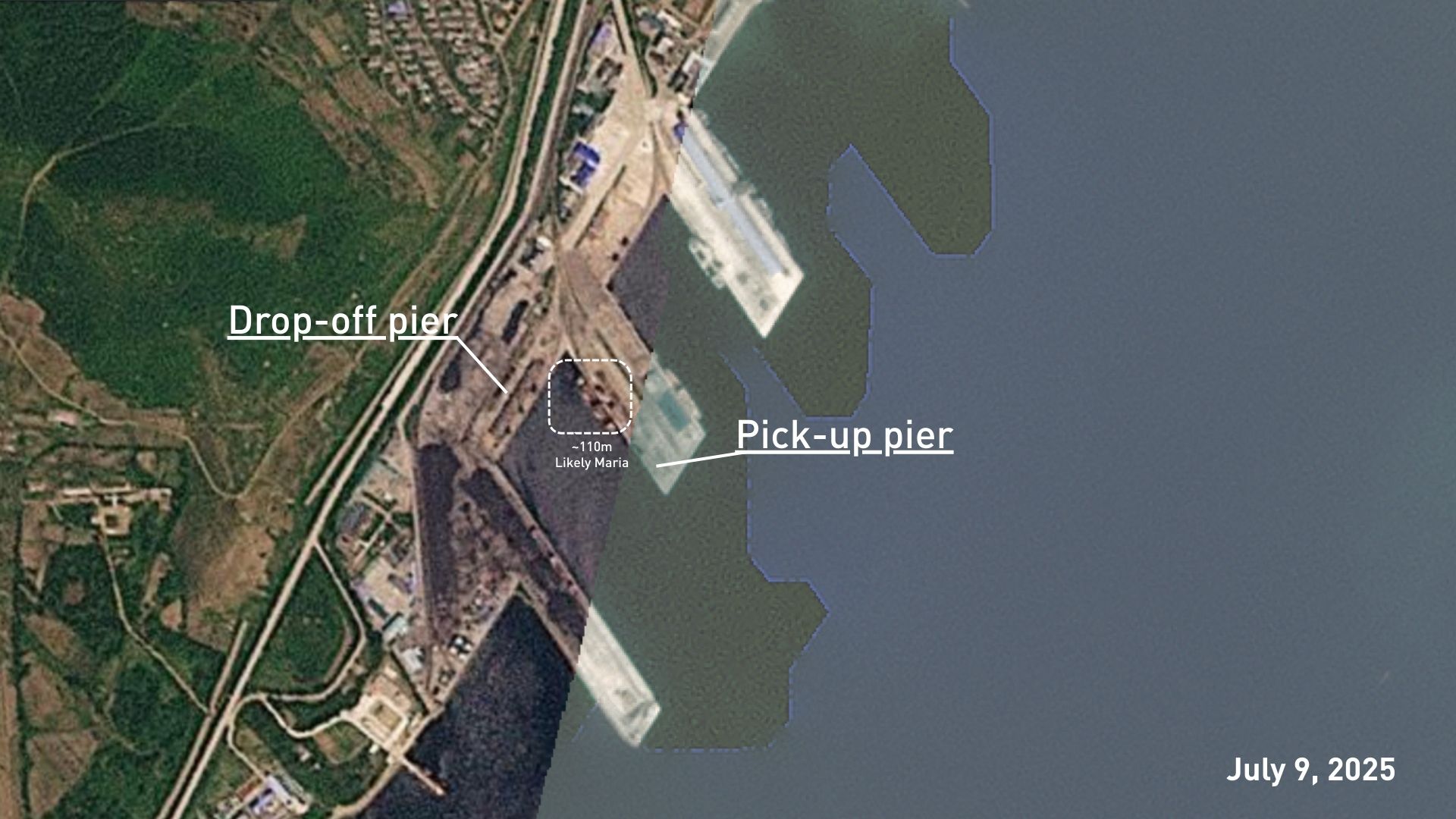
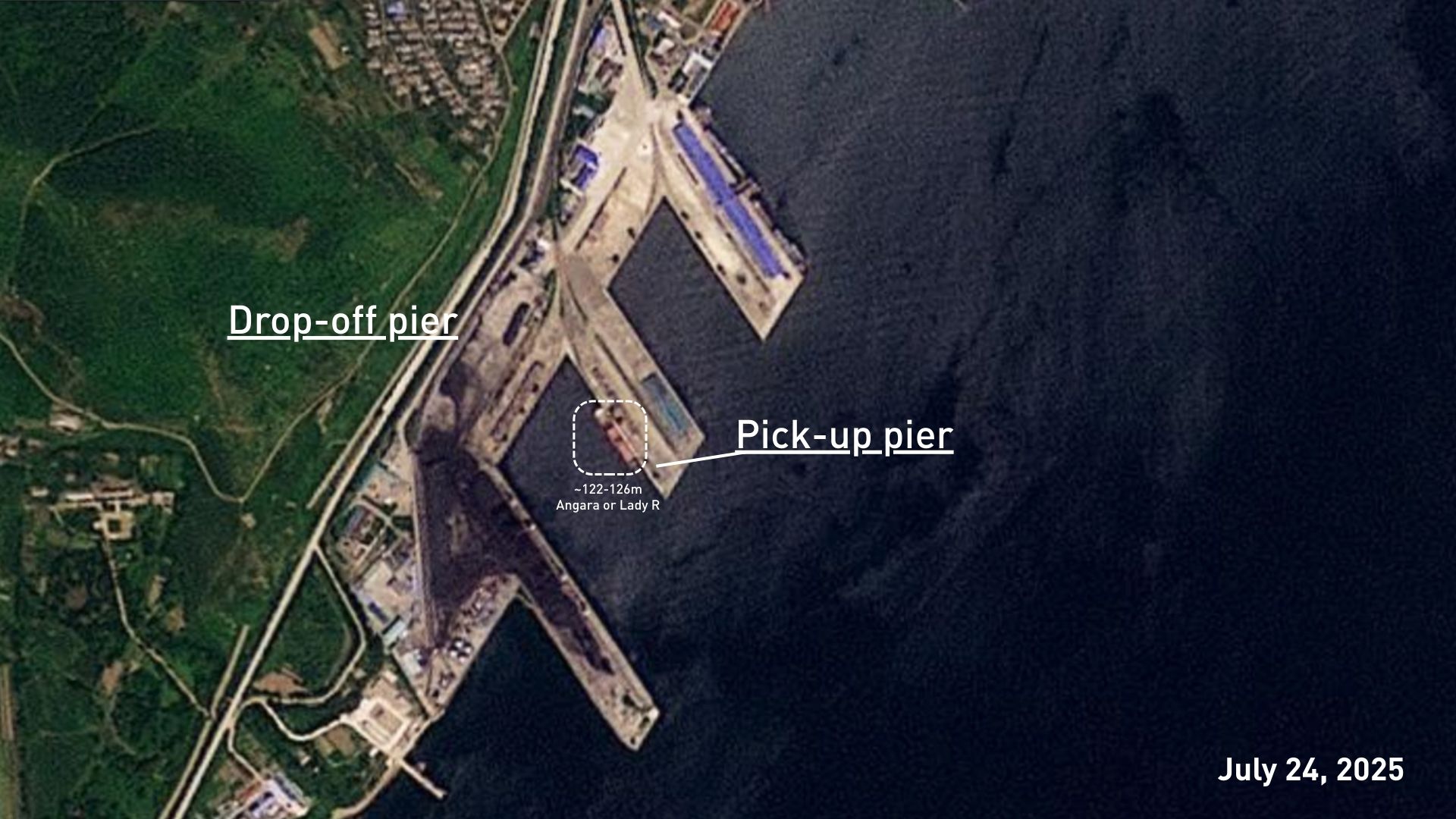
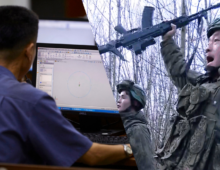
SITUATION UPDATE Four Russian cargo vessels — Angara, Lady R, Maria and Maia-1 — had initially all engaged in the covert deliveries of containers suspected to be loaded with artillery munitions to Russia’s Far Eastern ports such as Dunay and Vostochny since 2023. The delivery operation has undergone several adjustments since then, with the Maia-1 eventually dropping out of the scheme and setting sail across the globe to St. Petersburg, then to India and back to northern Russia. The three remaining vessels continued the operation, with the Lady R eventually replacing the Angara on the route, while the Maria kept regularly showing up at the port. Russia has received various kinds of weaponry from the DPRK, including long-range Koksan artillery systems, 240mm multiple-launch rocket systems (MLRS), rare 60mm and 140mm mortar types, 107mm MLRS and cluster munitions. However, in recent months, the implicated freighters have stopped appearing at the main pier of Vostochny Port next to Nakhodka, with their new destination remaining unknown. At the same time, Rason continued shipping out coal, with large cargo vessels observed in satellite imagery picking up the anthracite fuel on July 27 and Aug. 15. The slowdown in container transshipments follows Seoul’s July assessment that North Korea has provided Russia with some 28,000 containers filled with artillery munitions, equivalent to 12 million 152mm shells. The data marked an uptick with the ROK’s Dec. 2024 estimate of 22,000 containers or 10 million 152mm rounds. NK Pro previously found that the arms smuggling scheme marked an overall slowdown as of late June but was still underway. Talks between Moscow and Washington may have played a role in this slowdown, with Russian and American leaders Vladimir Putin and Donald Trump holding a summit in Alaska in mid August. The talks centered on finding ways to reach a ceasefire in Ukraine, over three years since Moscow’s invasion in Feb. 2022. While it is unclear if North Korea has completely stopped sending its weaponry to Russia amid the ongoing peace process, some of the indigenous weapons DPRK troops have been using while fighting alongside Russia were recently unveiled by state media. Coverage of DPRK leader Kim Jong Un awarding Korean People’s Army (KPA) soldiers, including those killed in action, for their participation in combat in Russia’s Kursk region, also showed footage of troops using 60mm mortars, 107mm towed multiple-launch rocket systems, rifles and anti-tank rocket systems. Despite the commendation ceremony and absence of battlefield news about North Korean troops in the area in recent months, questions about their use in different parts of the 1,000km long frontline remain. Russian war bloggers have argued that North Korean units could give a significant boost to Moscow’s positions in Donbas, where it has recently scored several major breakthroughs. Colin Zwirko contributed to this reporting. Edited by Alannah Hill © Korea Risk Group. All rights reserved.

|

September 24, 2026Sep 24, 2026

The ultimate resources for professionals working on North Korea
 SHARE
SHARE COPY LINK
 X
X MASTODON