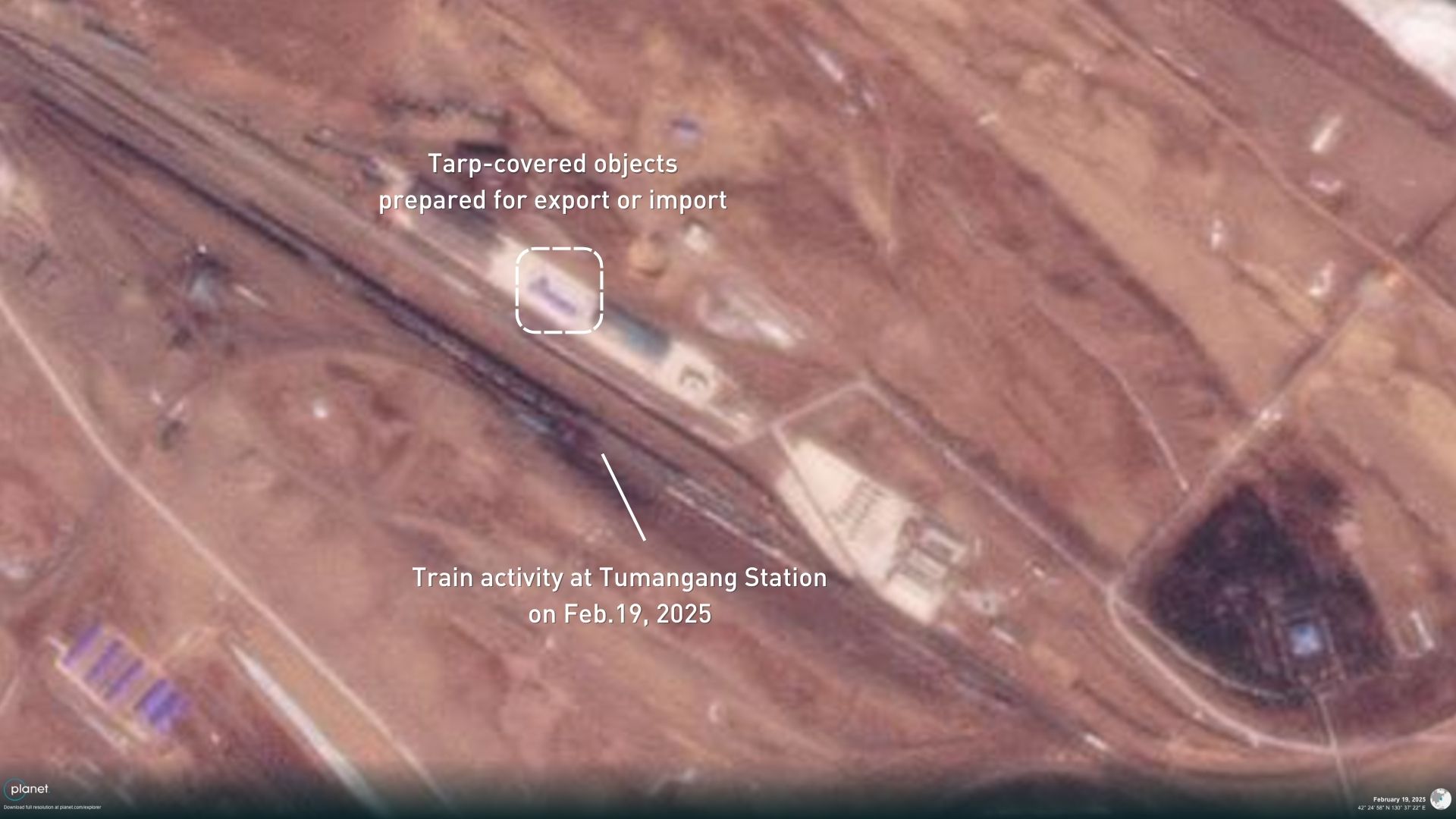
  Analysis DPRK arms shipments to Russia slow in early 2025 but Feb. sees renewed activityTransfers via Rason saw downturn compared to same period year prior as uptick this month comes amid warning from Kyiv 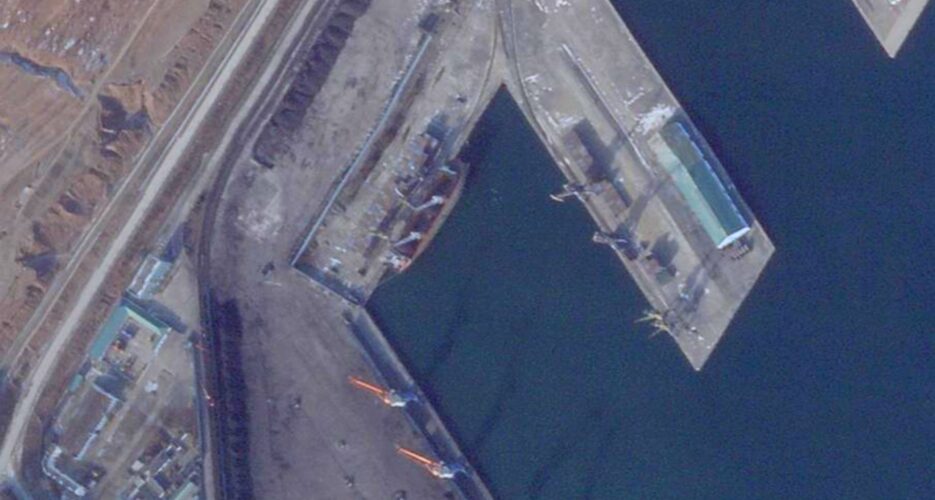 Suspected arms transfers between North Korea and Russia via the port of Rason appear to have slowed this year, compared to the same period in 2024. However, an uptick in activity this month suggests a potential resurgence in shipments as Kyiv has warned that Pyongyang is gearing up for a new transfer of multiple ballistic missiles for Moscow. NK Pro analysis of available Planet Labs satellite imagery shows that Russian ships — the Angara and Maria — have made four visits to Rason from the start of the year through Feb. 20. This number is significantly lower than the same period in the previous year, when the two vessels, along with the Maia-1 and Lady R, collectively made at least ten pickups at the North Korean port known as a key hub for exporting DPRK-made arms and munitions to Russia. The slowdown comes as a sanctioned vessel previously implicated in the arms smuggling scheme has traveled across the world, passed the Suez Canal and is headed toward Europe. While the overall number of trips has slowed compared to the same period a year earlier, three of this year’s visits to Rason were made in February (Feb. 1, Feb. 9 and most recently Feb. 20), suggesting that the operation may be returning to its regular schedule. 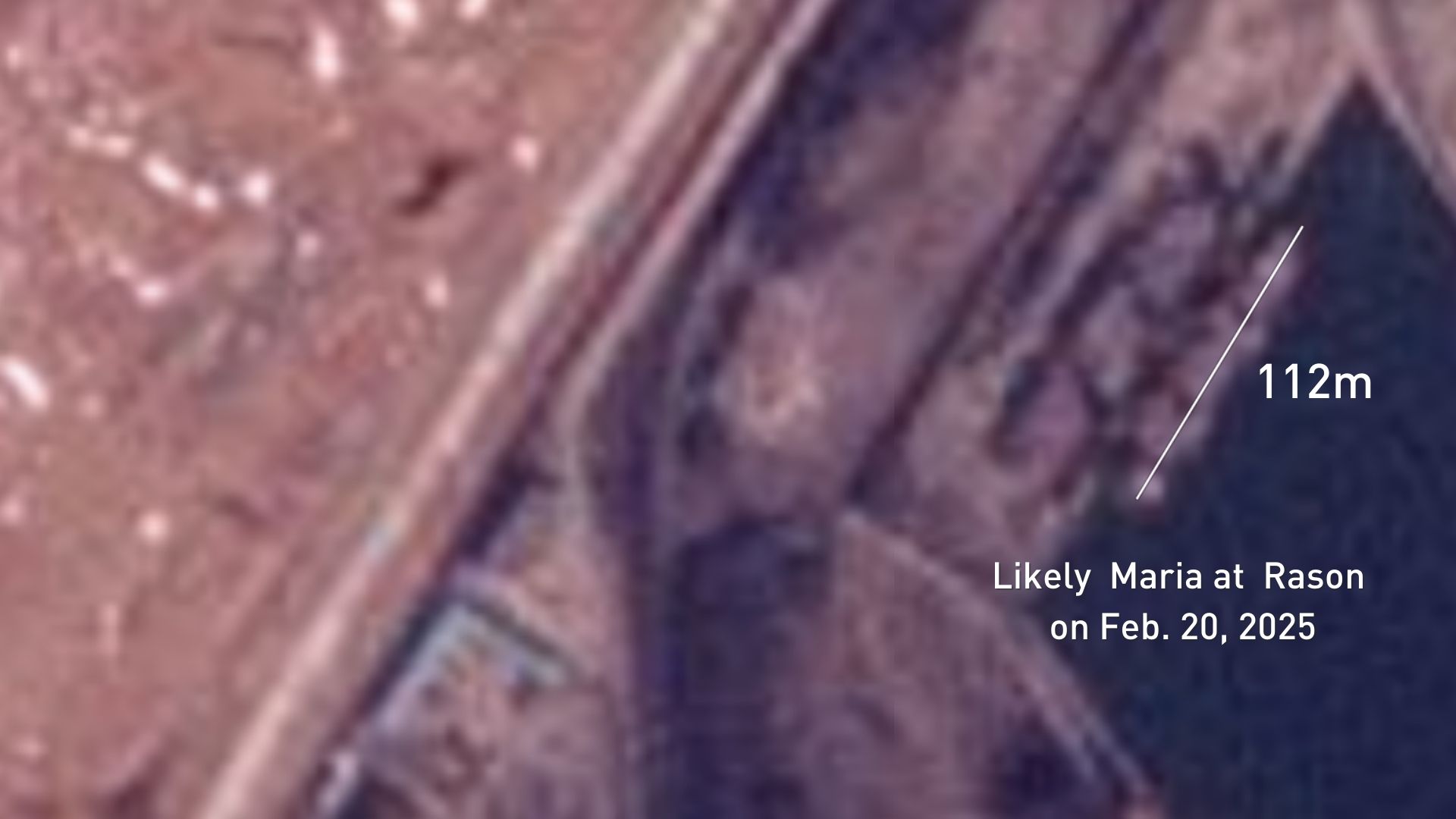 Ukraine’s top military spy Kyrylo Budanov warned last month that North Korea is planning to supply Russia with 150 more ballistic missiles on top of 148 already received, as well as ship 120 Koksans and 120 multiple-launch rocket systems (MLRS) to the region. In October, South Korean military intelligence assessed that North Korea had sent over 20,000 containers from Rason to Russia, likely carrying millions of ammunition rounds. NK Pro previously reported that suspected arms deliveries slowed to two or three visits per month last year, with activity nearly ceasing in August, marked by only one trip. The operation underwent adjustments around the end of 2024, possibly diversifying delivery channels by using rail to supply artillery and other weapons systems, including 170mm Koksan self-propelled guns and presumed MLRS previously spotted moving across Russia. The Ukrainian military reported on Wednesday that it successfully hit one such Koksan gun in the Luhansk region of Donbas, releasing a video purporting to show the first use of such artillery systems in combat. North Korea’s Tumanggang Station linked to Russia by the only railway bridge between the two countries continues to show signs of train activity, with multiple tarp-covered objects piling at the facility, indicating inbound or outbound deliveries, potentially including military-related cargo. 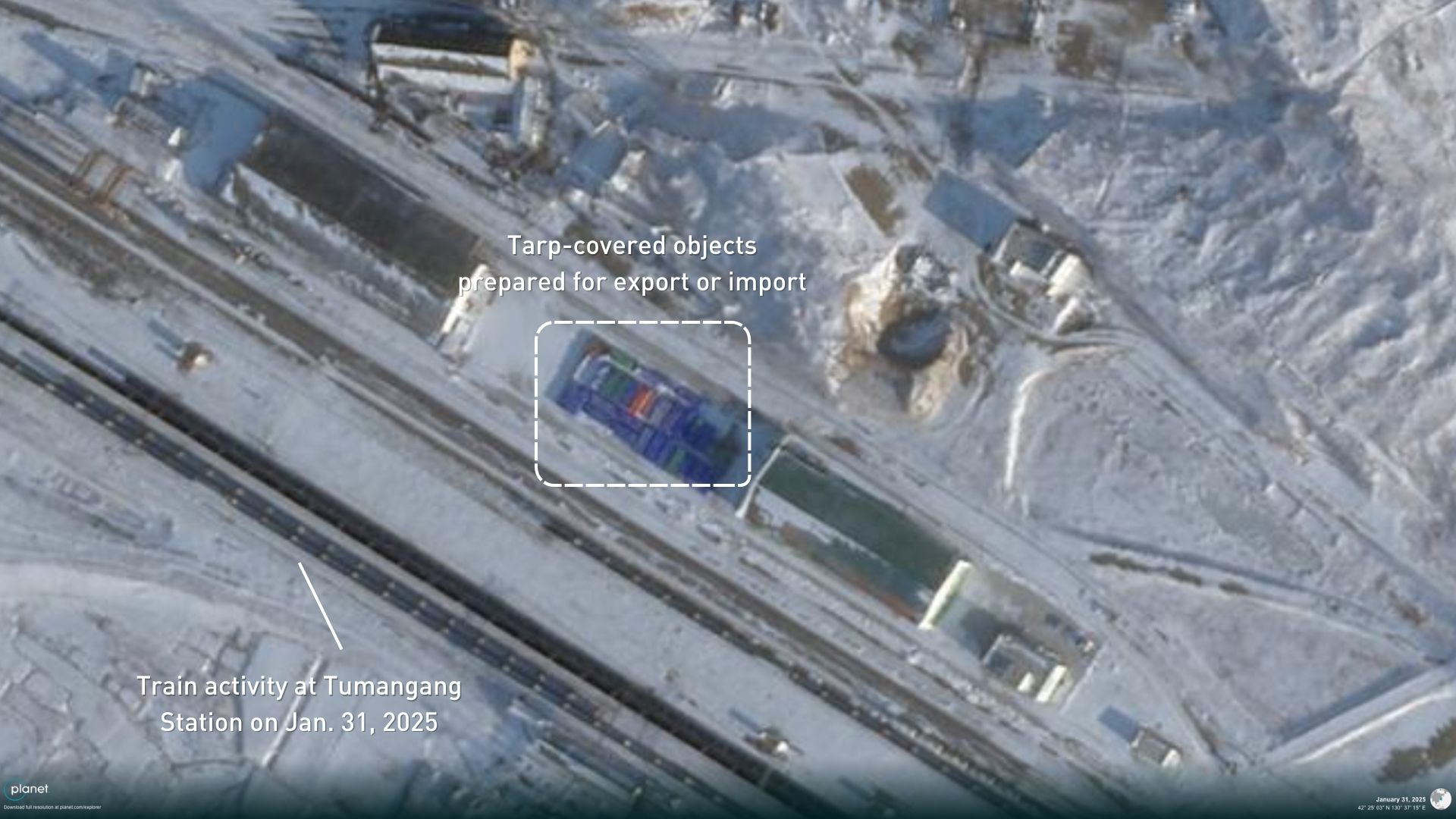
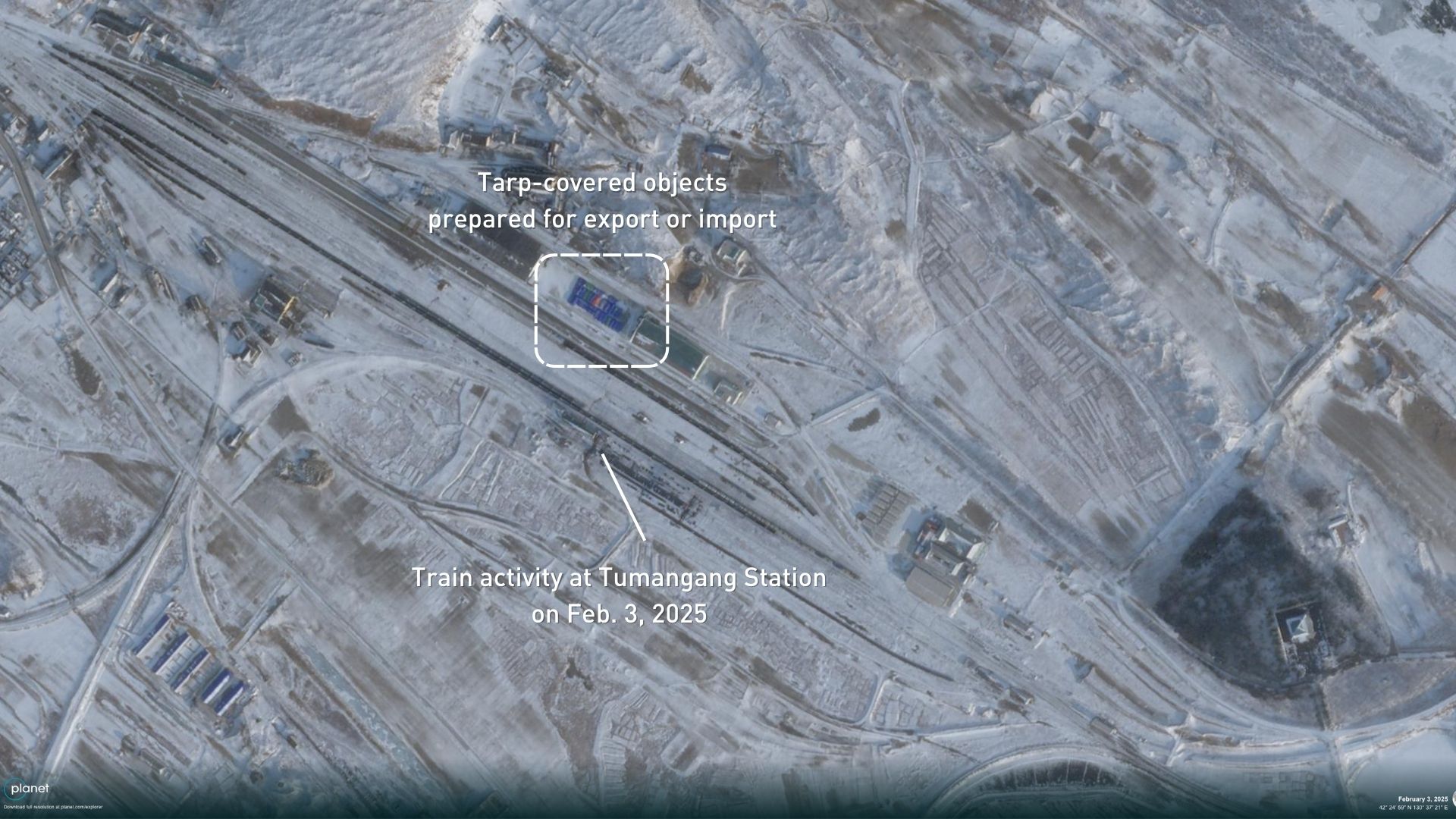
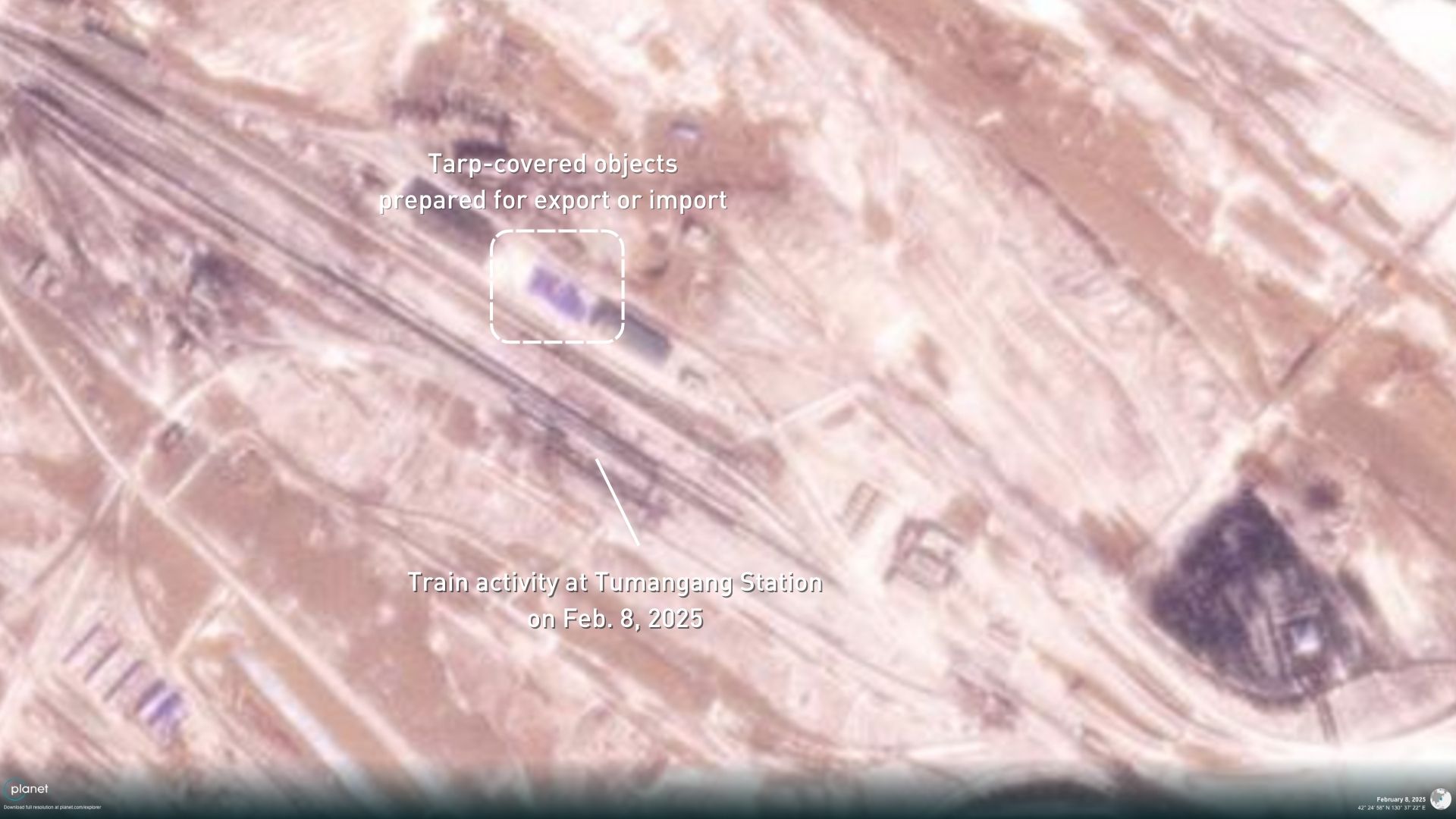
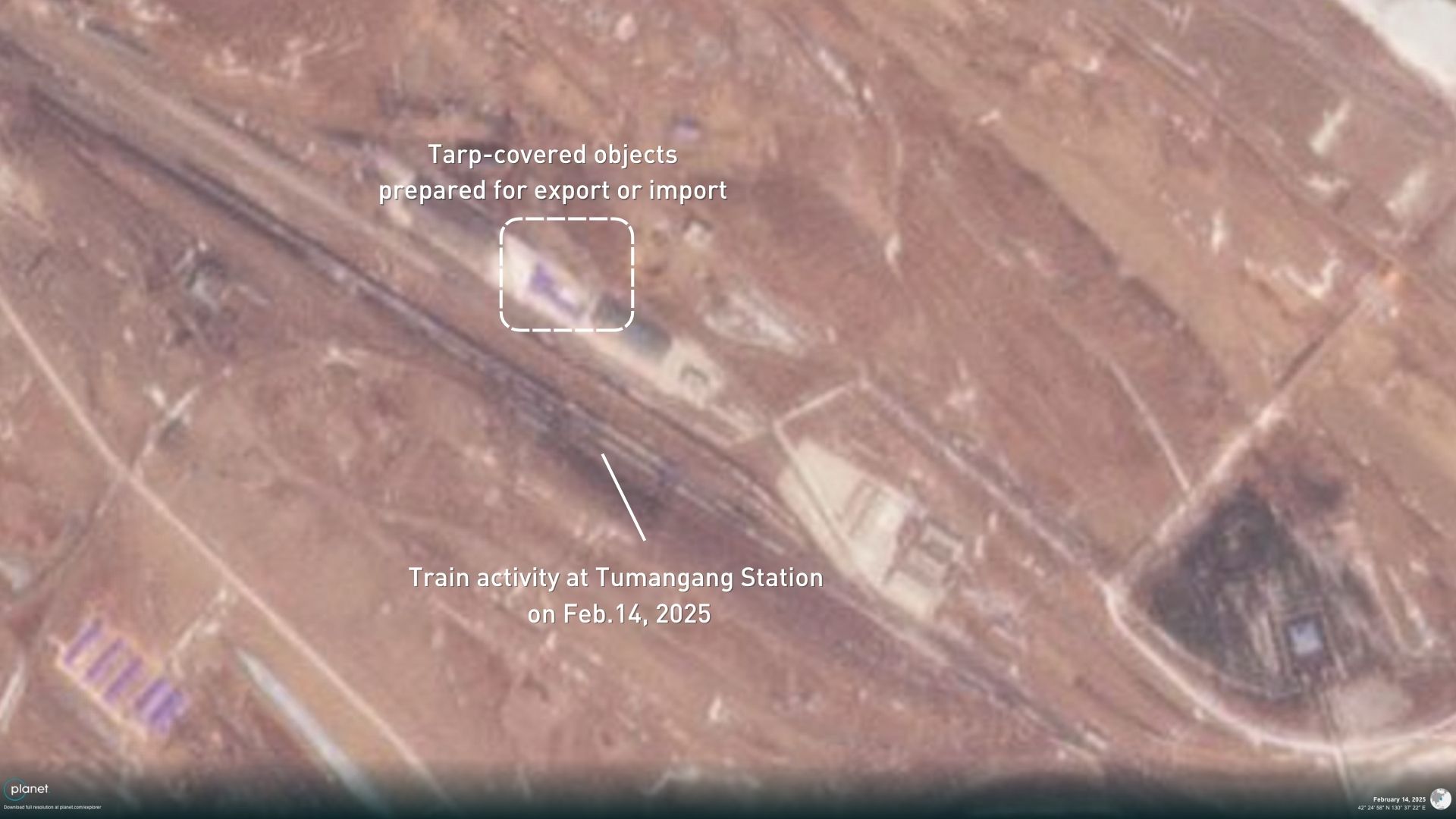
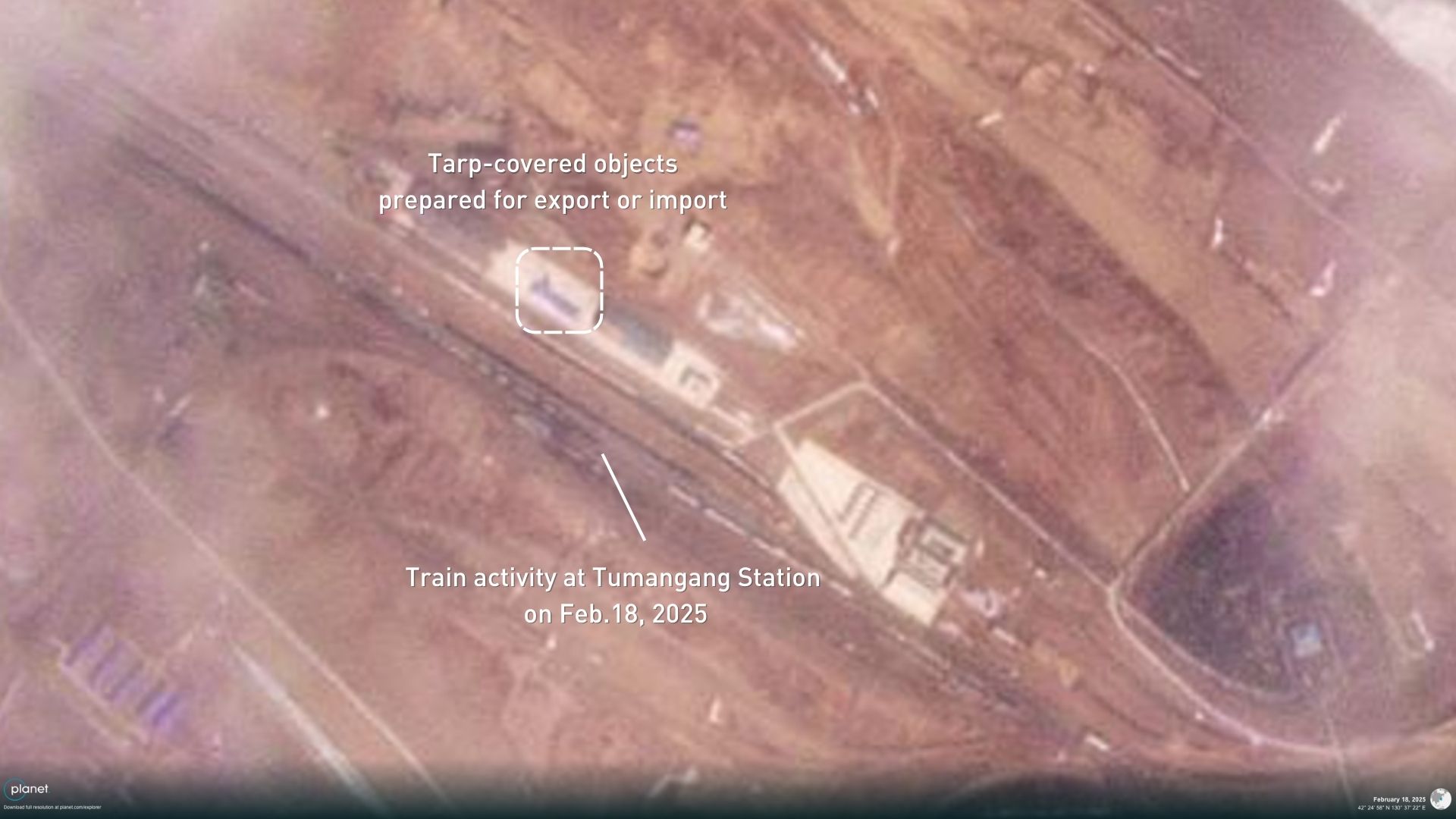
DETAILED SHIPMENTS All four ships involved in shuttling arms and their respective owners have been designated by the U.S. and EU, including for supplying weapons aiding Russian aggression against Ukraine. The Angara and Maria have been the main carriers of military cargo from Rason in past months, with Maria likely making the most recent visit to Rason on Feb. 20, according to low-resolution imagery. In the meantime, the Lady R made its first trip to Rason since May on Dec. 24, replacing the Angara, which likely underwent maintenance at the Dalzavod Ship-Repair Center in Vladivostok from Dec. 13 until Jan. 11, according to imagery. 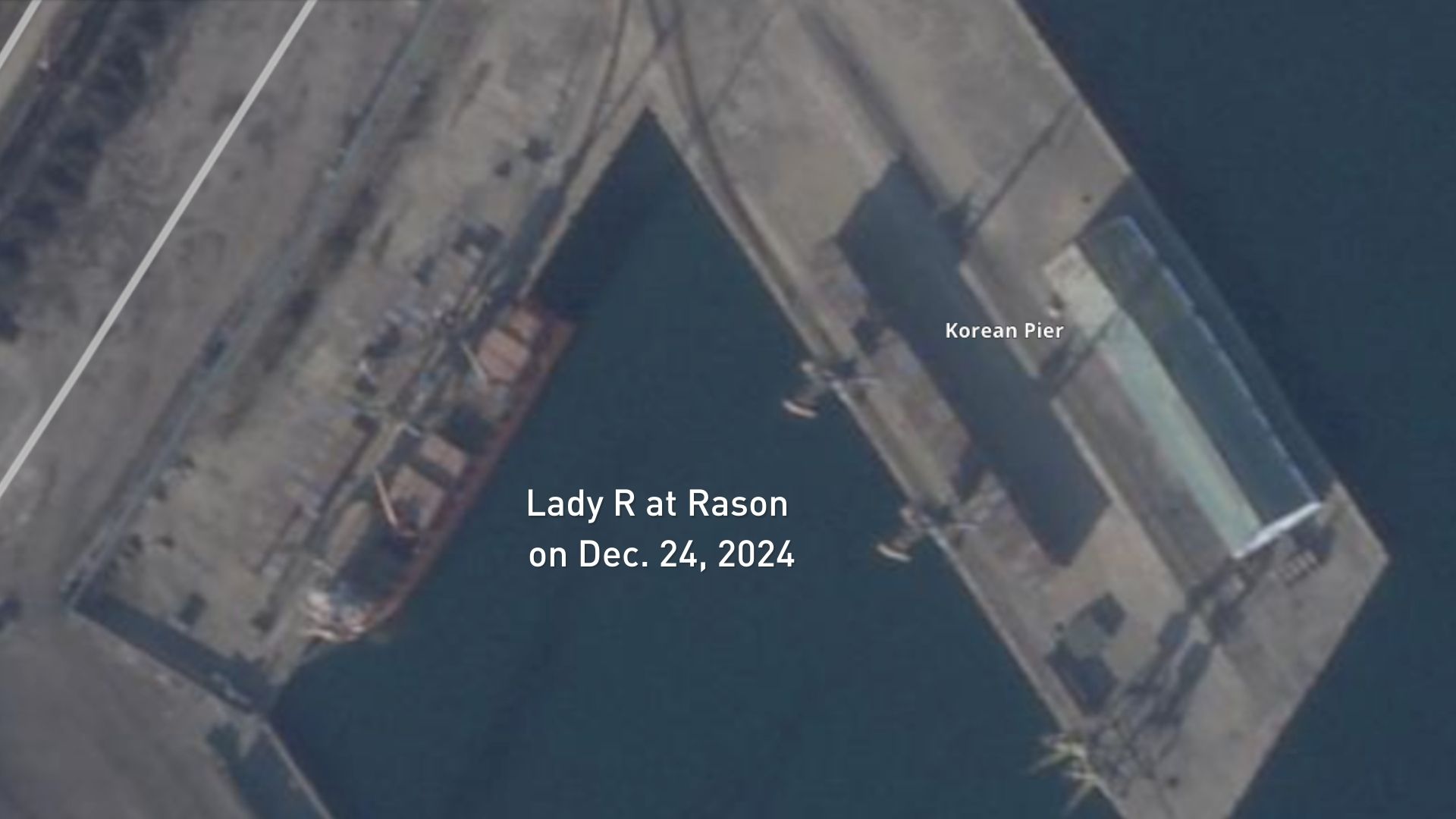
Breaking its months-long radio silence, the Angara briefly broadcast its location at Dalzavod’s pier on Dec. 20. The ship left the harbor on Jan. 11, satellite imagery shows, with a vessel of similar size and hull appearing at Rason on Feb. 9 and then at Port Vostochny on Feb. 14. The U.S. sanctioned Dalzavod harbor in Jan. 2023 as Russia’s key facility aiding its military presence in the Asia Pacific region. [Gallery: Angara broadcasts from Dalzavod, Images: Dec. 13, Jan.11, Rason Feb. 9 and Vost. Feb. 14] 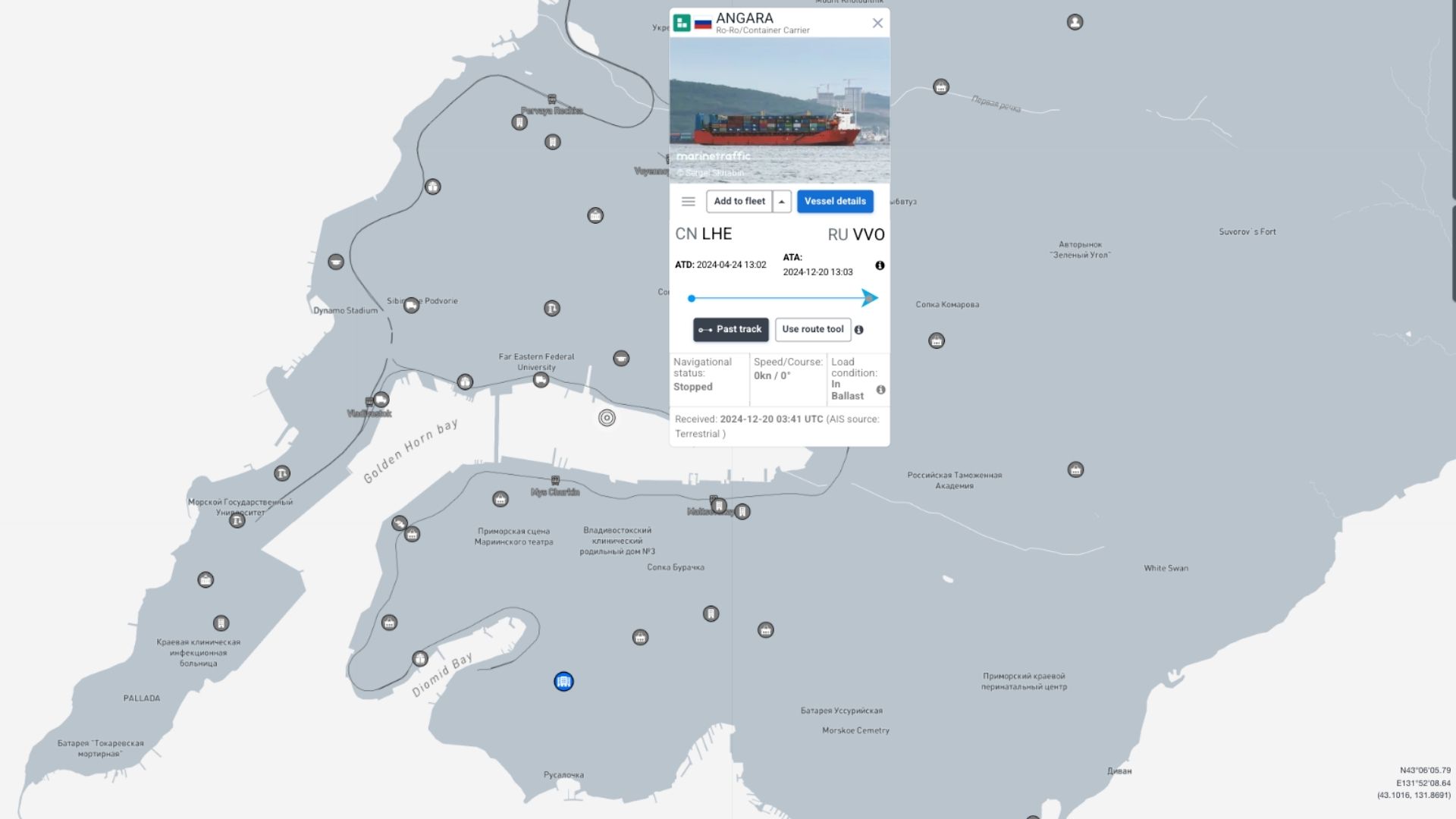
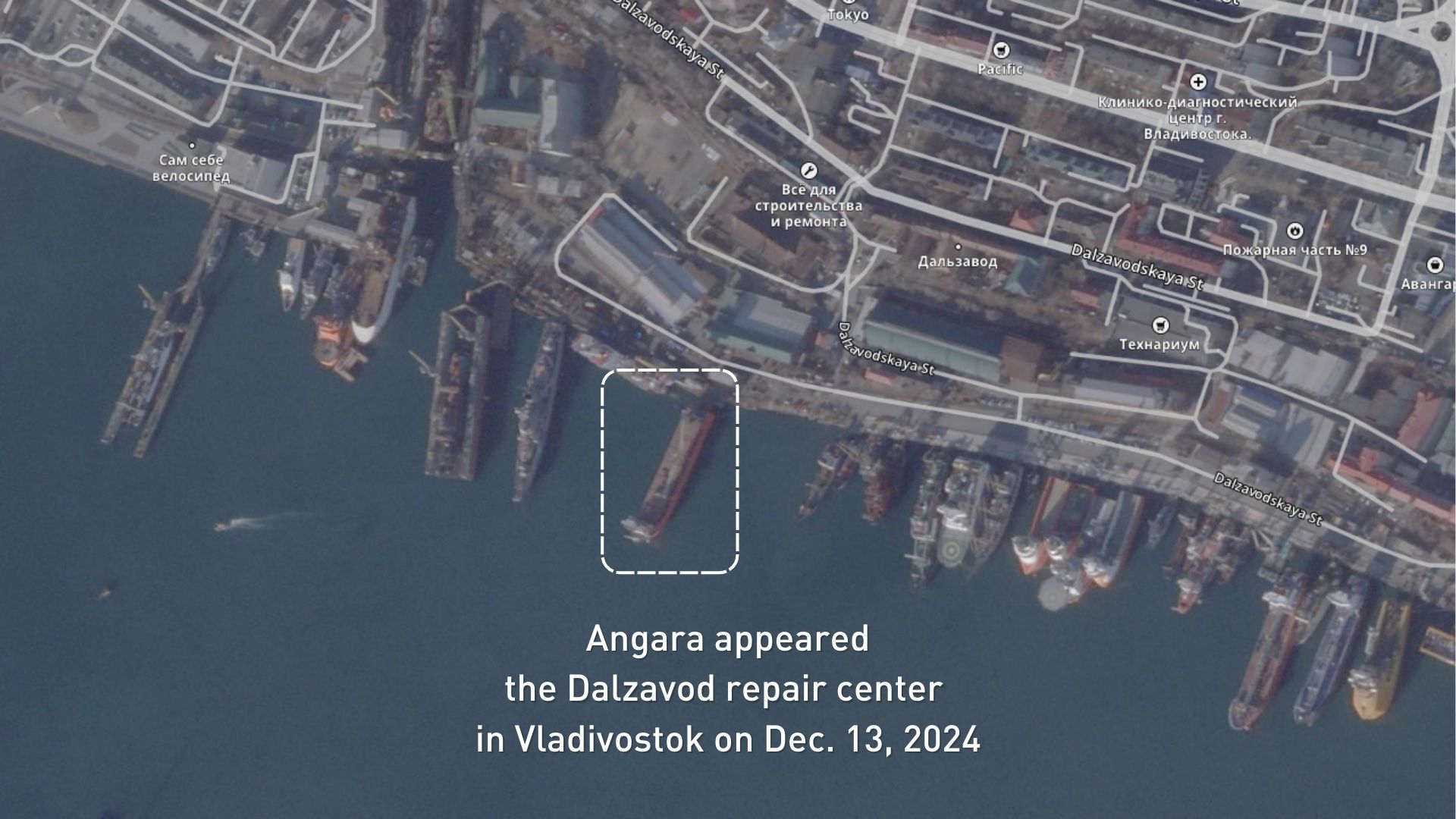
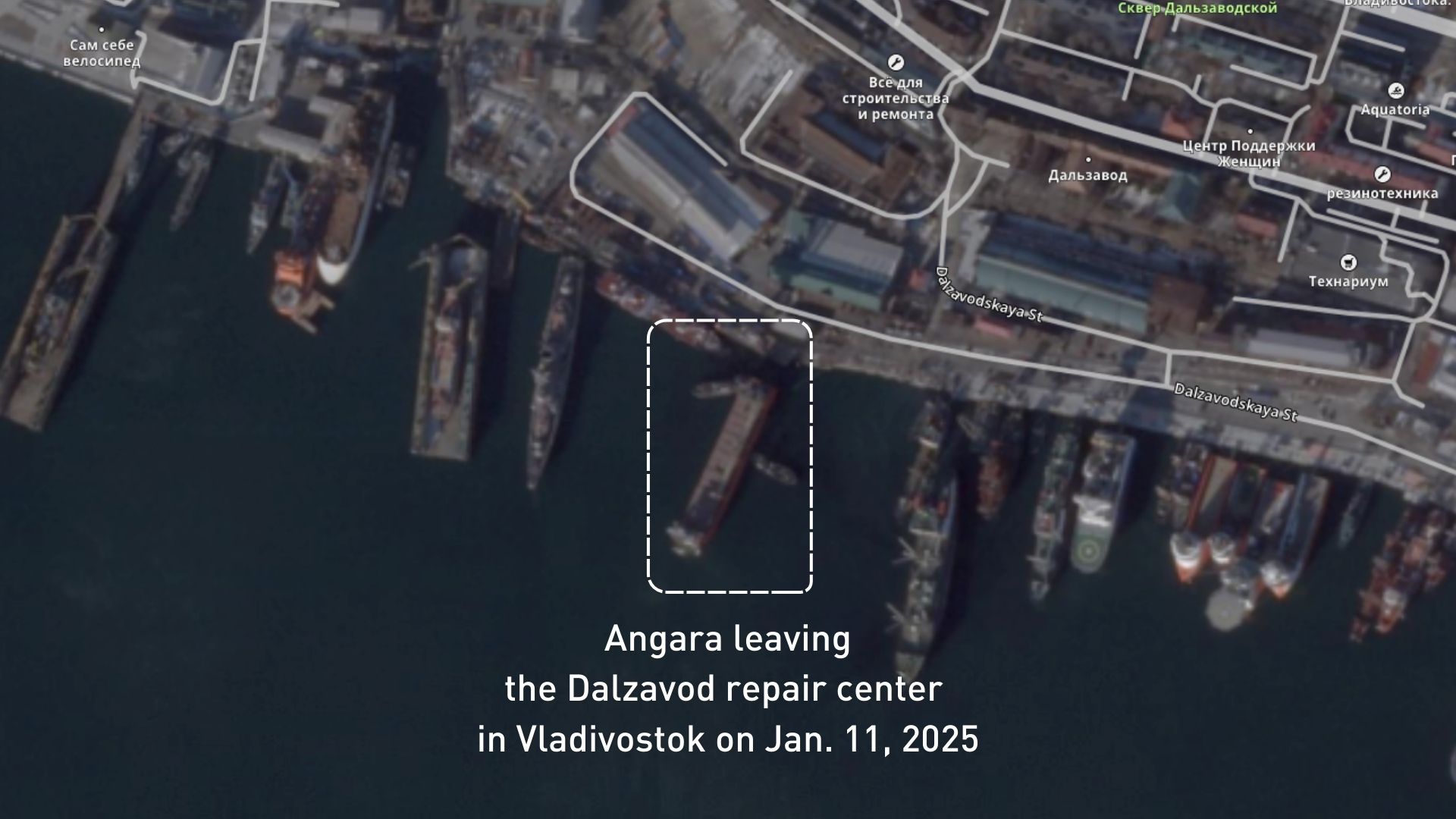
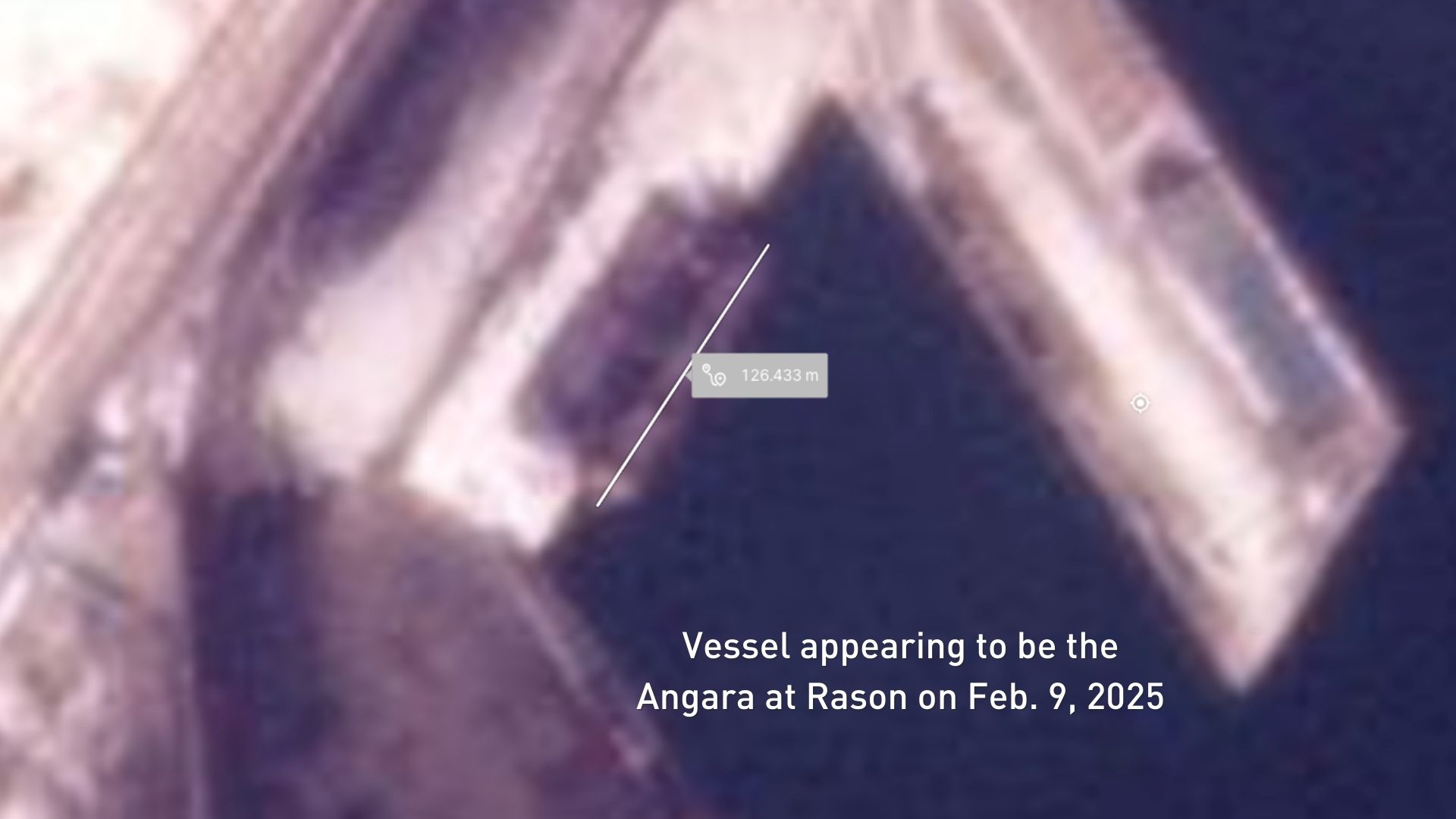
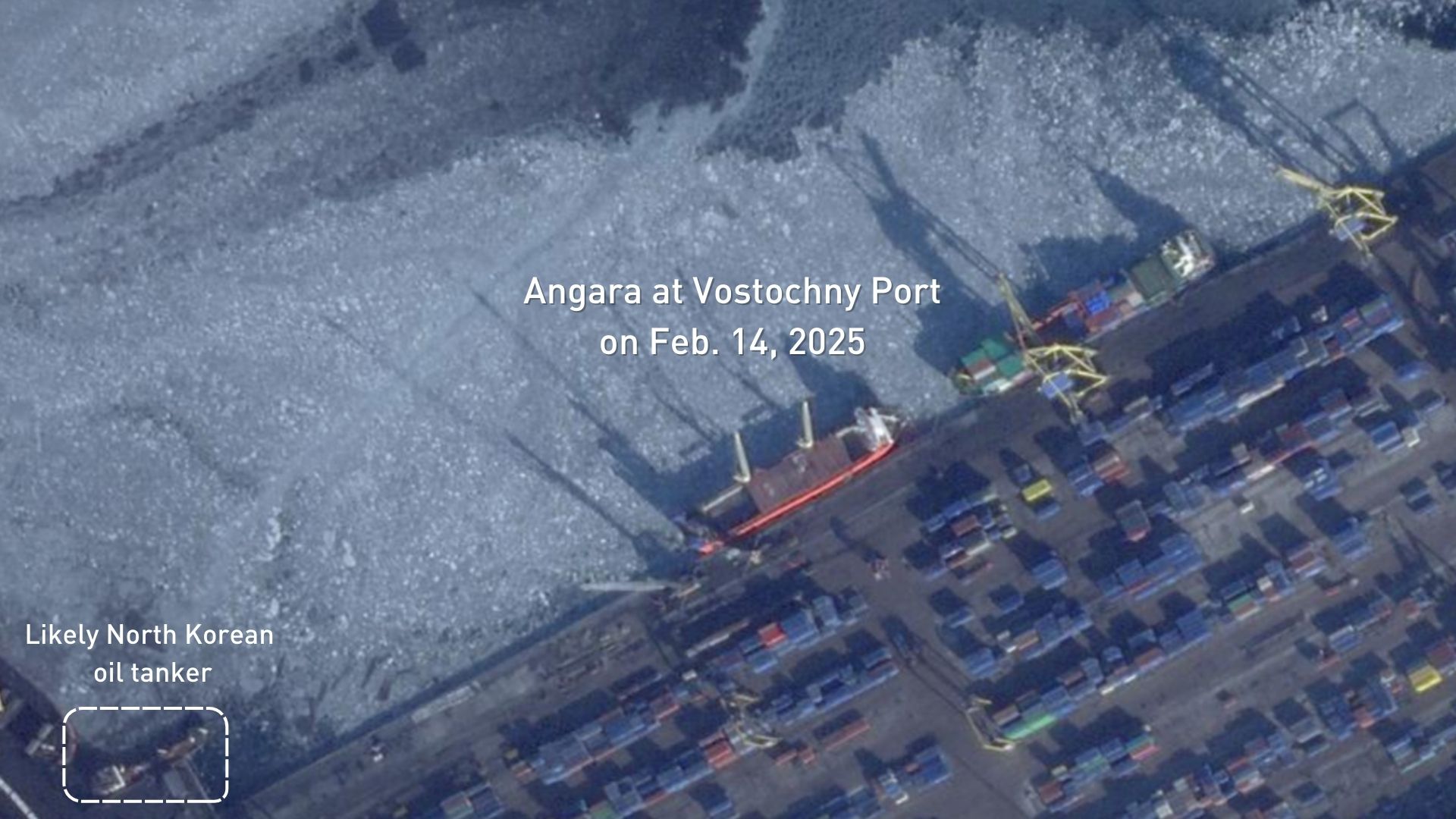
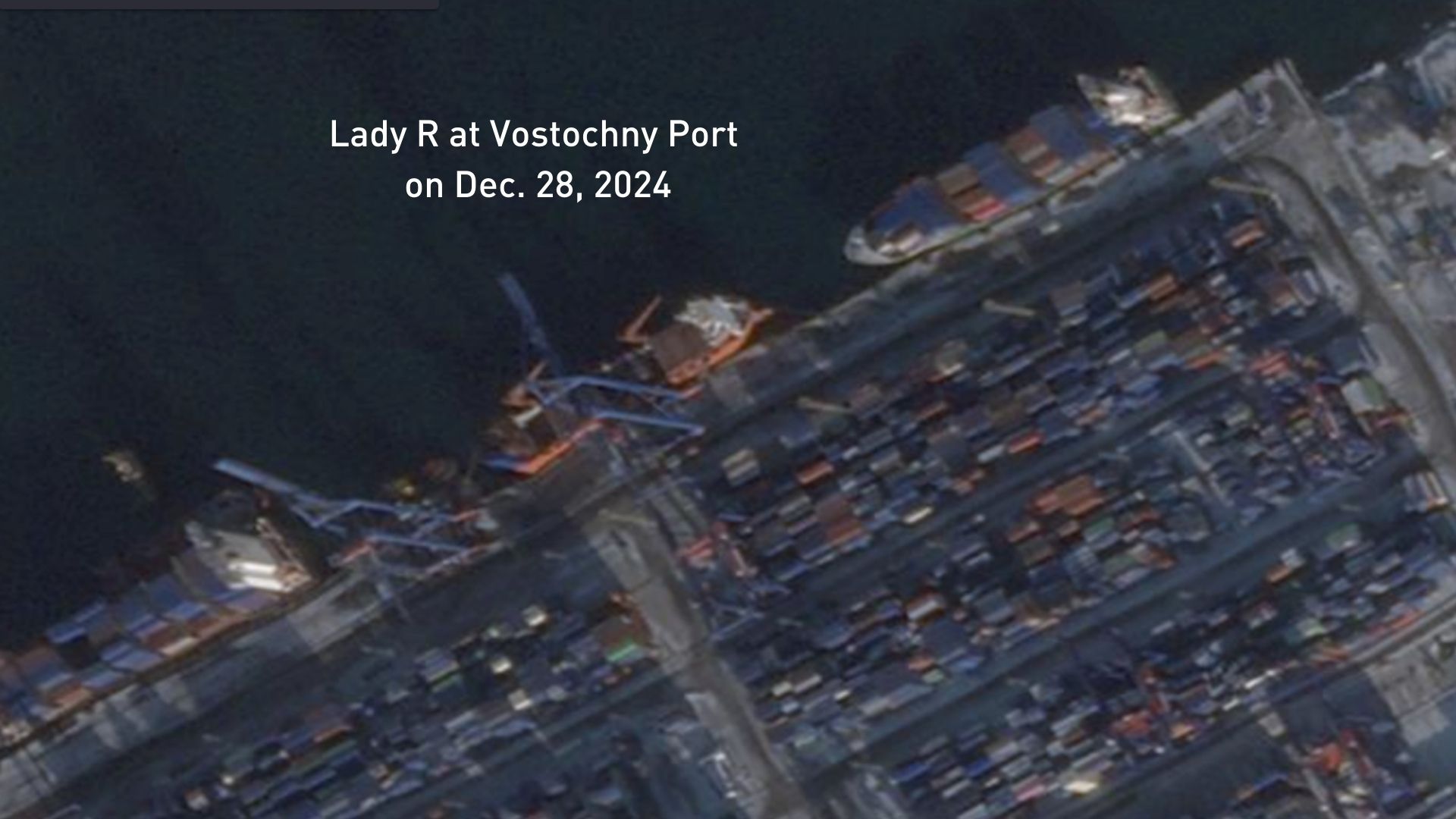
The Lady R was berthed at the same harbor in Vladivostok on Dec. 10 before sailing to loiter at sea until Dec. 15 and showing up at Vostochny Port on Dec. 17-18, likely picking up empty containers to rejoin the shipping operation. The Lady R stopped transmitting its location in Jan. 2024, according to Marine Traffic, however, NK Pro last spotted the vessel berthed in Vladivostok in August. 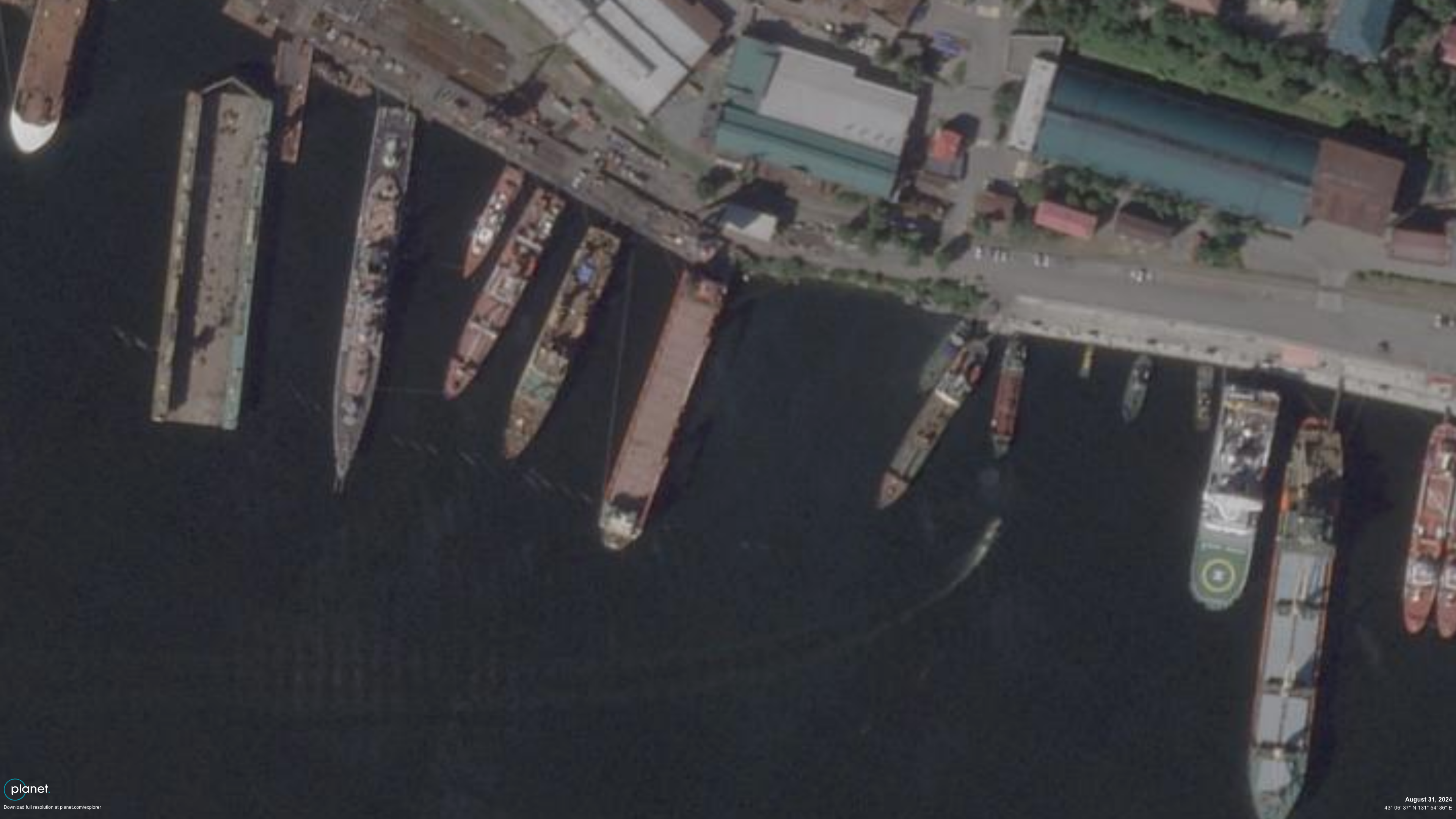
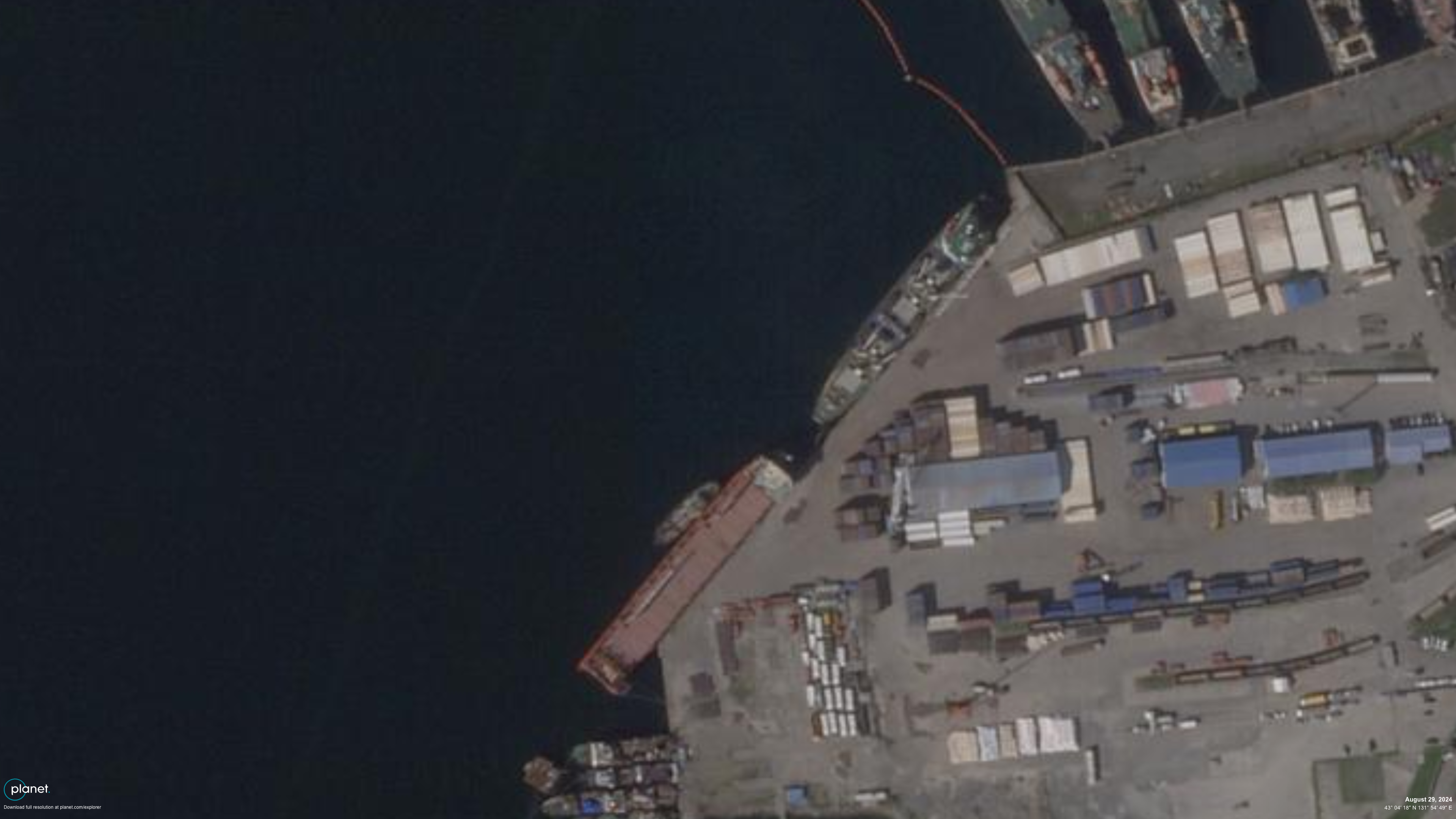
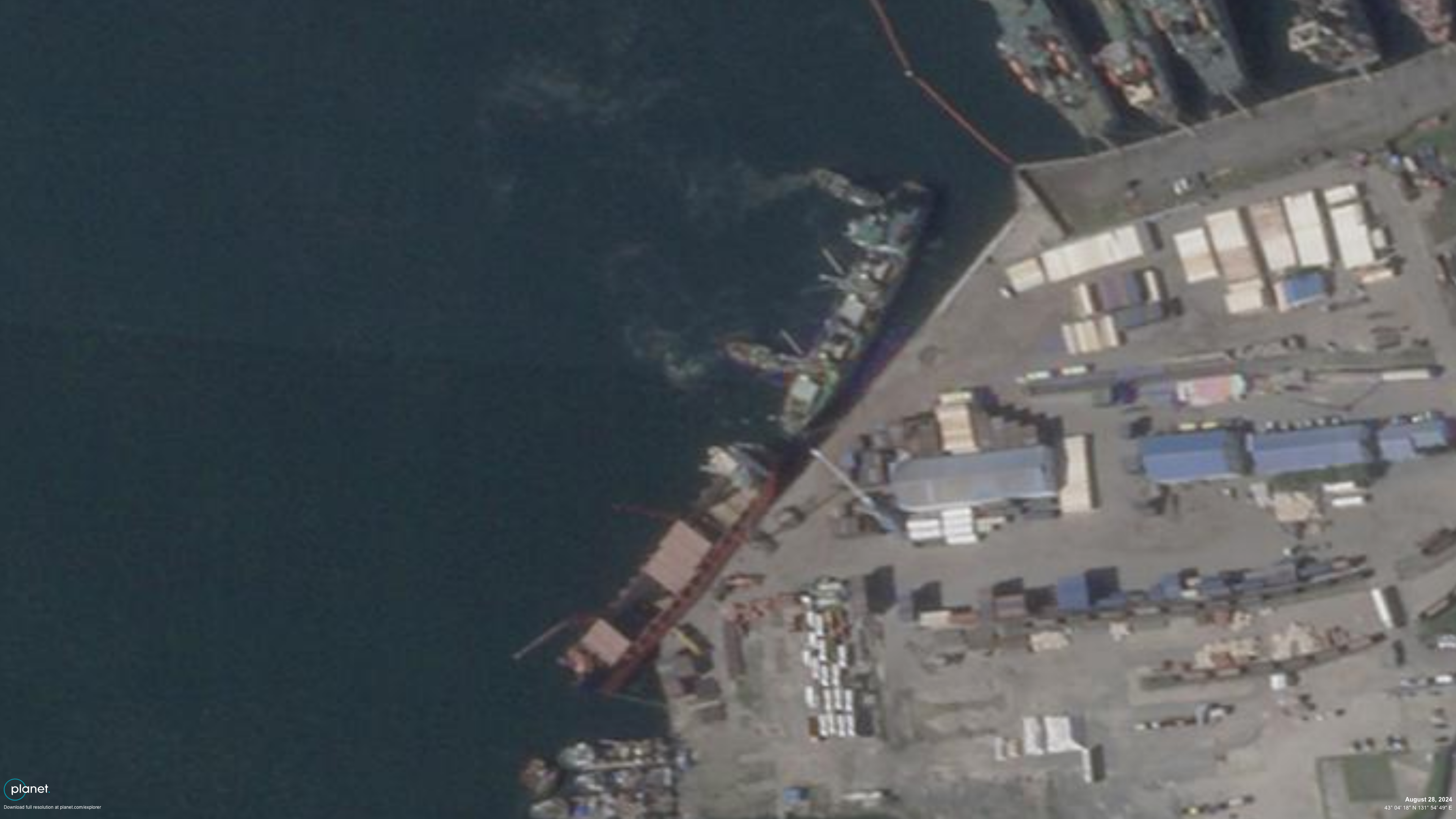
The Lady R is not the only irregular participant in the shipping operation. The 138-meter-long Maia-1 cargo vessel made its ninth and last recorded delivery to Rason more than a year ago on Feb. 12, 2024. The ship passed through the Suez Canal on Feb. 20, possibly heading to the Russian port of Ust-Luga, a home for a new liquefied gas facility, according to a report by the Open Source Centre (OSC). The Maia-1 has been relatively consistent in broadcasting its channel since April, 2024, after it stopped frequenting Rason. It visited between ports like Nakhodka and the northern port of Vanino, where it was photographed picking up or offloading an unidentified cylindrical-shaped device last July. 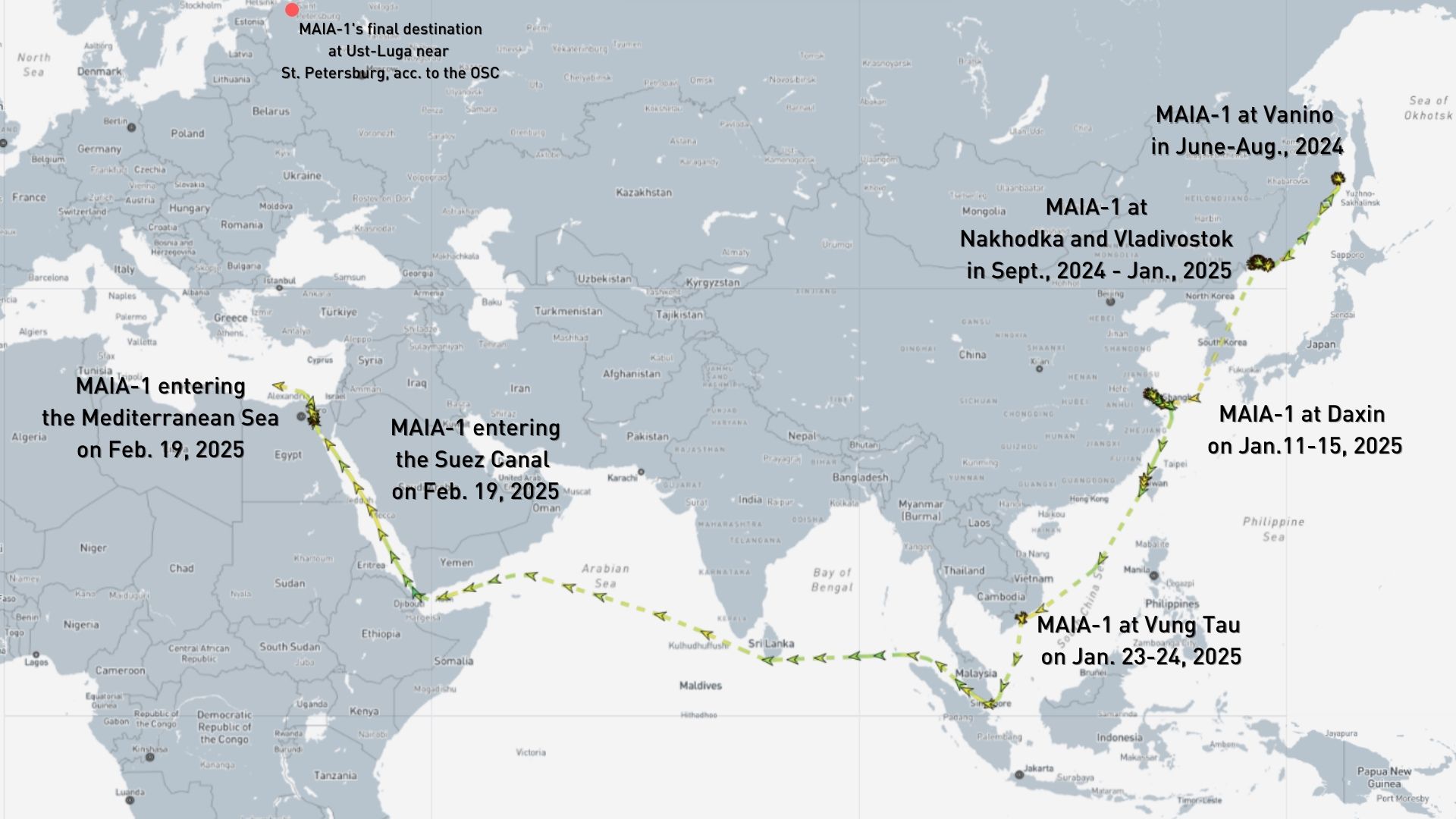
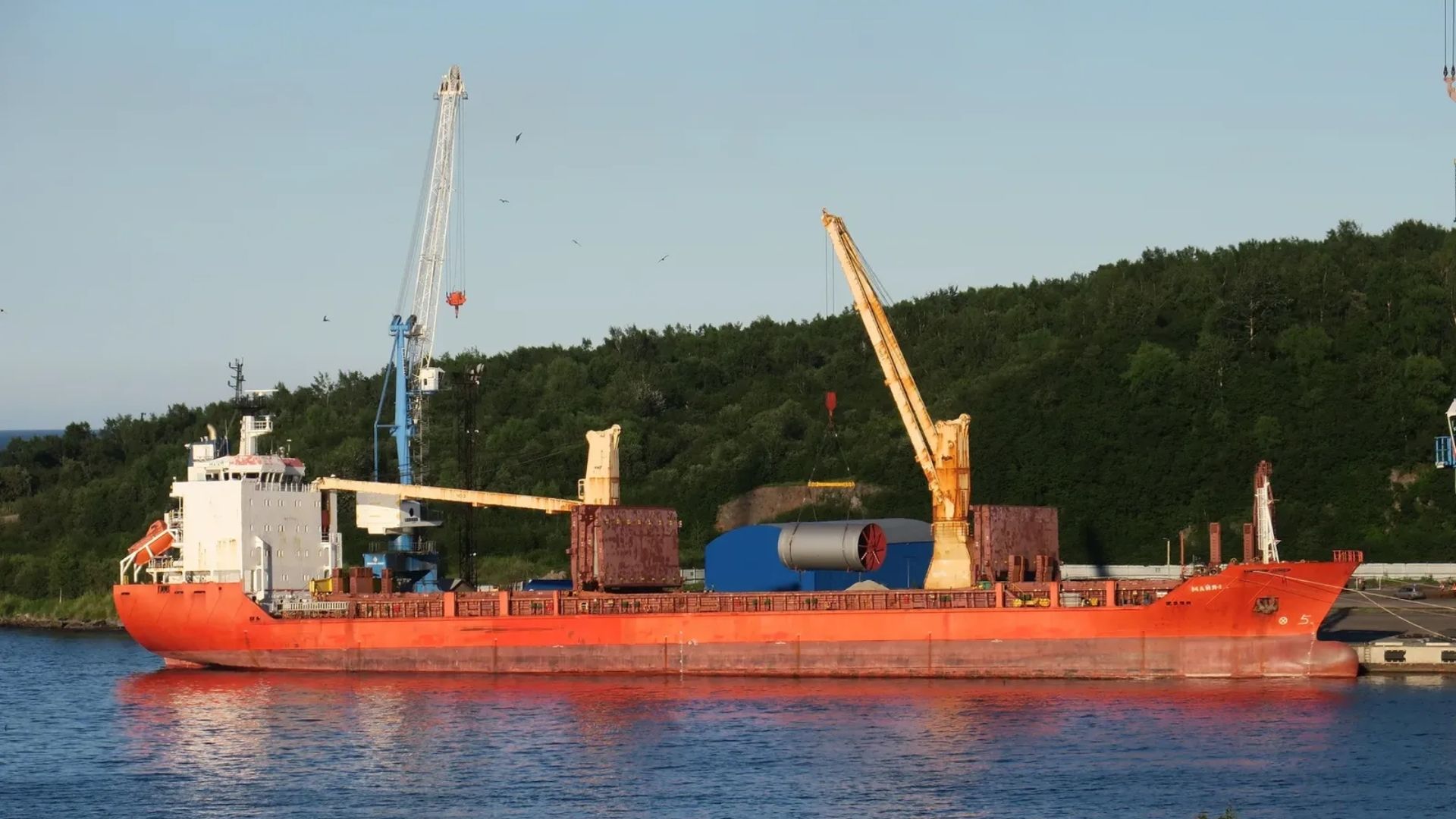
The vessel cruised outside Vladivostok in November-December and set sail toward China’s Daxin port in Zhangjiagang and then to the Vietnamese port of Vung Tau in January, according to Marine Traffic, before eventually entering the Suez Canal and reaching the Mediterranean Sea this week. Despite being heavily sanctioned, the vessel wasn’t stopped by Egyptian authorities as ships are free to sail through the canal under the Constantinople Convention treaty. Neil Watts, a former member of the U.N. Panel of Experts, explained that it is not obligatory to seize the vessel since it’s not on U.N. sanctions lists. “Egypt seized the North Korean vessel Jie Shun in 2016 before it entered the canal, so it has done so in the past,” Watts told NK Pro, suggesting that Cairo might have been under pressure to act against the Maia-1 if it had received a request from Washington. However, the OSC stressed that the Suez Canal had the right to block the Maia-1’s transit due to its lack of suitable insurance, citing the fact the vessel is not covered by members of the International Group of insurers. Edited by Alannah Hill © Korea Risk Group. All rights reserved. |

October 13, 2026Oct 13, 2026

The ultimate resources for professionals working on North Korea
 SHARE
SHARE COPY LINK
 X
X MASTODON