  Investigations North Korean arms trade with Russia appears to chill down in JanuaryOnly one suspected Russian ship visited DPRK’s Rason to pick up cargo, possibly due to ice at a Far East port  North Korea has seen a slowdown in suspected arms-shipping operations at its northeastern port of Rason this month, NK Pro analysis of satellite imagery shows, with Russian smuggling vessels conducting only a single container pickup. A ship berthed at a pier linked to a DPRK arms exports for the war in Ukraine on Jan. 14, after offloading reportedly empty containers at an adjacent berth the previous day, according to Planet Labs imagery. NK Pro analysis of the ship’s hull parameters suggest it was likely one of two sanctioned Russian vessels that have played a key role in the weapons trade — the Angara or the Lady R. 


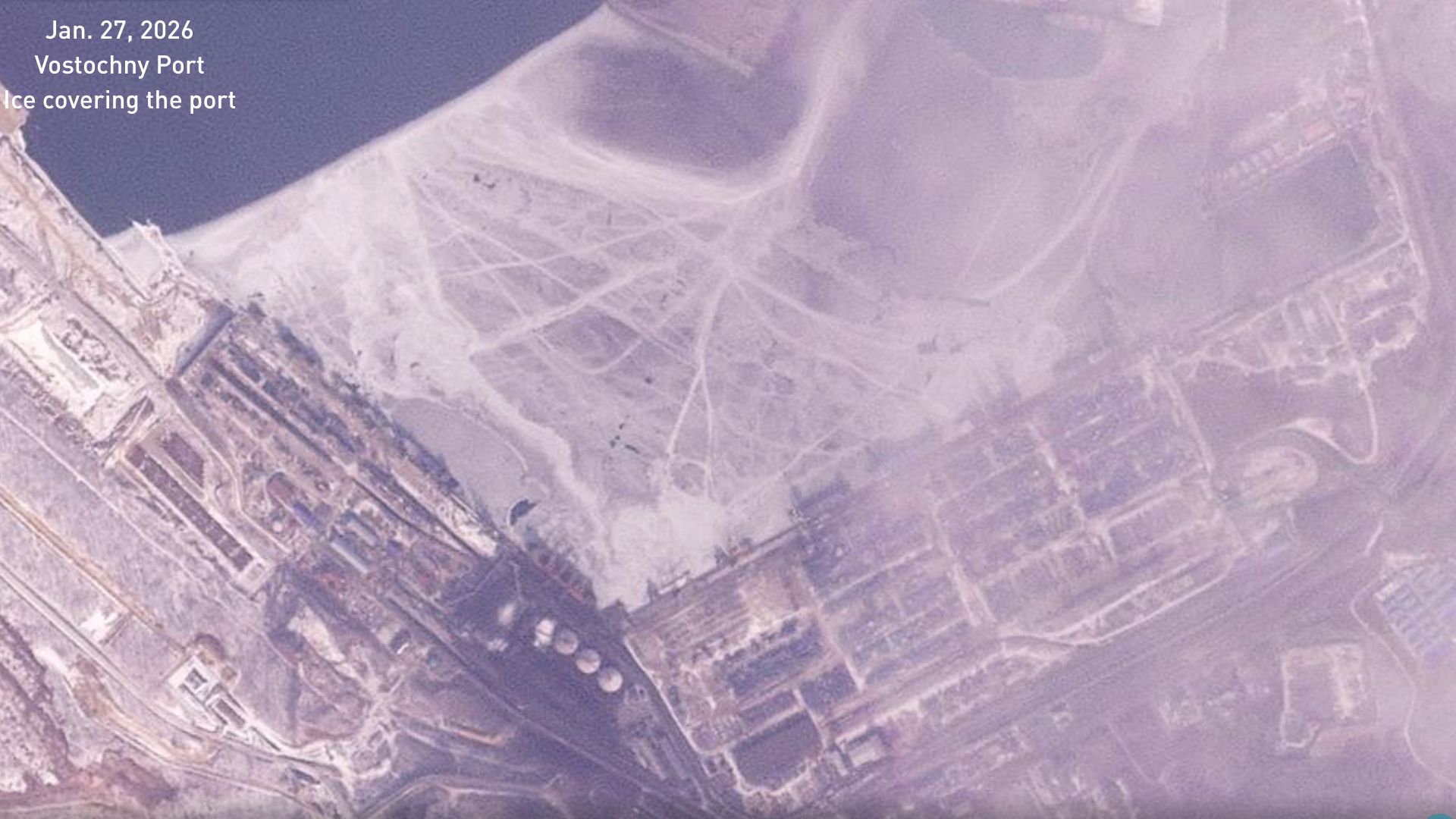
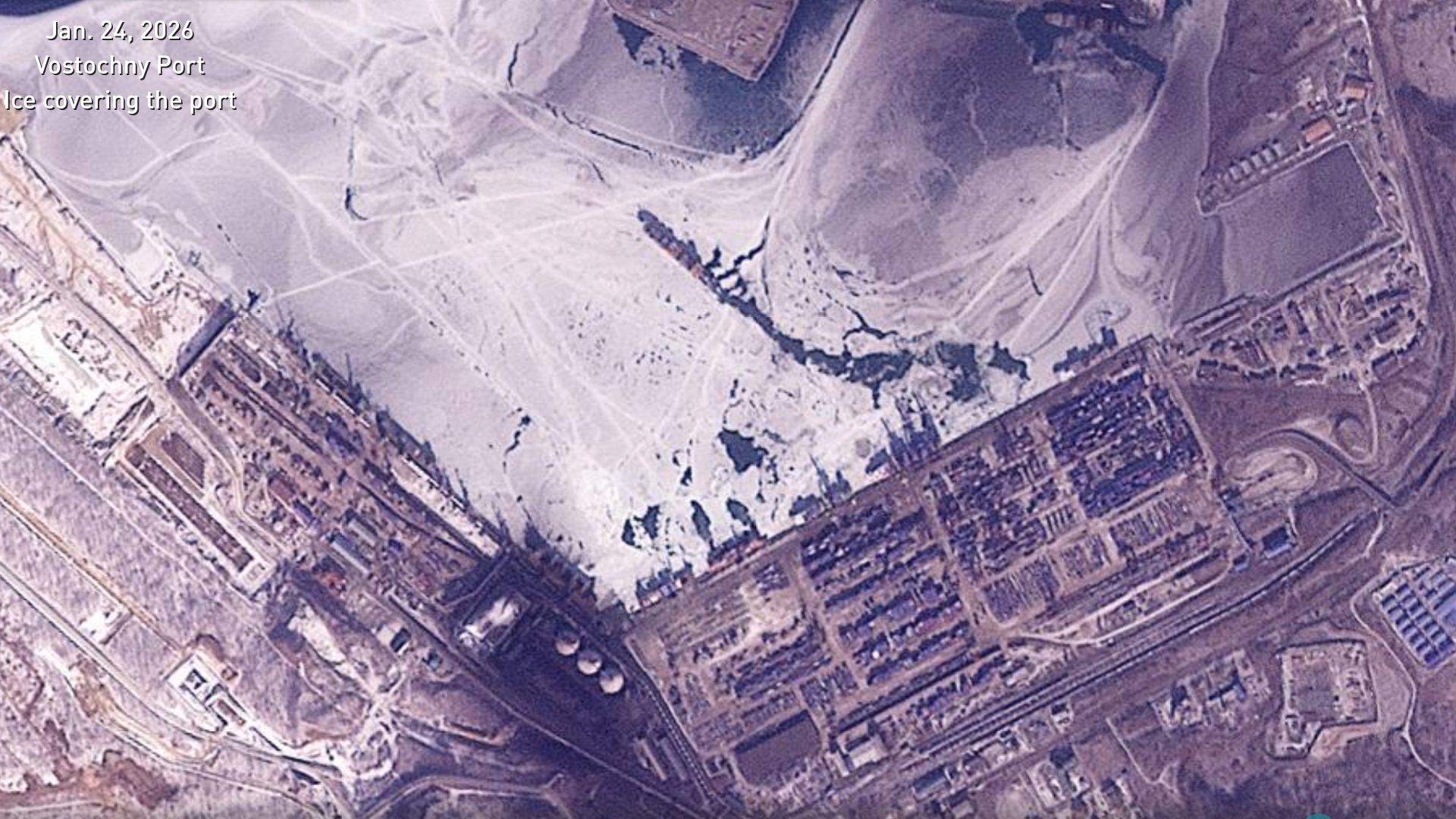
The latest port call marks the first known visit by a suspected Russian ship since Dec. 21. Containers subsequently began piling up on the pier again from Dec. 27-31, in advance of the next ship’s arrival two weeks later. Russian ships made at least three visits to Rason each month from October to December, and it’s possible that cold weather contributed to the slowdown in January. Visits similarly dropped to just one in Jan. 2025. Ships typically transport cargo from Rason to Russia’s Far East port of Vostochny, whose harbor had limited ice in early January but had largely frozen over by Jan. 24. The ice may have posed navigation risks for smaller vessels, though satellite imagery shows limited activity by larger ships. Freezing temperatures and the heaviest snowfall in 20 years also affected other Russian port cities like Vladivostok and Nakhodka, though Rason itself remained ice-free. 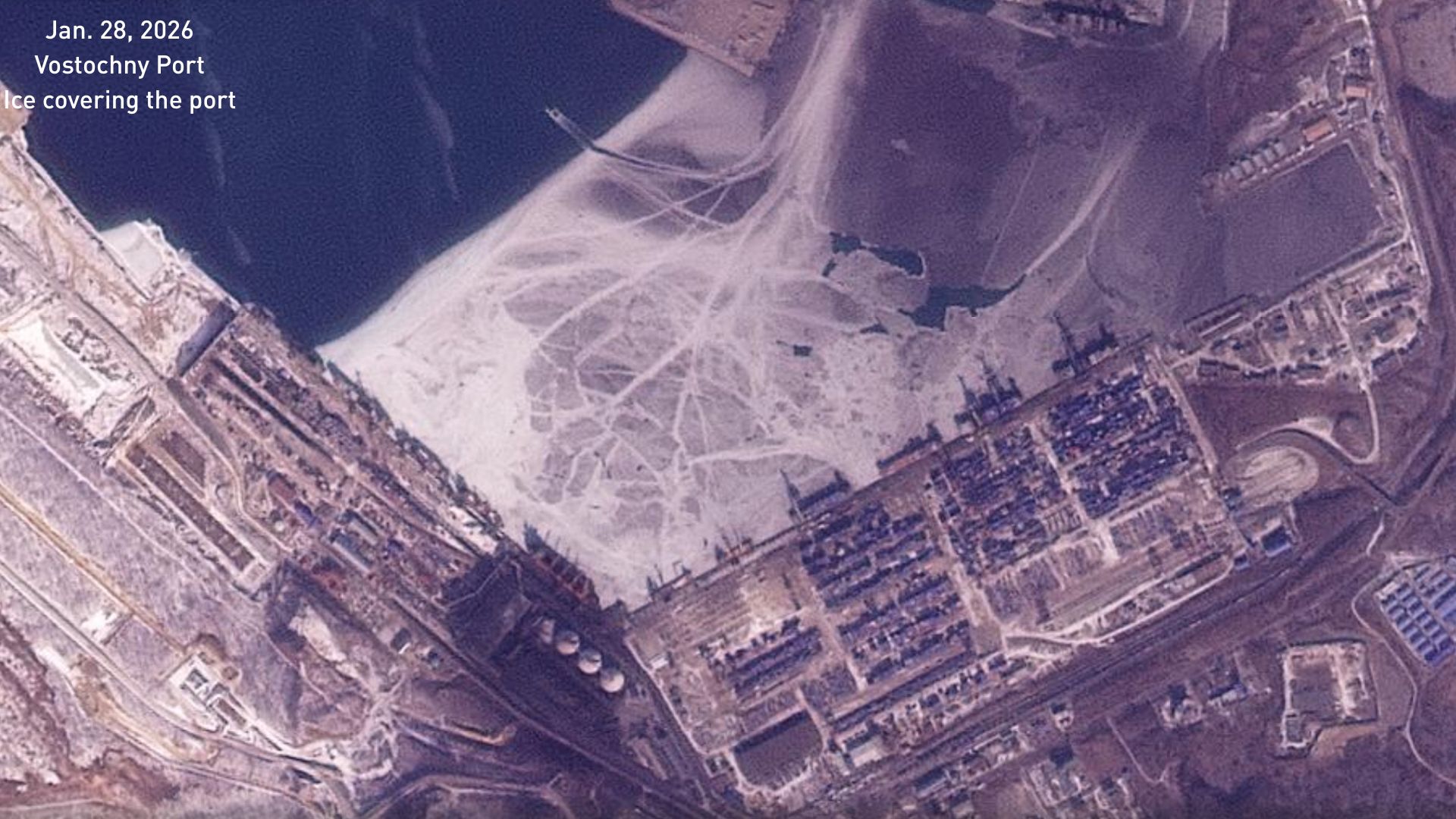
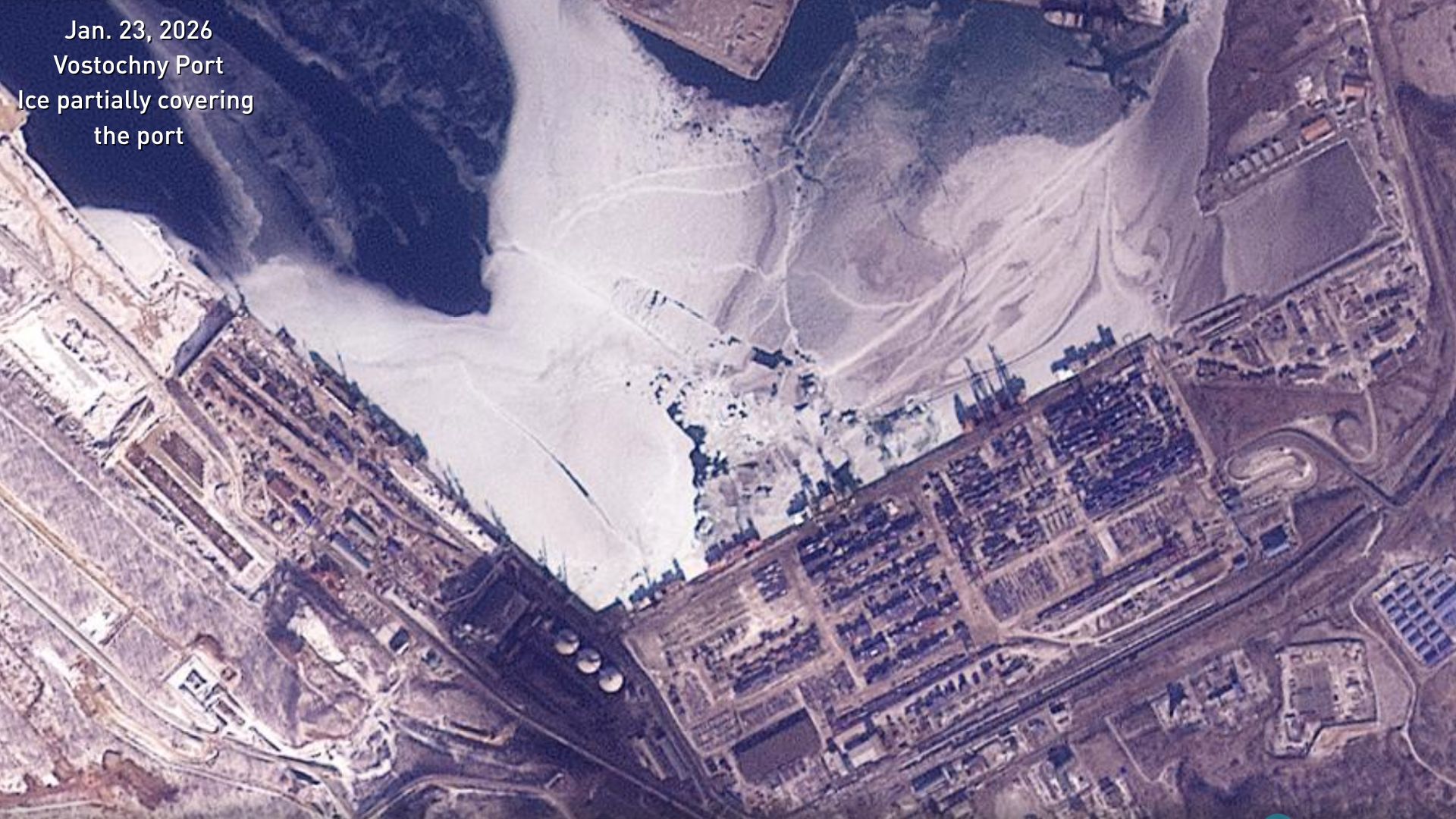
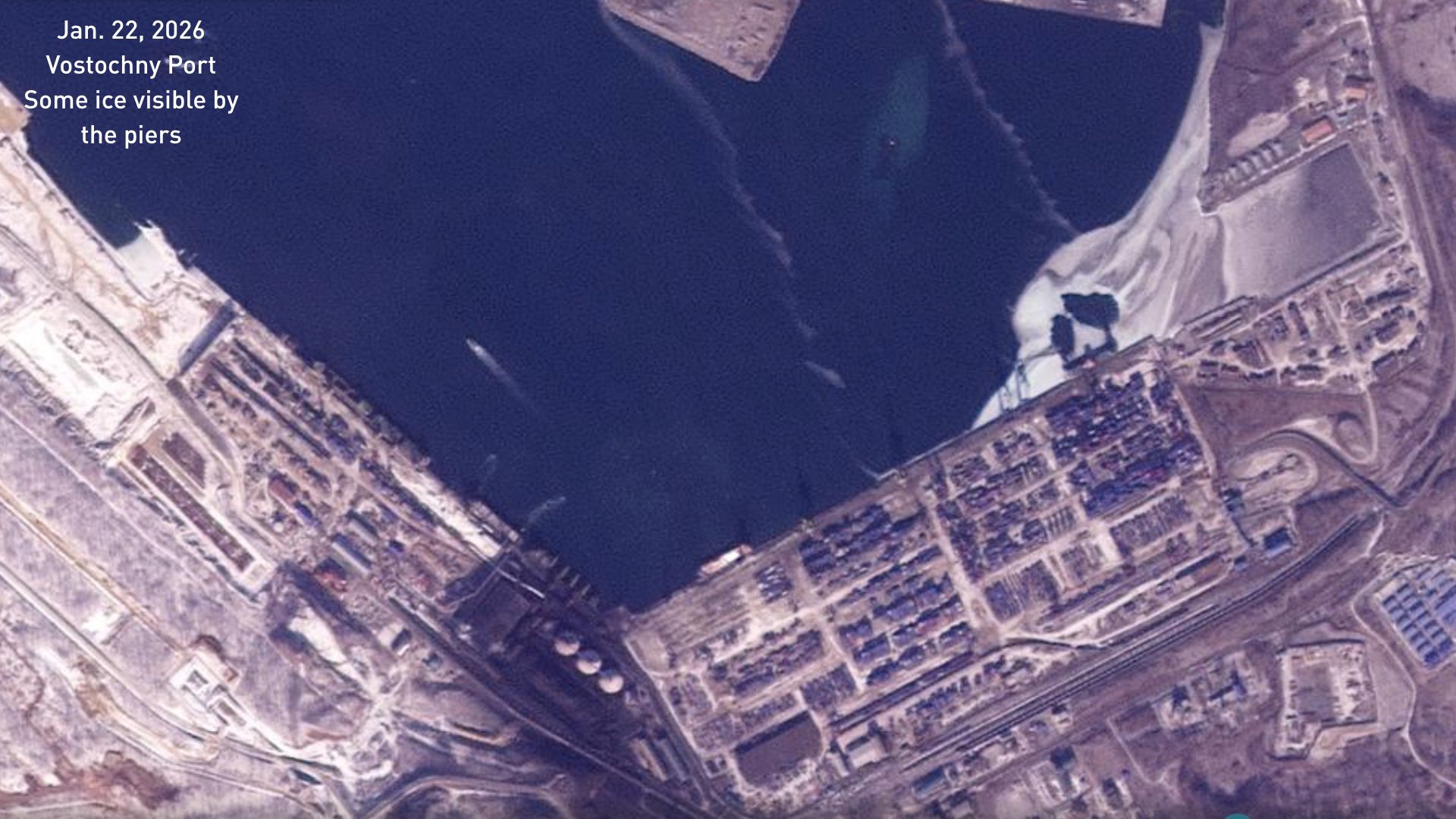
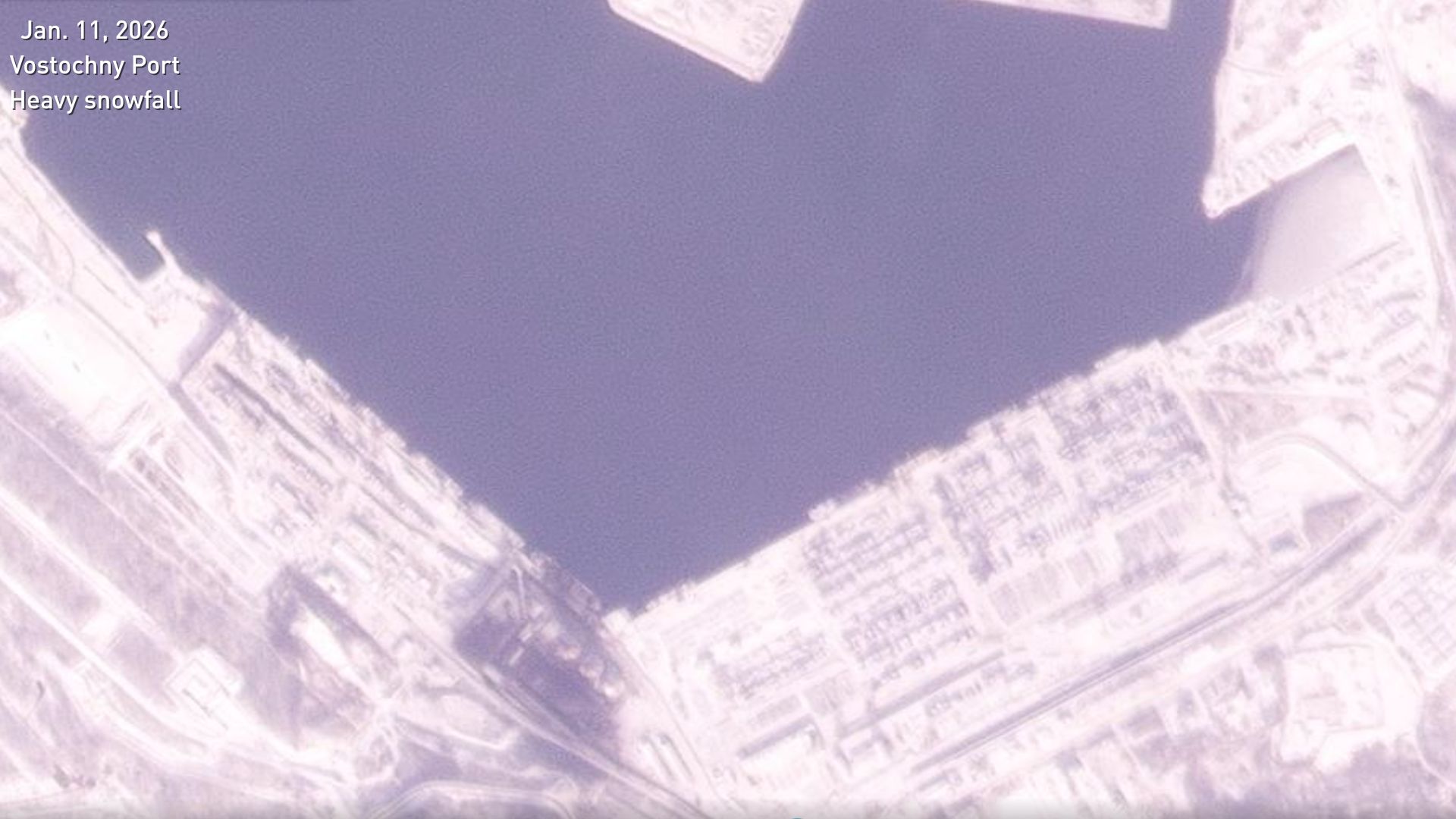
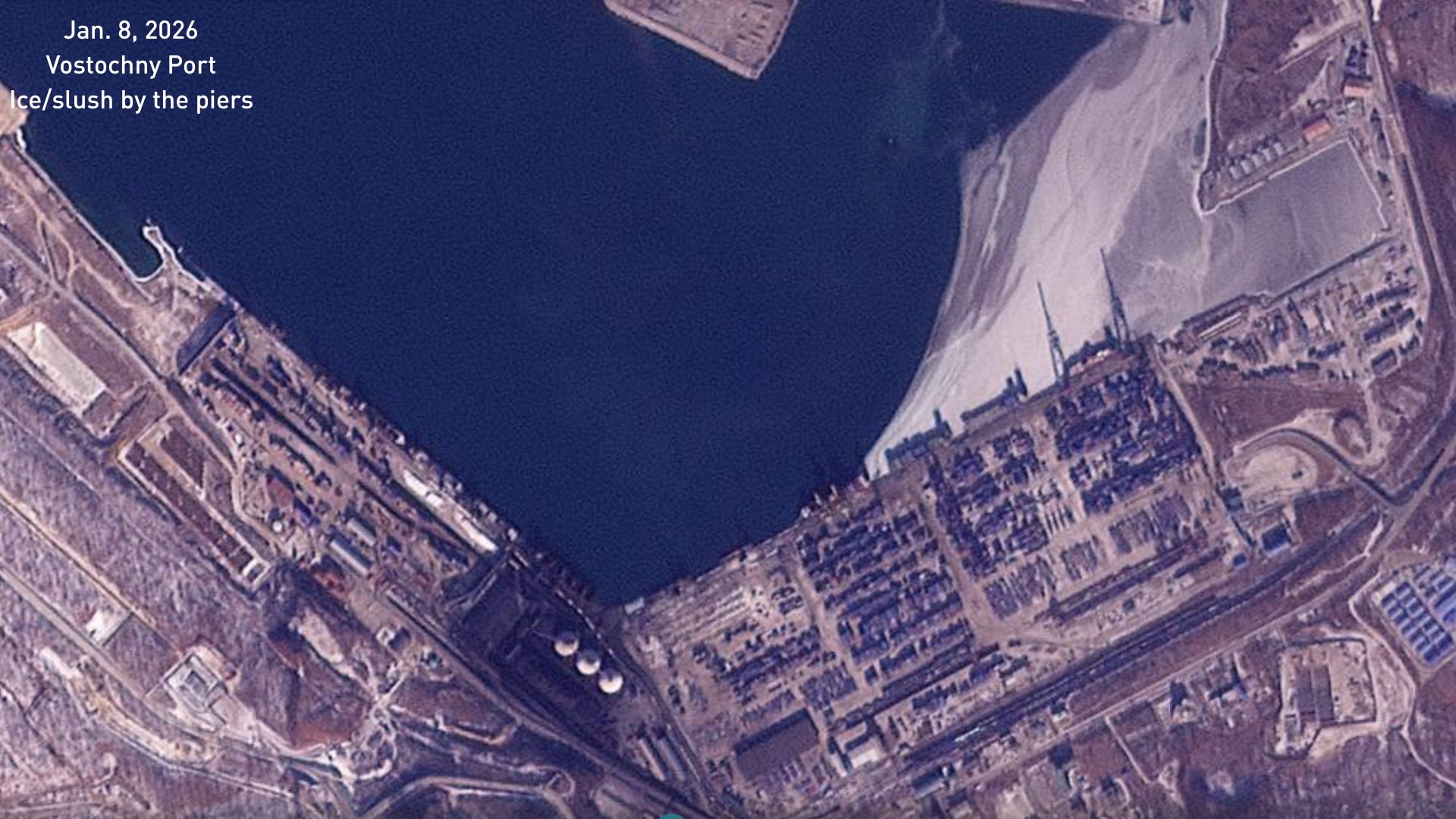
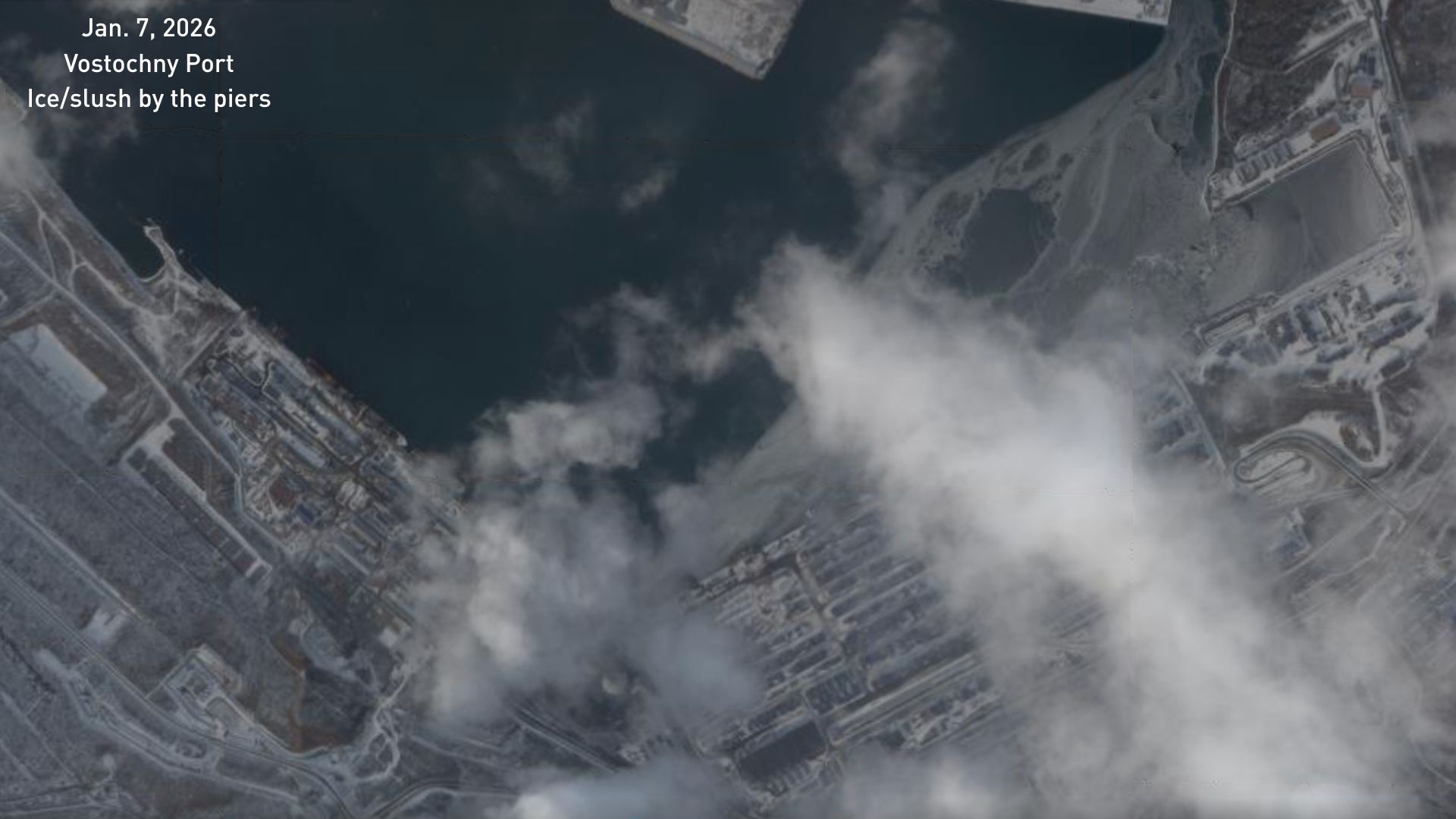
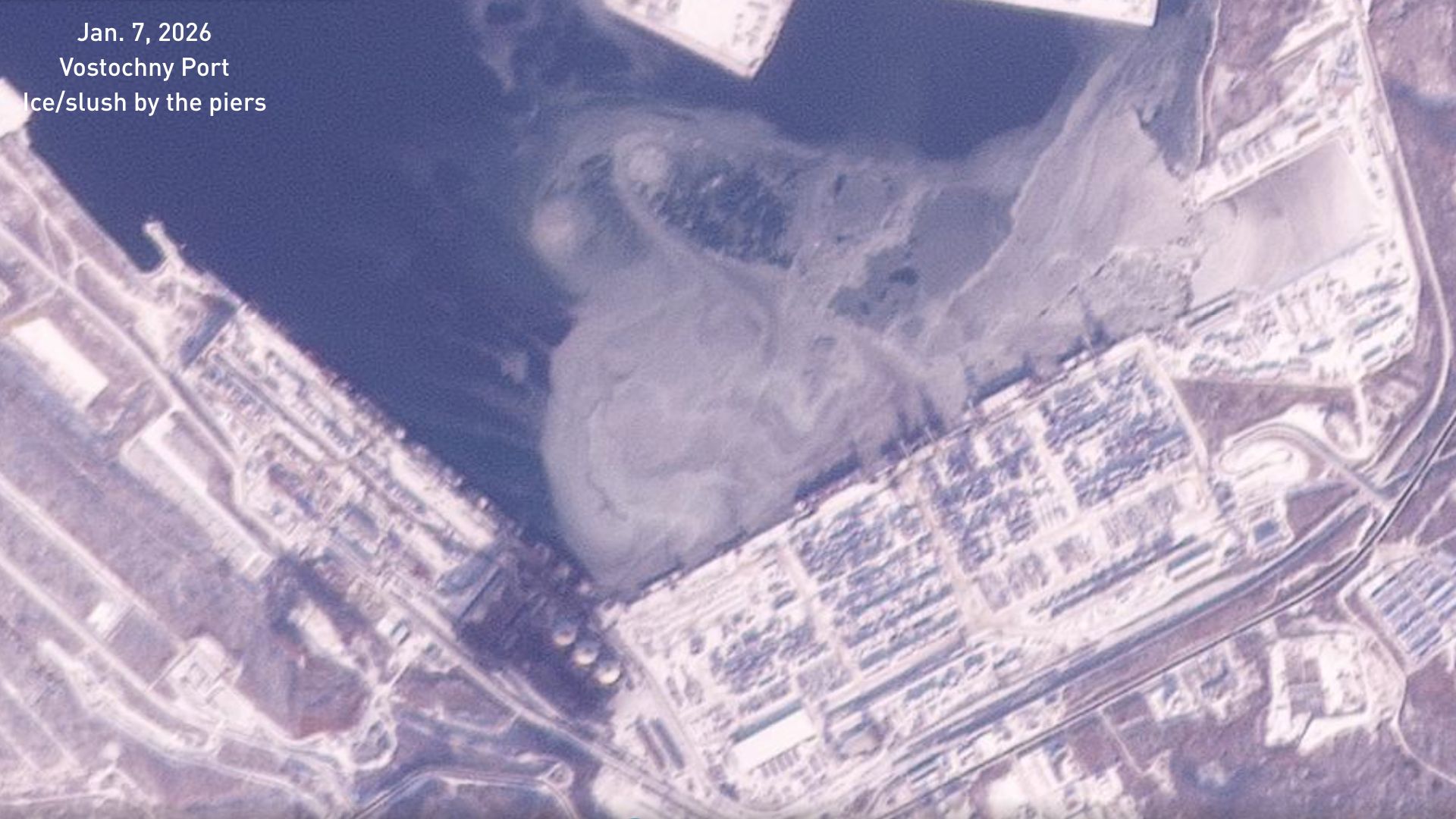
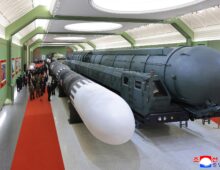
Beyond possible logistical restraints, the smuggling scheme may have been affected by North Korea’s domestic politics and ongoing U.S.-Russia-Ukraine peace talks, though Moscow has not halted its offensive and has targeted Ukraine’s energy infrastructure amid sub-zero temperatures. North Korea is preparing to hold the Ninth Congress of the Workers’ Party of Korea (WPK), likely in the first half of February, and it’s possible that Pyongyang has paused Rason operations pending discussions about the country’s military and foreign policy directions at the congress. Estimates for North Korean munitions shipments to Russia since 2023 range from around 6.5 million to over 8 million artillery rounds, reportedly satisfying up to half of Moscow’s needs. These deliveries have included nearly 250 KN-23 missiles, long-range Koksan artillery, 240mm and 107mm MLRS, 60mm and 140mm mortars, cluster munitions and 100mm shells for T-54/55 tanks, among others. The Ukrainian military last reported a ballistic missile attack using a KN-23 or Russia’s Iskander-M on Dec. 13, with no recent updates on the use of this North Korean capability. Russia has prolifically used KN-23 missiles, including newer models produced in 2024, in attacks on cities like Kyiv and Kharkiv over the past years, leading to reported improvements in the missile’s accuracy and reliability. Edited by Bryan Betts © Korea Risk Group. All rights reserved. |

October 17, 2026Oct 17, 2026

The ultimate resources for professionals working on North Korea
 SHARE
SHARE COPY LINK
 X
X MASTODON