  Investigations North Korea dismantling large prison on east coast ahead of possible renovation‘Kyohwaso No. 9’ in Hamhung is fourth major prison camp to see demolition or construction in last year 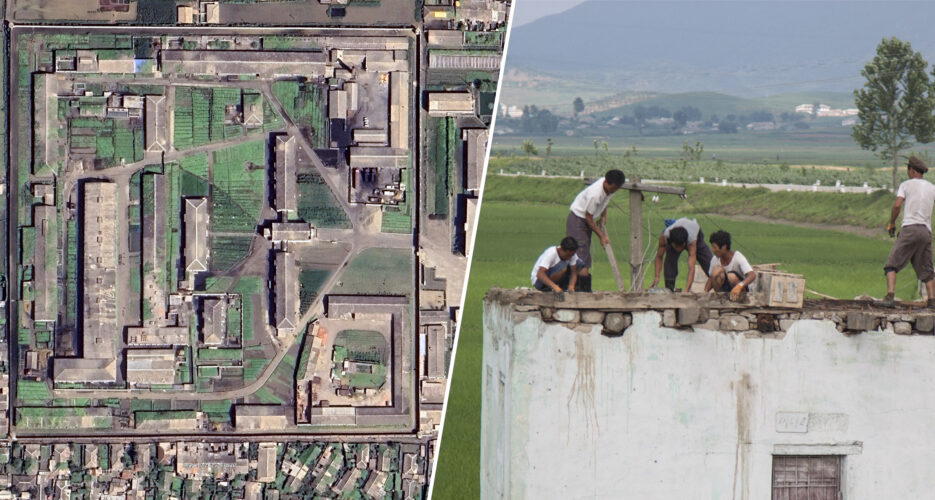 North Korea has started dismantling a large prison in the east coast city of Hamhung, NK Pro analysis of satellite imagery has found, possibly ahead of renovation after similar projects at three other prisons in the last year. Planet Labs imagery shows about a dozen buildings have been demolished inside the walls of the prison in northern Hamhung known as “Kyohwaso No. 9” since mid-February. The kyohwaso facility can hold around 2,000 male prisoners, according to a 2016 book published by the Database Center for North Korean Human Rights (NKDB). Defectors told NKDB the prisoners held at Kyohwaso No. 9 had committed crimes ranging from petty theft to violent acts and even “illegally” leaving the country. This is considered a political crime by authorities that threatens their grip on power and ideological control of the population. Former prisoners of the Hamhung prison also spoke of hunger, forced labor, violent abuse by guards and almost a hundred inmates dying per month due to poor conditions, according to NKDB. The U.N. Human Rights Council’s landmark 2014 Commission of Inquiry (COI) report on DPRK human rights referred to kyohwaso facilities as “ordinary prison camps,” and included similar testimony of frequent deaths and abusive conditions at the Hamhung prison. 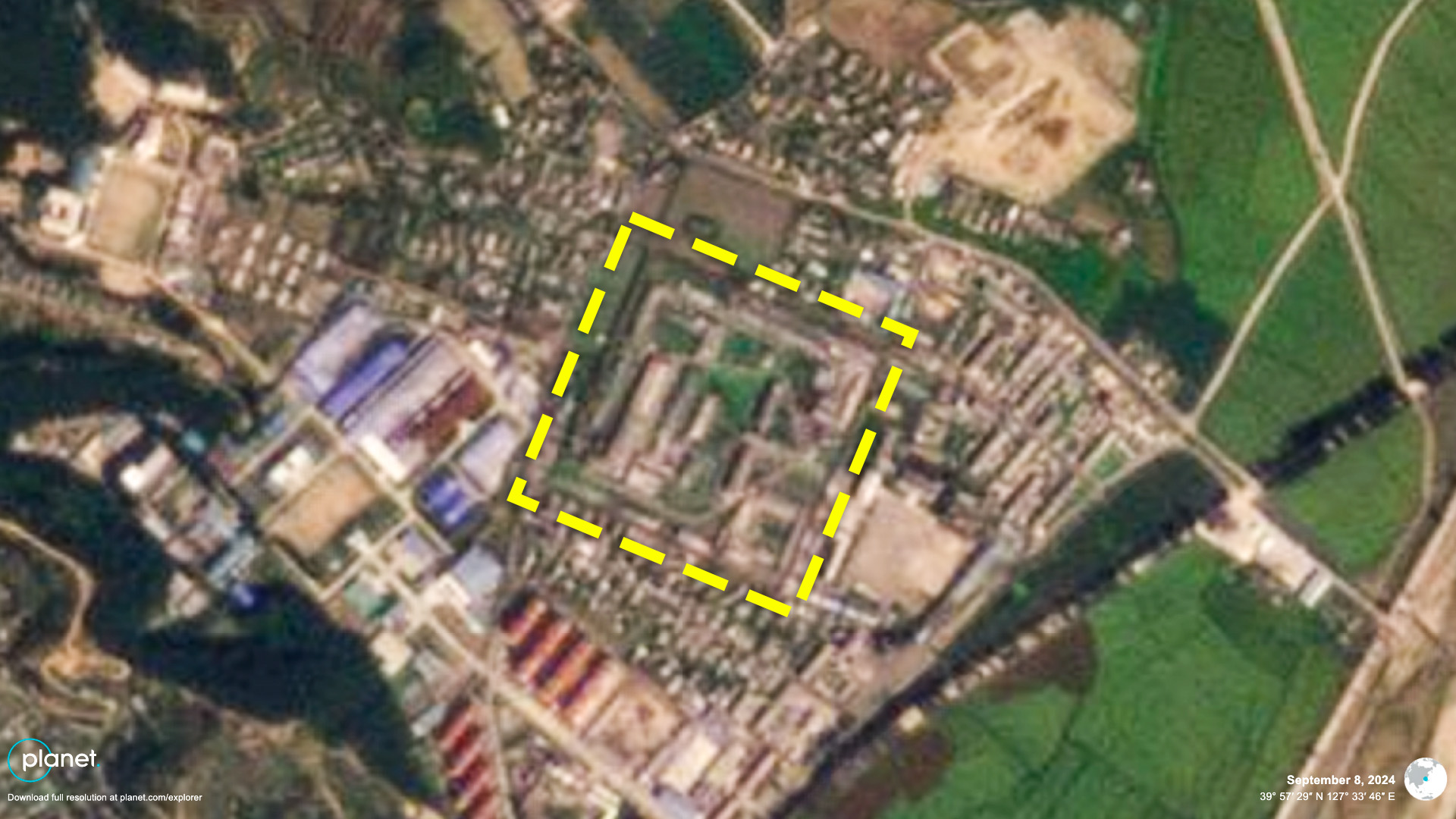
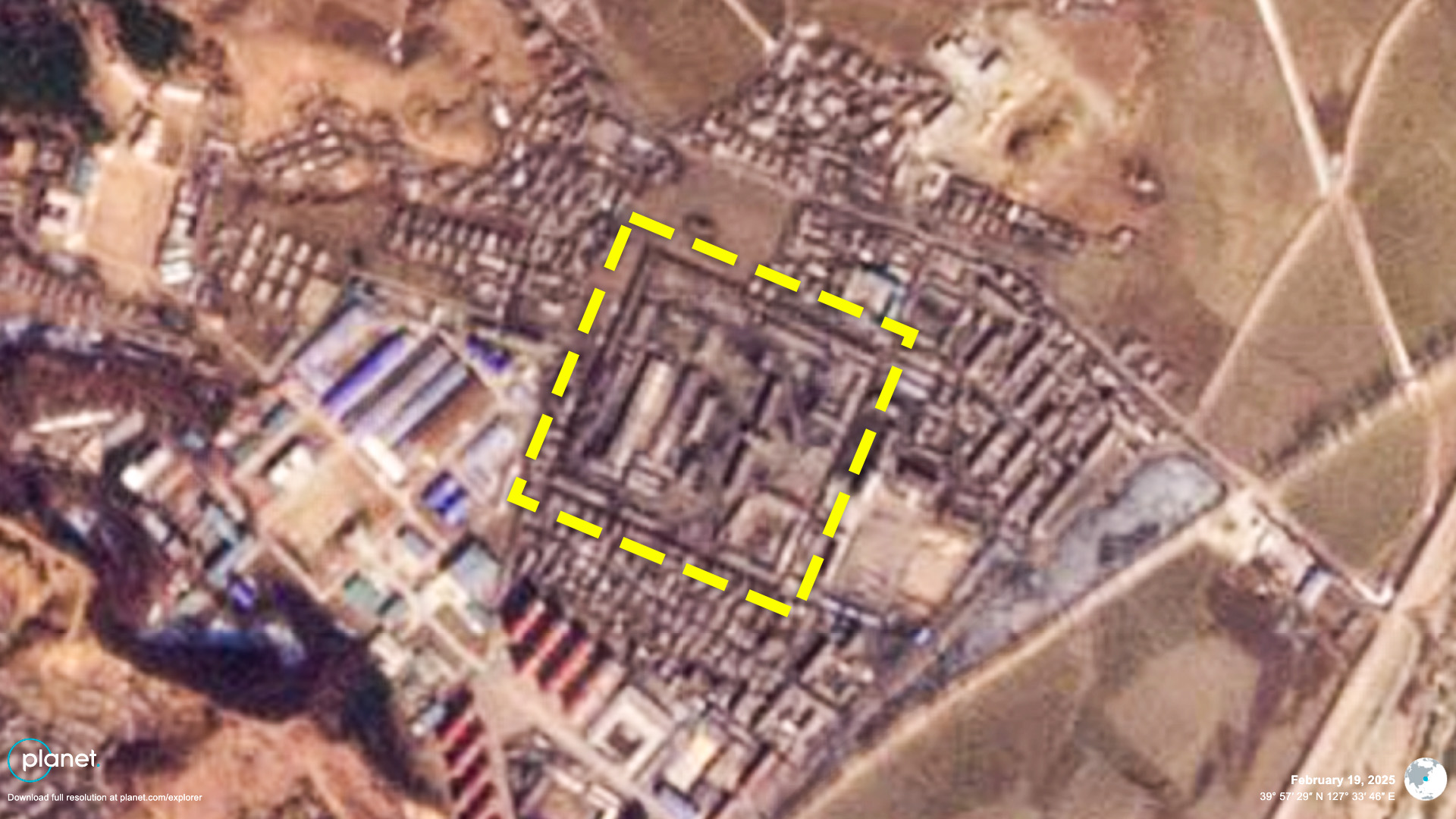
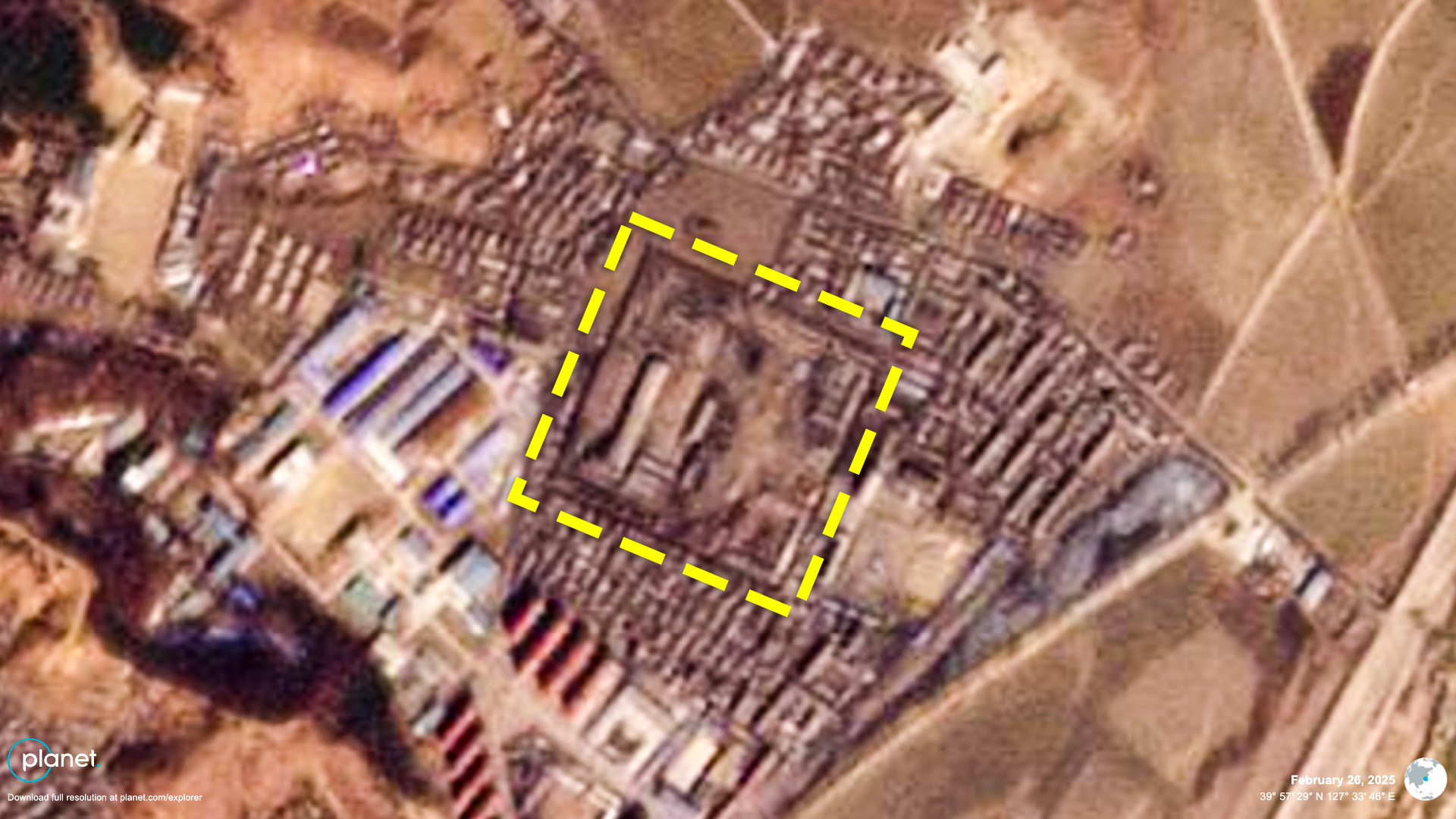
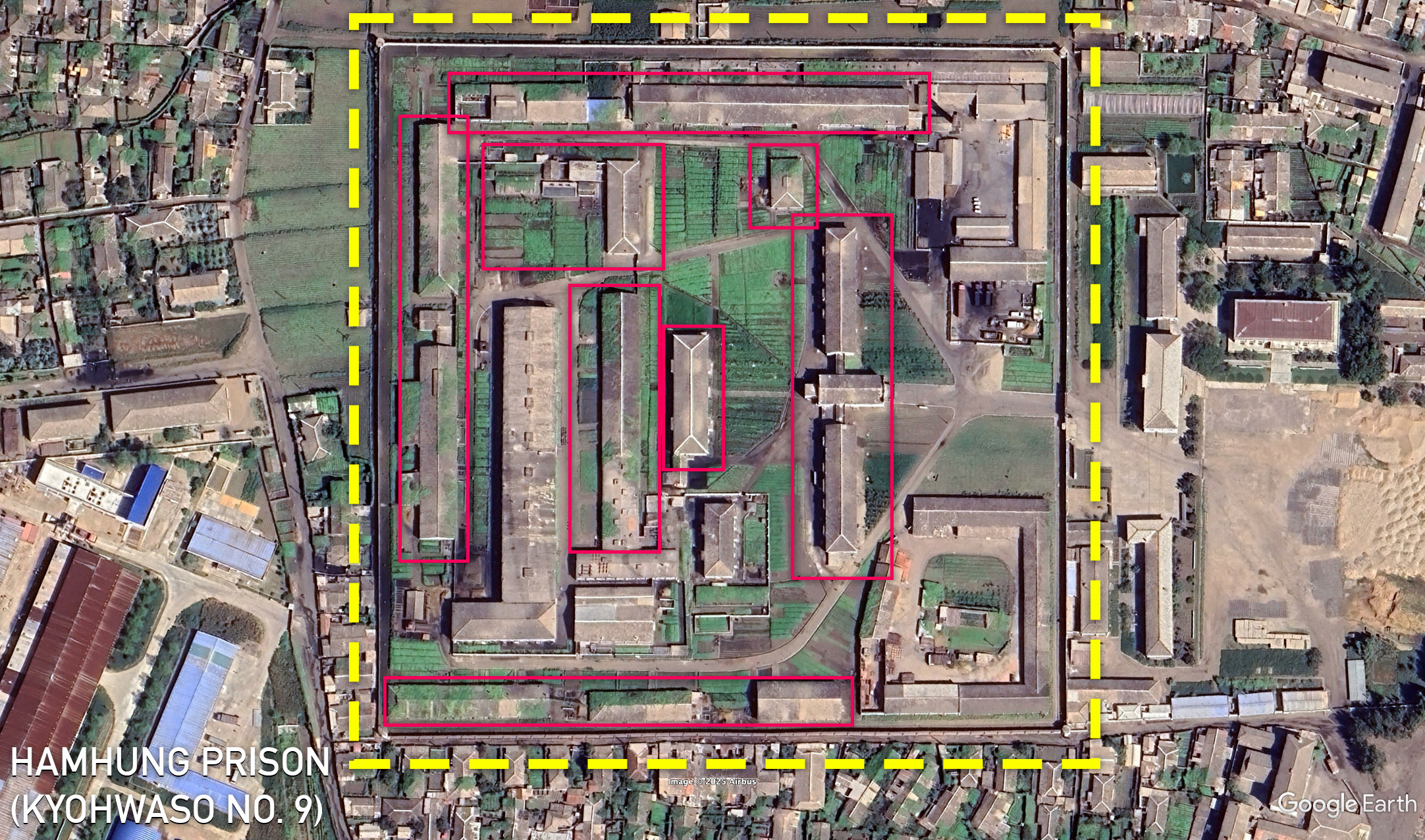 All of the cell blocks and likely workshops inside the Hamhung prison walls had been removed by March 1 except one of the largest in the middle of the grounds, though it may still be knocked down in the coming weeks. Given that the dismantlement so far has taken place inside perimeter walls that remain intact, it appears that the Hamhung prison will be rebuilt as others have been since late 2023, rather than being totally demolished. The three kyohwaso prisons renovated in the last year are in Sinuiju (Kyohwaso No. 3) in the northwest on the border with China, Sariwon (Kyohwaso No. 6) in the southwest and Chonnae (kyohwaso number designation unknown) in the southeast. The Hamhung prison walls surround a roughly square area of land covering 15 acres (6 hectares), about the same size as the Sinuiju prison and the newly expanded Chonnae prison. New construction at the other facilities has appeared to include building larger or more modern multi-story cell blocks, suggesting the same could be planned for the Hamhung prison. The prison camp revamp project could be intended to improve security, prevent escapes and increase capacity ahead of crackdowns. Inmates are also likely to experience cleaner living conditions in the new buildings, but state media is staying quiet on the project, making it impossible to determine if authorities have any intention of eliminating common practices like abuse of prisoners and forced labor. North Korea hides all of its statistics on crime and prisons, including details about ordinary and political prisoners. Leader Kim Jong Un also prevents reporting in state media on crimes and incidents (albeit with some exceptions), which could reflect negatively on his totalitarian rule. But one official made a rare admission about public executions and the necessity of recent crackdowns on people consuming foreign cultural media to a U.N. panel last November. And in a move possibly related to rebuilding prisons, Kim and top officials also agreed at a party plenum last July to “supplement and perfect the judicial system in an innovative way so that it can defend the political stability of our state” and the “comprehensive rejuvenation of socialism by law.” State media reporting did not offer further details on the policy. Edited by Alannah Hill © Korea Risk Group. All rights reserved. |

October 10, 2026Oct 10, 2026

The ultimate resources for professionals working on North Korea
 SHARE
SHARE COPY LINK
 X
X MASTODON