
  
Analysis Major construction underway at factory building North Korea’s biggest missilesProject at Thaesong Machine Factory may aim to boost ICBM production, as Kim Jong Un upgrades arms factories nationwide 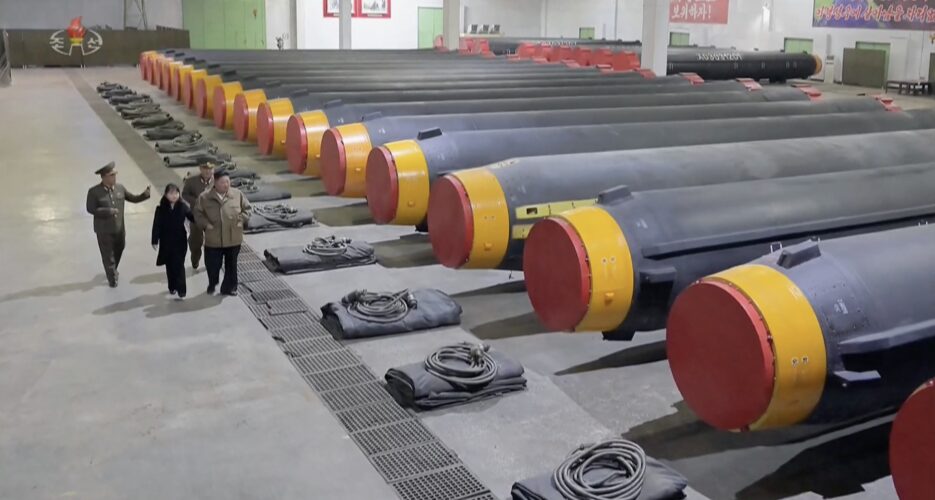 A new construction project is underway at one of North Korea’s most important weapons factories long associated with long-range nuclear missile manufacturing, according to NK Pro analysis of satellite imagery. While still in the early stages, the project at the Thaesong Machine Factory may signal Pyongyang’s intentions to upgrade production capabilities for long-range missile engines or other components, following leader Kim Jong Un’s repeated vows to mass-produce such weapons in recent years. The factory appeared most recently in state media in Jan. 2023, when Kim Jong Un and his young daughter were shown walking past dozens of Hwasong-12 intermediate-range ballistic missiles (IRBMs). Kim appeared to inspect intercontinental ballistic missiles (ICBMs) and nuclear warheads in the same room in 2016. NEW CONSTRUCTION Planet Labs imagery shows large-scale land clearance efforts began in July around underground missile production facility entrances for the older of two neighboring complexes under the Thaesong Machine Factory, located west of Pyongyang. This follows the reconstruction of a large production hall within the same complex between Nov. 2023 and Aug. 2024, while piles of materials indicative of digging or construction also appeared outside the tunnel entrances late last year. 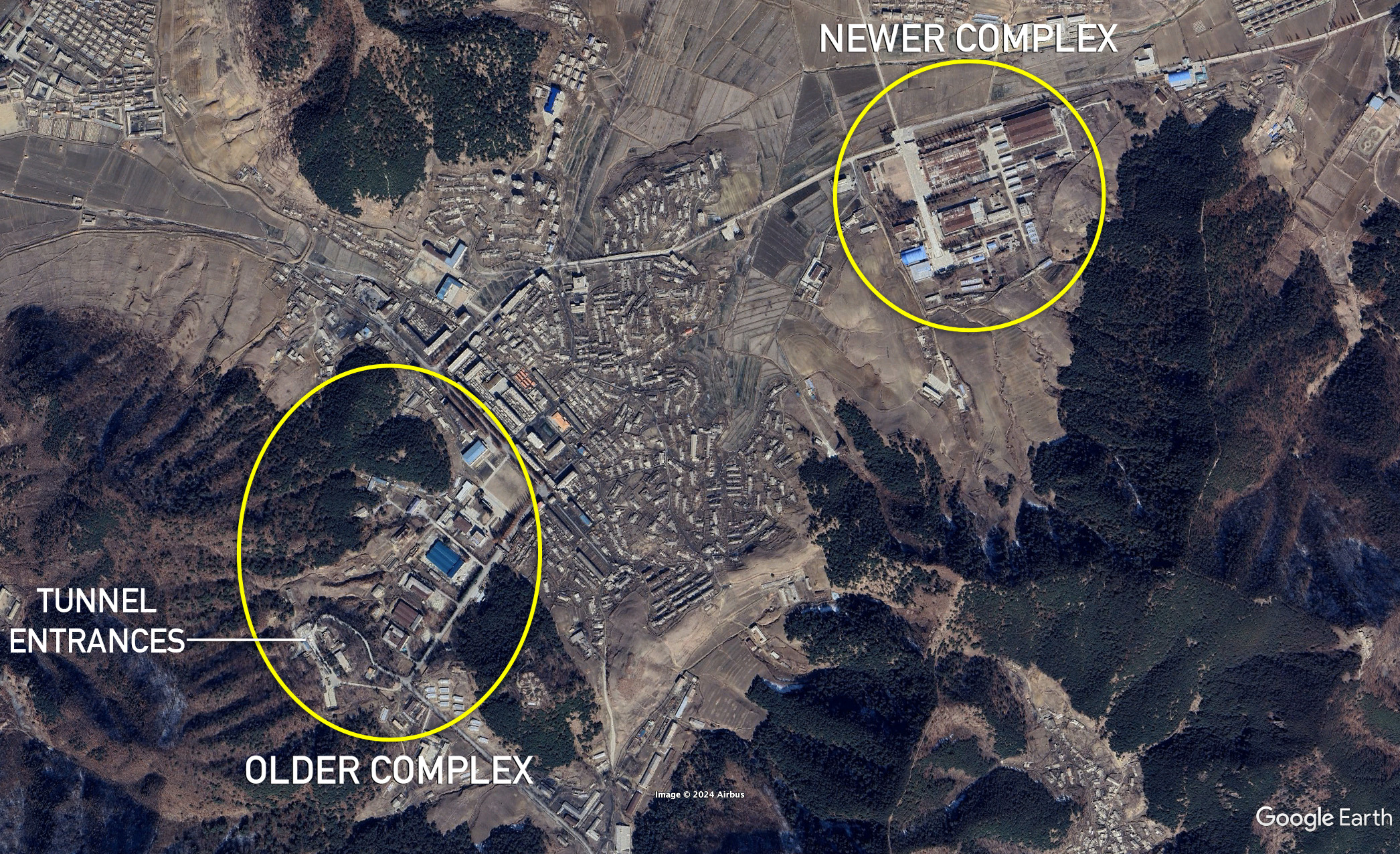
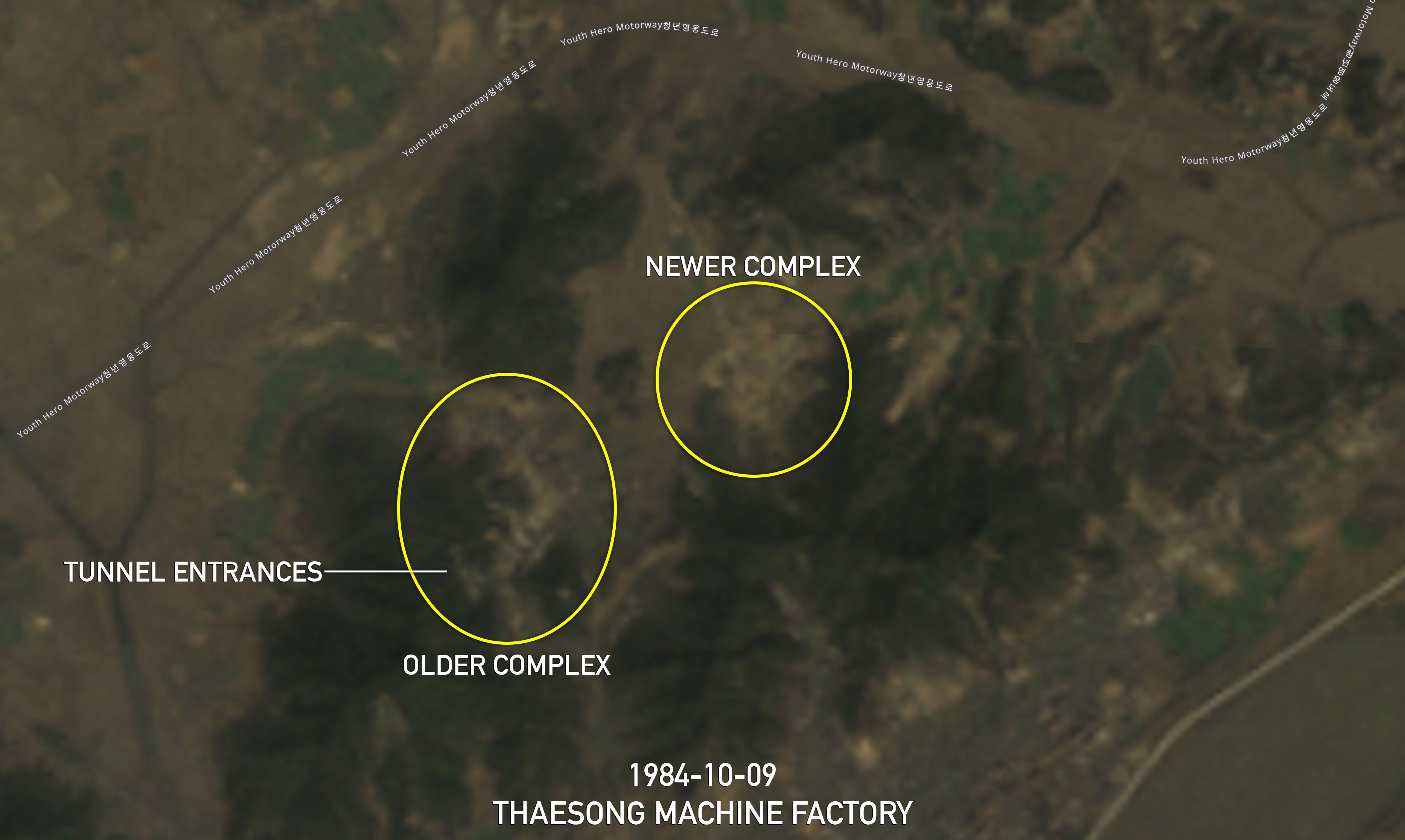
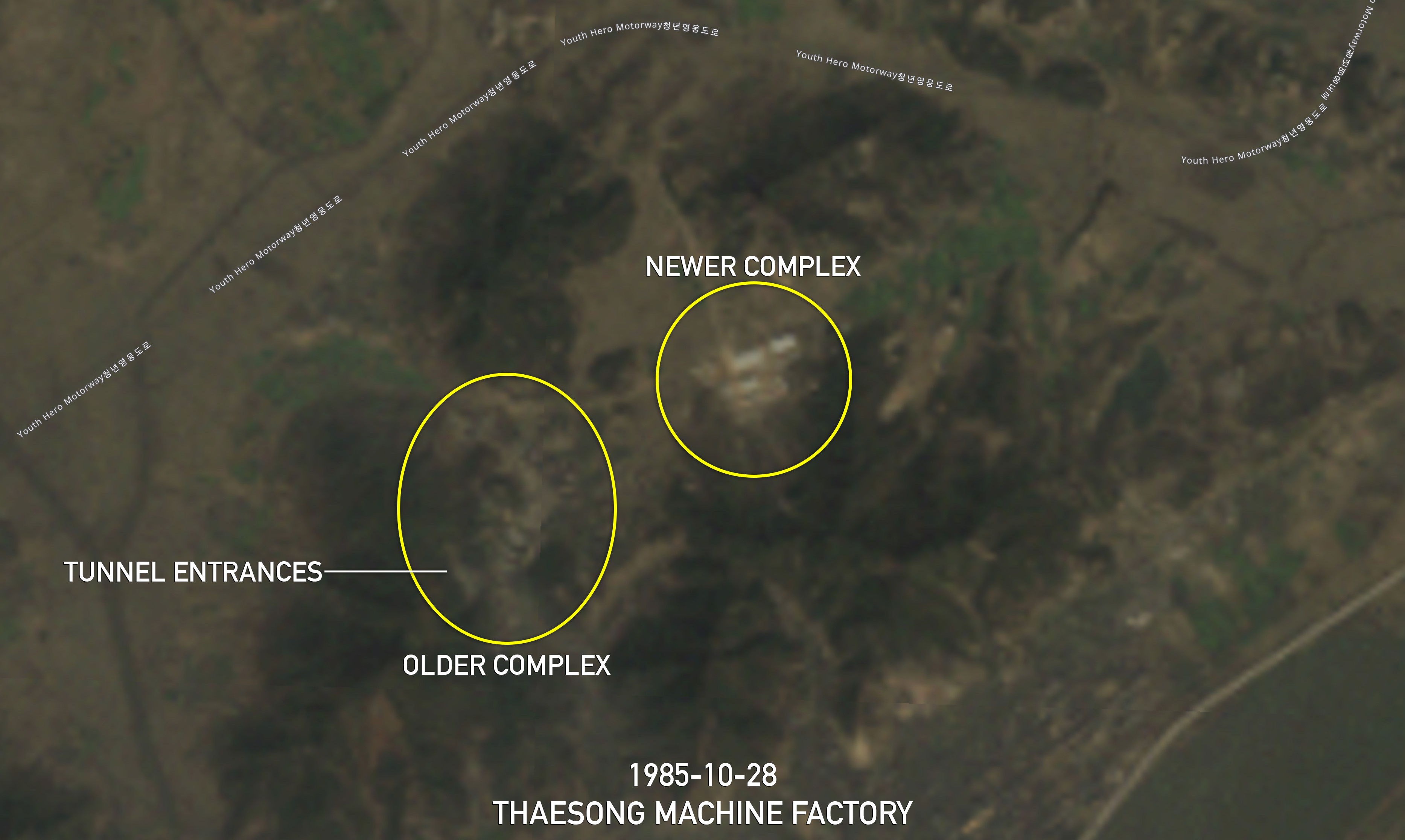
Landsat satellite imagery shows the factory’s newer complex was built between Oct. 1984 and Oct. 1985 nearby to the northeast, a location where Kim Jong Un and his father Kim Jong Il have frequently inspected assembled missiles and engine parts. A high-resolution Maxar satellite image taken on Aug. 27 shows that the tunnel entrances remained intact despite being pushed back, as workers dismantled some surrounding buildings and cut into the mountainside, according to John Ford, a research fellow at the James Martin Center for Nonproliferation Studies at the Middlebury Institute. The new construction suggests North Korea is “increasing production capacity” and that “the regime is cash flush,” Ford told NK Pro. “So investment is going down to older facilities which maybe haven’t been as productive recently.” It comes amid construction to upgrade over a dozen other weapons factories around the country, as North Korea pushes the production of short-range missiles and rockets and missile launch vehicles, some of which it has shipped to Russia for use in its war in Ukraine since mid-2023. 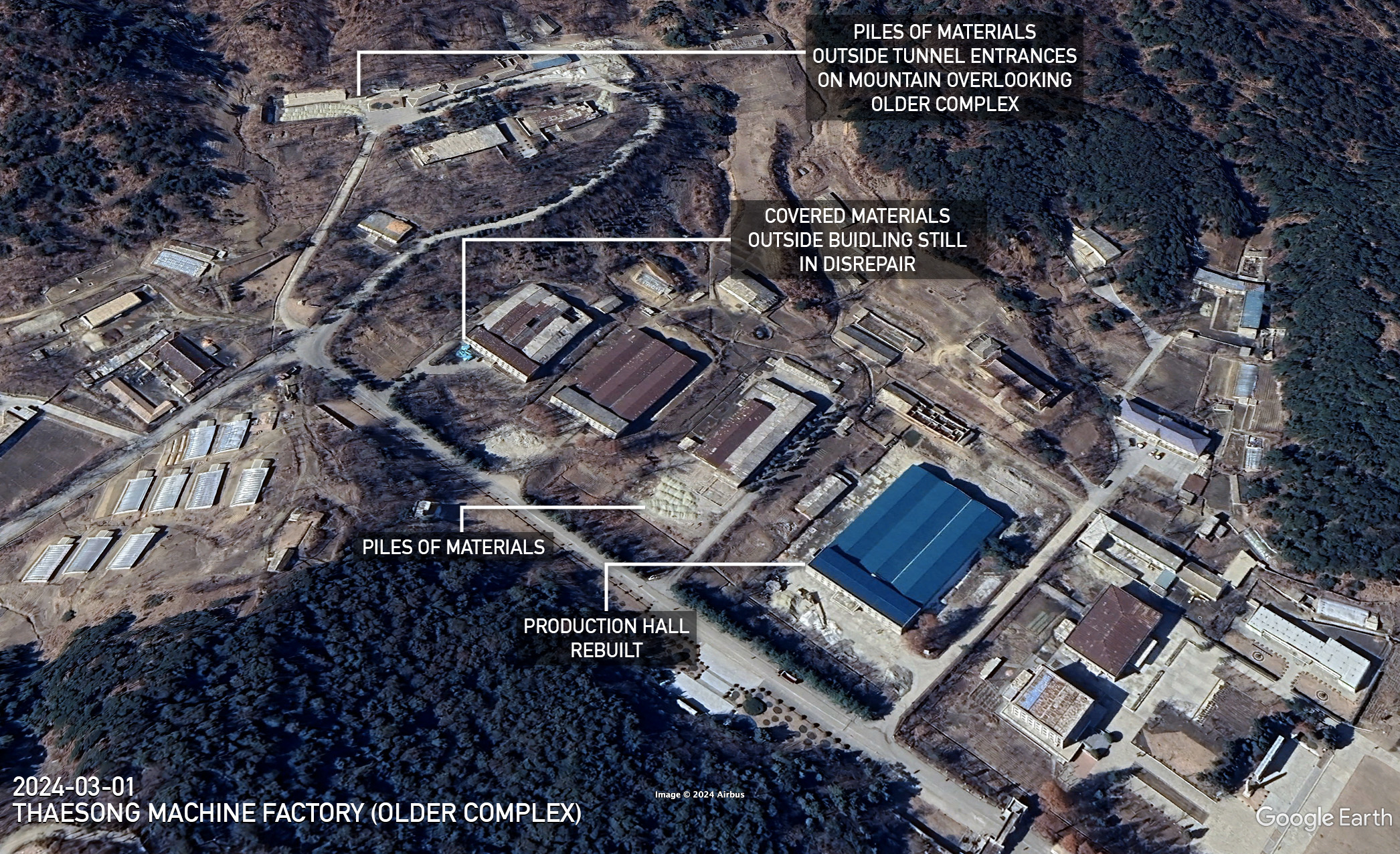 NK Pro analysis of various state TV leadership documentaries confirms that the newer complex, publicly named the Thaesong Machine Factory, is organizationally connected to the older complex where construction is now underway. The history museum at the newer complex, as seen during a March 2016 visit by Kim Jong Un, features photos likely taken in the 1960s of Kim Il Sung at the older site, before the newer one was built. One framed photo shows Kim Il Sung looking out from a mountainside spot, and a photo beside it shows a typical stone monument likely in the same location commemorating the visit. NK Pro analysis of satellite imagery finds a monument and surrounding area matching the photo’s appearance right outside the tunnel entrances at the older complex, while no other monuments at either complex look similar. Another framed photo in the museum as well as a scene from an old documentary shows Thaesong factory managers taking Kim Jong Il around production lines in underground tunnels, while images shown during a July 2017 concert show him and the same managers likely on the same day in the often-used above-ground missile assembly room at the newer complex. It is likely that the underground production lines Kim inspected were at the older complex — the location of this summer’s large-scale construction efforts — since there are no underground entrances inside the boundaries of the newer complex. 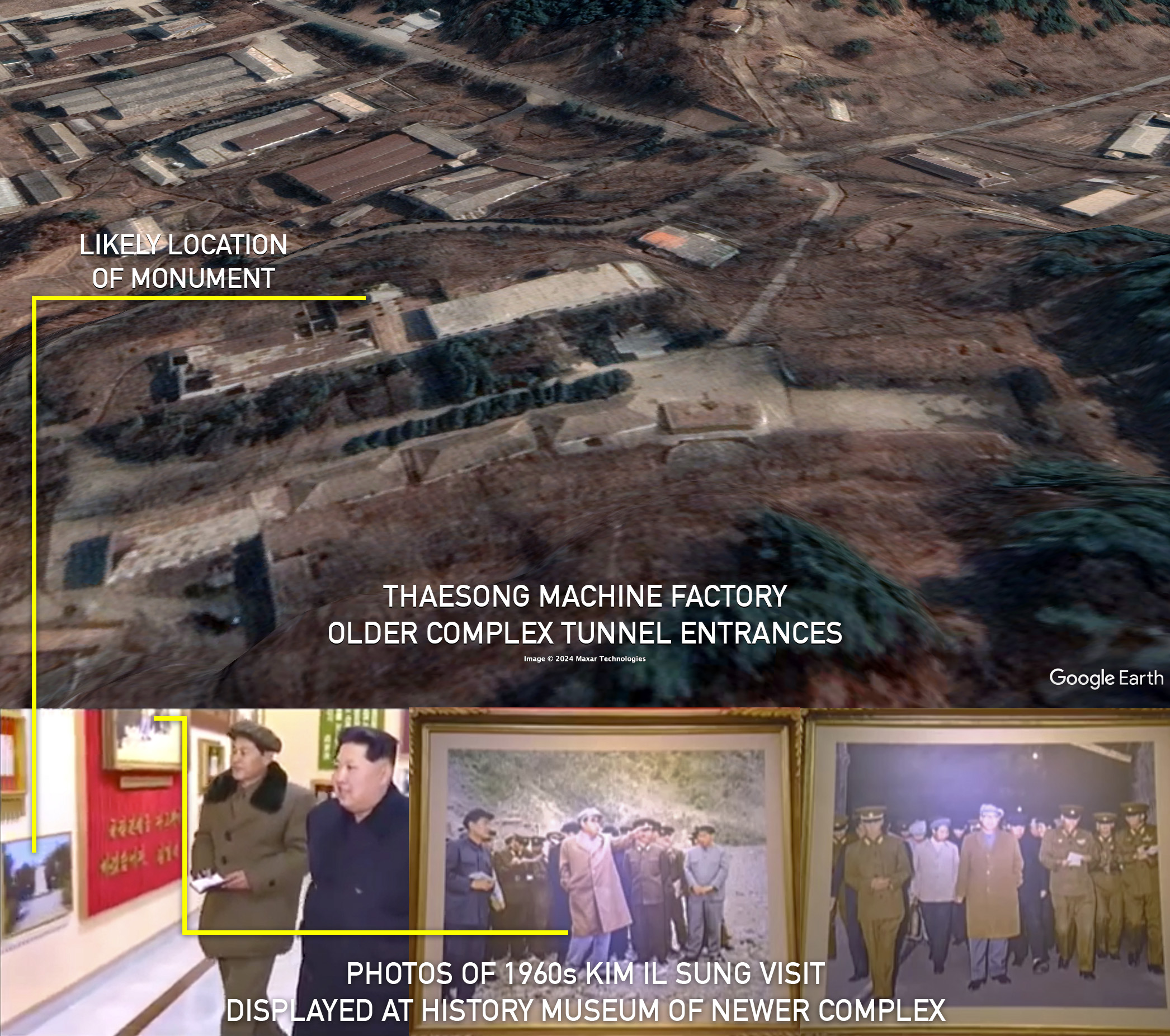 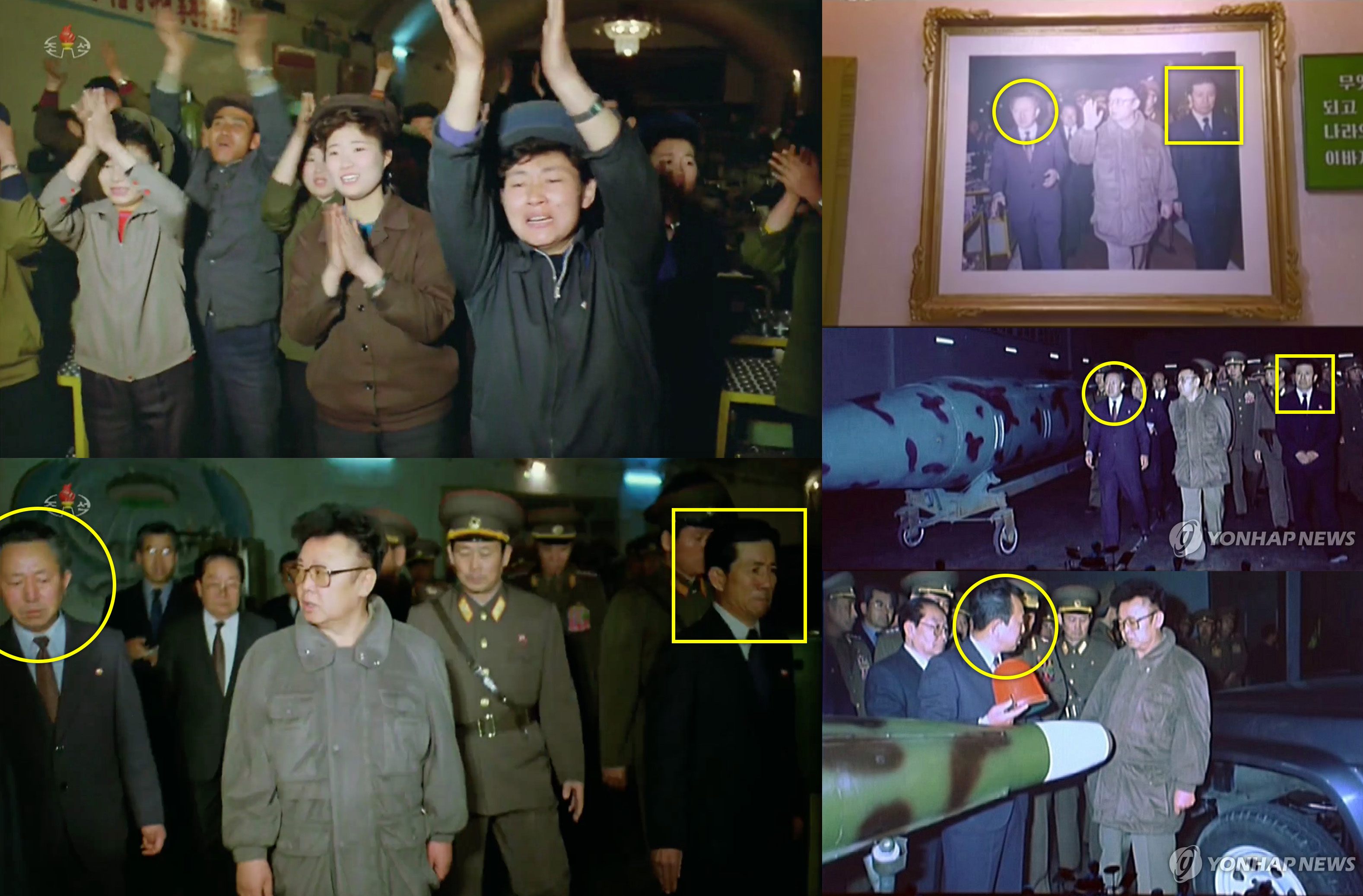 WHAT THE FACTORY DOES The Thaesong Machine Factory is “almost certainly responsible for production of liquid propellant engines” for missiles, as well as other components and final assembly, according to Jeffrey Lewis, director of the East Asia Nonproliferation Program at the James Martin Center. Despite shifting to focus more in recent years on solid-fuel short- and long-range missiles, North Korea signaled earlier this year that it is still building launch vehicles for the Hwasong-17 liquid-fuel ICBM, which it tested three times between March 2022 and March 2023. Pyongyang also appears to be developing a new liquid-fuel engine for large space rockets as Kim Jong Un seeks to fulfill a promise to put three more military reconnaissance satellites in orbit this year. A Myanmar military delegation that visited the Thaesong factory in 2008 claimed Scud missile “component [production] lines are kept in the underground tunnel,” Lewis noted. The delegation also mentioned an “above-ground factory where missile engines are assembled, where missile bodies are produced and assembled, and where complete missiles are assembled.” Lewis told NK Pro the mention of underground tunnels appears to “refer to the engines, as it specifies that the airframes are produced above ground.” 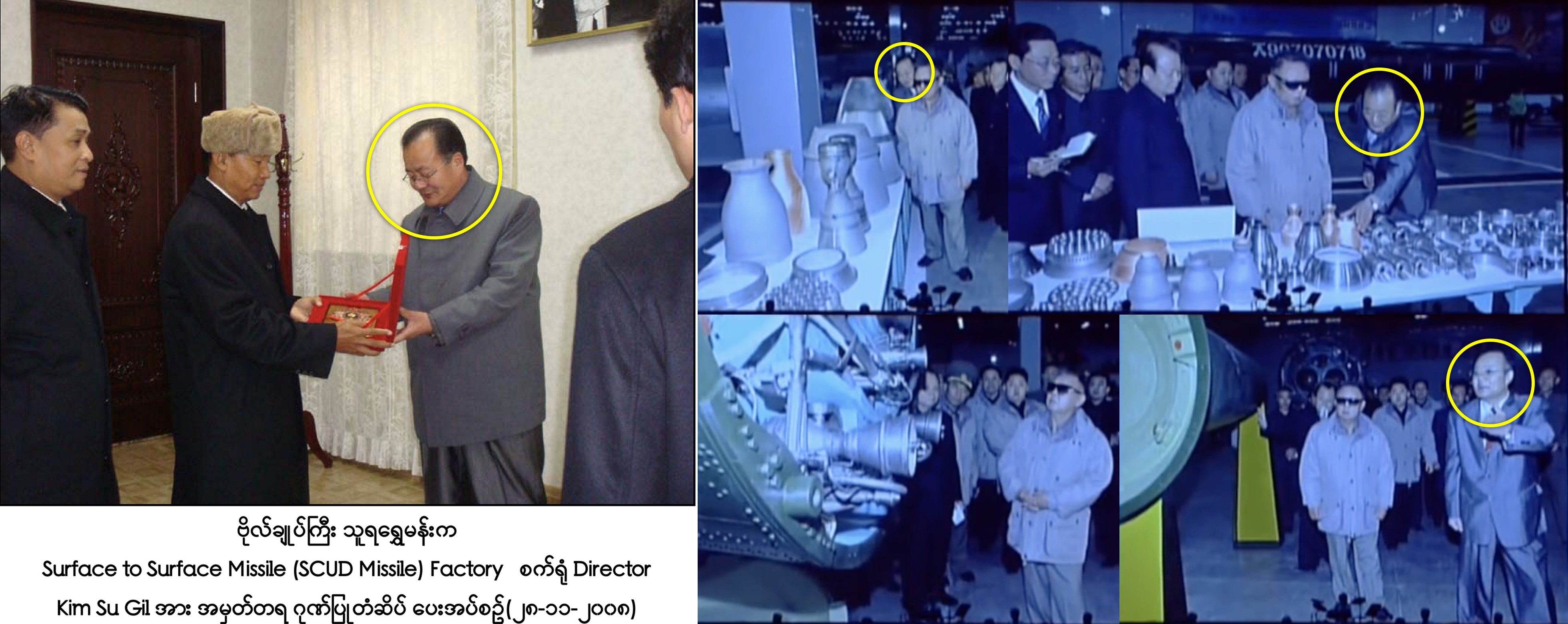 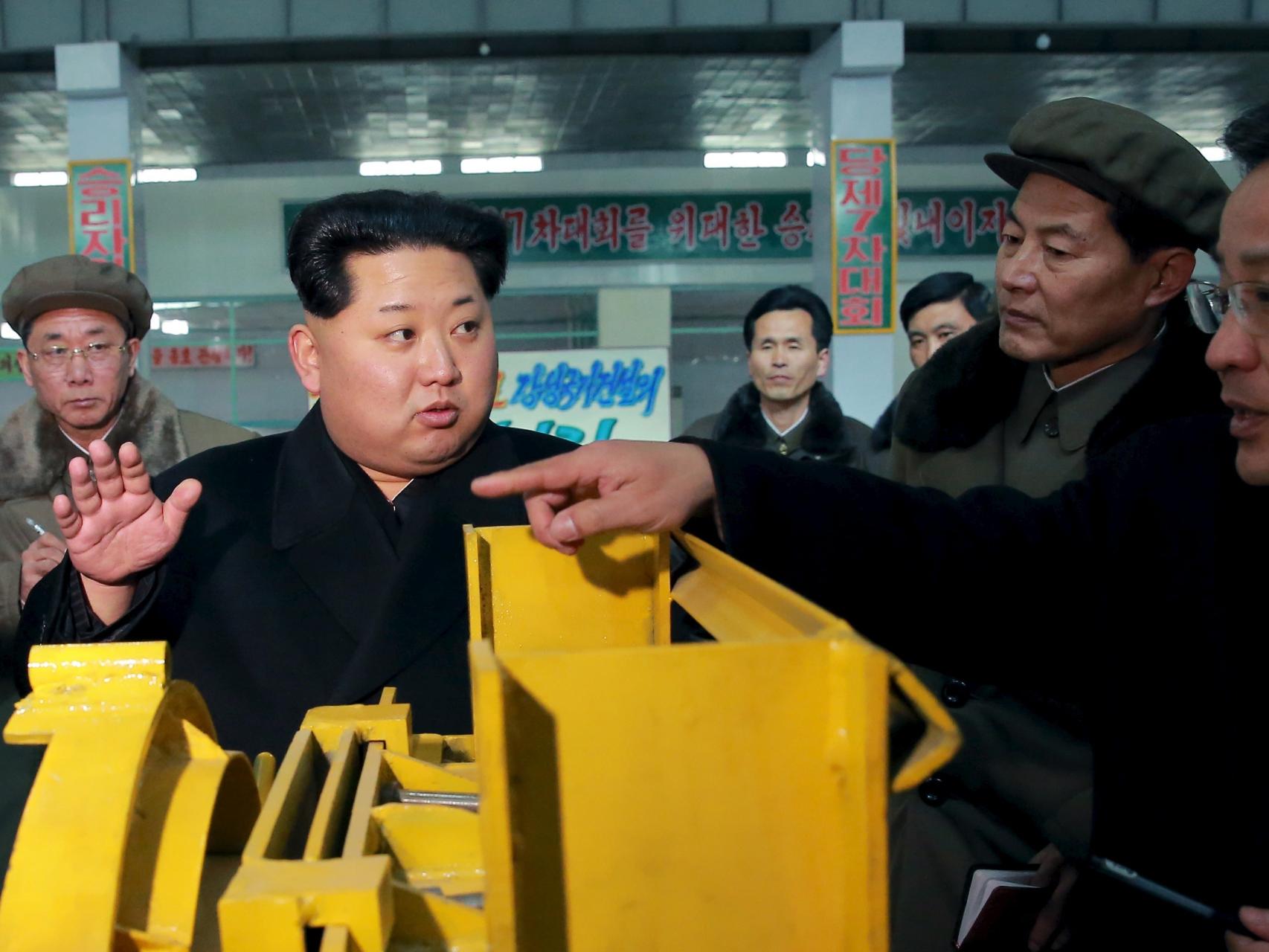
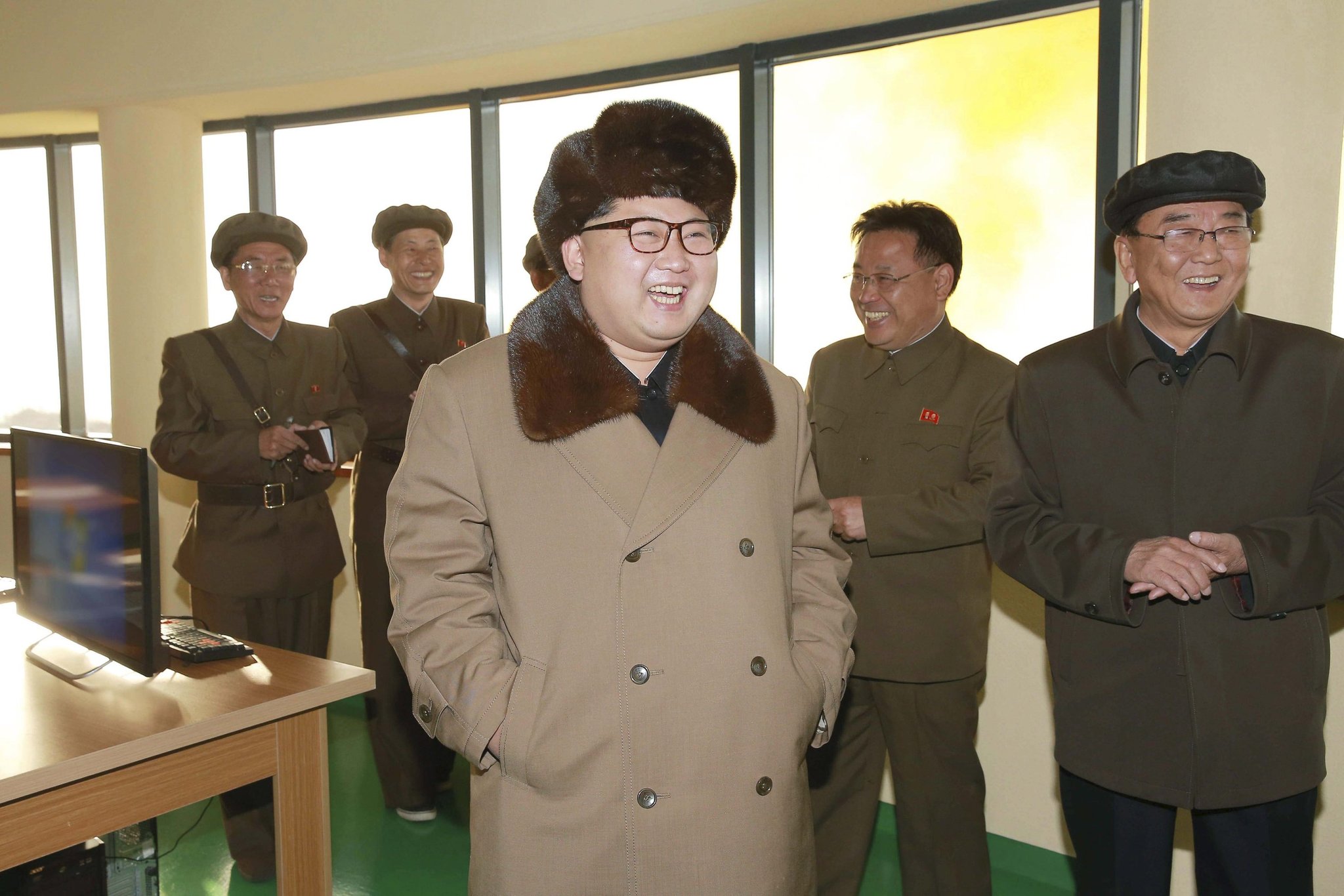
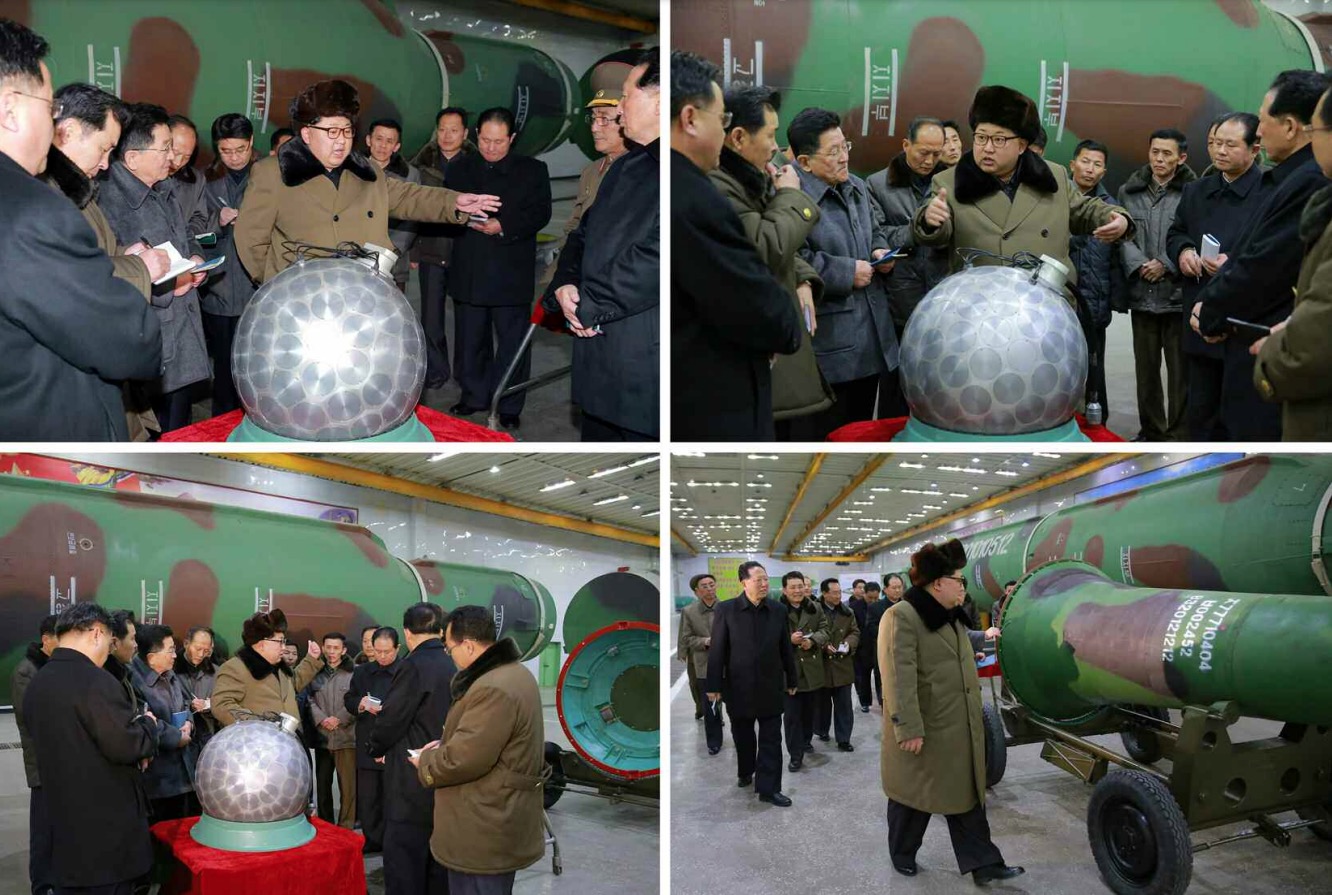
Former Thaesong factory manager Kim Su Gil (shown and named in the Myanmar delegation report) showed Kim Jong Il an array of missile engine parts during a visit in Nov. 2011 as well, the expert added. Managers who accompanied Kim Jong Un during his March 2016 visit to the newer complex also joined the leader at liquid-fuel ICBM engine tests at the Sohae Satellite Launching Ground a month later and again in March 2017, another sign that the Thaesong factory specializes in liquid-propellant engines. During the March 2016 visit, Kim “toured a line of machine tools that we assess are capable of producing the most complex engine components, such as the impeller,” according to Lewis. “An important thing to add is that the older part of the facility, including the underground facility, was originally for SA-2 production,” he added, referring to a Soviet-designed surface-to-air missile (SAM). “That implies that North Korea used its experience producing the SA-2 rocket engine as a basis for producing the larger, but similar, Scud engine.” Lewis pointed to a declassified U.S. intelligence report that called the older Thaesong complex the “Kangson ni SAM Storage and Assembly Factory” and said the “first sighting of possible tactical surface-to-surface missiles at a North Korean missile production facility” was made there in Aug. 1985. Meanwhile, South Korea’s foreign ministry sanctioned Choe Pyong Wan, a man it said was the current manager of the Thaesong Machine Factory, in Dec. 2023 for his alleged involvement in ballistic missile research and development. Edited by Bryan Betts © Korea Risk Group. All rights reserved.

|

September 16, 2026Sep 16, 2026

The ultimate resources for professionals working on North Korea
 SHARE
SHARE COPY LINK
 X
X MASTODON