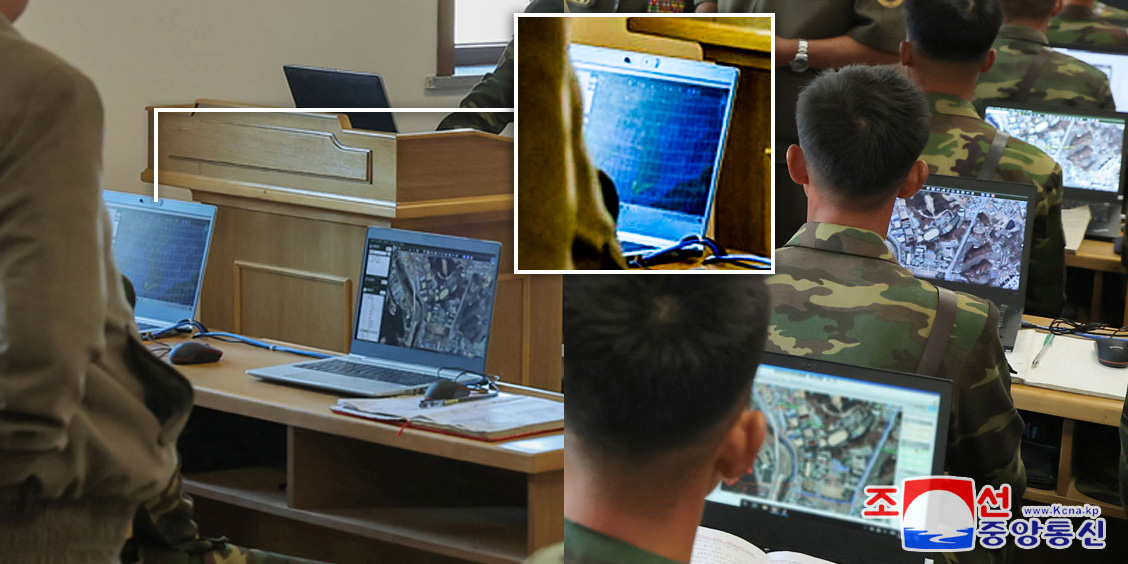
  Analysis Kim Jong Un reviewed plan to attack South Korean missile command HQ, photos showNK Pro analysis finds North Korean leader looked at old satellite images of HQ as part of infiltration forces training 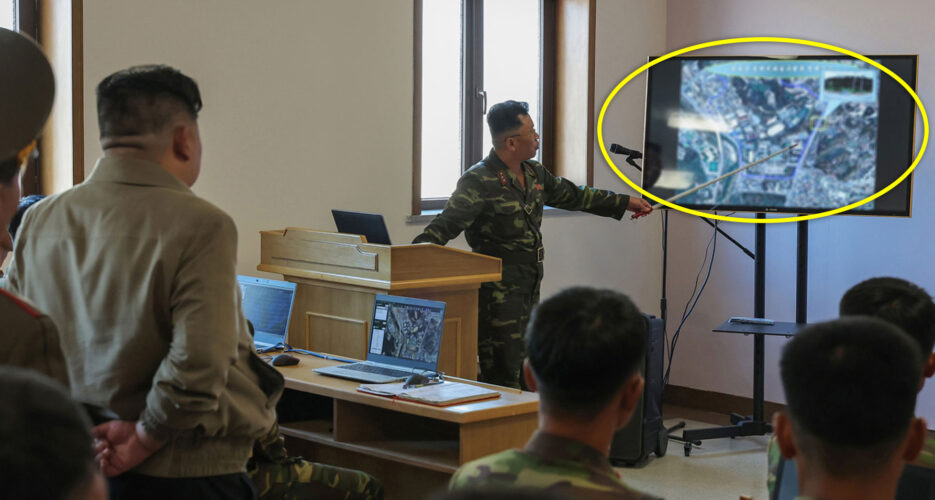 North Korean leader Kim Jong Un observed a special forces training lesson last week on infiltrating South Korea’s Army Strategic Missile Command (육군미사일전략사령부), according to NK Pro analysis, just months after the U.S. and ROK held key nuclear talks at the site. Photos released by the Korean Central News Agency (KCNA) on Friday show soldiers studying both satellite images and street-level photos of the Strategic Missile Command headquarters located in the city of Wonju in Kangwon Province, NK Pro has determined. The study session took place during Kim’s Sept. 11 visit to an undisclosed “training base of the special operation armed forces.” In the photos, around three dozen soldiers sit in a classroom looking at images of the Wonju Strategic Missile Command complex using a program similar in function to Google Earth. 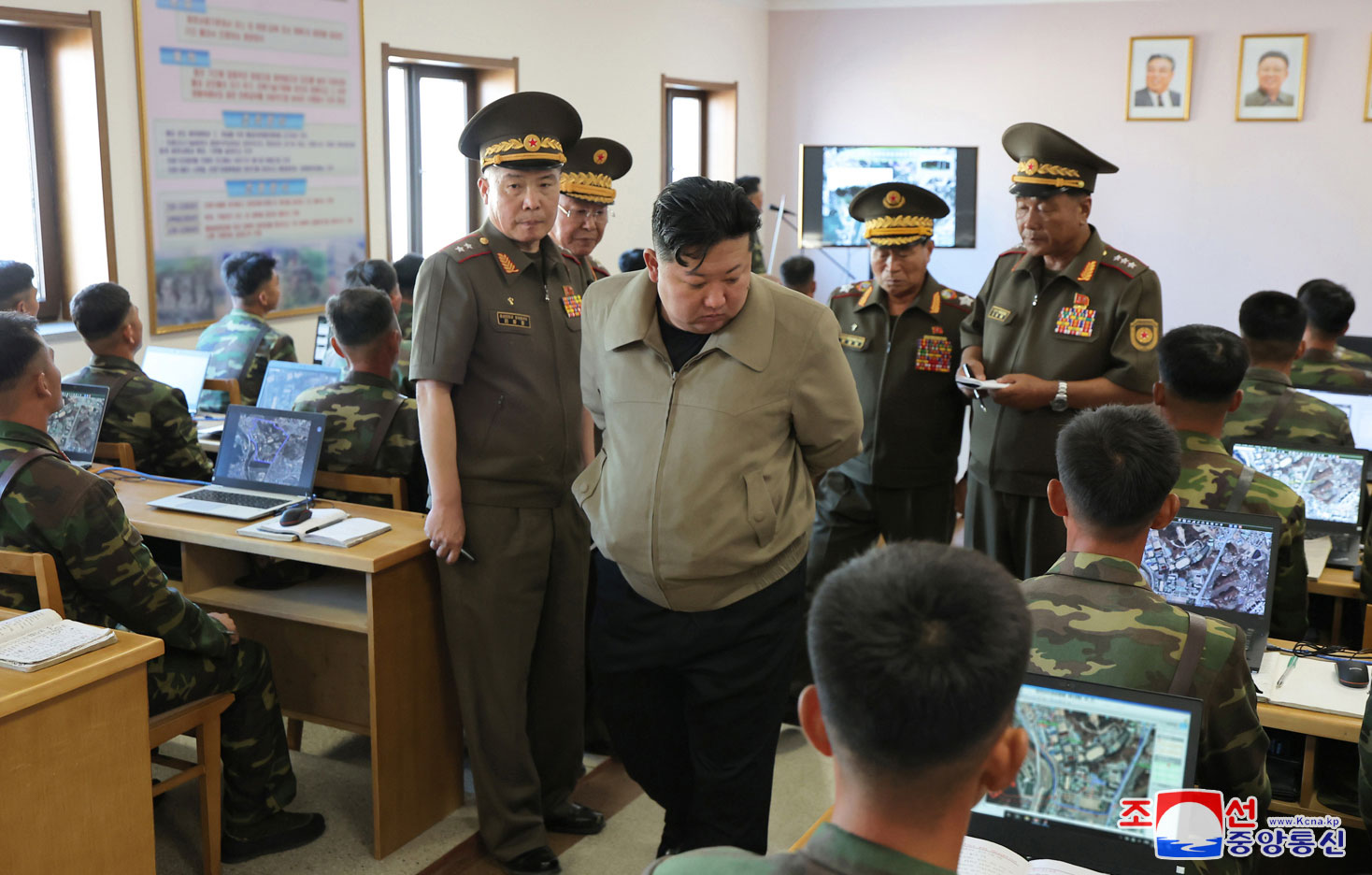
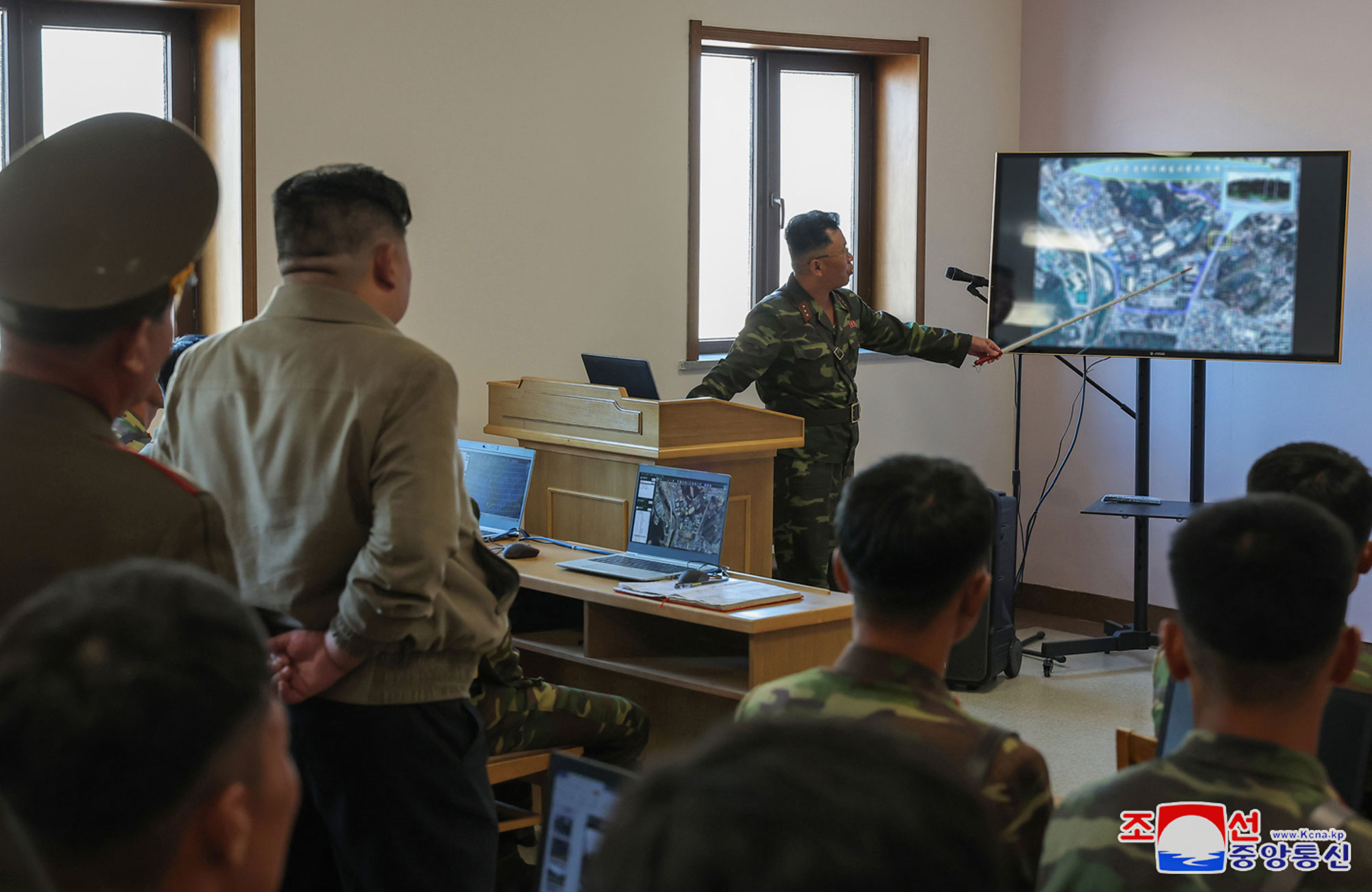
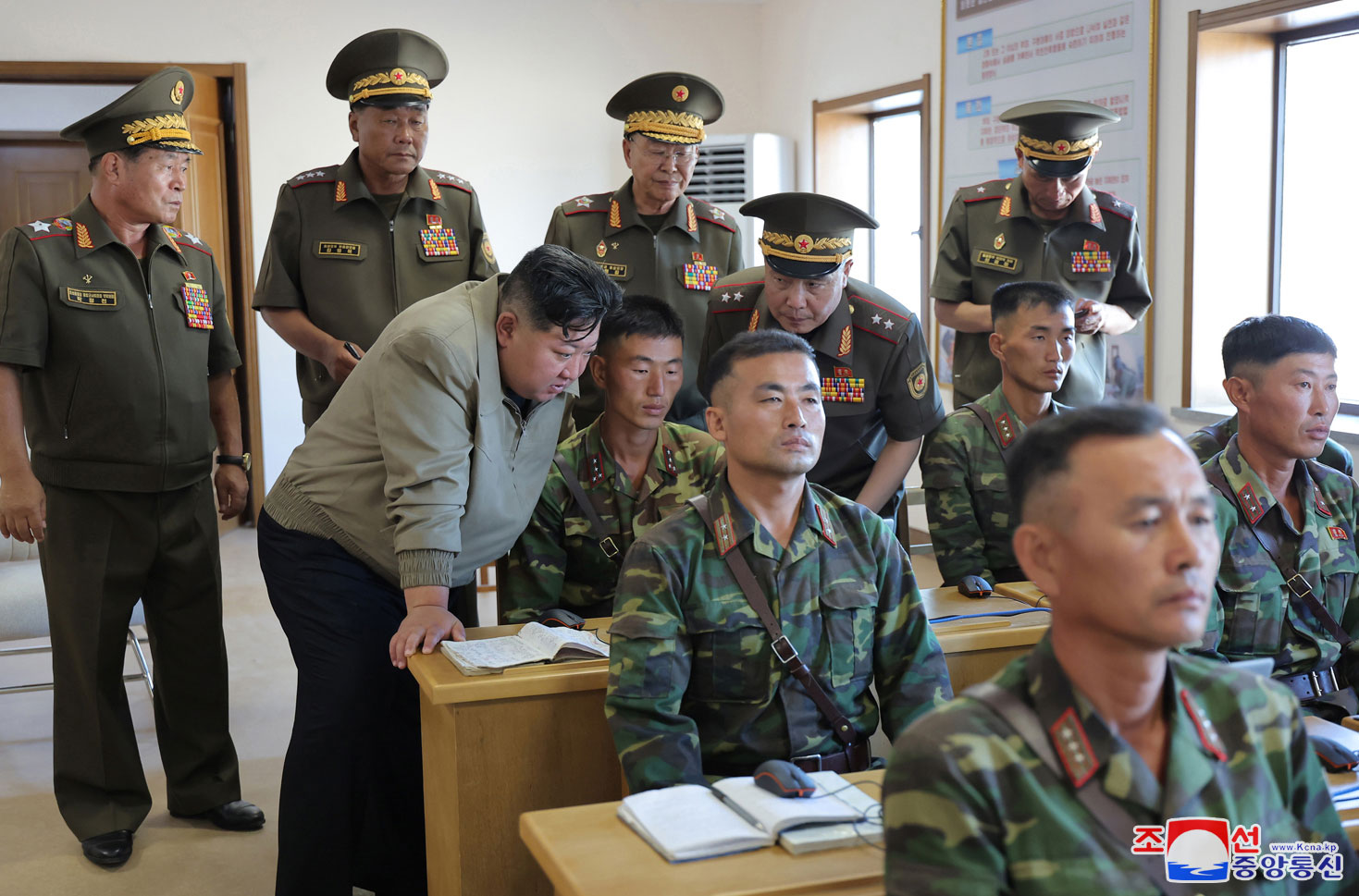
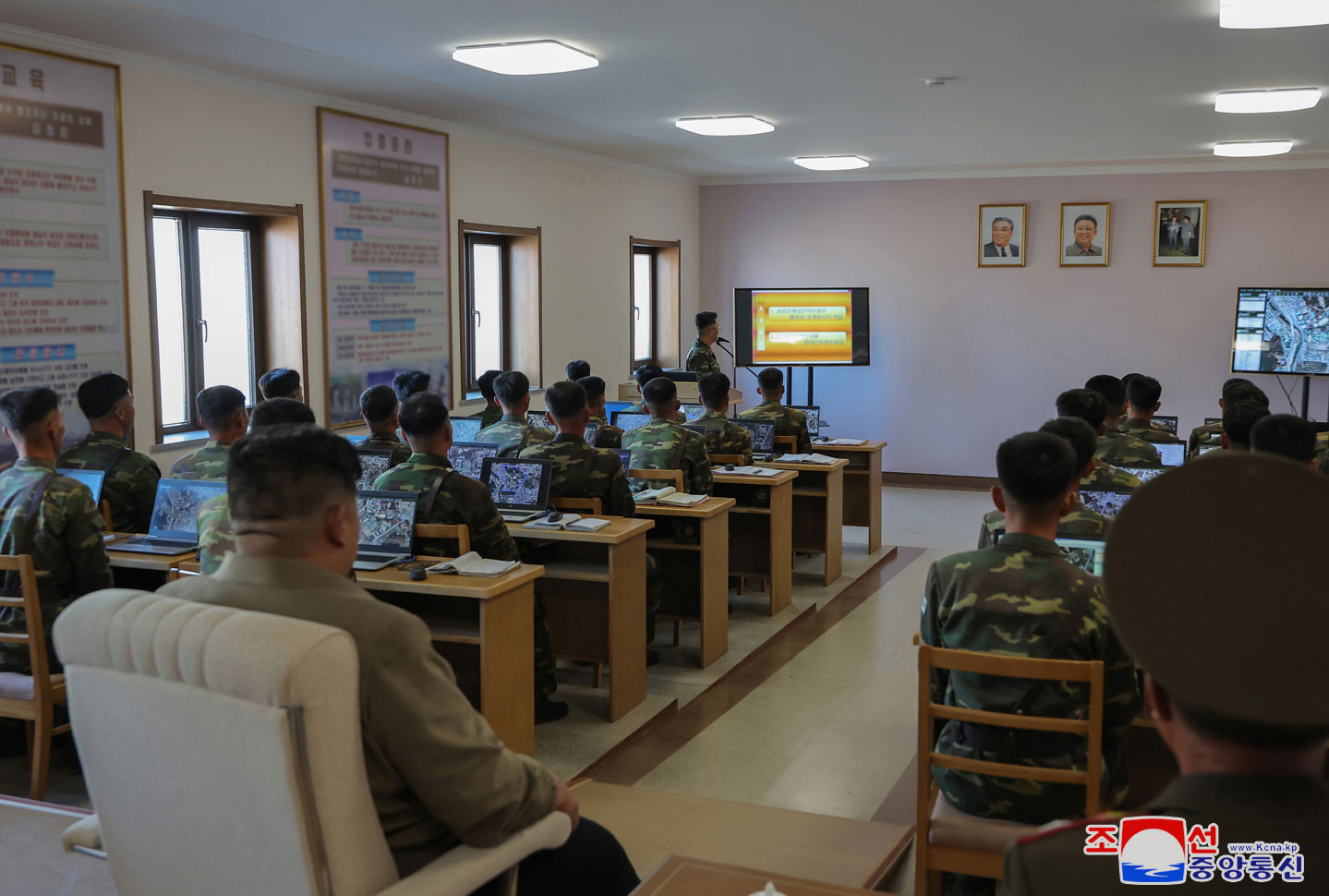
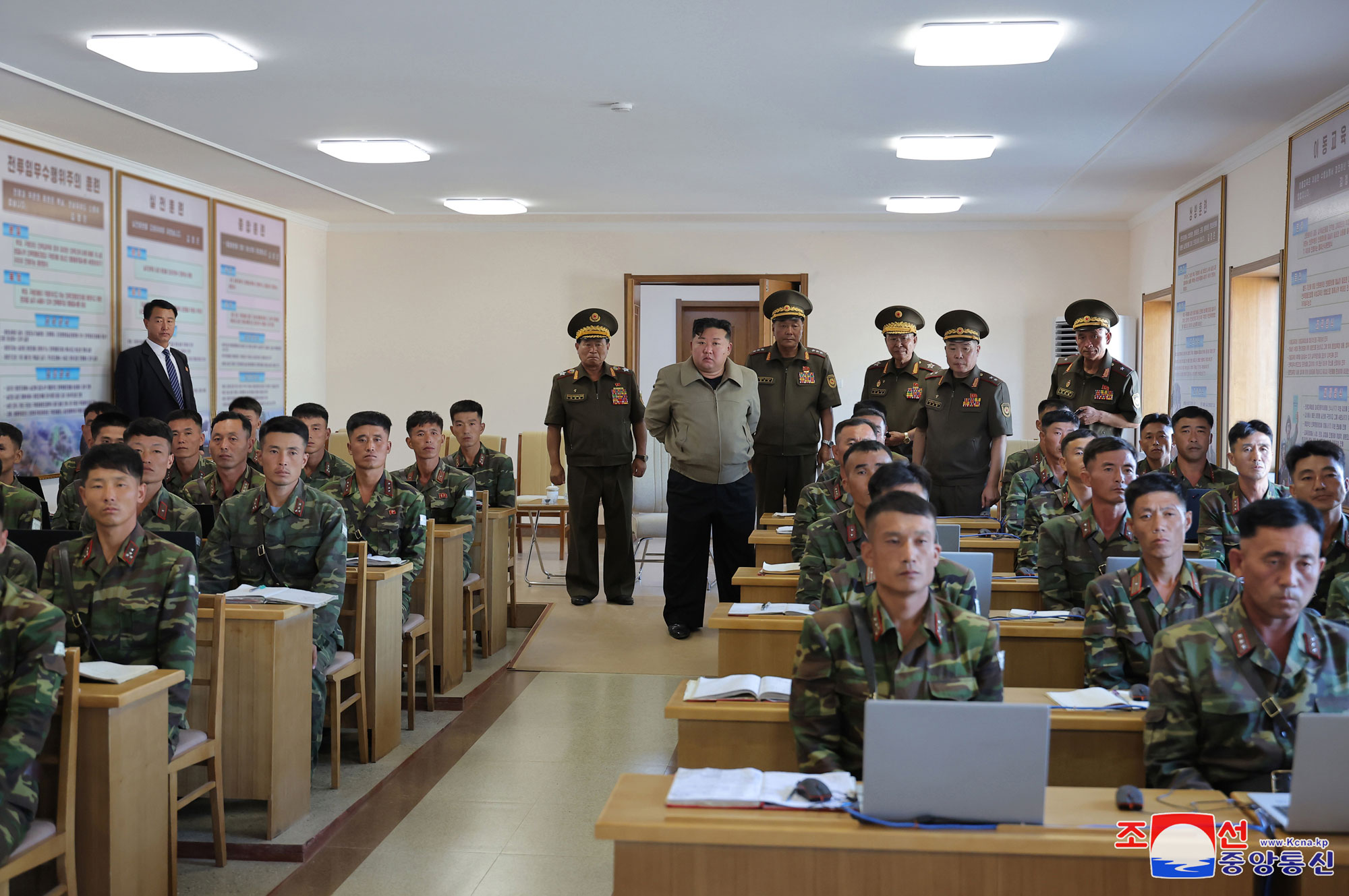
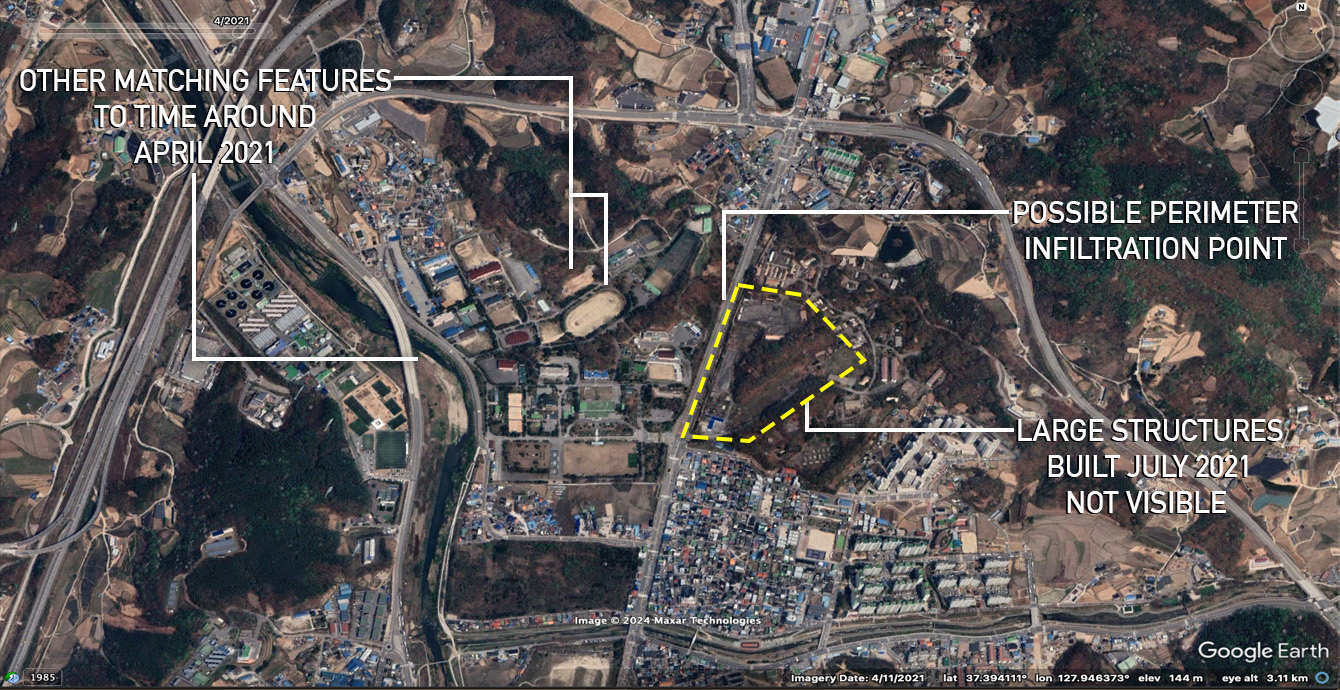
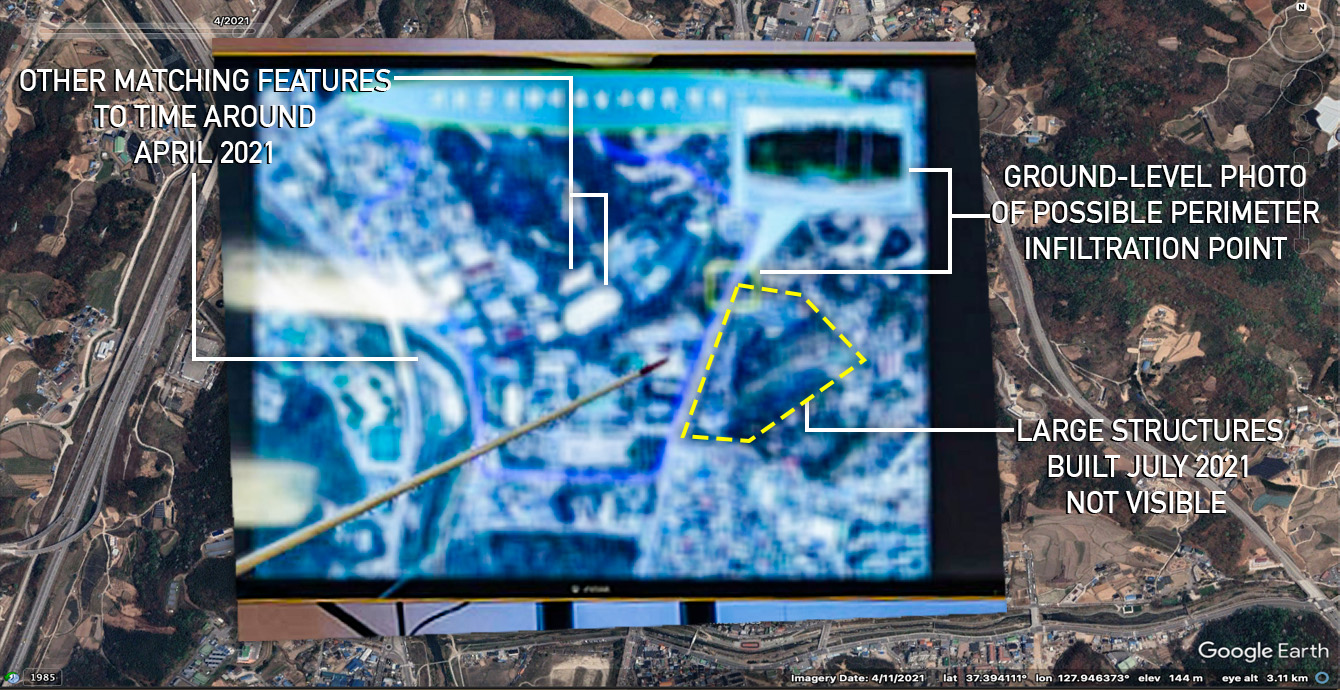
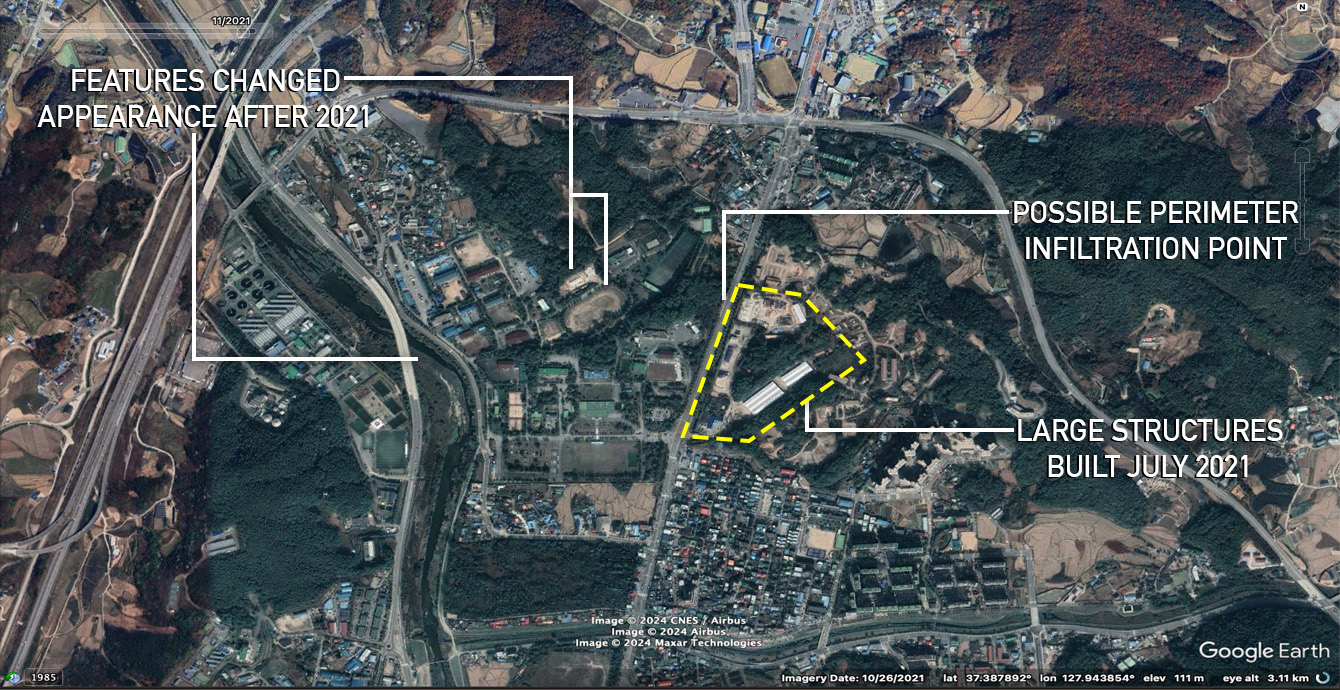
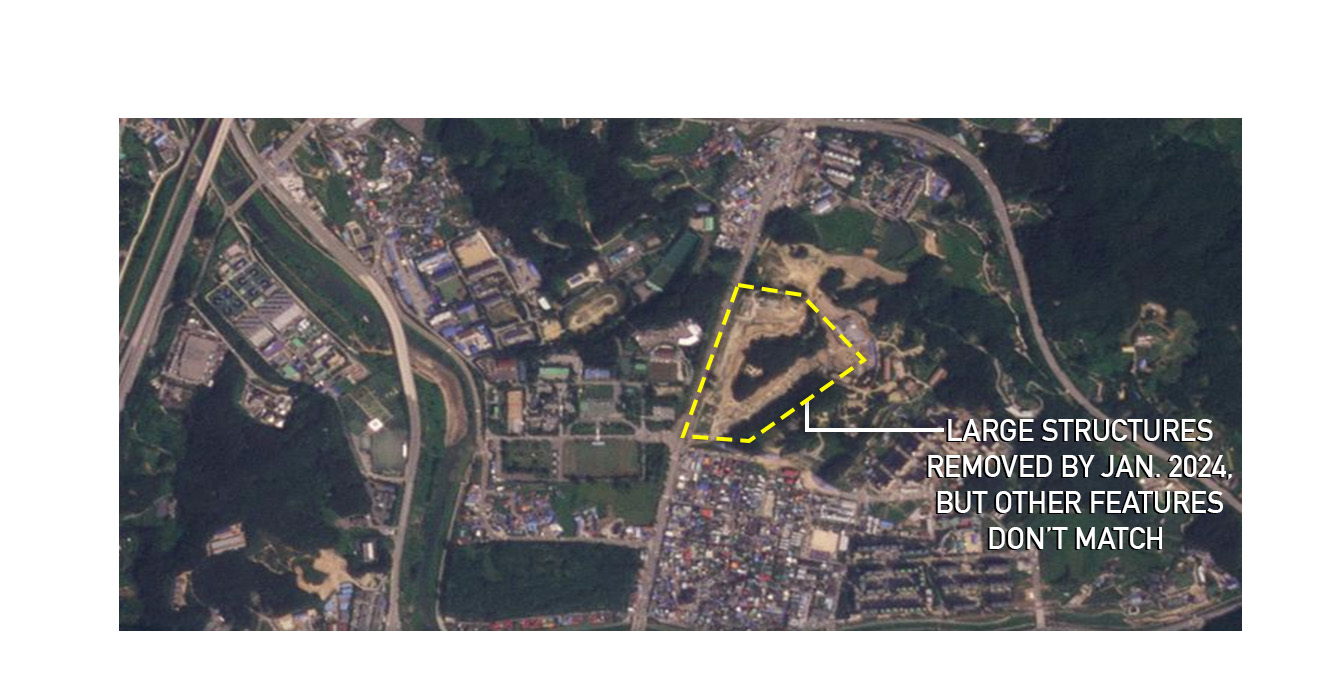
Laptop and projection screens displaying the satellite images and presentation details were blurred, but major details such as the outlines of roads and buildings remained clearly visible. One satellite image on the instructor’s screen appears to have been taken between late 2020 and mid-2021, based on a careful comparison with visible buildings and terrain features in satellite imagery provided by Google Earth and Planet Labs. A different satellite image appears on one soldier’s screen, but it also appears to have been taken before July 2021. This means the images were not taken with North Korea’s much-touted new military reconnaissance satellite, which was successfully placed into orbit in Nov. 2023. This raises the possibility that not all DPRK military branches are incorporating imagery from the new satellite into operation plans, despite the fact that more recent imagery could be helpful for planning ground-level infiltration. However, it’s also possible that new imagery was withheld due to plans to publish the classroom photos. The lesson did include street-level photography, appearing to teach soldiers a possible infiltration point along the perimeter fence on the east side of the Strategic Missile Command complex. 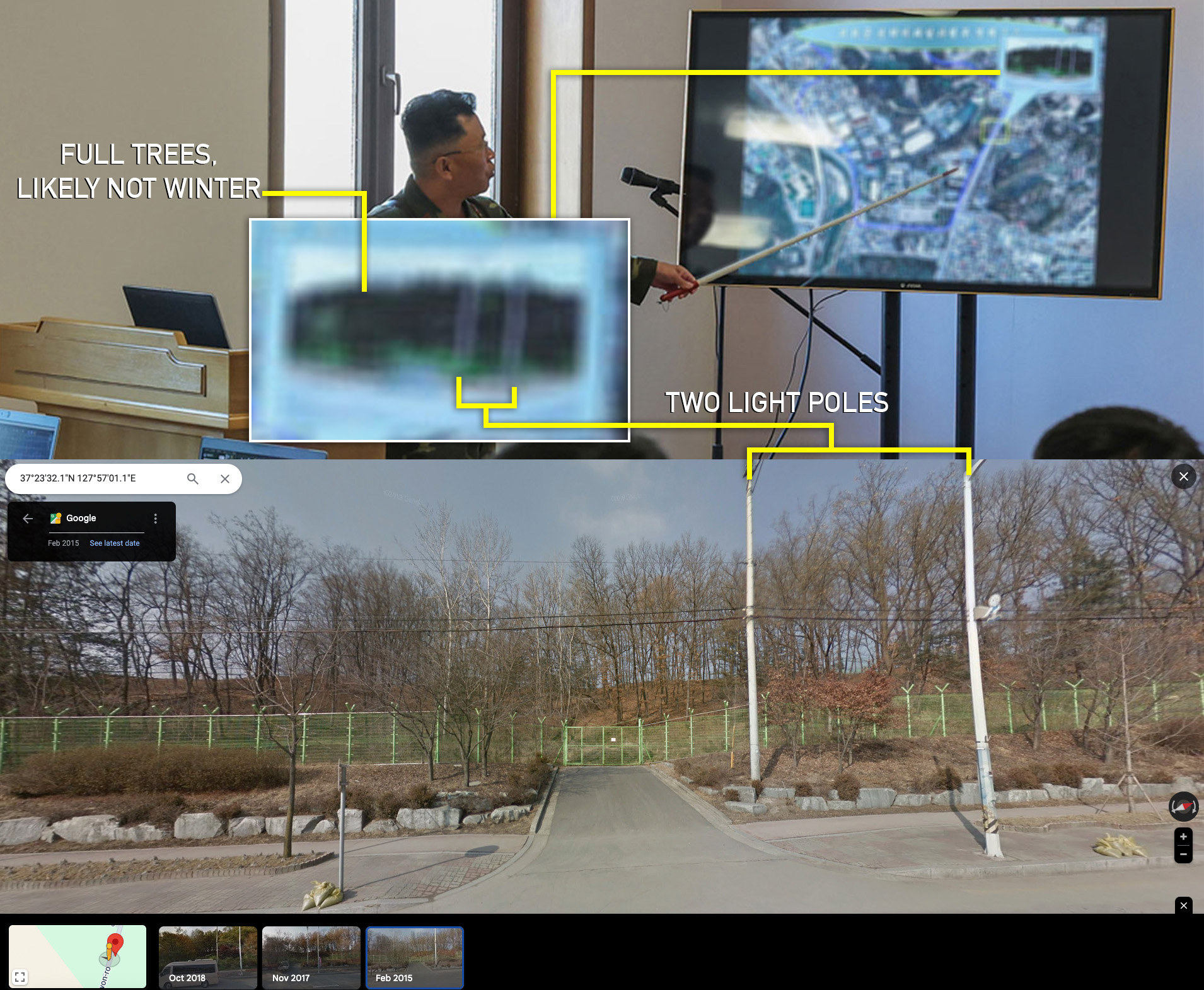
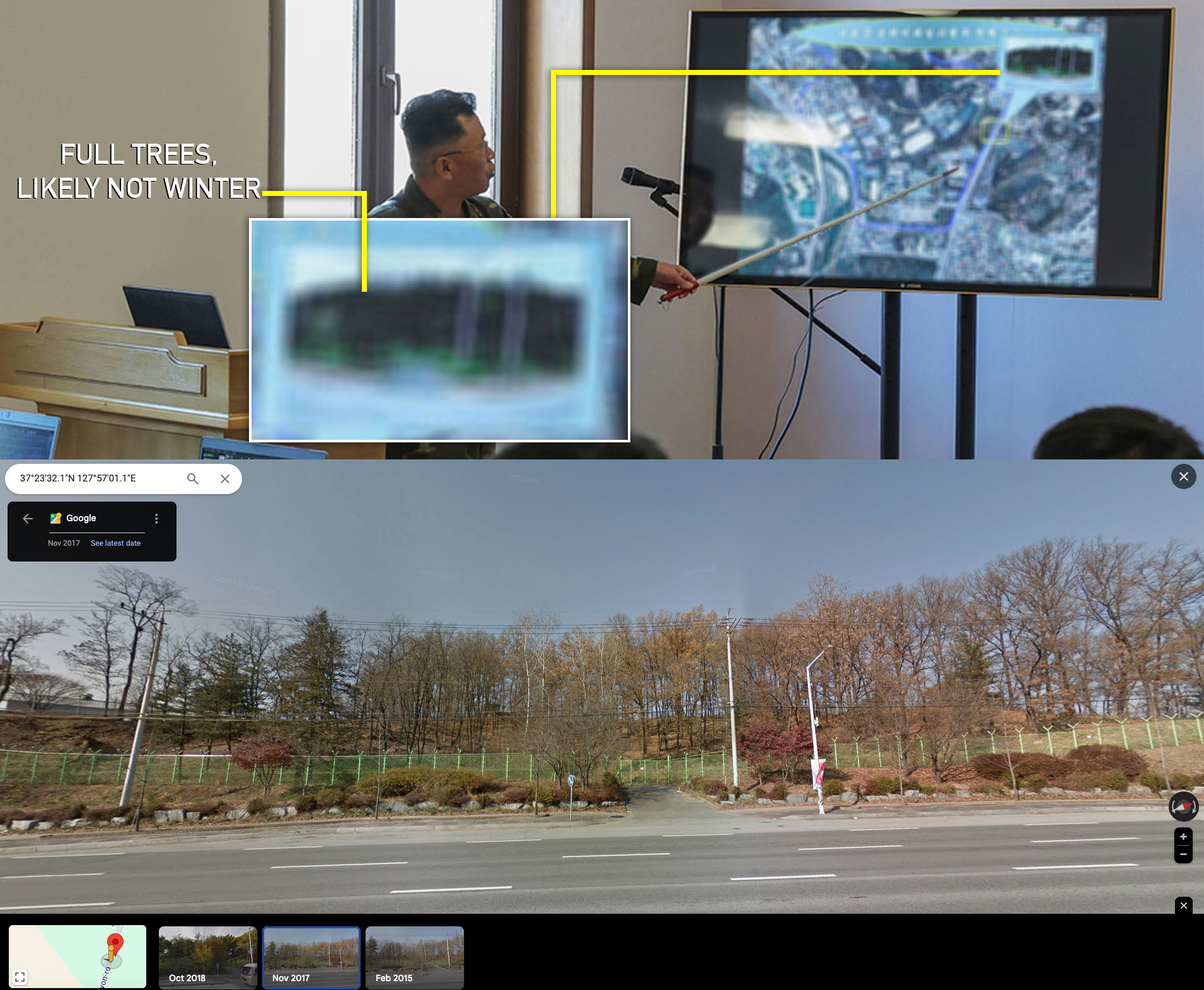
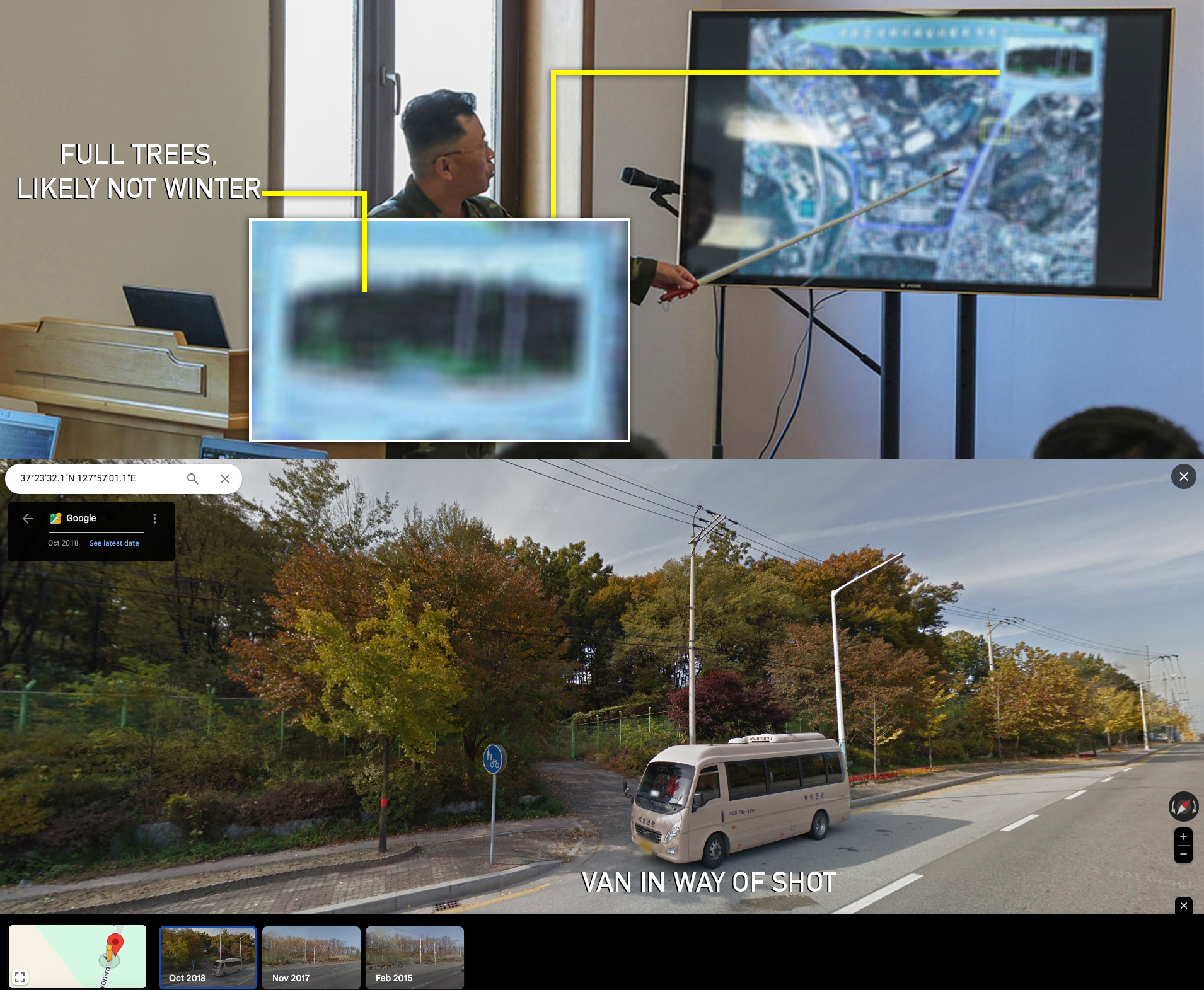
 The photo does not appear to match any of the three available images of the same spot on Google Maps Street View, suggesting it could have been taken by a North Korean agent. South Korean map services do not show the area at all, pretending it is a forest to comply with national security protocols. Kim was also seen reviewing years-old imagery of a South Korean THAAD missile battery instead of newer images taken by his military satellite during a visit to air force headquarters last December. North Korea likely published photos showing the Strategic Missile Command with enough visible details to send a threatening message to South Korean military officials. It follows numerous similar instances in the last few years of Kim Jong Un viewing maps of South Korea and the U.S. during what state media often characterizes as military meetings on “contingency” or “counterattack” plans against the ROK. This type of threat is not new, as state media also clearly showed him looking at what were likely publicly available satellite images of U.S. and South Korean military headquarters during a visit to a special operations forces base in 2016. The location of the Strategic Missile Command is not secret, and South Korea’s military is likely aware of security concerns regarding the complex, especially as it was reportedly considered a potential location for the headquarters of the new ROK Strategic Command that has been set up this year. The Capital Defense Command complex in Seoul’s Gwanak District was ultimately chosen due to being “better equipped with essential infrastructure, such as an emergency command bunker and a command and control system,” the Dong-a Ilbo reported. Seoul announced plans to form the Strategic Command (STRATCOM) in 2022, envisioning a command that works closely with the U.S. while overseeing the ROK Three Axis strategy, which entails defending against North Korean attacks through preemptive strikes, intercepting missiles and “massive” retaliatory strikes. U.S. officials visited the Strategic Missile Command HQ in Wonju in June as part of the third round of Nuclear Consultative Group (NCG) talks with the ROK, in what one expert said represented a key step toward integrating the allies’ conventional and nuclear weapons. The location of the Special Operations Forces (특수작전군) base that Kim visited on Sept. 11 is unclear, but it may be in the same area as drills that practiced taking over an ROK guard post, which state media said were held “in the western area” of the country in March, as NK Pro has found that some lower-ranking soldiers appeared at both events. Edited by Alannah Hill © Korea Risk Group. All rights reserved. |

October 11, 2026Oct 11, 2026

The ultimate resources for professionals working on North Korea
 SHARE
SHARE COPY LINK
 X
X MASTODON