
  Analysis Kim Jong Un reviews old satellite imagery despite North Korea’s new eyes in skyNK Pro findings raise questions about operation of DPRK’s military spy satellite and sensitivity over revealing too much 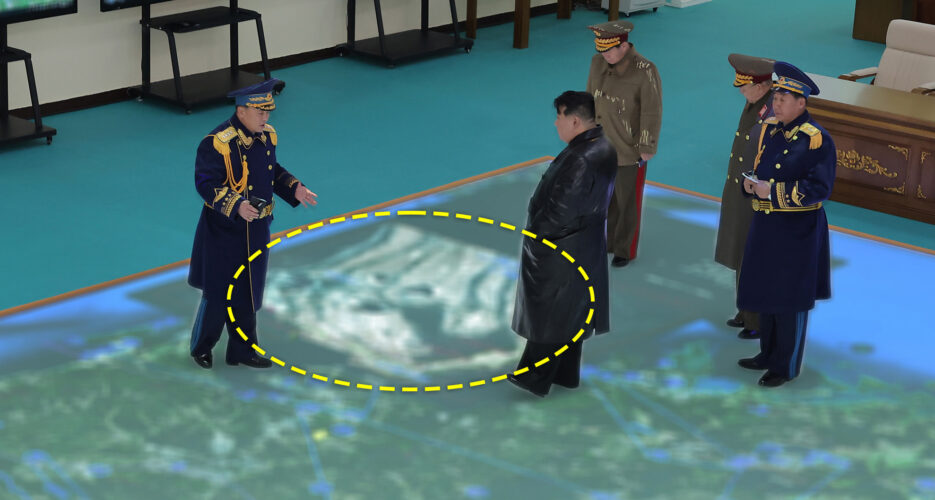 North Korean military authorities showed leader Kim Jong Un what appear to be five-year-old satellite imagery of a U.S. military base last week, rather than shots taken from the DPRK’s new military spy satellite, according to NK Pro analysis. The finding raises questions about the operation of the satellite that North Korea says is successfully snapping photos of targets in both South Korea and the U.S., while also underlining Pyongyang’s possible concerns about revealing sensitive information through such photos. The blurred satellite image appeared as part of a Korean Central News Agency (KCNA) report on Friday of Kim visiting air force headquarters the previous day, where he was shown looking at large maps and satellite images of South Korea. Decker Eveleth, graduate research assistant at the James Martin Center for Nonproliferation Studies, identified that one satellite image displayed on a floor screen under Kim’s feet was of the U.S. Forces Korea Terminal High-Altitude Area Defense (THAAD) battery in Seongju County in southeast ROK. NK Pro analysis shows that features in the image appear similar to how the base looked prior to summer 2018, indicating the image Kim viewed is over five years old. 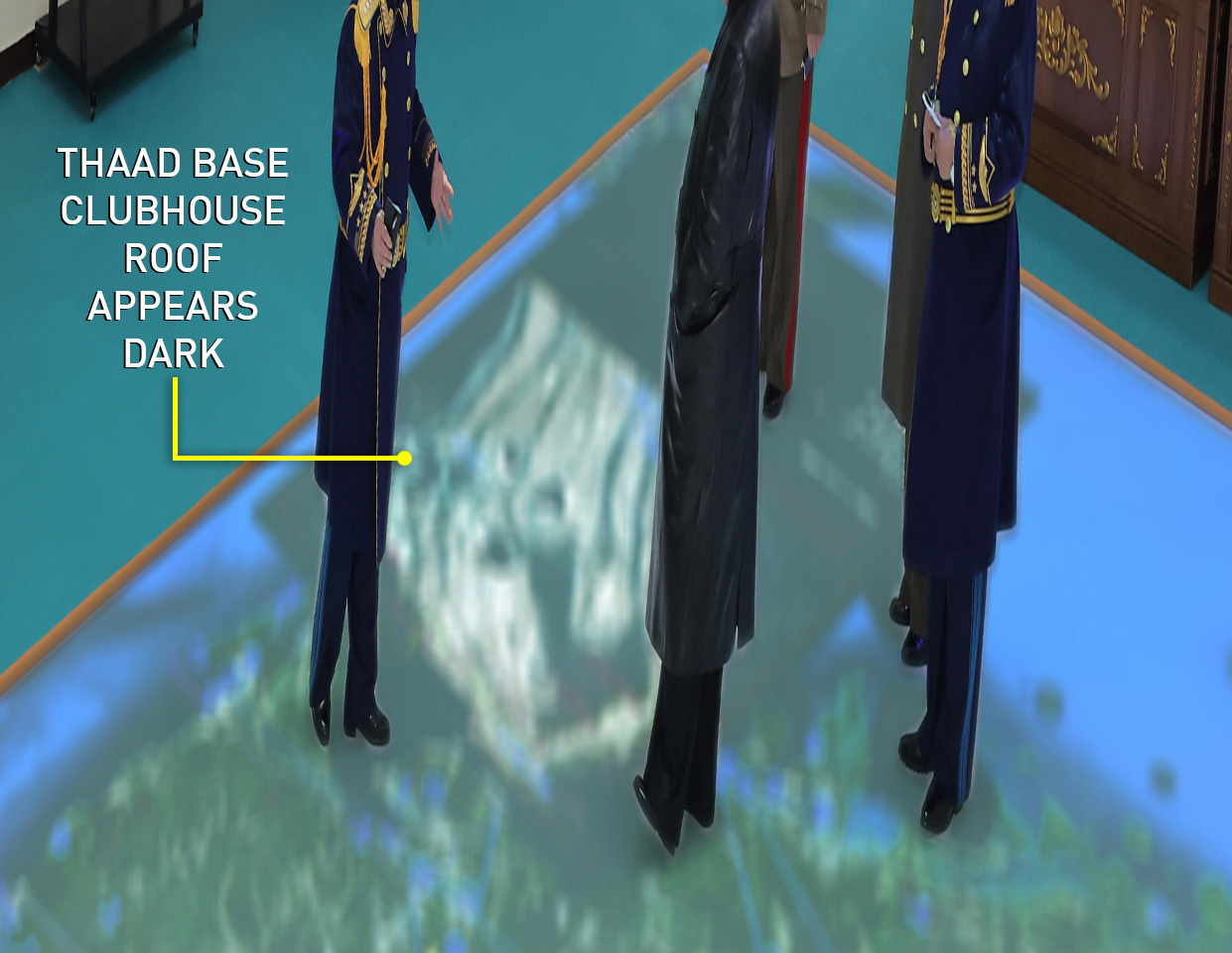
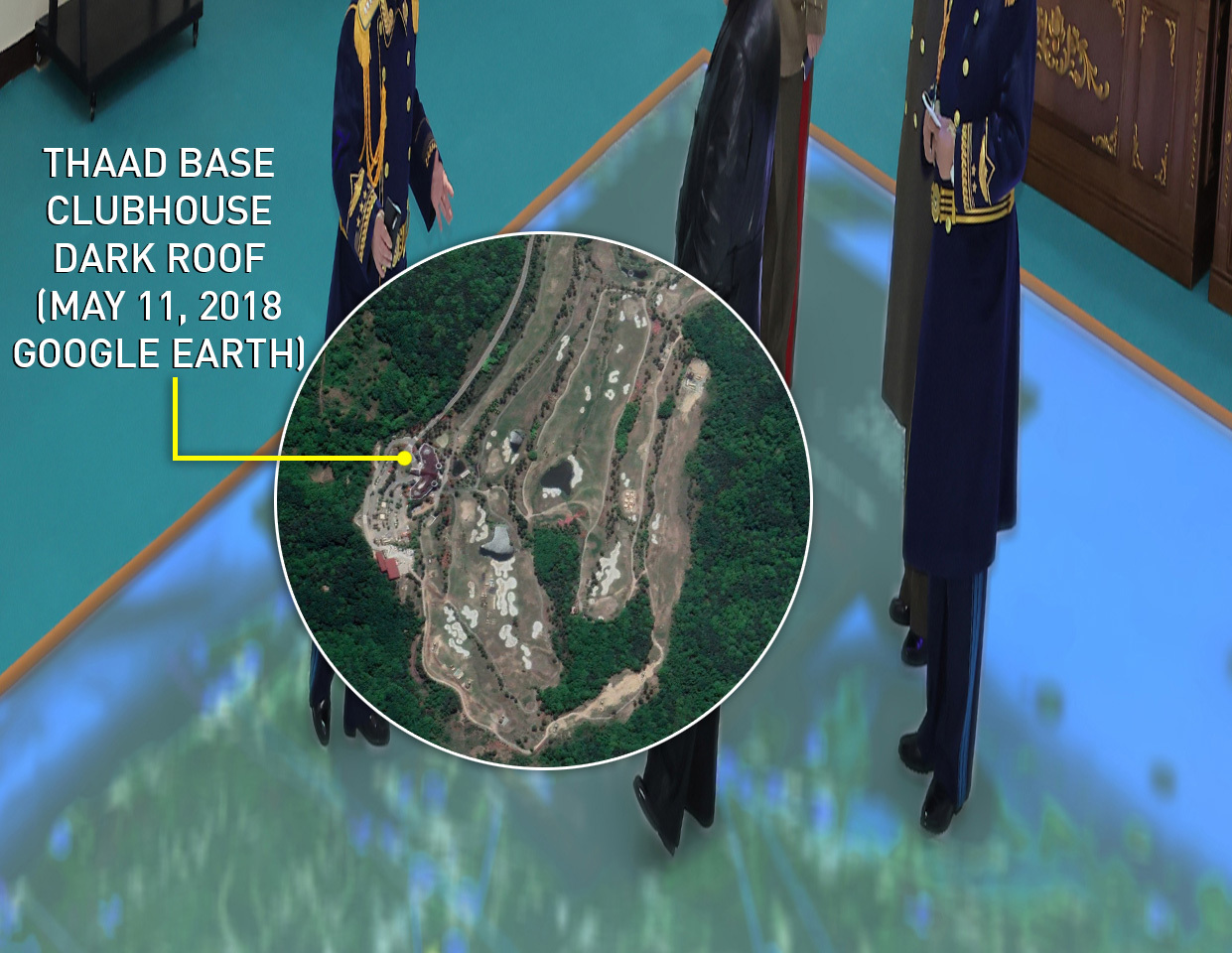
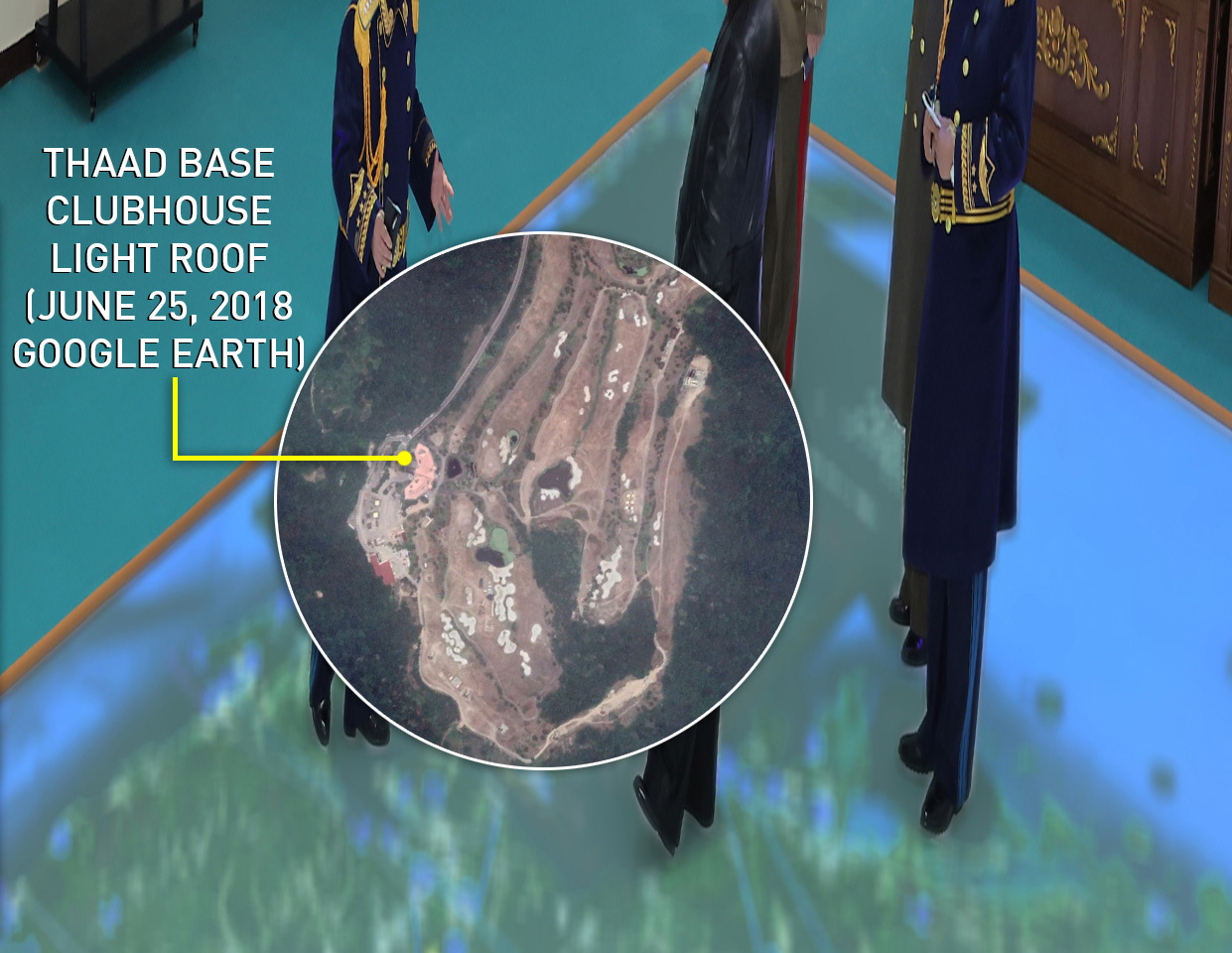
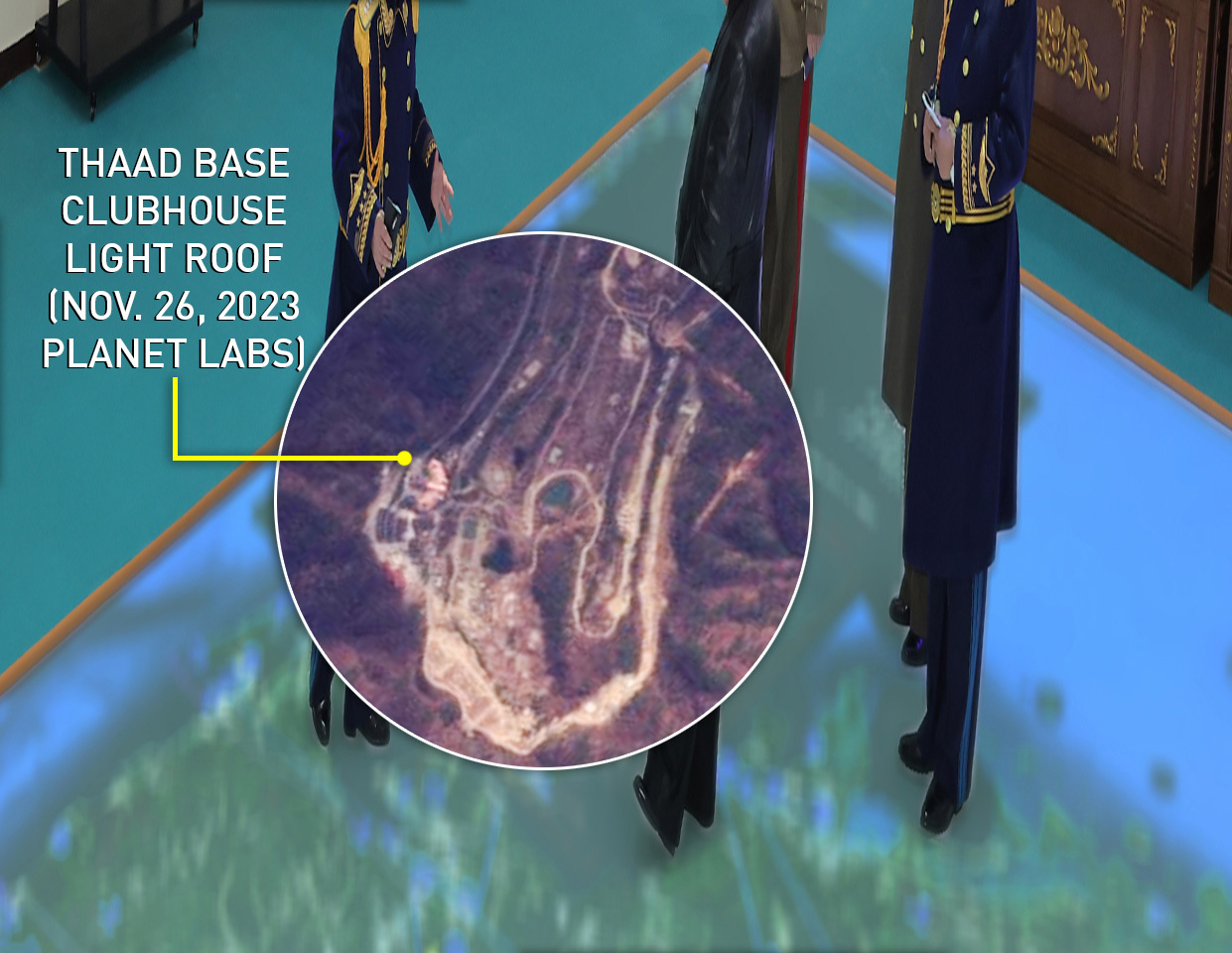
A large clubhouse at the base — formerly a golf course called Lotte Skyhill — appeared with a dark-colored roof in the image Kim was viewing, but Planet Labs satellite imagery shows the building has featured a lighter-colored roof since May 2018. While KCNA blurred the image, the roof should show up as a lighter color in both low and high-resolution images if taken since North Korea launched its Malligyong-1 satellite on Nov. 21. This suggests that Air Force Commander Kim Kwang Hyok showed the DPRK leader an image that wasn’t taken by the satellite. It may have instead been a photo taken from a free online source, though it remains unclear why a more recent image was not used. The use of an old image does not necessarily disprove North Korea’s claims that the Malligyong-1 is successfully transmitting images, but it does raise questions over why the air force did not show Kim imagery from the new satellite, especially since state media has boasted numerous times of its activities over South Korea. One possibility is that the air force had not yet received images from the Malligyong-1 at the time of Kim’s visit. State media reported Saturday that the National Aerospace Technology Administration (NATA) newly established the “Reconnaissance Satellite Operations Office” under the NATA Pyongyang General Control Center to coincide with the start of the Malligyong-1’s official “mission.” The office will relay satellite imagery or related intelligence “to the relevant permanent executive department of the Central Military Commission of the Workers’ Party of Korea” and will only offer this information to individual units or organizations “upon instruction,” according to state media. 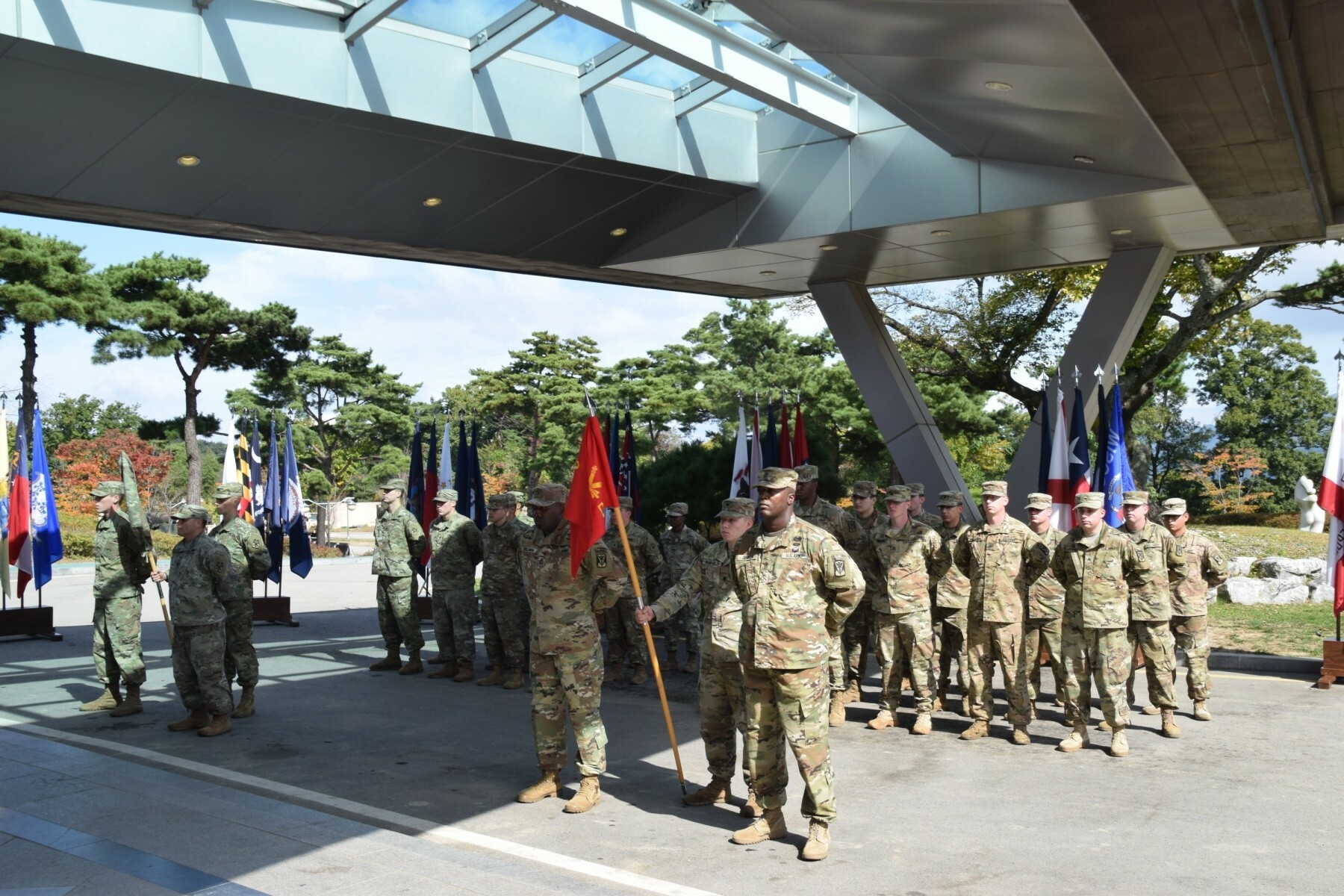
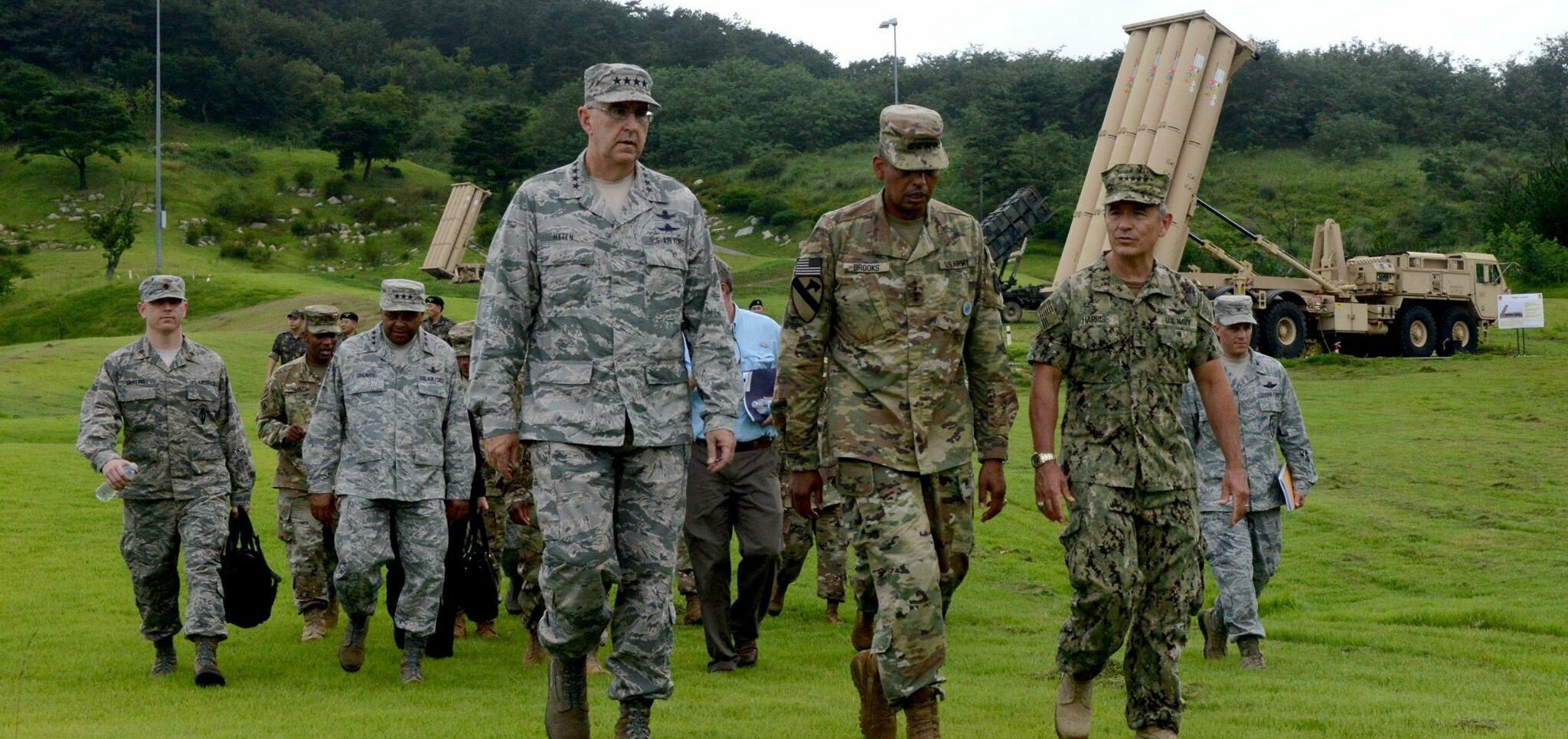
Pyongyang may also have deliberately displayed old imagery to confuse adversaries or avoid revealing sensitive details about the new satellite. Experts say that detailed analysis of satellite imagery can reveal significant information about the satellite itself, noting that most countries are thus highly circumspect about releasing such militarily sensitive imagery. On the other hand, Pyongyang could have also chosen to use imagery consistent with contemporary features of the THAAD base to support its claims that the satellite is operating successfully, while still blurring the images to avoid leaking sensitive information. State media has not yet directly shown any images that it claims were taken by the new satellite, but KCNA published brief reports about Kim reviewing imagery almost every day for a week after the Nov. 21 launch. Edited by Bryan Betts © Korea Risk Group. All rights reserved. |

October 28, 2026Oct 28, 2026

The ultimate resources for professionals working on North Korea
 SHARE
SHARE COPY LINK
 X
X MASTODON