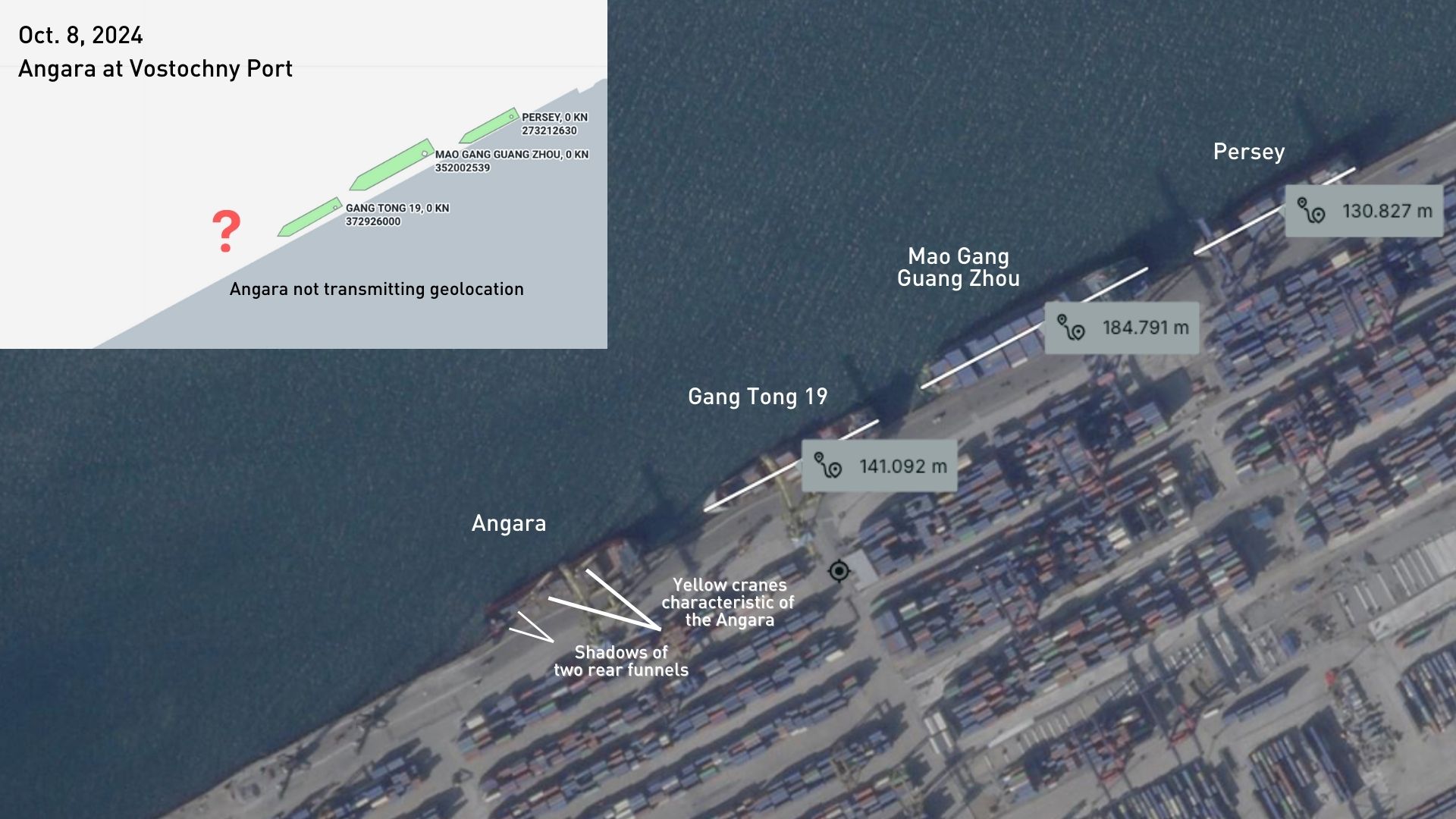
  Investigations Russian ship returns to North Korean port in sign of continuing arms tradeAngara’s visit to Rason comes as port calls have slowed but not stopped in operation to send weapons for use in Ukraine 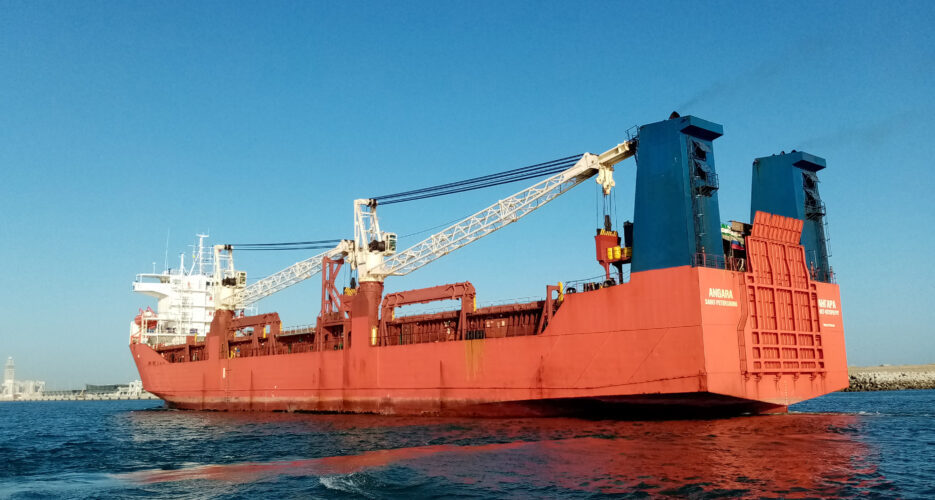 A Russian vessel known to play a key role in a North Korean arms shipping scheme visited a DPRK port as recently as last week, a sign that Pyongyang continues to supply Moscow with weapons for its war effort in Ukraine. NK Pro analysis of satellite imagery shows a vessel closely matching the hull parameters of the U.S.-sanctioned Angara docked at the North Korean port of Rason on Oct. 5, likely to pick up containers bound for Russia. Satellite imagery and navigation data from Oct. 8 shows that the Angara eventually sailed to Vostochny Port, the key destination for Russian shipments from Rason, to offload cargo. The Angara’s visit comes after another Russian vessel involved in the scheme — the Maria — berthed at Rason at least twice last month, on Sept. 6 and 15. The vessel appeared to dock at Vostochny in between the visits on Sept. 9, according to satellite imagery, but it remains unclear whether it returned to the port after the Sept. 15 trip to Rason. Neither the Angara nor the Maria appeared to offload cargo at Pier 1, according to satellite data. 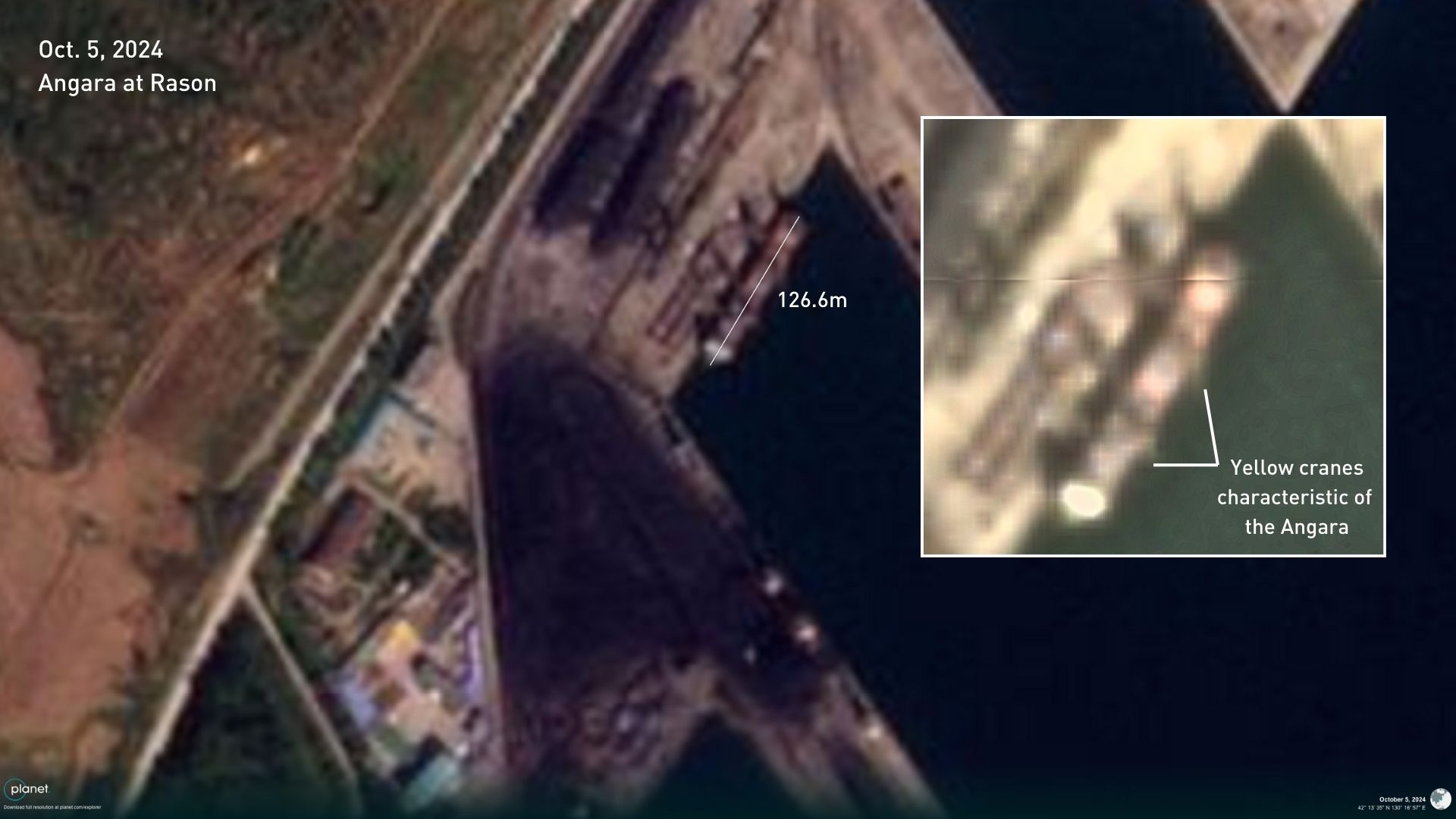
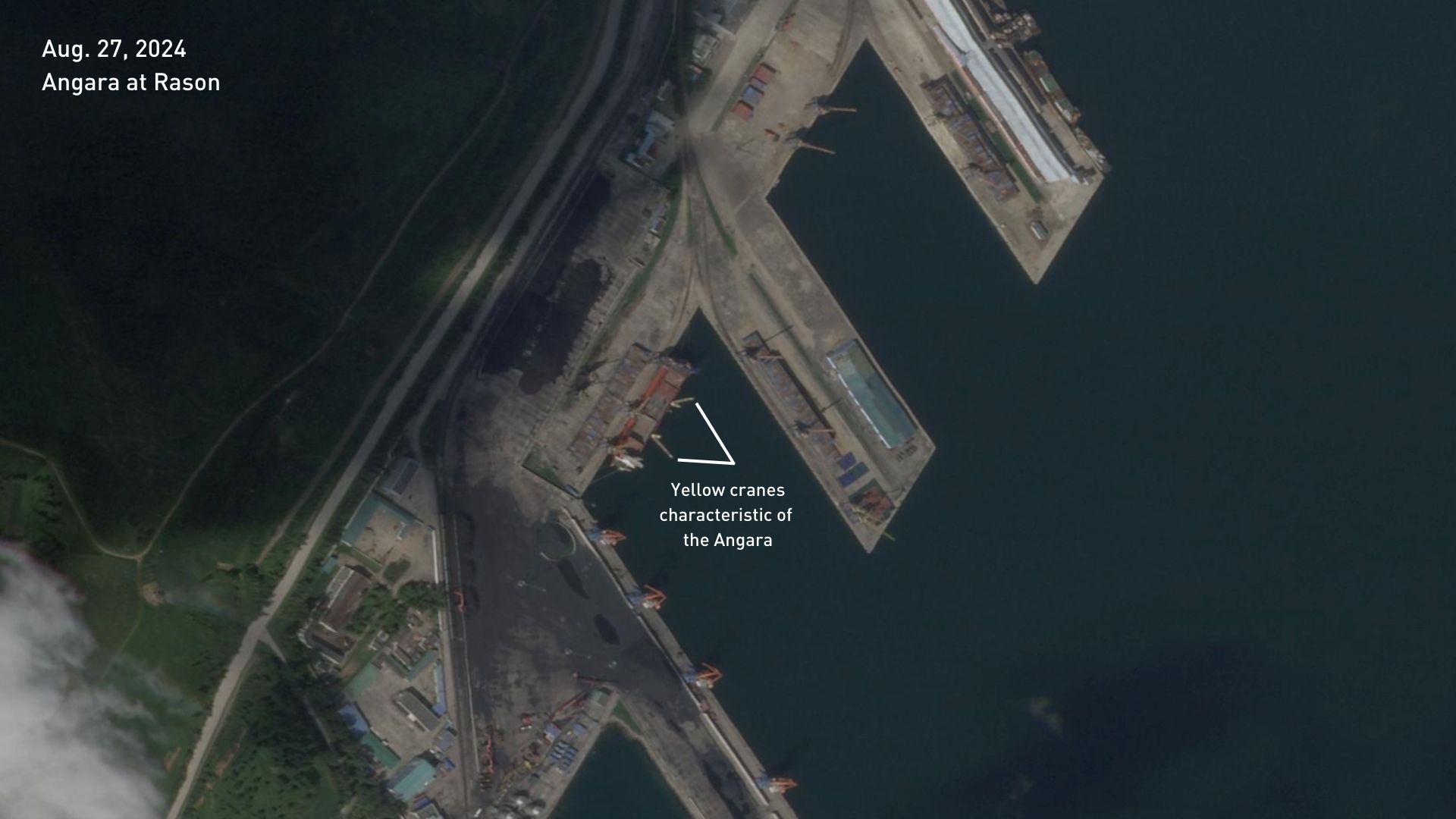
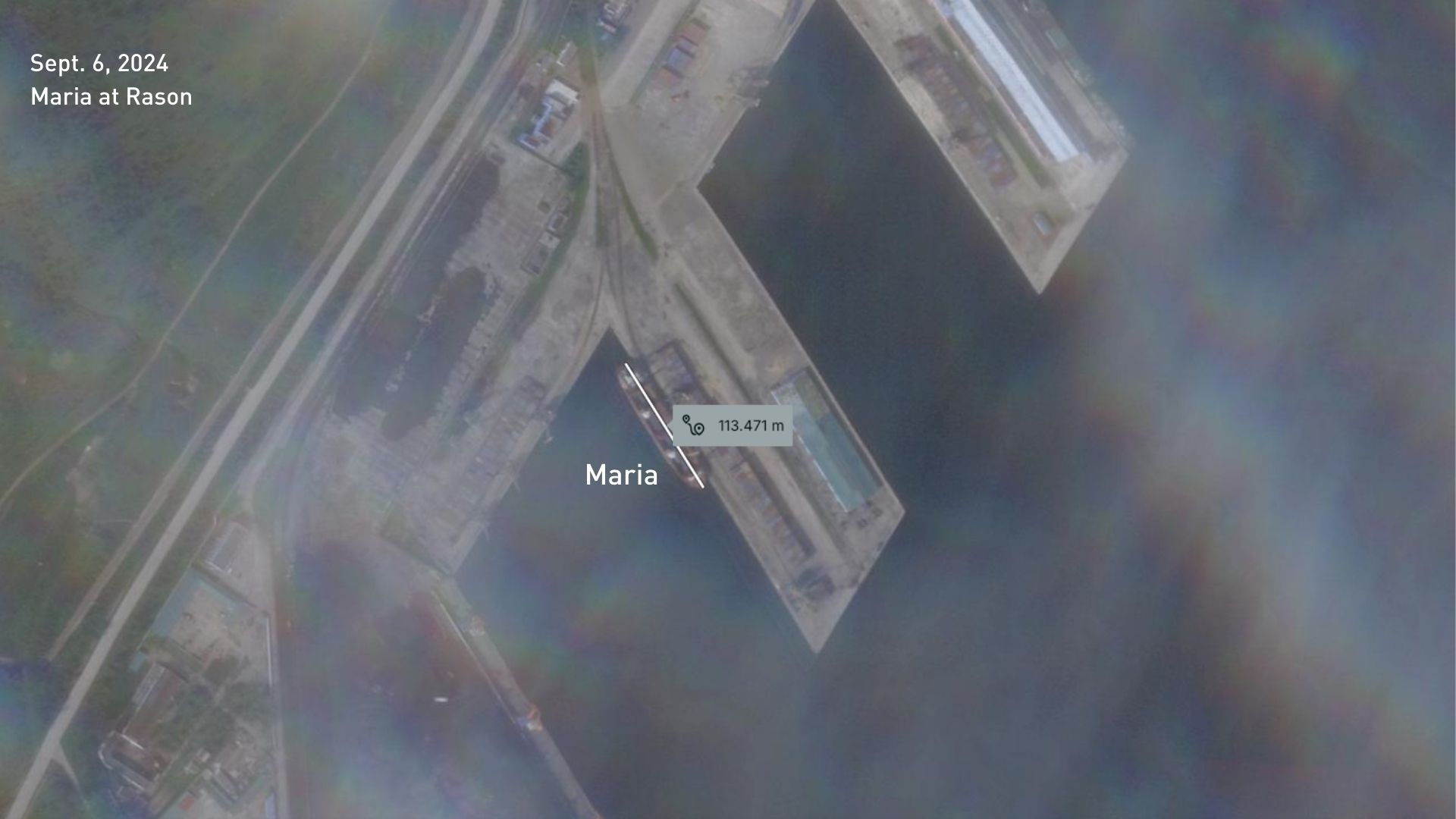
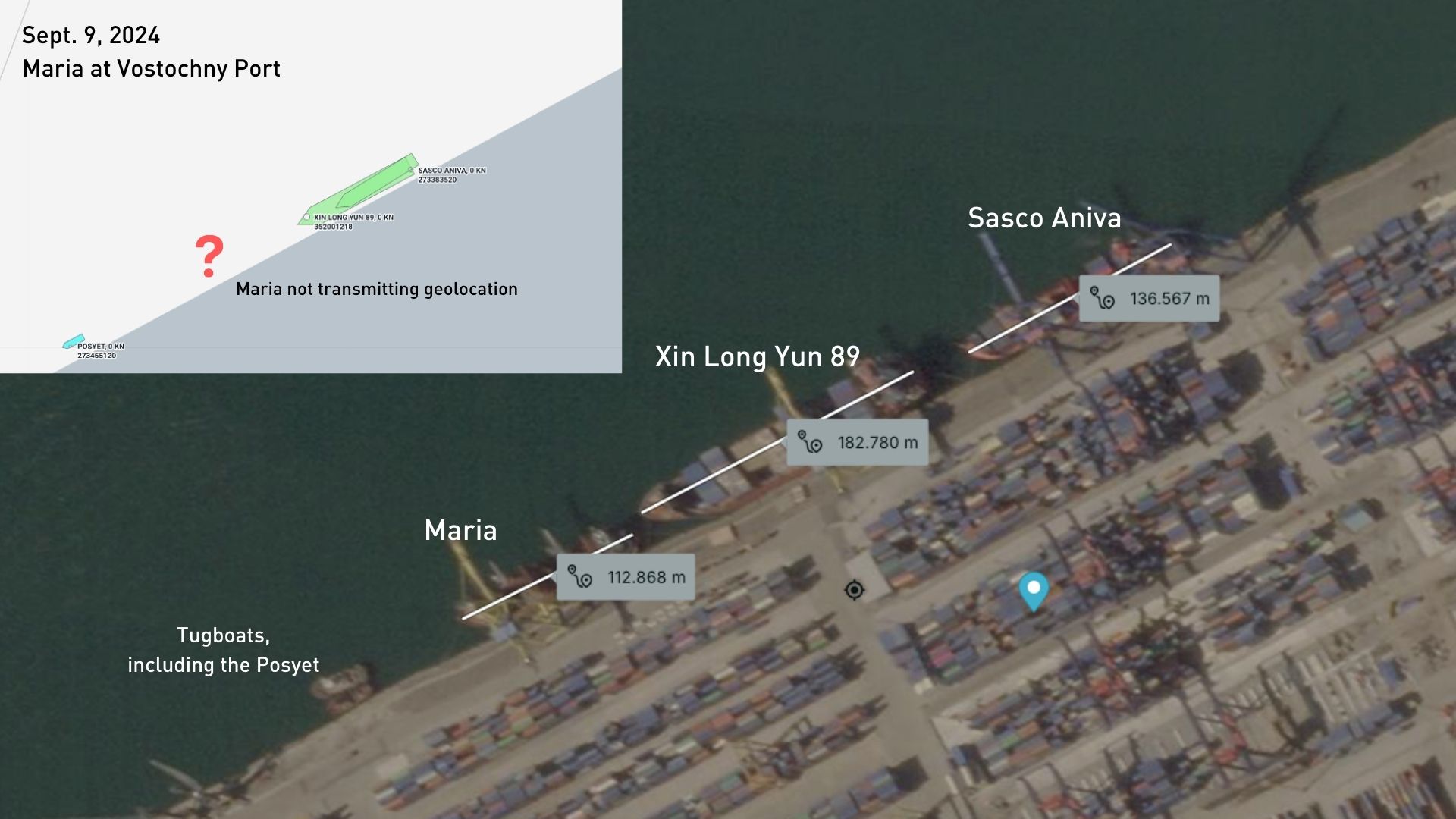
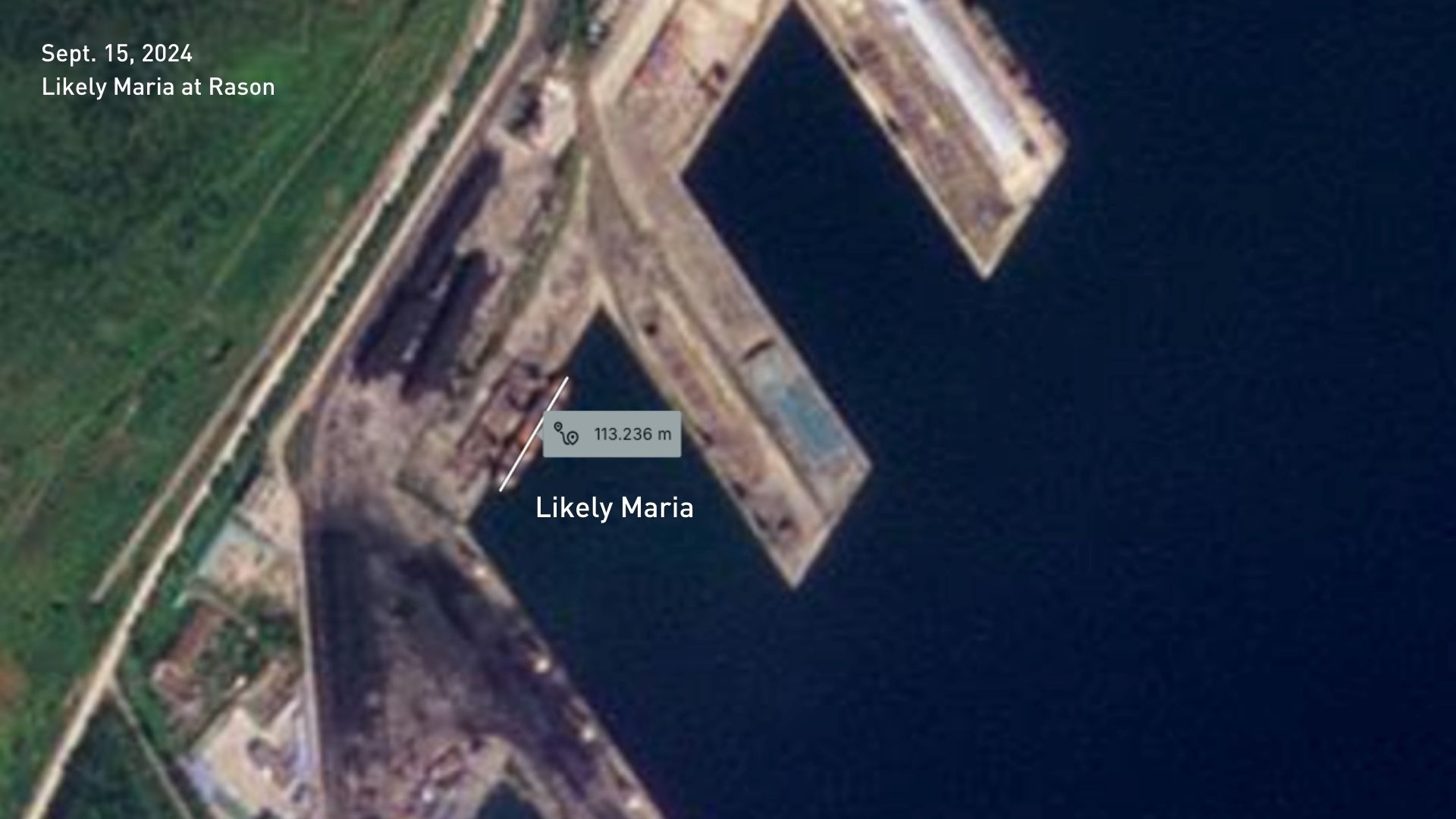
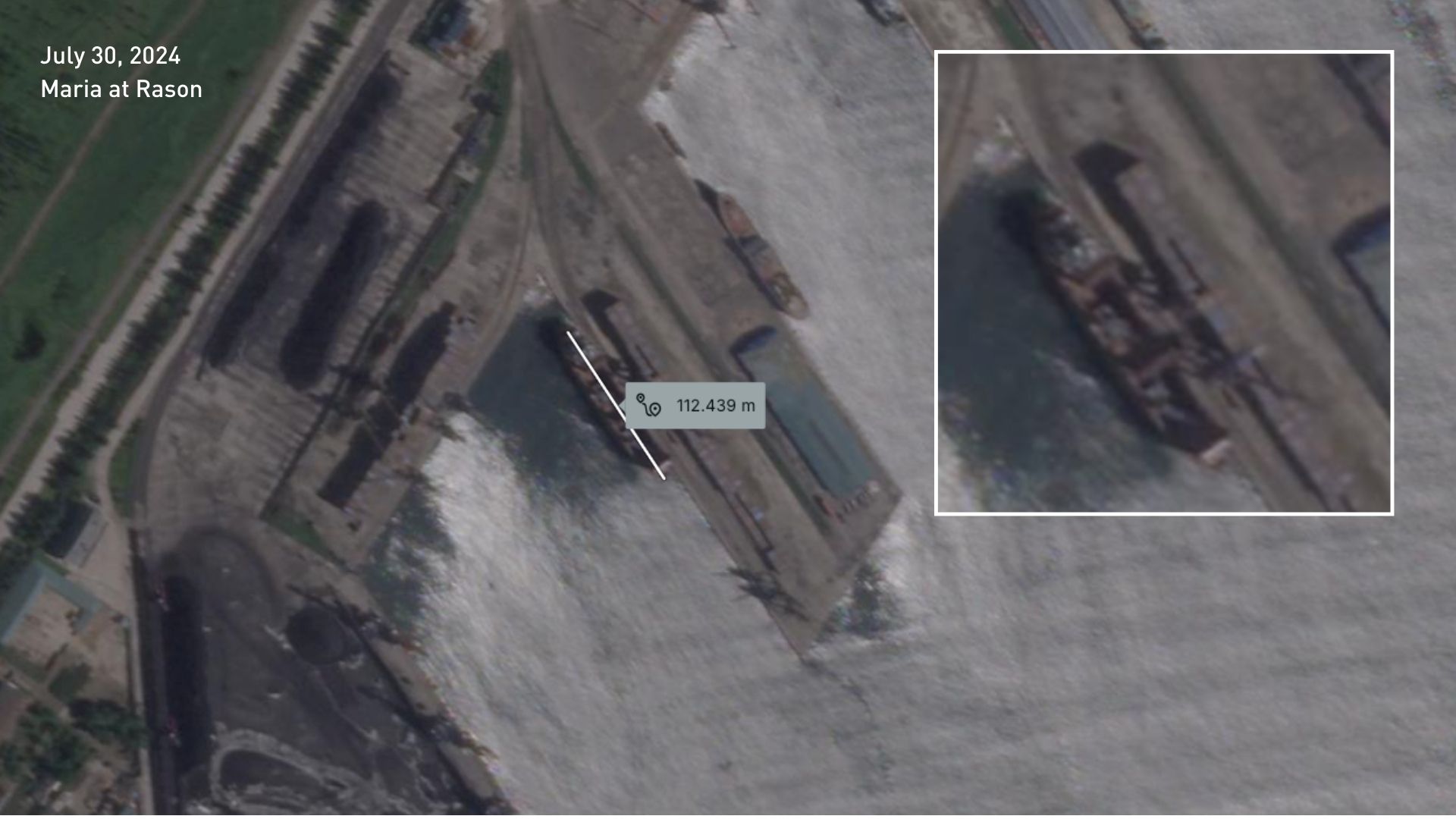
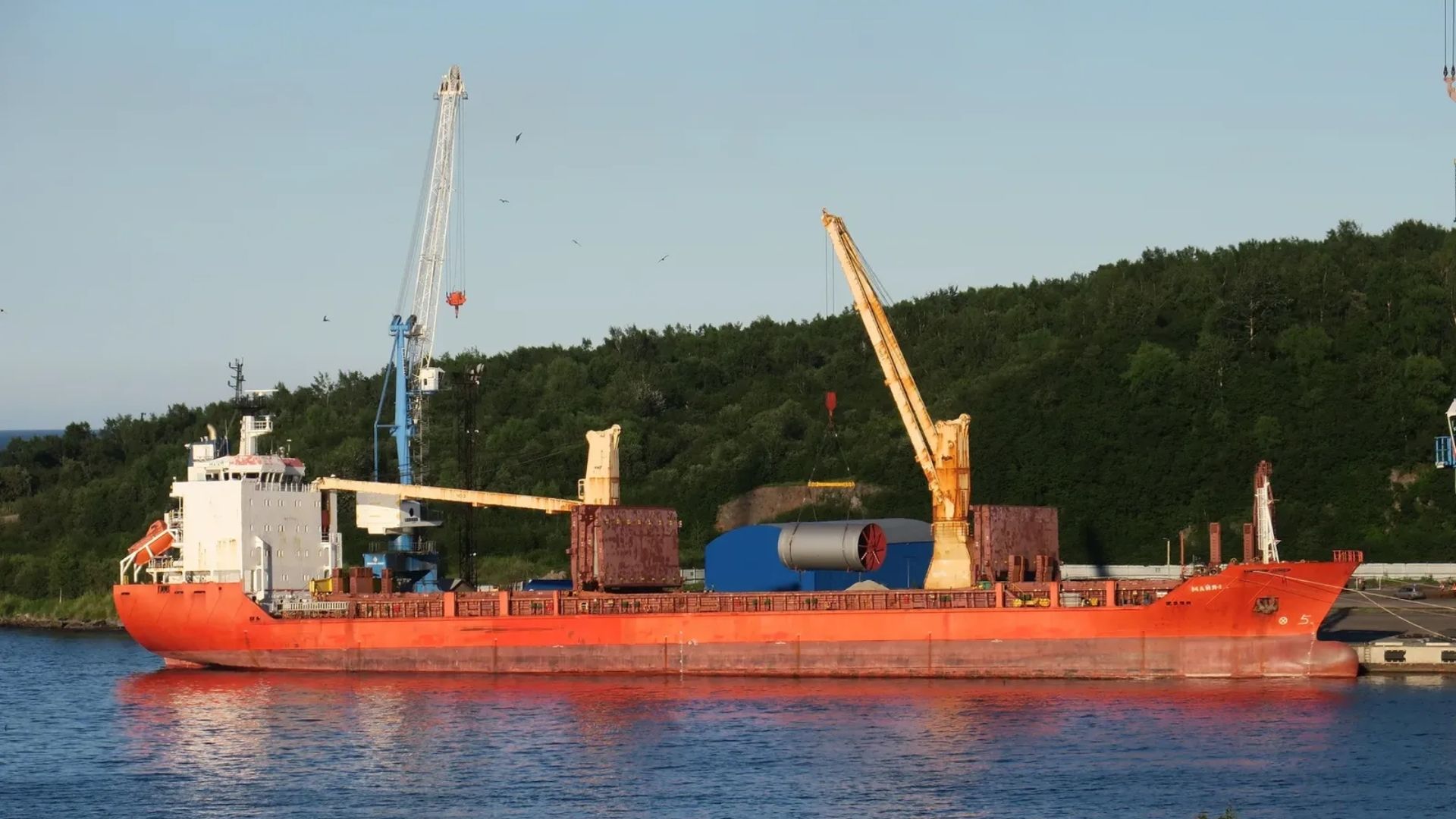
The latest trips come as the number of observable port calls by Russian ships at Rason has declined in recent months, though the operation never fully stopped. Visits by the four Russian vessels linked to the operation — the Angara, Lady R, Maia-1 and Maria — dropped to an average of two to three per month from February to July, while only one visit by the Angara was clearly visible in satellite imagery in August. However, it’s possible that additional trips to Rason went undetected due to poor weather conditions during the summer months when cloud cover often limits the visibility of the port in satellite imagery. NK Pro analysis of satellite data shows that the four Russian vessels have made nearly 50 known trips to Rason since Aug. 2023, when North Korea began transporting containers presumed to contain artillery shells and missiles through the port. The U.S. previously claimed that the containers filled with military equipment onboard the ships ultimately ended up at a Russian arms depot near the Ukrainian border. The operation reached its peak in Oct. 2023, with seven confirmed visits to Rason, and the monthly frequency remained relatively steady until January. The Angara previously underwent repairs at China’s Zhoushan Xinya Shipyard from early February to late April before resuming operations, visiting Vladivostok in May and Rason again in June. The Maria and Lady R appeared to fill in for the Angara during its apparent repairs, serving as key vessels of the scheme. However, the Lady R has not visited Rason since May, and the Maia-1 appears to have dropped out of the operation entirely. The Maia-1 stayed at a maintenance pier in western Vladivostok from May before heading to Vanino, a port some 600 miles north, in June. The ship loitered outside the harbor until late July and eventually berthed, appearing to load or offload cargo that included an unidentified cylindrical-shaped device, according to a photo published by a MarineTraffic user. Katsu Furukawa, a former member of the U.N. Panel of Experts, told NK Pro that the device is unlikely to have a military function as it resembles a mining ventilation fan casing, but said further scrutiny is needed to determine the nature of the object. Two weeks later, the Maia-1 sailed south in the direction of Nakhodka, not far from Vostochny Port, before eventually switching off its automatic identification system signal. The vessel has remained in the Nakhodka harbor since early September, when it resumed its broadcasts, according to MarineTraffic data. The Maia-1’s last recorded visit to Rason dates back to early February. The Maia-1 is the only one of the four ships that has consistently broadcast its location over the past several months, while the others have sailed under the radar. 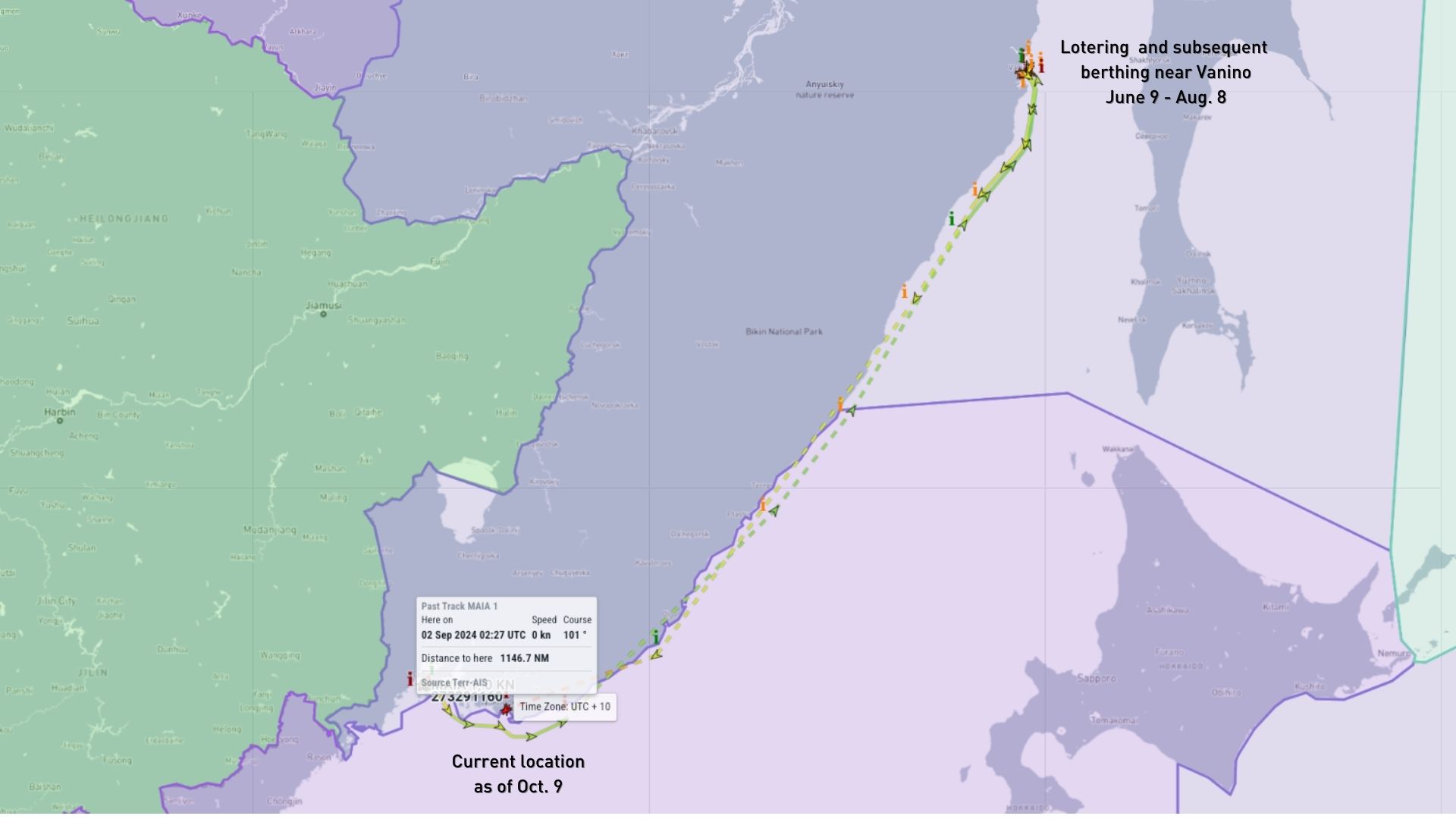
The Angara’s latest trip to Rason last week comes amid signs that North Korea continues to actively support Russia’s invasion of Ukraine in line with the two countries’ efforts to strengthen military cooperation. Reports emerged last week that Ukraine had killed six North Korean officers assisting Russian forces with DPRK artillery in a strike near Donetsk, and South Korea’s defense chief said the reports are likely true, suggesting that North Korean military personnel could deploy more troops to aid Russian forces in Donbas. Ukrainian officials confirmed the deaths of DPRK soldiers, stating that North Korean engineers are currently constructing a new training ground near Mariupol. Seoul assessed in August that North Korea has shipped over 13,000 containers likely containing artillery shells and other munitions to Russia through Rason since the start of the operation last year. The Times has reported that North Korea supplies about half of the artillery rounds Russia is using in Donbas, citing Western intelligence sources. In September, Kyiv’s military intelligence chief called North Korean arms deliveries Ukraine’s “worst problem,” warning that Pyongyang’s continuous supply of weapons is fueling the intensity of Russian offensives. Colin Zwirko contributed reporting to this article. Edited by Bryan Betts © Korea Risk Group. All rights reserved. |

October 13, 2026Oct 13, 2026

The ultimate resources for professionals working on North Korea
 SHARE
SHARE COPY LINK
 X
X MASTODON