
  Analysis Why 2020 is Kim Jong Un’s most challenging year yetSanctions, border closures, COVID-19 and terrible weather are all snowballing into serious problems for the DPRK 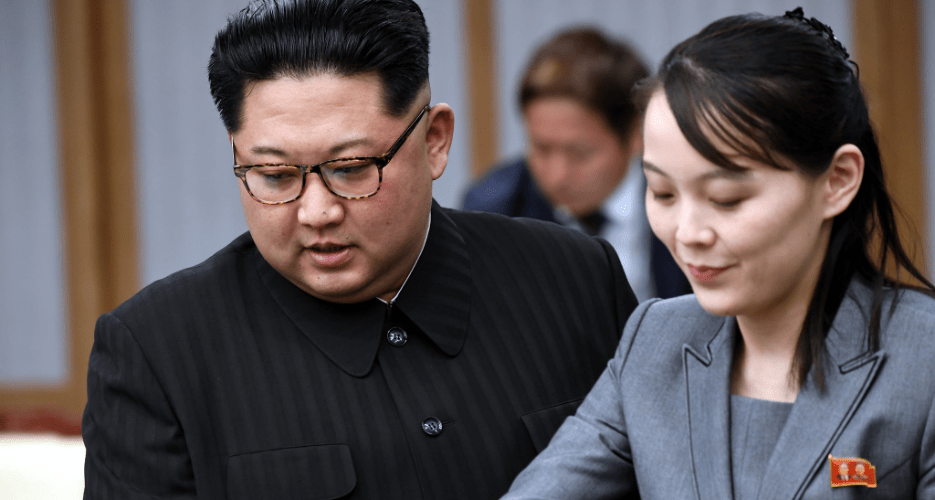 This article has temporarily been taken off the NK Pro paywall. Click here to learn more about NK Pro and subscribe. 2020 has arguably produced the most challenging set of circumstances for the DPRK leadership since Kim Jong Un took power in Dec. 2011. While COVID-19 has disrupted many countries around the world, the global pandemic arrived at a particularly challenging time for Pyongyang. Harsh international sanctions imposed in 2017 have remained fully in place for almost three years now due to the failed Hanoi summit in 2019. Partially because of these sanctions, Kim Jong Un warned in Dec. 2019 that the economic outlook was looking poor for 2020 – even before COVID-19 had arrived. Meanwhile, bad weather this year exacerbated the DPRK’s existing humanitarian situation, which is now even worse amid COVID-19 border closures. While none of these issues will pose an existential challenge to the government, these problems are likely to continue mounting in the short-to-medium term. As a result, unless the DPRK decides to make some major domestic and foreign policy changes, the next year or two will result in steadily worsening living conditions, growing economic problems and a declining humanitarian situation throughout the country.  KEY CHALLENGESOverall, four sets of issues have combined to create expanded challenges for the DPRK leadership in 2020. These include: Chronic sanctions impact: In retrospect, it seems clear that Pyongyang was banking on its charm offensive of 2018 to result in rapid-fire sanctions relief. Diplomacy with South Korea was supposed to result in large-scale economic and development aid; a deal with the U.S. in Hanoi should have achieved partial U.N. sanctions relief; rapprochement with China ought to have facilitated a significant and lucrative increase in bilateral economic activity. But the ROK was too nervous to do anything more than symbolic activities with the DPRK, the Hanoi deal fell apart – meaning sanctions remained fully imposed – and North Korean exports to China have remained just a small quantity of what they once were. The failure to meaningfully reboot DPRK-U.S. diplomacy after Hanoi meant that, by the end of 2019, Kim Jong Un was aware that there was little sign that things could change. Consequently, the year was notable for ending with his public acceptance that it would be a “fait accompli” for sanctions to remain well “[into] the future”. And with international sanctions allegedly cutting off 90% of the North’s legal exports since 2017, Kim Jong Un felt justified in his end-of-year warning that citizens might even need to “tighten [their] belts” – something he vowed in 2011 would never need to happen again. And with the possibility of a Biden presidency in the U.S. next year, Kim may have been right: Prospects for another DPRK-U.S. summit in 2021 appear to be fading, and another summit could help alleviate sanctions pressure. Growing COVID-19 complications: With significant North Korean concerns about COVID-19 arising in January, authorities were among the first in the world to impose a range of severe restrictions to prevent its entry into the DPRK. And though measures looked to be relaxing in late spring, they toughened again in July. Key measures include:
As a result of these measures, North Korea has now experienced the longest border shut-down since the end of the Korean War. But several of these measures undoubtedly create additional economic burdens at a time when the DPRK is already facing difficulty. With no end in sight, it is probable that existing economic tensions will be seriously stressed by these controls in the medium to long term. This may be why DPRK state media outlet Uriminzokkiri warned in March that anti-COVID-19 measures came with the risk of “huge economic loss” to the DPRK. Economic mismanagement, poor planning: In addition to the problems created as a result of chronic sanctions impact and COVID-19, North Korea’s leadership has been remarkably frank in state media about the economic impact of mismanagement and corruption. For example:
Consequently, it appears that existing economic problems relating to corruption, mismanagement and poor planning have been heightening in 2020. Bad weather, growing anxiety about food supplies: Even though Kim Jong Un was happy to declare that 2019 yielded a bumper harvest, the country was subsequently blighted in 2020 with an exceptionally wet and extended monsoon season. Heavy rains between July and August followed by a medium-level typhoon recently raised concerns about the health of crops and the potential impact on food supplies in 2021. In Feb. 2020, the U.N. warned 10.1 million North Koreans would need “urgent” food aid this year, and that alert was made once again in March. Then in August, the U.S. Department of Agriculture (USDA) warned that things may even be worse: The new International Food Security Assessment report, which covers projections for 2020 to 2030, estimates that 15.3 million North Koreans – or 59.8% of the population – are “food insecure.” While things are estimated to gradually improve by 2030, the projected number of North Koreans who will face food insecurity in 2030 jumped by 1.5% compared to USDA estimates made before COVID-19.  IMMEDIATE IMPACTSKim Jong Un’s leadership has already been grappling with the impact of 2020’s massive vortex of challenges. These challenges have manifested in high-profile issues that risk stimulating negative domestic sentiment, reduce the scope of help for the neediest of North Korean citizens and are symptomatic of snowballing economic challenges. Delays, problems afflict keynote construction projects: Repeated delays to the Wonsan Kalma tourist resort – now almost two years behind schedule – combined to Kim Jong Un’s own complaints about troubles afflicting the Pyongyang General Hospital project show that the government is increasingly incapable of delivering on high-profile state construction initiatives. Small and medium-sized projects impacted, too: Construction projects that were not mentioned in state media are also encountering difficulties and delays, suggesting problems are nationwide and chronic. Notable examples include new apartments adjacent to Kim Il Sung Square – still incomplete according to May 2020 photos seen by NK Pro — as well as the still barebones nature of the Pyongyang General Satellite Control Center expansion project and slow progress to infrastructure adjacent to the New Yalu River Bridge. Mass exodus of foreigner community, international isolation: Since Jan. 2020, North Korea’s already-small foreign community shrunk to unprecedented levels due to strict COVID-19 prevention measures. One by one, European missions have been “temporarily” shutting down offices since March. Meanwhile, U.N. workers have decreased by at least a third, and only three of seven humanitarian organizations remain on the ground. Besides contributing to the increasing international isolation of the DPRK, the shrinkage of the humanitarian community has immediate implications for the neediest of DPRK citizens. Pricing instability, shortages of goods: Unofficial data tracked by the Seoul-based Daily NK has shown significant pricing instability across a range of commodities since February. Though NK Pro exchange rate data shows that currency has been spared from significant shock, there have been some notable fluctuations of late. One of the biggest consequences was in April, when the anticipation of imported foodstuff shortages became acute: panic buying throughout Pyongyang. Decimation of the tourism industry: While 2018 and 2019 saw a massive influx of Chinese tourists — an estimated $175 million of extra revenue for Pyongyang — the COVID-19 situation stopped the industry in its tracks. Besides the immediate cash loss, the absence of the industry will have put thousands of travel industry-related personnel out of jobs across the country. Representing a mostly middle-class segment of DPRK society, this will also create a significant disruption to families reliant on foreign exchange tips and bonuses from the industry. Absence of missile testing, military exercises: The DPRK has not publicly tested a missile or revealed military exercises/drills since April, though it’s not clear if economic hardships or concerns over COVID-19 are the reason for the halt. Following Kim Jong Un’s claim in Dec. 2019 that “the world will witness a new strategic weapon to be possessed by the DPRK in the near future,” extensive short-range and submarine missile testing in 2019 and early 2020 took place, as well as two engine tests last December. Therefore, the recent silence is notable. While the North might be holding back on more testing for political reasons, it is possible that the challenges setting back keynote state construction projects are also impacting ongoing WMD development. Aid rejected due to COVID-19 concerns: North Korea’s concerns about facing a COVID-19 outbreak are so significant that the state has recently made clear it is unwilling to accept international help. Consequently, Kim Jong Un said in August that the DPRK would not “allow any outside aid” for flood damage and instead “shut the border tighter” to minimize the risk of infection. Days later, it emerged that Pyongyang plans to close an important sea route commonly used for delivering aid between Dalian, China and Nampho, North Korea. It is unclear when this directive can be reversed.  LONG-TERM CONCERNSAs shown, Kim Jong Un’s government is encountering an unprecedented range of challenges that are setting back the country in a number of areas. Absent radical steps to counter some of these, it is possible that a range of longer-term problems could emerge from the current vortex, all of which will further complicate the outlook for Pyongyang. In addition, scheduled events like the 75th anniversary of the founding of the party pose serious risks that could trigger catastrophic public health outcomes. Key long-term issues of concern include: Low chance of a diplomatic deal, sanctions relief: The reality is that unless President Trump is re-elected, there is little chance of a major DPRK-U.S. deal to emerge in the short-to-medium term. Biden has repeatedly indicated that he has no interest in “cozying up to dictators” and has produced campaign ads that have directly criticized Trump for meeting with Kim Jong Un. Further, a draft policy on how the Democratic Party hopes to deal with North Korea emerged in July and drew consternation from some pro-engagement commentators for lacking any creative initiatives to end the Korean War or spur denuclearization. North Korea, too, made clear its consternation for Biden as a candidate, with state media calling for his death last year. As a result, it is unlikely Biden would seek out summits or accelerated initiatives to make a deal with North Korea should he be elected, meaning there is little chance of Washington backing multilateral sanctions relief any time soon. Economic woes likely to cement: The prospect for economic improvement is currently bleak. Since the last United Nations Security Council resolution was agreed upon in Dec. 2017, the sale of all of North Korea’s most lucrative commodities and goods has effectively been made illegal. COVID-19 further added to this: Unless an effective vaccine is produced and widely distributed soon, traders in the DPRK will need to contend with expanded friction at the border for the foreseeable future. Already, this has led to temporary closures of ports and even reports of crackdowns against those working on illicit imports or exports. Consequently, both North Korea’s licit and illicit activities are likely to be less profitable than normal, for quite some time. And COVID-19 related restrictions also mean that the travel industry – which had grown so sharply in 2018/2019 – is also likely to remain on ice for long. That leaves sanctions-breaching activities as the only realistic means to generate significant revenue for the DPRK, which are by nature inefficient and often cumbersome. Donor interest and humanitarian capabilities likely to dwindle: Given the ongoing exodus of foreign personnel in the DPRK and harsh movement restrictions that prevent remaining humanitarian staff from monitoring aid projects, North Korea is unlikely to be a donor priority in the next year or two. With no opportunity for donor dollars to be tracked or independent data on the aid work they paid for to be collected, it will be very difficult for the UN system, NGOs or IGOs to raise money for North Korea projects. This is likely to be significantly exacerbated by the existing challenges faced by humanitarian groups worldwide, due to strains on the donor community created by the global economic downturn and COVID-19 priorities elsewhere. And compounding this, suspected food shortages on the ground may be worsened next year due to weather problems afflicting the peninsula this year. Significant COVID-19 risks from October 10 parade, festivities: North Korea claims the country is virus-free based on just 2,700 COVID-19 tests, according to the World Health Organization. Meanwhile, all indicators suggest that Pyongyang is going ahead with its largest-ever military parade on Oct. 10 to celebrate the 75th anniversary of party founding day. Furthermore, preparations are underway for a large-scale gymnastics and propaganda event, state media confirmed in June. The first event includes over 20,000 military personnel and the second will comprise tens of thousands of performers and spectators during each show. If precedence is accurate, the DPRK may transport large numbers of spectators to observe the Mass Games event from around the country. In other words, authorities appear to be taking a huge public health risk for the anniversary: If a COVID-19 outbreak takes place during these events, it could spread very rapidly through North Korea. Blame culture may breed conformity, non-creative thinking: Since Kim Jong Un has become leader of North Korea, he has made complaining publicly about poor work standards a regular part of his activities. This has resulted in officials being shamed or scapegoated on the front pages of the Rodong Sinmun on a regular basis. Further, Kim Jong Un has dismissed senior personnel for “corruption” or mismanagement. And in the wake of the failed Hanoi summit where some officials responsible for foreign policy have simply disappeared with no further trace – Ri Yong Ho and Kim Hyok Chol, for example. Overall, the longer these trends continue, the less likely it is that smart, enthusiastic and creative individuals will seek out important positions of influence/power in North Korea, given the growing risk of being quickly sacked, disappeared or publicly humiliated. Financial and political costs of state construction efforts may mount: Major state projects going sour mid-construction are nothing new in North Korea. However, the costs associated with an unviable project may raise questions about Kim Jong Un’s capacity for strategic planning over time, especially should difficult times be on the horizon. For example, the repeatedly delayed Wonsan-Kalma tourist resort, the Masikryong Ski Resort – where snow rarely falls naturally, and the seldom used Wonsan Int’l Airport put into question all of Kim’s ambitious development plans for the east coast region. Furthermore, ongoing activities to open parts of the Ryugyong Hotel after decades of delays, the strong chance that the forthcoming Pyongyang General Hospital will be lacking modern equipment goes and slow progress at the unfinished Samjiyon redevelopment raise more questions about the state’s ability to deliver. Key communities that may be infected include local entrepreneurs, who are often taxed to help facilitate construction, members of society keeping close tabs on state media output – who are more likely to notice the delays – and the families of the construction workers, who often work in difficult circumstances for little to no financial reward.
But the hard truth is that there’s no certainty of a cure coming anytime soon. Consequently, because the prospect for independently overcoming the mounting pressures is objectively so low, it will likely take significant outside help to resume growth levels similar to those experienced during the first five years of Kim Jong Un’s leadership. Realistically, Kim has several considerations which could provide a significant boost to the economy, but all of these have their own pros and cons. Key options could include: Counting on China: Last year, there were rumors that China may have donated as many as 1 million tons of grain to North Korea, with further claims in Dec. 2019 that the PRC had “plans to provide a massive amount of food aid.” China and the DPRK have continued to warm since then, in particular with Pyongyang’s rapid and public support for PRC actions in Hong Kong, its COVID-19 strategy and in the trade war with the United States. Therefore, it seems plausible that Kim Jong Un could gain meaningful help from Xi Jinping to tackle his growing menu of challenges. The cost, however, is that this approach would likely require an easing of COVID-19 restrictions – something Pyongyang has been very anxious about so far – and could increase reliance on a single superpower, which gives Beijing even more unwelcome leverage. Warming relations with South Korea: The ROK is eager to catalyze its relationship with North Korea, and would likely be willing to provide significant aid and assistance if Kim Jong Un were to pursue it. While Seoul is unlikely to try bending the sanctions regime too much – where real money could be had for Pyongyang – its recent frustration with the U.S. is more likely than ever to translate into modest forms of economic cooperation with the North that would have been unthinkable just two years ago. The cost for Pyongyang, however, is that this would likely require the welcoming of large numbers of South Koreans – something DPRK security and health services would be anxious about – and some modest steps towards denuclearization. Offering the U.S. a very attractive deal: The DPRK could also likely overcome the mounting problems by reengaging with the U.S. and offering a good denuclearization deal to the next President of the United States. This would likely trigger a significant tranche of at least temporary sanctions relief, as well as the possibility of humanitarian assistance and even foreign investment in infrastructure. But the costs are significant for Pyongyang — not only would such a process require significant and irreversible steps to give up key aspects of Kim Jong Un’s nuclear and missile programs, but it would also require faith that the U.S. would not also later push the DPRK on other issues like human rights, chemical and biological weapons, conventional military power and so on. As a result, this is likely deemed a high-risk option for North Korea, with no long term guarantees. Alternative – to take an independent path: The safest option for Kim Jong Un is likely to trigger the most difficulty for people in the DPRK. That option is to take a mostly independent path and try and overcome the vortex of challenges alone. In effect, this is what the North Korean government did when it encountered the famine of the mid-1990s, and this meant that hundreds of thousands of people died. Nevertheless, the leadership was able to continue ruling the country absent of any interference to its political and military priorities of the time. The current combination of challenges is unlikely to come close to being as grave as the famine, and public discontent might be easier for Kim Jong Un to contain in such a model. The biggest cost, however, would be that general living conditions for citizens will continue to decline in many parts of North Korea, while expectations of middle and elite classes will need to be dampened. Kim may need to rely on security services more than ever to quell pockets of discontent. 2020 has been a difficult year for most countries around the world. But only North Korea has had to contend with these difficulties in conjunction with one of the most severe sanctions regimes in the world, system-level economic problems and unusually bad weather conditions. Overall, it’s likely that Pyongyang will overcome these challenges in the same stubborn way it has done for decades. However, this period of history will nonetheless test Kim Jong Un’s leadership in ways that he and his government have never experienced before. And there is a risk that things may get much worse before they get better. Edited by Kelly Kasulis © Korea Risk Group. All rights reserved. |

October 26, 2026Oct 26, 2026

The ultimate resources for professionals working on North Korea
 SHARE
SHARE COPY LINK
 X
X MASTODON




.jpg#/media/File:North_Korea_-_China_friendship_(5578914865).jpg)