  News Russian firm restarts coal project in North Korea after over 4-year suspensionActivity at Rason could aim to resume coal transshipment as two countries engage in alleged arms trade at adjacent piers 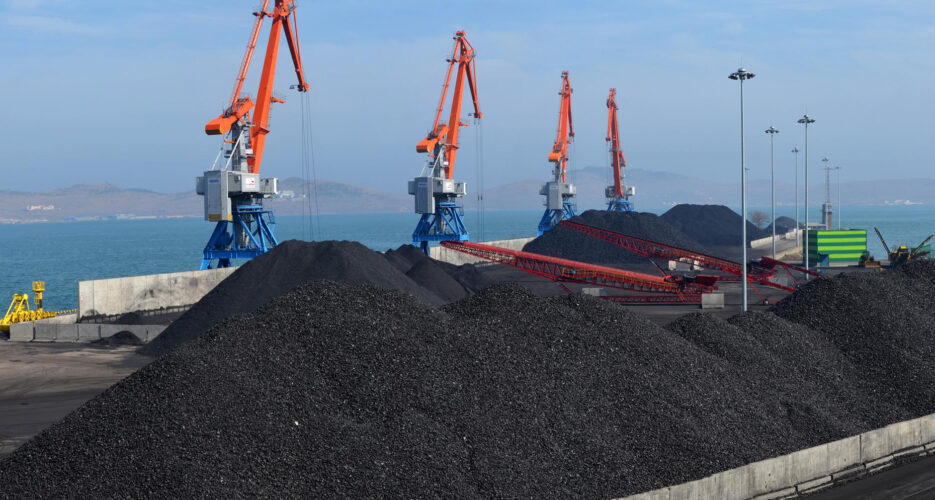 Coal has started to pile up at a Russian-operated pier in North Korea for the first time in over four years, according to NK Pro analysis of satellite imagery, in what could signal the restart of a key joint project between the two countries. The pier is located in northeast North Korea at the south end of Rason port, next to other piers that the two countries are actively using in an apparent weapons transfer scheme that started last August. A revival of the coal port could help further expand Russia-DPRK economic ties and give Russian companies more business amid U.S. efforts to stymie Moscow’s energy exports. North Korea could also use the port to smuggle its own coal while disguising it as Russian in origin. The southern pier (Pier 3) is run by the Russian state-owned RasonConTrans, which secured an exemption from U.N. Security Council sanctions allowing it “solely to export Russia-origin coal” and not any other products, including North Korean coal. THE NEW ACTIVITY Planet Labs satellite imagery shows that large piles of black material resembling coal appeared at Pier 3 between April 4 and 7, the first time new piles of such size have appeared there since mid-2019. More coal arrived by April 14 and dark tracks appeared on the ground next to the piles, indicative of work to move coal from trains at the pier’s rail terminal to be loaded onto ships. 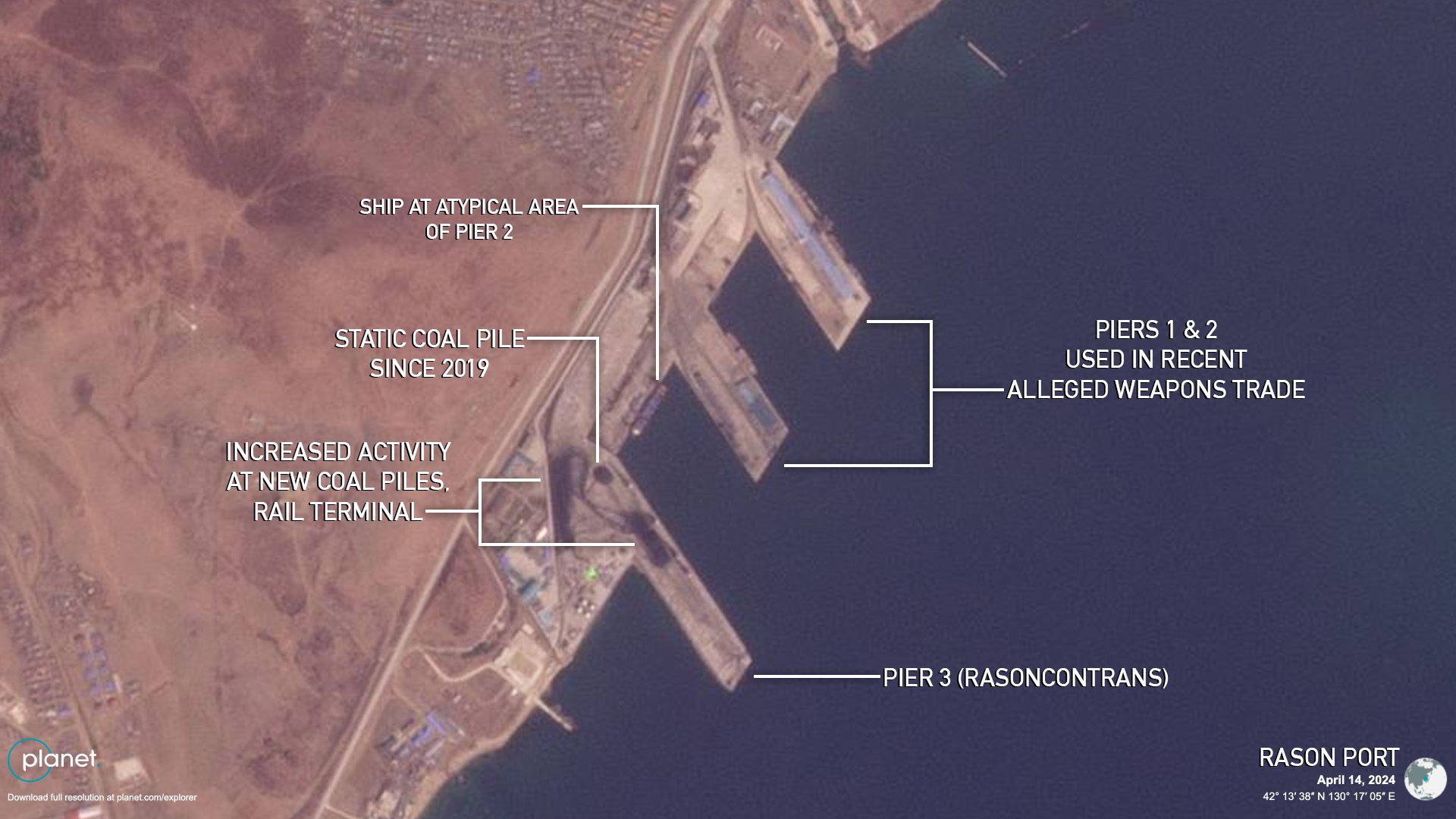
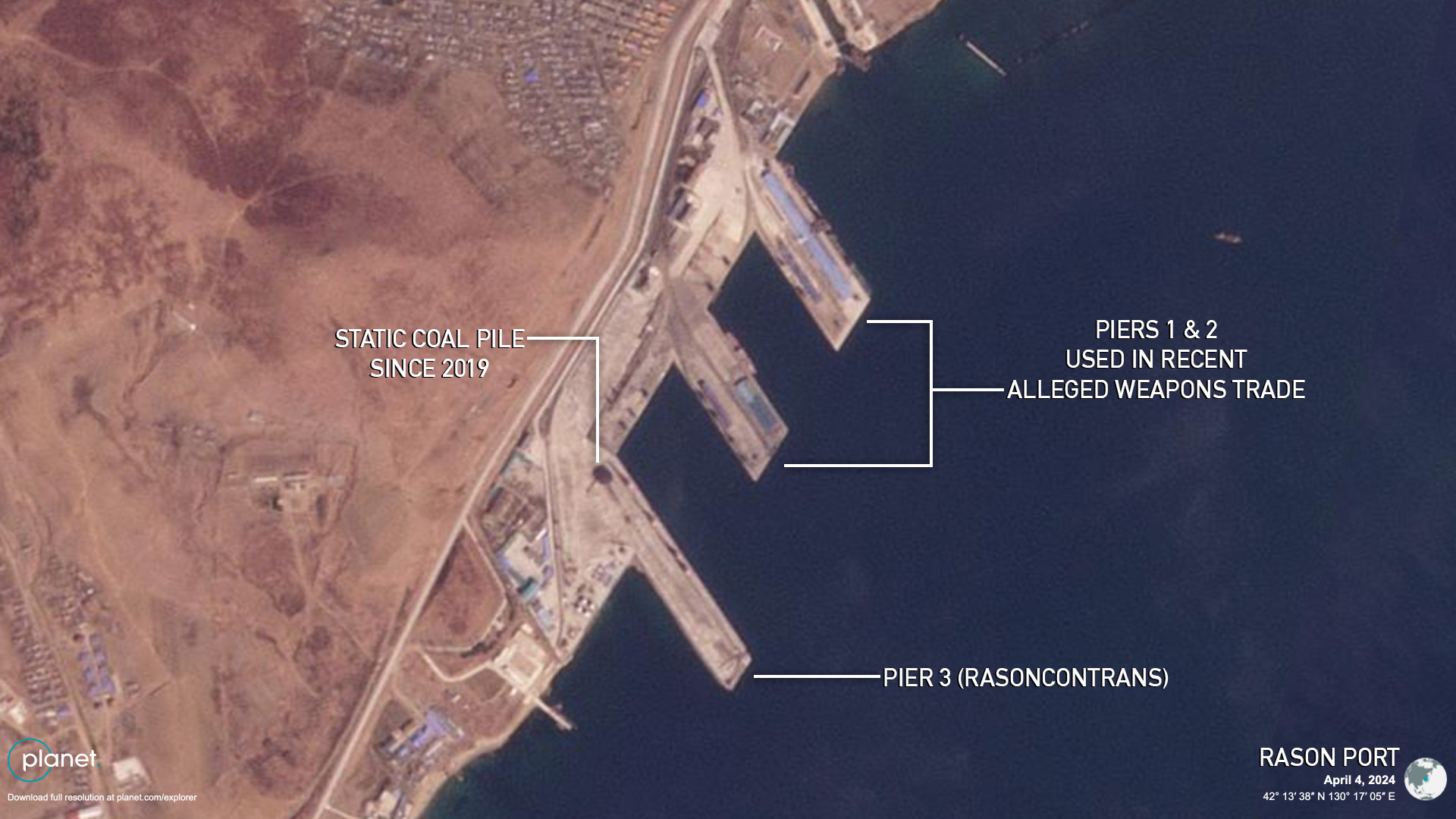
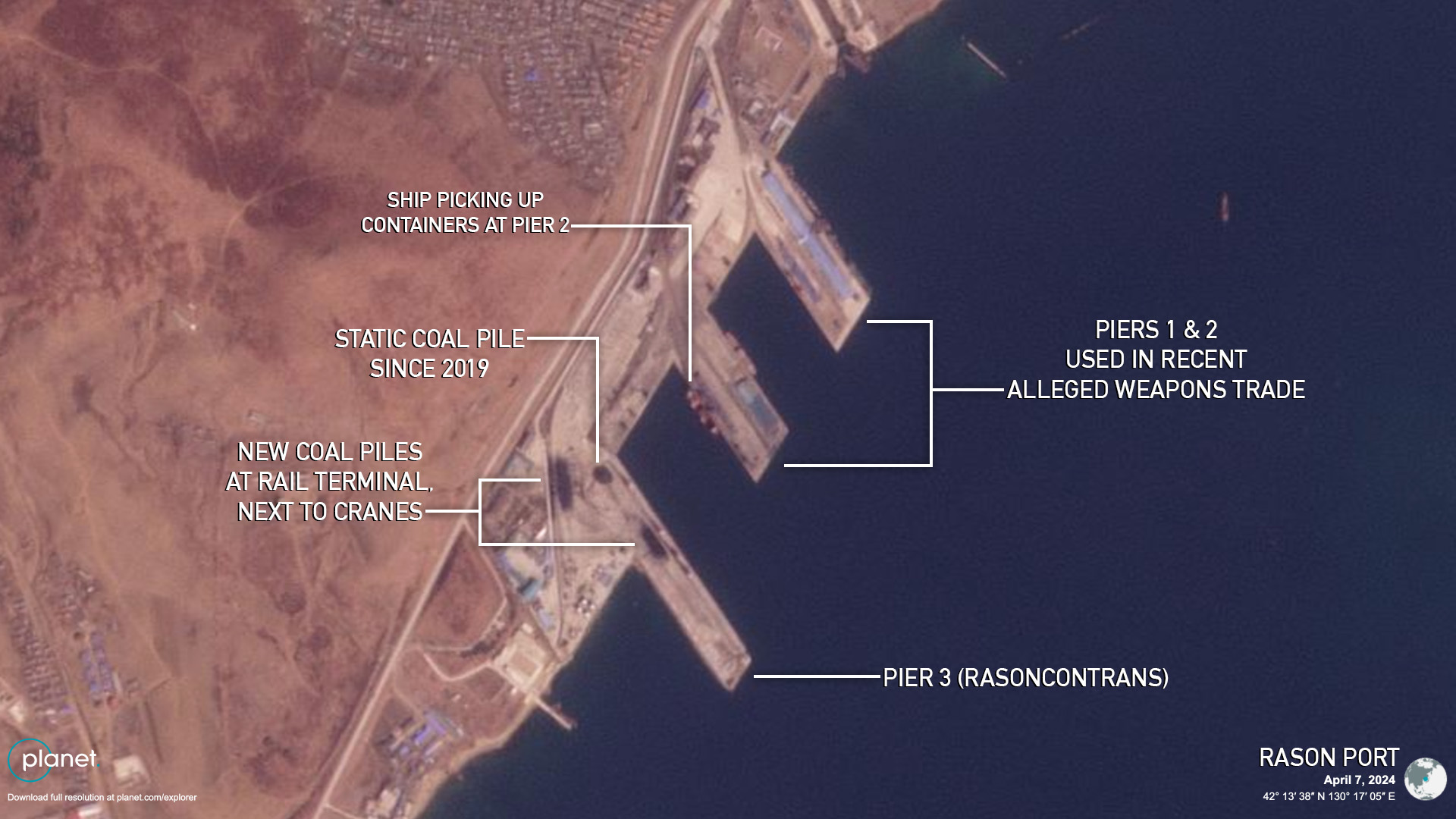
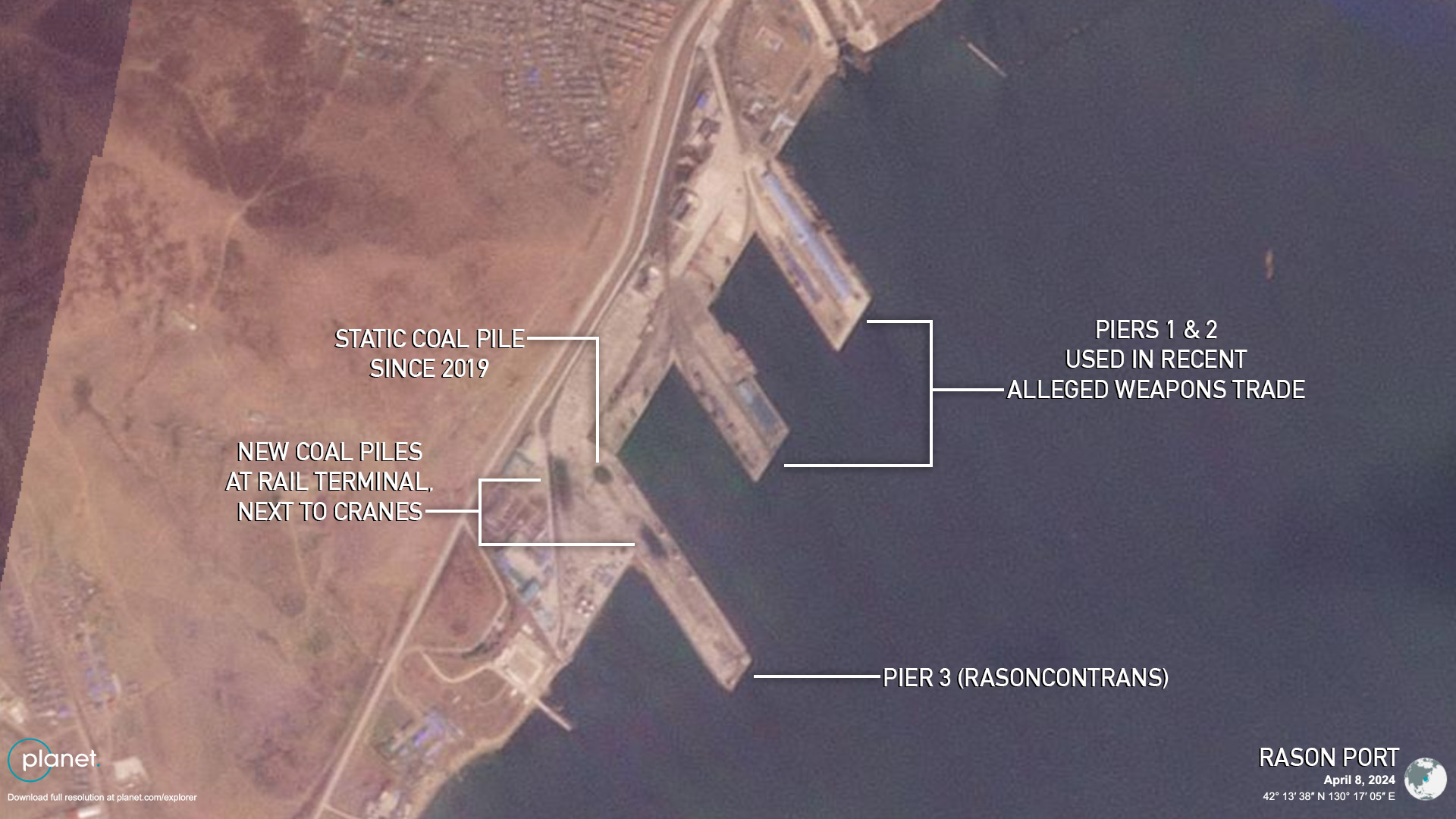
No vessels have broadcast their location in the area or appeared at Pier 3 in available Planet Labs and Sentinel-2 imagery in recent months. NK Pro asked the RasonConTrans office in Rason about the new activity, but a representative said they would not answer because of NK Pro’s reporting presence in South Korea — mirroring North Korea’s recent shunning of the South. RasonConTrans told NK News in late 2020 that all coal transshipment operations halted in early 2020 due to DPRK pandemic-related border restrictions. It also said business had dropped since late 2017 because companies feared U.S. scrutiny despite the U.N. sanctions exemption. A regional Russian official claimed shipments resumed in late 2018, and while satellite imagery shows constant movement of coal on the pier in the second half of the year, no ships have been spotted there in Planet Labs imagery since Oct. 2017. Russian news outlet Kommersant also reported that coal transshipments through the port were set to resume again in mid-2021, but satellite imagery shows no signs of shipping operations until this month. WHY SHIP THROUGH RASON Russia has several larger coal ports along its Far East coast to the north of Rason, but Pier 3 appears to offer several advantages. For one, some experts have pointed out that RasonConTrans offered cheaper shipping rates compared to nearby Russian ports. Rason also boasts comparatively easier year-round access as an “ice-free” port. The port serves as a channel for demonstrating stronger political ties between Russia and North Korea as well, with Moscow possibly pushing companies to use it. South Korea organized a few transshipments of Russian coal through Rason for similar reasons in 2014 and 2015, hoping to solidify strong mutual economic ties between the three countries. The Rason pier may also offer another advantage to Russia as it boosts ties with North Korea over the war in Ukraine — a way to conceal sanctioned exchanges. 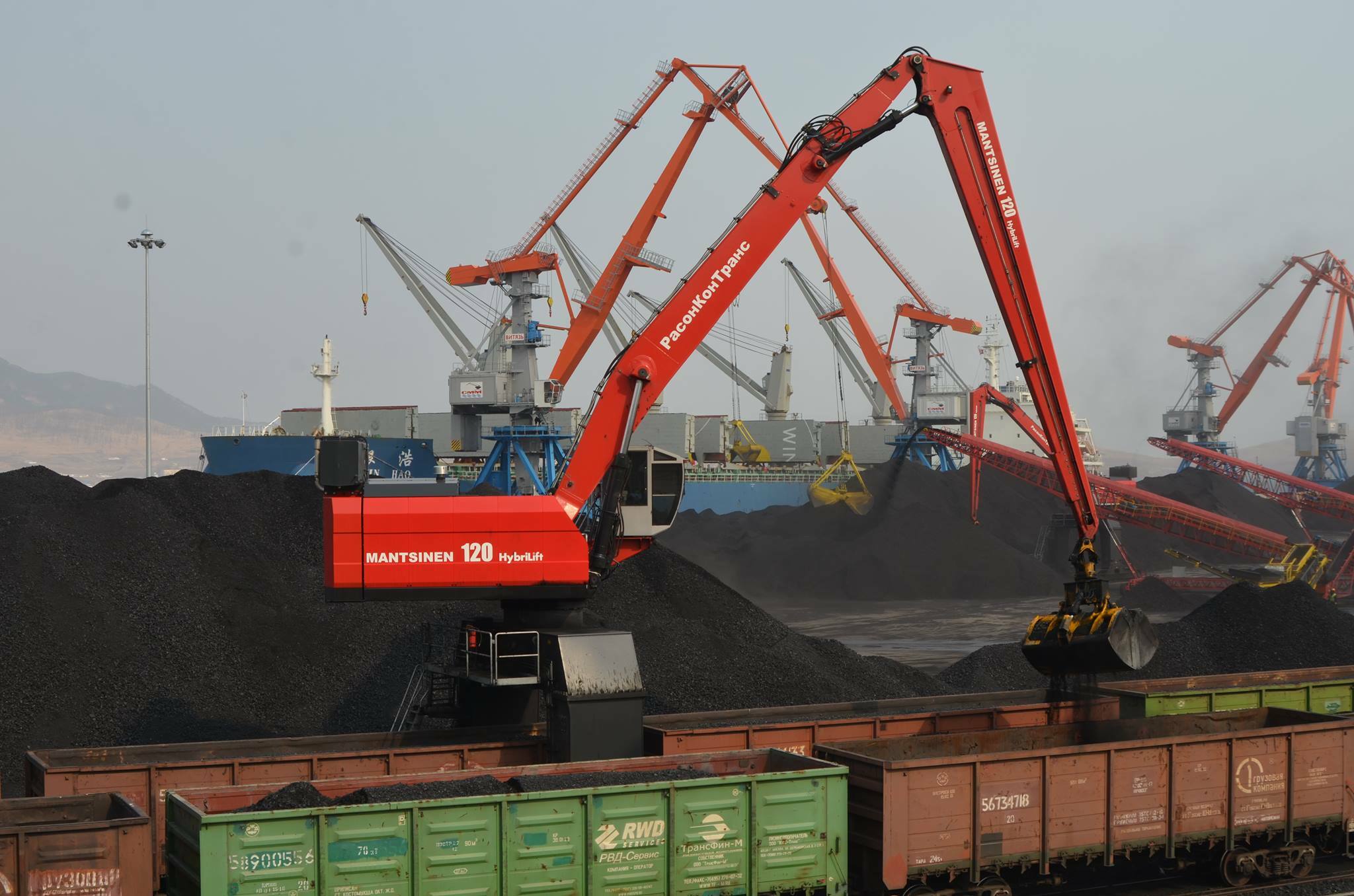
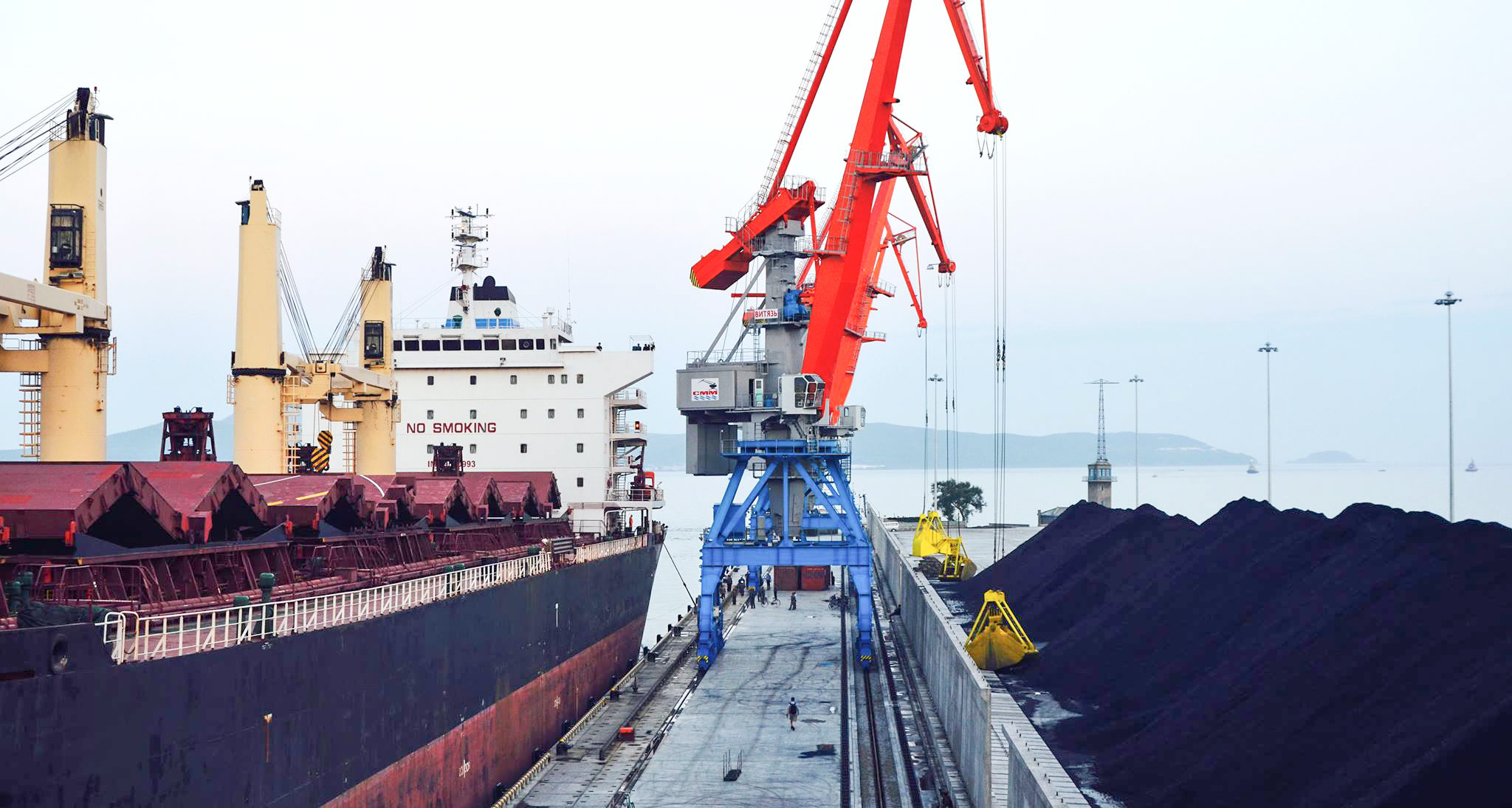
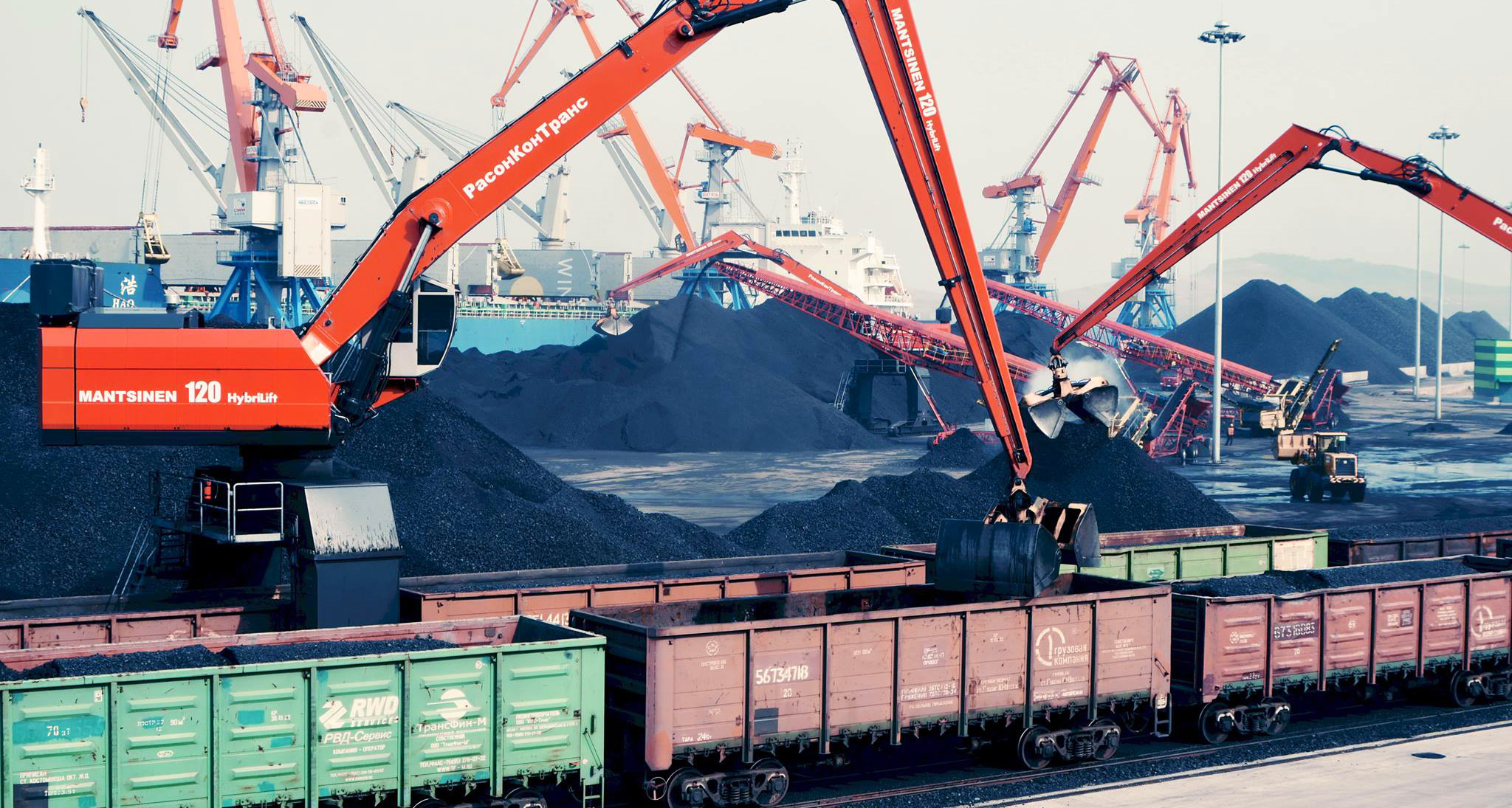
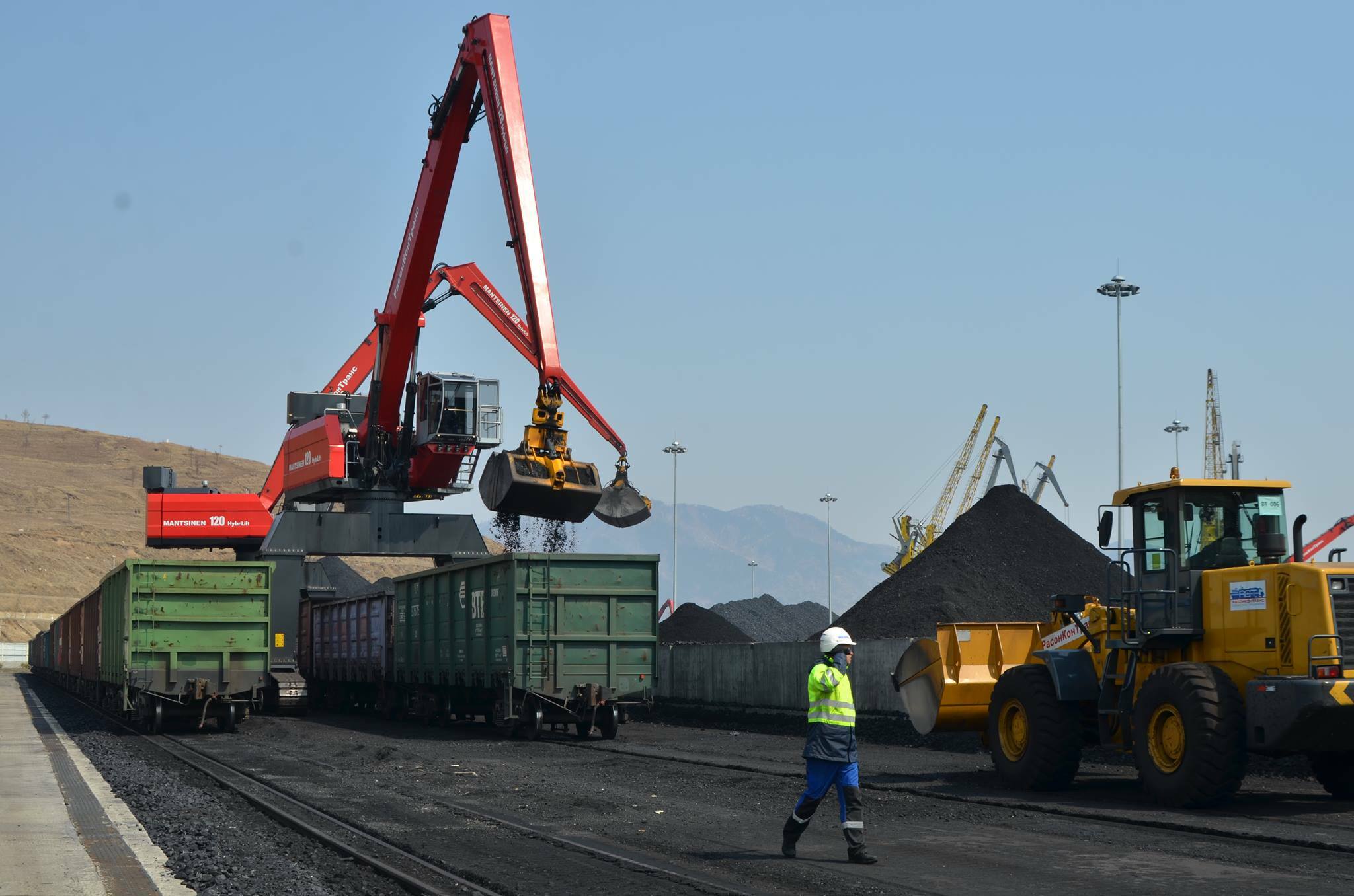
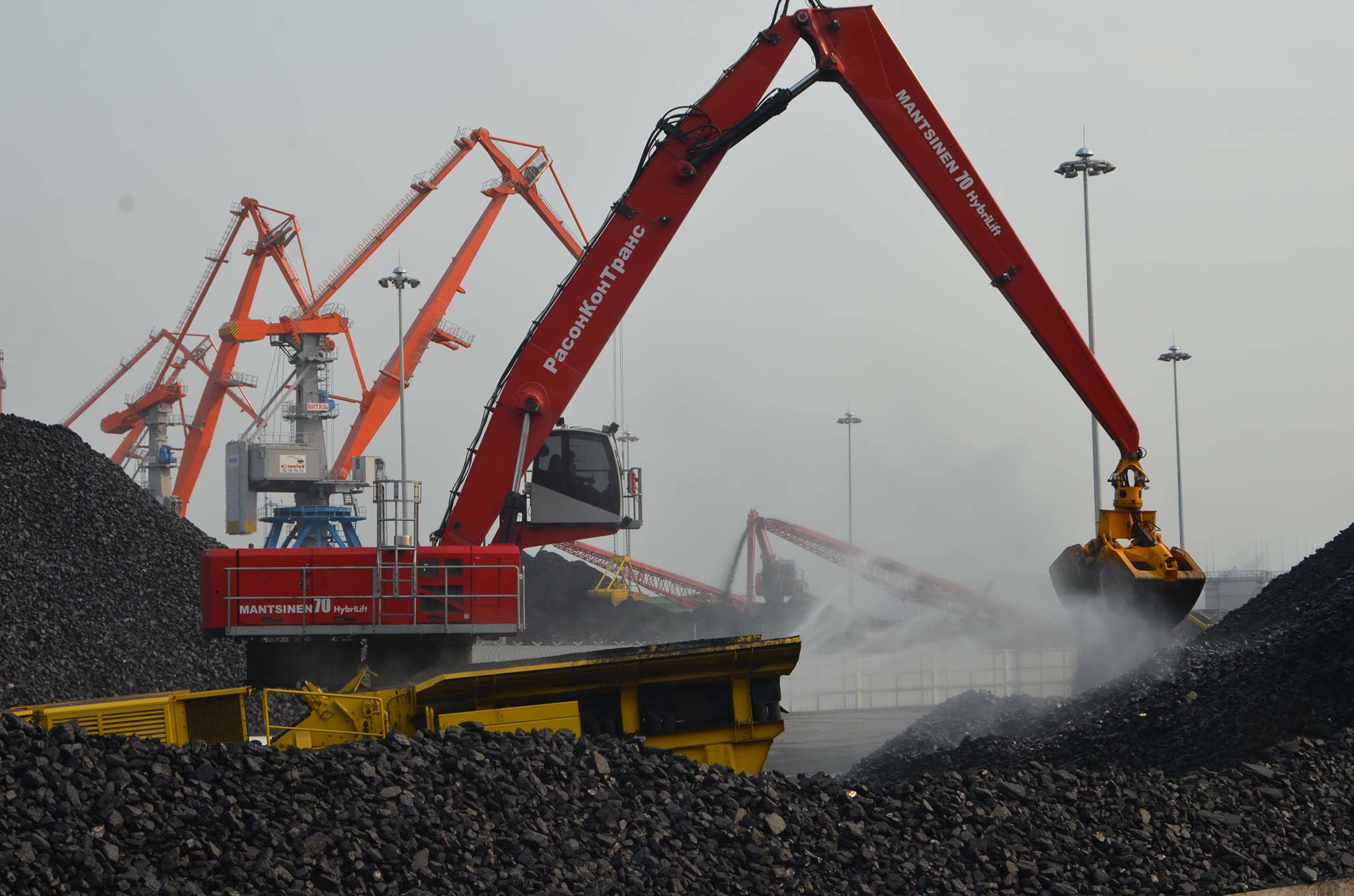
The U.N. Panel of Experts detailed evidence in 2018 that North Korea was “laundering” coal by shipping it to ports in the Russian Far East before it would be labeled as non-DPRK in origin and shipped to South Korea and Japan in violation of U.N. sanctions. Given strong evidence of recent joint efforts by North Korea and Russia to trade other prohibited items like ballistic missiles, it is possible the two could work together on new coal shipment methods as well. Like their apparent attempts to obfuscate alleged weapons shipments as legitimate trade by processing them through a large commercial port, Pier 3 at Rason would similarly offer an opportunity to disguise DPRK coal as transshipped and non-sanctioned Russian coal. Moscow signaled its opposition to enforcing all existing sanctions last month when it vetoed the renewal of the Panel of Experts’ mandate. SANCTIONS BREAKDOWN RasonConTrans representative Roman Minkevich told NK Pro in early 2021 that he still hoped to “negotiate with the U.N.” to allow shipments other than coal through the port, as well as from “China, Mongolia, Kazakhstan” and other countries. U.N. Security Council Resolution 2270, passed in March 2016, prohibited North Korea from exporting coal but included an exemption for coal that “originated outside the DPRK and was transported through the DPRK solely for export from the Port of Rajin (Rason), provided that the State notifies the Committee in advance and such transactions are unrelated to generating revenue for the DPRK’s nuclear or ballistic missile programs.” Resolution 2375 banned all joint ventures with North Korean entities in Sept. 2017 but again included a carveout for “the Russia-DPRK Rajin-Khasan port and rail project solely to export Russia-origin coal.” This wording appeared to narrow the parameters of the previous exemption from all coal that “originated outside the DPRK,” and Resolution 2397 passed in Dec. 2017 explicitly says “Russia-origin coal” was the only kind of coal allowed to be shipped out of North Korea through Rason. RasonConTrans, a subsidiary of the state-owned Russian Railways, rebuilt Pier 3 infrastructure in 2013 with general container delivery in mind, but coal soon took over as the dominant commodity it serviced. Edited by Bryan Betts © Korea Risk Group. All rights reserved. |

October 13, 2026Oct 13, 2026

The ultimate resources for professionals working on North Korea
 SHARE
SHARE COPY LINK
 X
X MASTODON