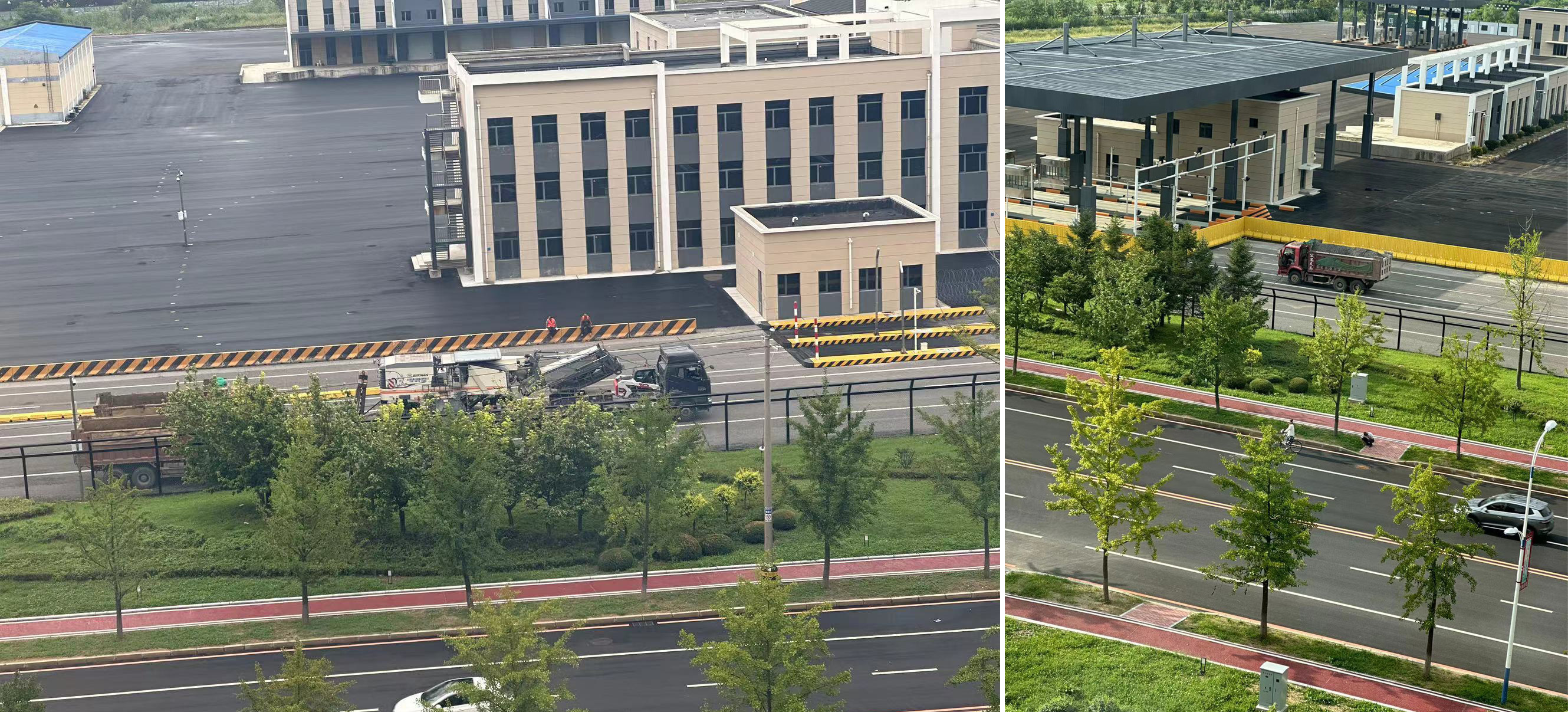
  Analysis Largest North Korea-China bridge may be preparing for grand openingSatellite imagery shows fresh road work on New Yalu River Bridge, which could facilitate dramatic increase in trade 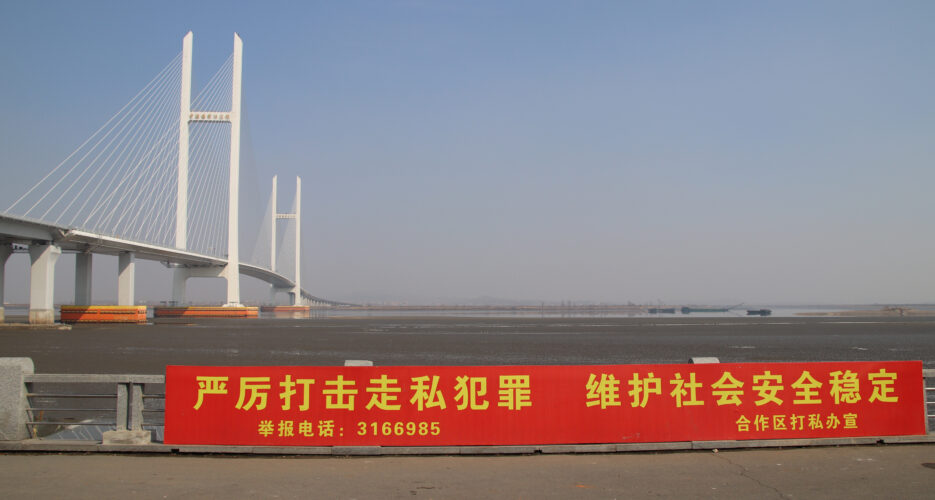 China has restarted road work on an unused $350 million bridge to North Korea, NK Pro analysis of satellite imagery shows, raising the possibility the bridge could finally open nine years after being completed. The move comes as North Korea has taken major steps toward reopening in the last month after shutting its borders in early 2020, lending more weight to the possibility that the New Yalu River Bridge will open than previous instances when maintenance work occurred. The opening of the four-lane bridge — which connects China’s Dandong to North Korea’s Sinuiju — to freight trucks could lead to a dramatic rise in trade between the two sides, building upon gradual increases in ship traffic in the later pandemic period and rail freight since Jan. 2022. Planet Labs satellite imagery shows sections of the New Yalu River Bridge surface and the road on the Chinese side gradually turning white between Aug. 18 and 31. Photos posted to Chinese social media on Aug. 25 also show road work vehicles gathered near a new customs complex on the Chinese side, suggesting repairs or repaving of the bridge surface is underway. 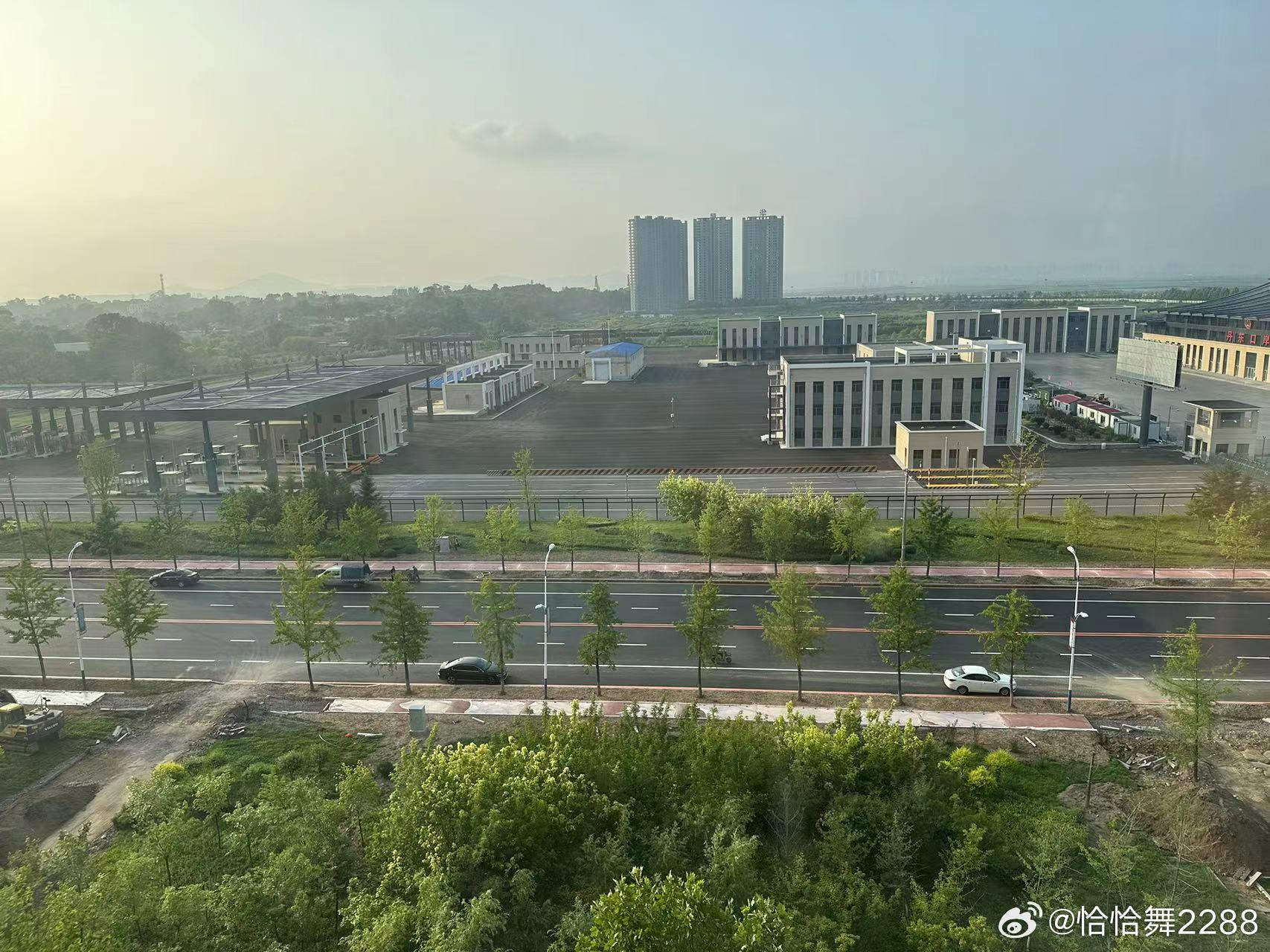
However, the appearance of orange material on the new North Korean highway linked to the bridge, likely corn or grain laid out to dry, suggests its opening is not scheduled for the immediate future, though the road could also be cleared quickly. The highway has been used for drying grain multiple times since it was finished in late 2020. NK Pro previously reported that the customs complex on the Chinese side was undergoing major upgrades last year, but North Korea has yet to complete customs facilities on their side. Planet Labs imagery shows new construction throughout August on a patch of land next to the highway on the DPRK side about 2.5 miles (4 km) east of the base of the bridge, but it’s still unclear if this will be customs facilities. Before the 2020 border closure, road traffic between Dandong and Sinuiju was limited to a single lane on the older bridge that features the rail line, which restarted operations last year, while dozens of trucks would funnel into narrow parking lots on either side for customs and inspections. If the New Yalu River Bridge does open to freight traffic, it is unclear where they would undergo disinfection and quarantine in accordance with current North Korean import policies. Sinuiju has appeared to receive rail freight largely uninterrupted since April, but trains are required to go directly to a converted airport for disinfection and quarantine of a week or more. Since trucks, with their individual drivers, are harder to control than trains with a single locomotive and path, it is likely that disinfection and quarantine would take place close to the bridge. North Korea has also allowed truck freight to resume at the Quanhe-Wonjong port on the eastern end of the border, likely because containers are being stored outdoors at a converted facility directly adjacent to the cross-border bridge after being loaded off of trucks. Meanwhile, a large new customs complex on the Chinese side of the Quanhe Port still does not appear to have opened, possibly due to construction issues or because North Korea is not ready for a higher volume of shipments given disinfection policies. A similarly large customs complex at the bridge connecting China’s Jian with the DPRK’s Manpho also does not appear active yet despite being built before the pandemic, and work to finish facilities on the DPRK side has been slow. A new road bridge built by China connecting Tumen with North Korea’s Namyang also does not appear open, according to photos posted to Chinese social media in recent days. These Chinese projects, along with a brand new effort to build a large customs facility at the border near Mount Paektu, appear to be part of wider plans by central and regional governments to increase DPRK-China trade and exchanges, despite the numerous international sanctions Beijing has agreed to enforce that significantly limit bilateral trade. Edited by Bryan Betts © Korea Risk Group. All rights reserved. |

October 24, 2026Oct 24, 2026

The ultimate resources for professionals working on North Korea
 SHARE
SHARE COPY LINK
 X
X MASTODON