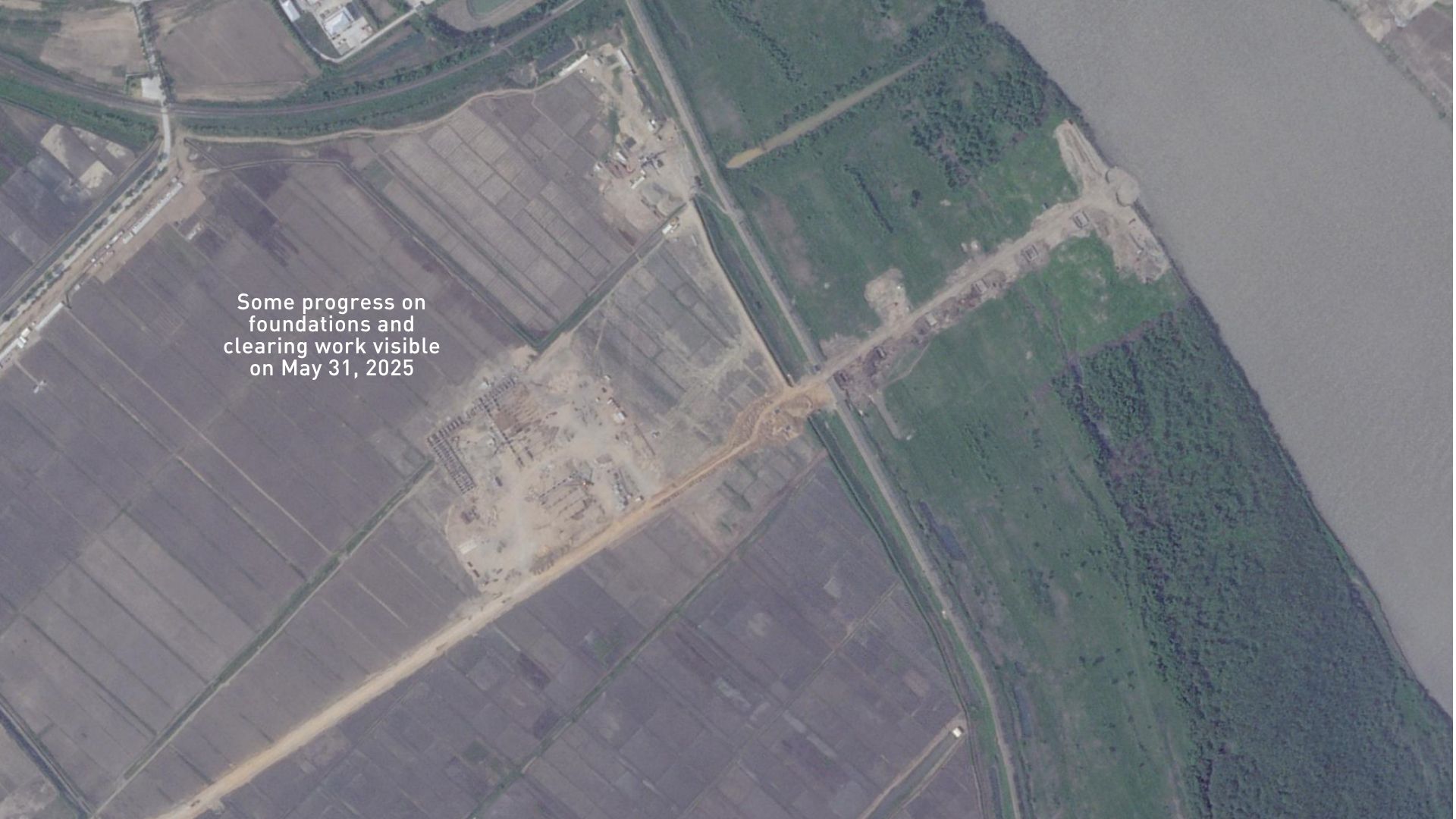
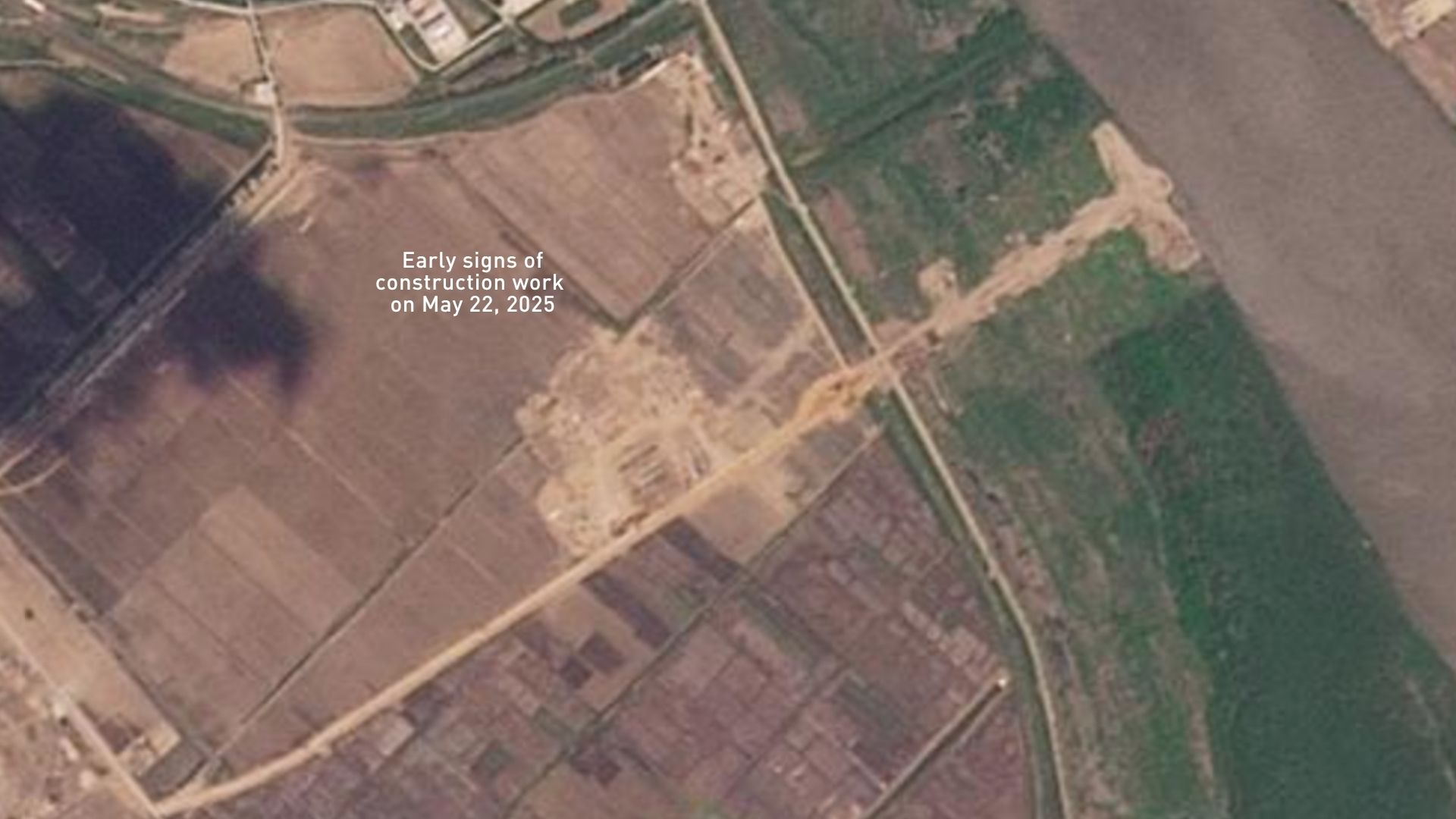
  Analysis Pyongyang pushes ahead on border checkpoint construction as Russian side lagsFoundations laid and structures rising in DPRK but no construction signs on Russian side as Kremlin replaces key figure  North Korea is pushing ahead with a border checkpoint by the future Tumen River car bridge, with concrete walls, foundations and walls already in place, NK Pro has found, while the Russian side remains barren following the sudden death of Moscow’s transport minister who was overseeing the $100 million project. NK Pro analysis of Planet Labs satellite imagery showed North Korea first began laying foundations for the structure in late May following work to clear the area, with construction advancing to include one- or two-story concrete frames with unfinished crossbeams by early June. North Korea laid column foundations for the bridge by late May, while it took until mid-June for similar structures to appear on the Russian side as construction equipment simultaneously cleared land at the projected checkpoint area. However, there are no visible signs of construction work for the border checkpoint on the Russian side, barring temporary structures likely used by workers, according to high-resolution imagery as of last week. 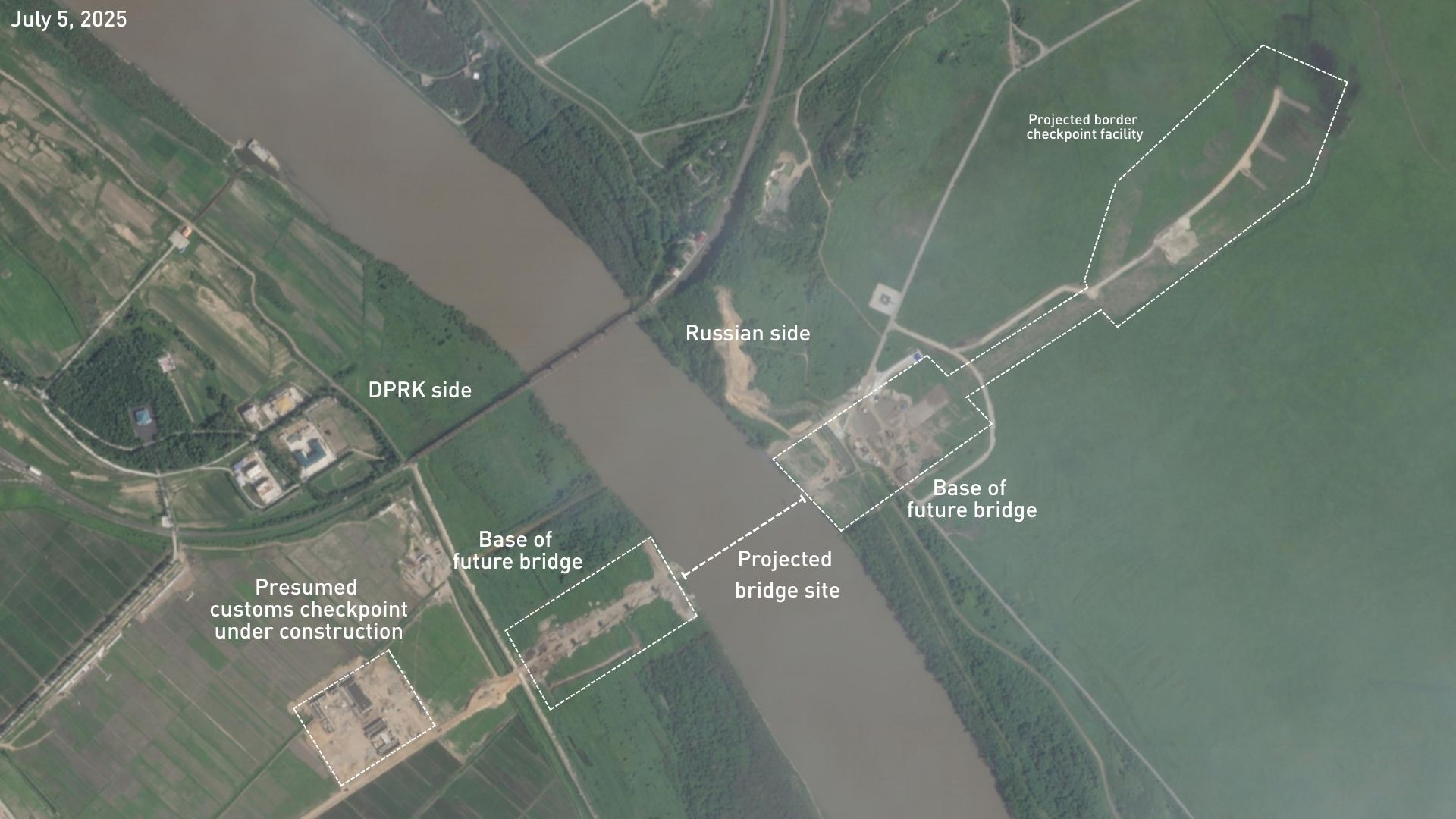
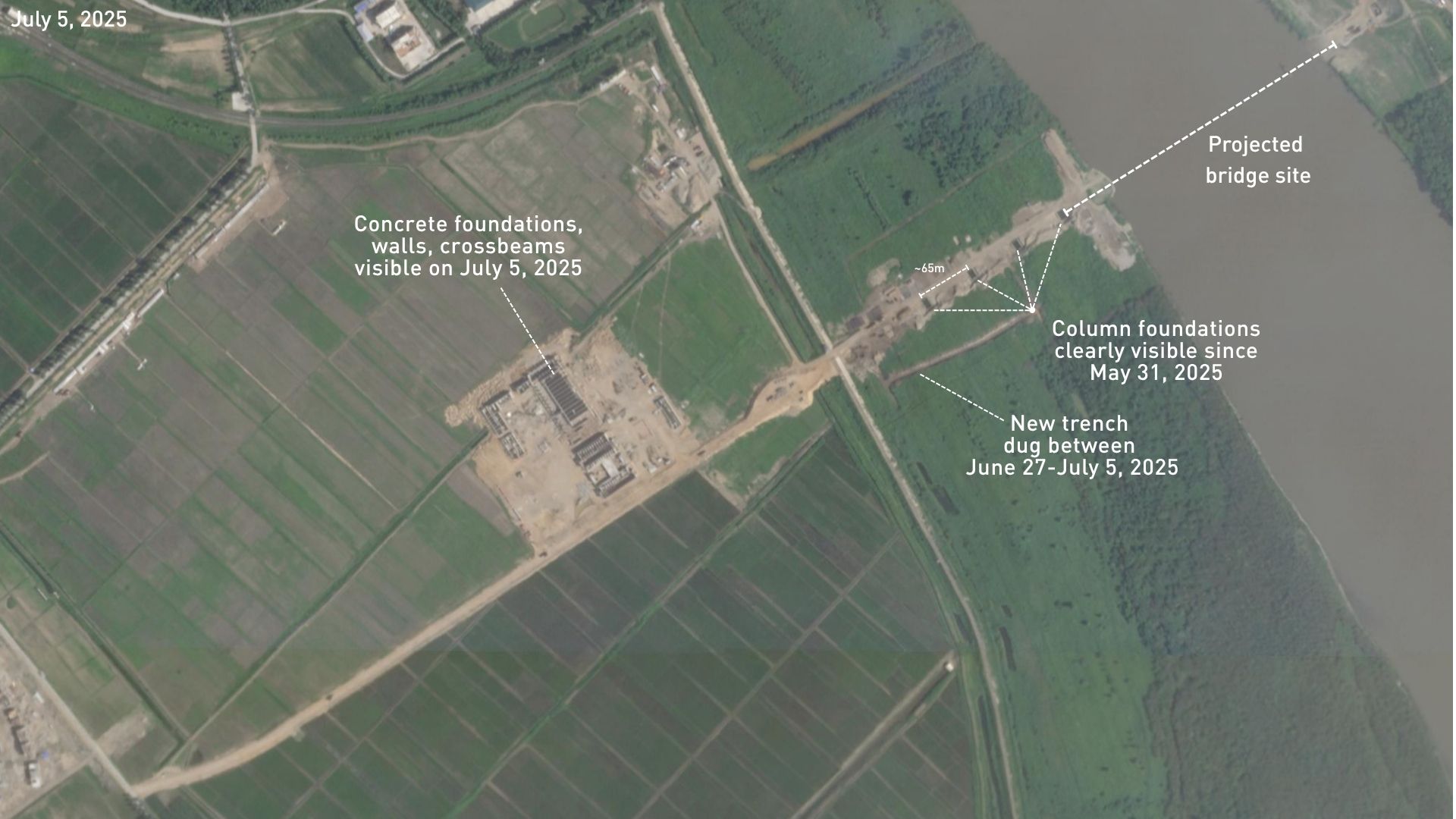
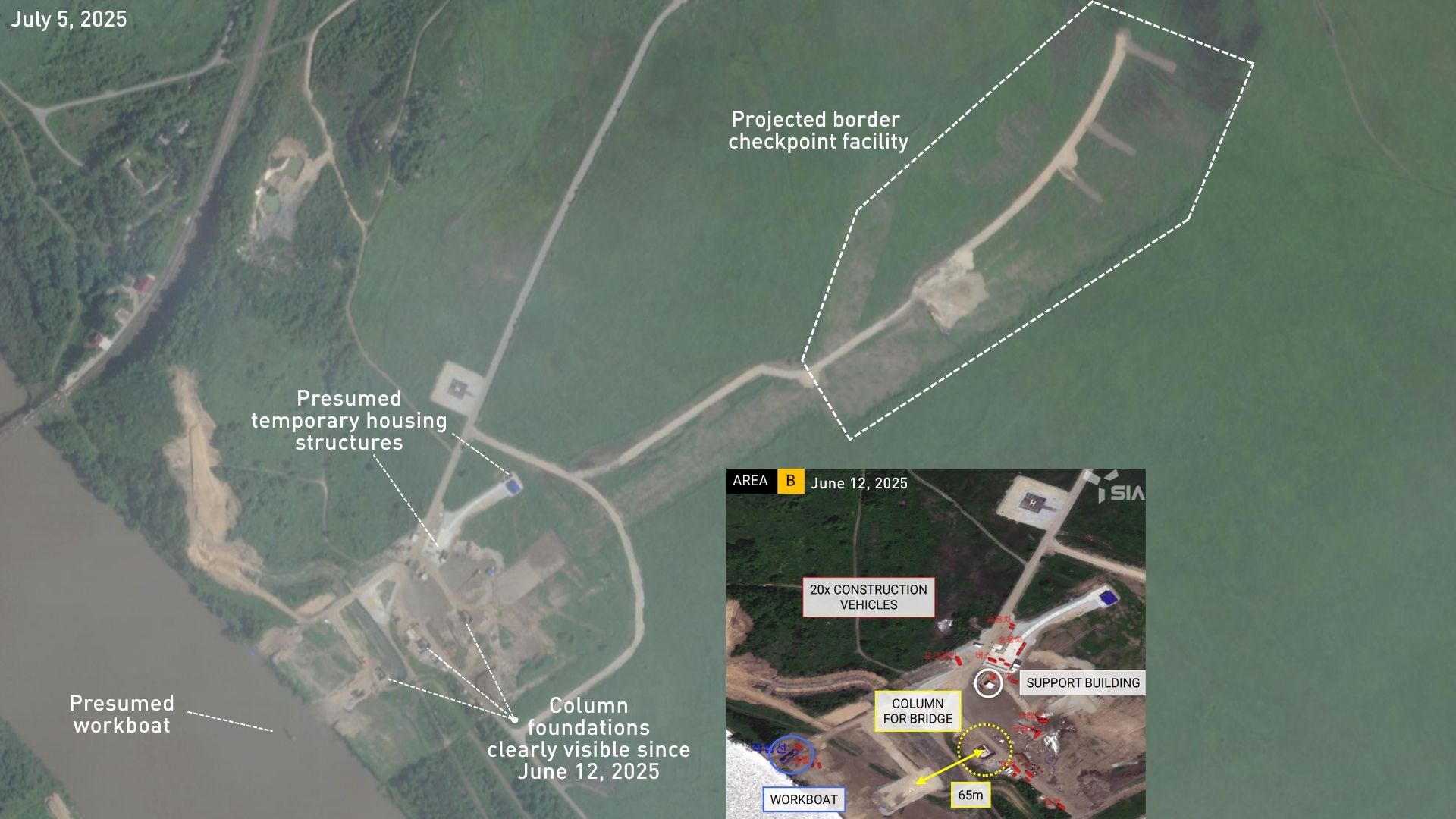
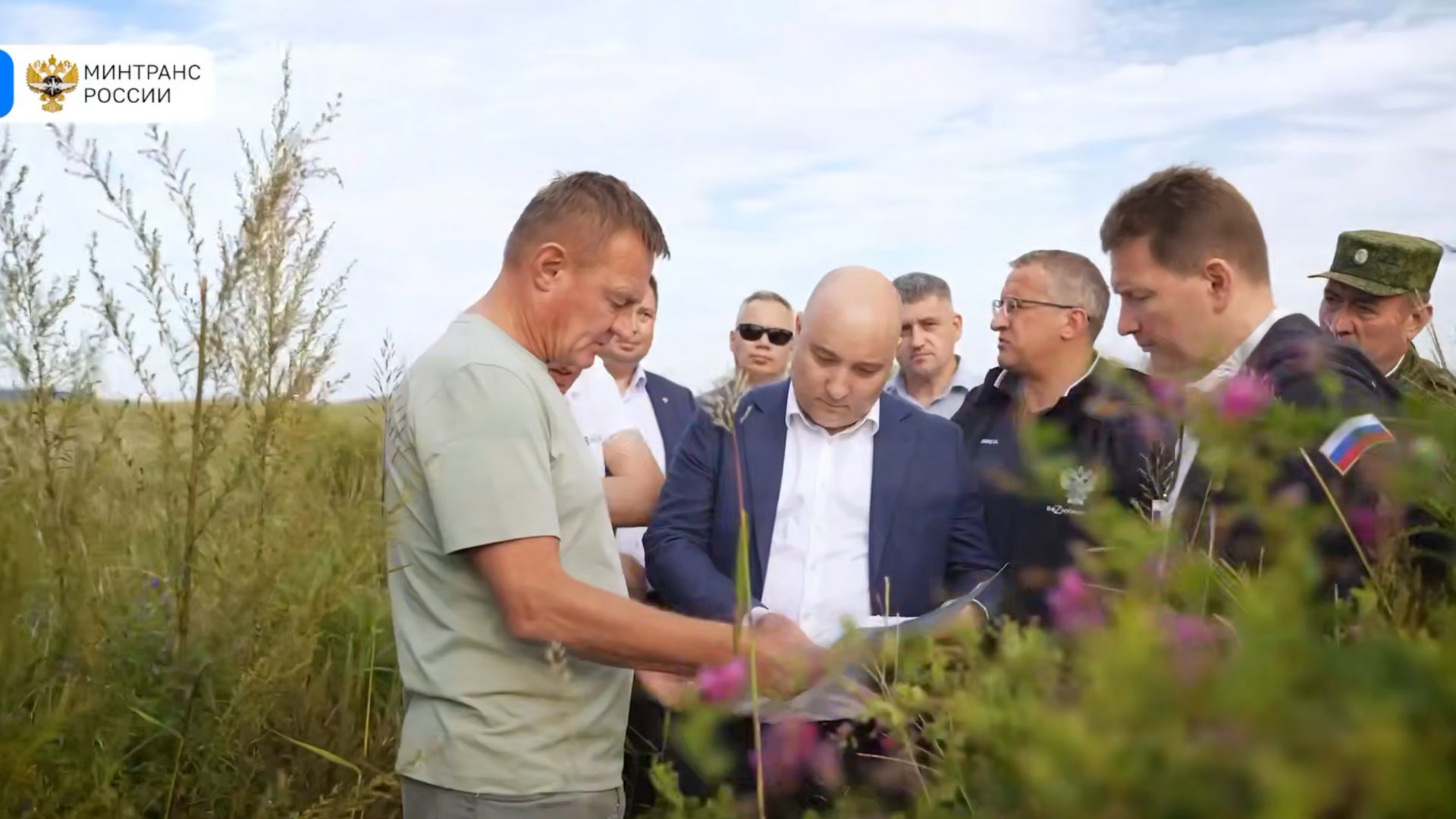
NK Pro previously reported Russia’s plans to build a $40 million customs facility at the 20-hectare area adjacent to the bridge, with most of the work expected to be finished by the end of this year and the project expected to be fully completed by 2027. While little is known about the prospective border checkpoint on the North Korean side of the river, it is likely to be much smaller than its Russian counterpart with the total area designated for the building measuring just five hectares. Peter Ward, a North Korean economy specialist and research fellow at the Sejong Institute, told NK Pro that North Korea likely perceives the bridge construction as a bigger priority than Russia, potentially explaining the DPRK’s speedy progress on its side of the Tumen River. “This makes it look like the North Koreans are more enthusiastic to get more goods from Russia and ship their own items back across the border,” he said. The motorway bridge meant to link the two facilities is set to be seven meters wide and span roughly one kilometer, with Russia having to complete 424 meters and North Korea 581 meters, while the overall border crossing project will be 4.7 km in total. It is expected to handle 300 vehicles and nearly 3,000 people daily. The two countries’ prime ministers officially kicked off the construction of the bridge during a video call in late April, with Russian and North Korean officials taking part in groundbreaking ceremonies held on both sides of the river. Among them was Roman Starovoit, then Russia’s transport minister, who was charged with overseeing the $100 million car bridge project. At the ceremony, he noted that preparatory works on the bridge had begun in Sept. 2024 when he personally visited the site to pick the location for the new car link between the two countries. The minister held a follow-up meeting with other officials to review the construction progress in late May, just a little over a month before he was fired by Russian leader Vladimir Putin and found dead with a gunshot wound in his Tesla near Moscow on Monday. 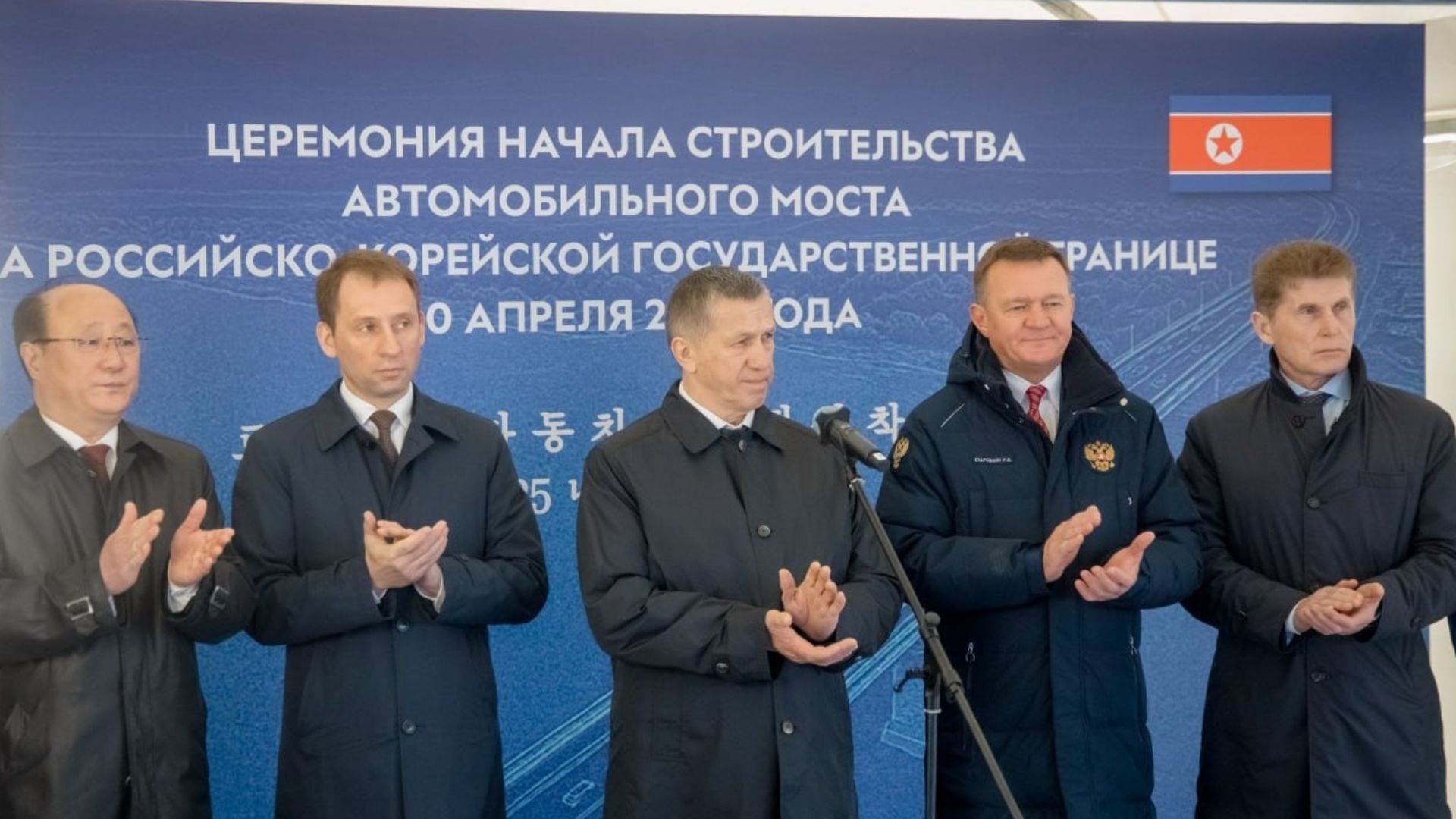
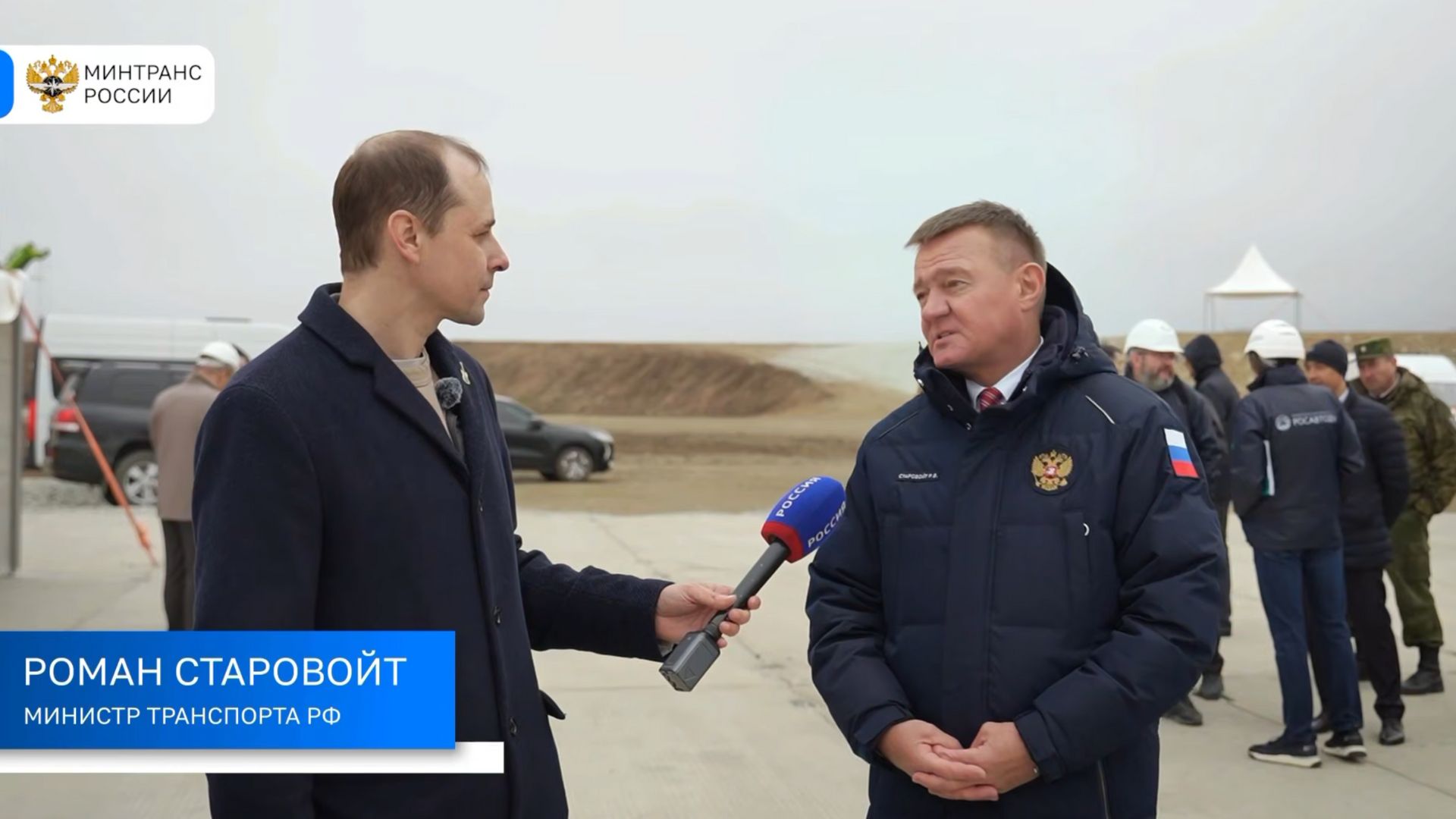
Notably, Starovoit had served as Governor of the Kursk region — where Ukraine staged a successful incursion last August and where North Korea dispatched its troops to aid Russia’s counteroffensive in October — for five years before he was tapped for the ministerial position in May 2024. Law enforcers suspect that Starovoit took his own life, while media reports suggest that he was likely involved in embezzlement of state funds needed to build fortifications in Kursk. His dismissal and subsequent death also coincided with a major transportation crisis in Russia, as widespread Ukrainian drone attacks grounded hundreds of flights and disrupted travel for thousands across the country. Putin was quick to appoint Starovoit’s deputy Andrey Nikitin, former governor of the Novgorod region, as acting minister. Media reports indicate that Nikitin is allegedly tied to Arkady Rotenberg, Putin’s close associate and a construction mogul who was also reportedly connected to late Starovoit. While Pyongyang appears committed and eager to quickly complete the project, researcher Ward noted that much will now depend on Russia. “Russian funding and support will be needed to make sure the project works,” he suggested. “Purges could slow things down further on the Russian side.” The car bridge project came about as a result of a summit between Putin and DPRK leader Kim Jong Un in Pyongyang last year. The two also signed a de facto defense pact both sides have used since to justify the deployment of North Korean troops to fight alongside Russian forces against Ukraine. Edited by Alannah Hill © Korea Risk Group. All rights reserved. |

October 09, 2026Oct 09, 2026

The ultimate resources for professionals working on North Korea
 SHARE
SHARE COPY LINK
 X
X MASTODON