
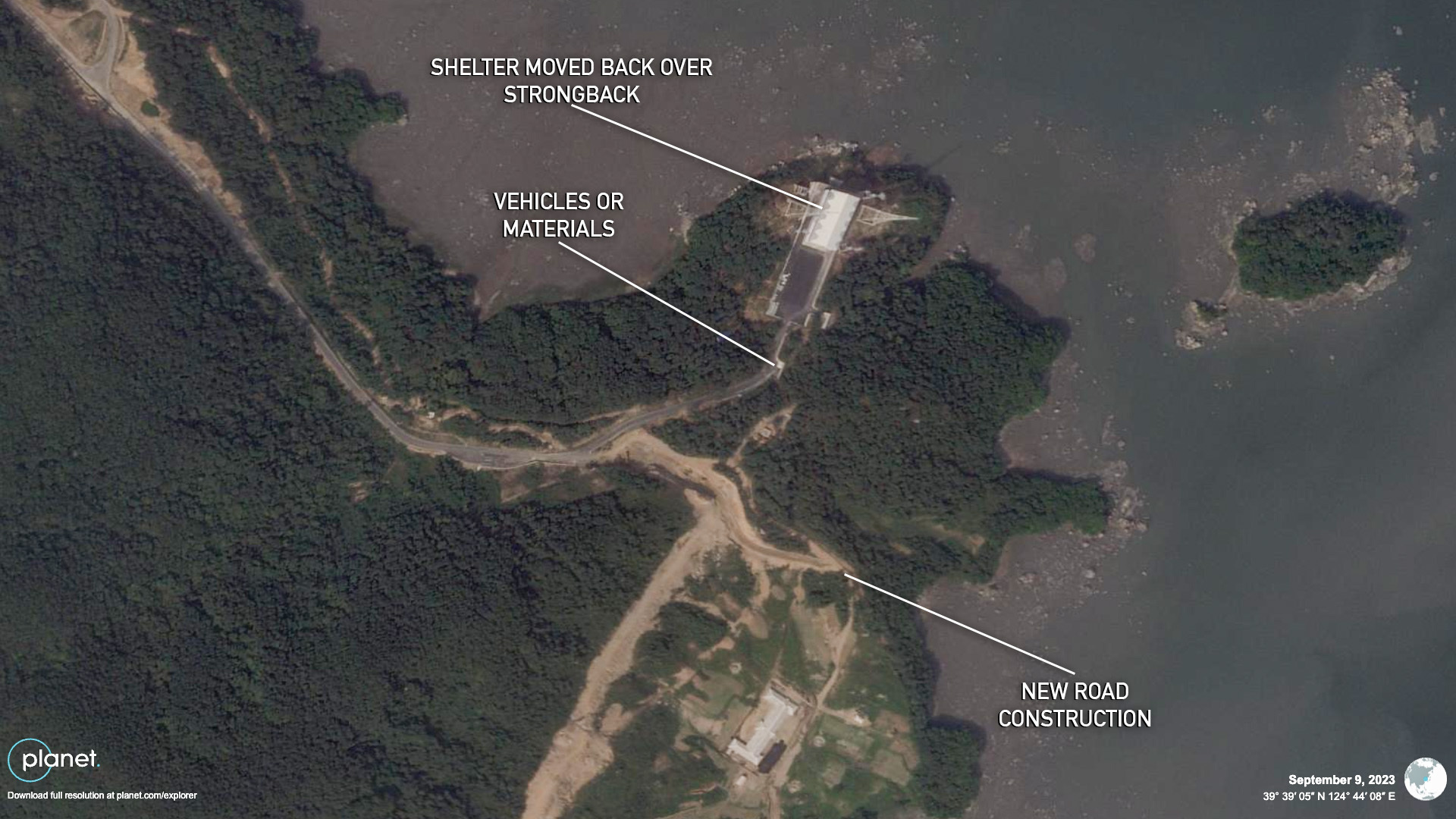
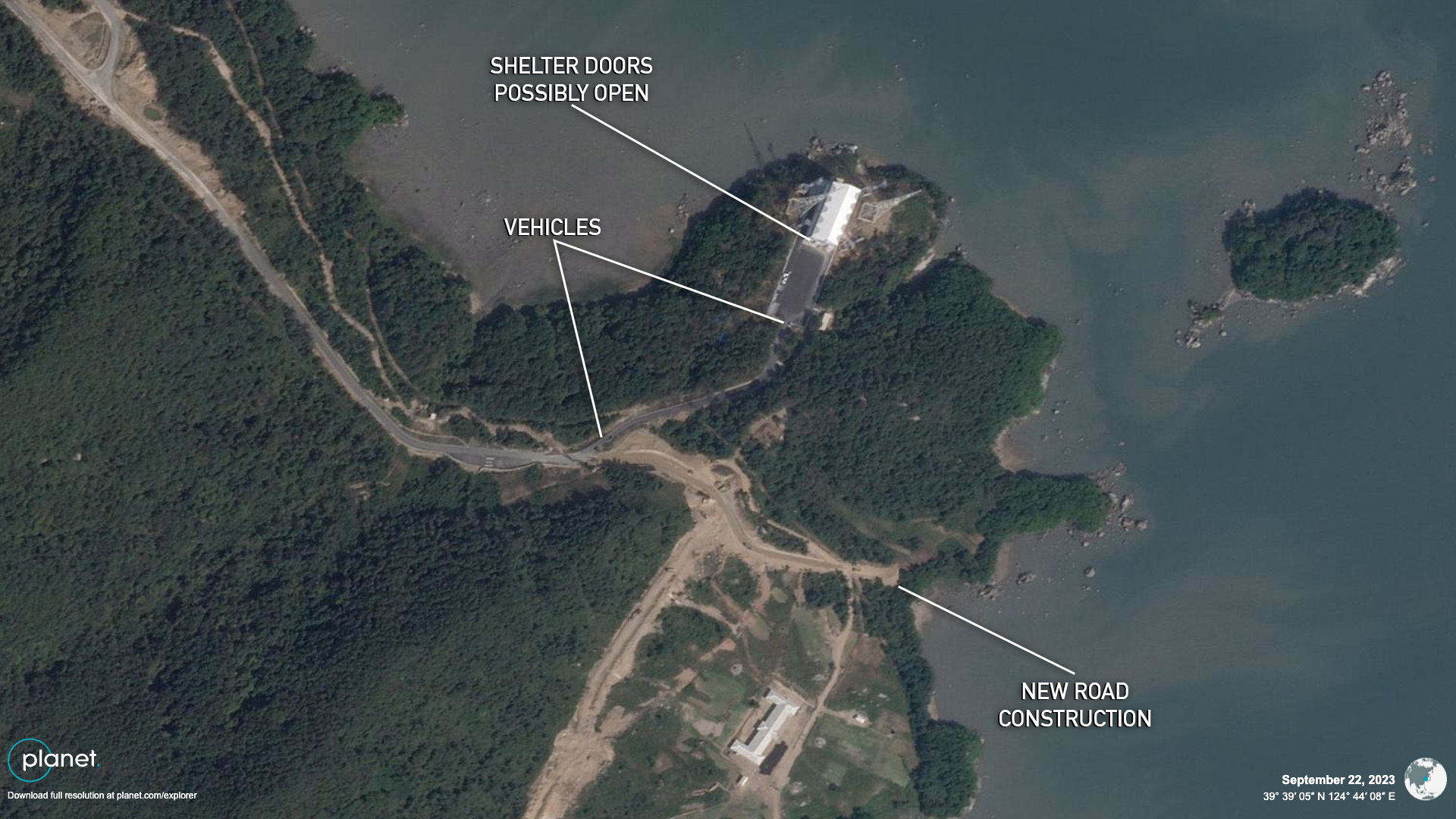
  Analysis North Korean launchpad busy despite Putin’s vow to help launch DPRK satellitesActivity visible at Sohae spaceport suggests DPRK will carry out third spy satellite launch as planned in October 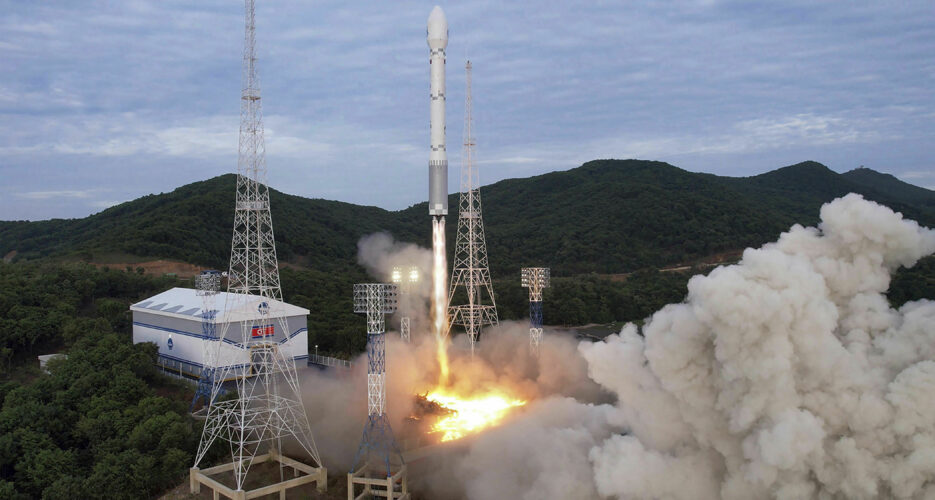 The launchpad at North Korea’s Sohae spaceport has appeared active in recent weeks, in a sign of plans to carry out a planned spy satellite launch in October despite Russian leader Vladimir Putin’s vow to help the DPRK put satellites into orbit. NK Pro analysis of Planet Labs satellite imagery shows activity this month specifically at the launchpad used for the two failed launches in May and August, suggesting it will be used again for the next attempt. The pad’s shelter structure appeared to have moved in a high-resolution image taken on Sept. 7 to reveal the stationary launch support arm, known as a strongback, part of apparent preparations for the next launch. Vehicles also appeared on Sept. 22 around the pad, as well as a new road being built through a forested area just to the south. DPRK state media announced on the day of the Aug. 24 military reconnaissance satellite launch failure that it would make a third attempt “in October after thoroughly probing the reason [for the failure] and taking measures.” 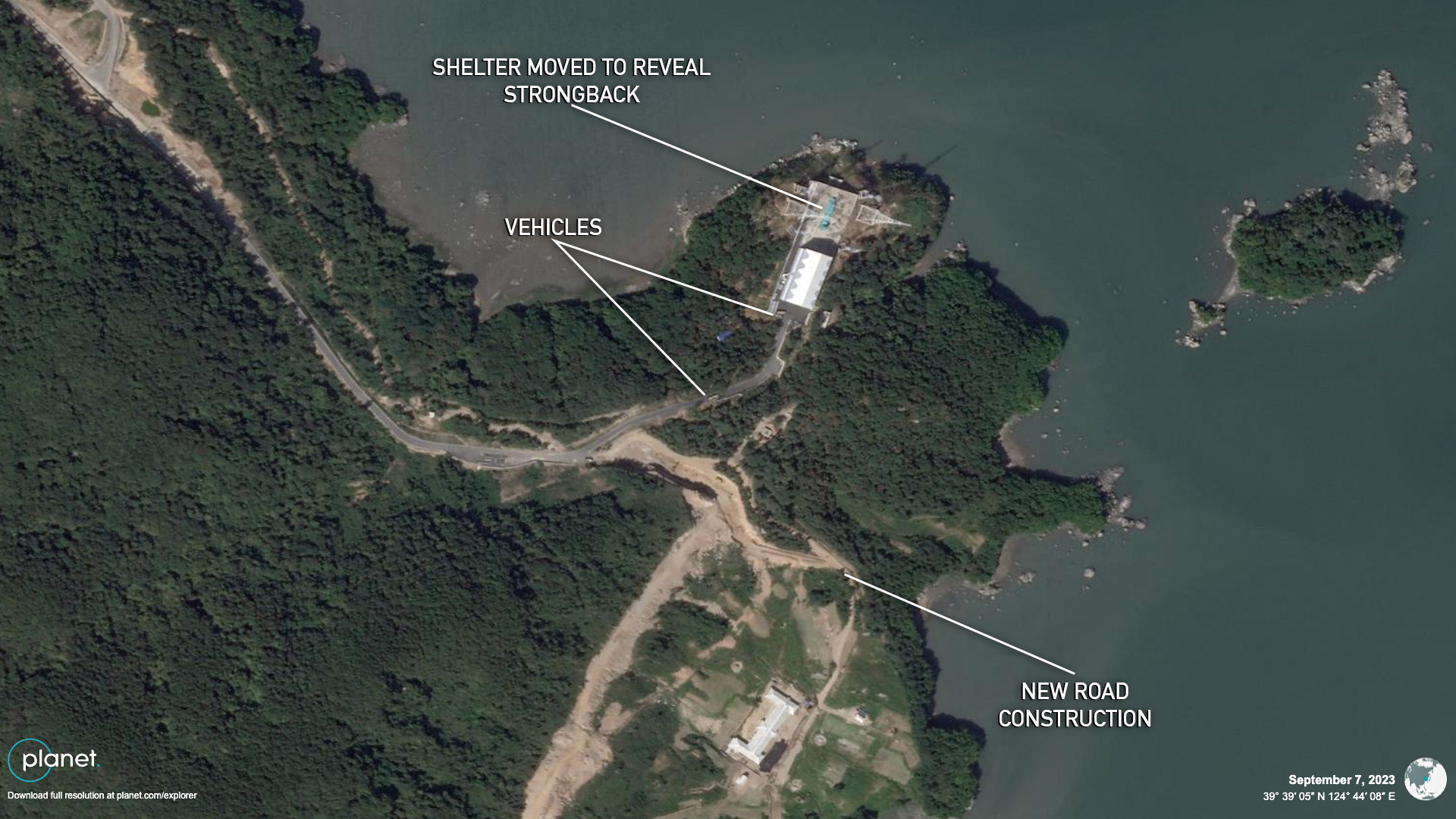
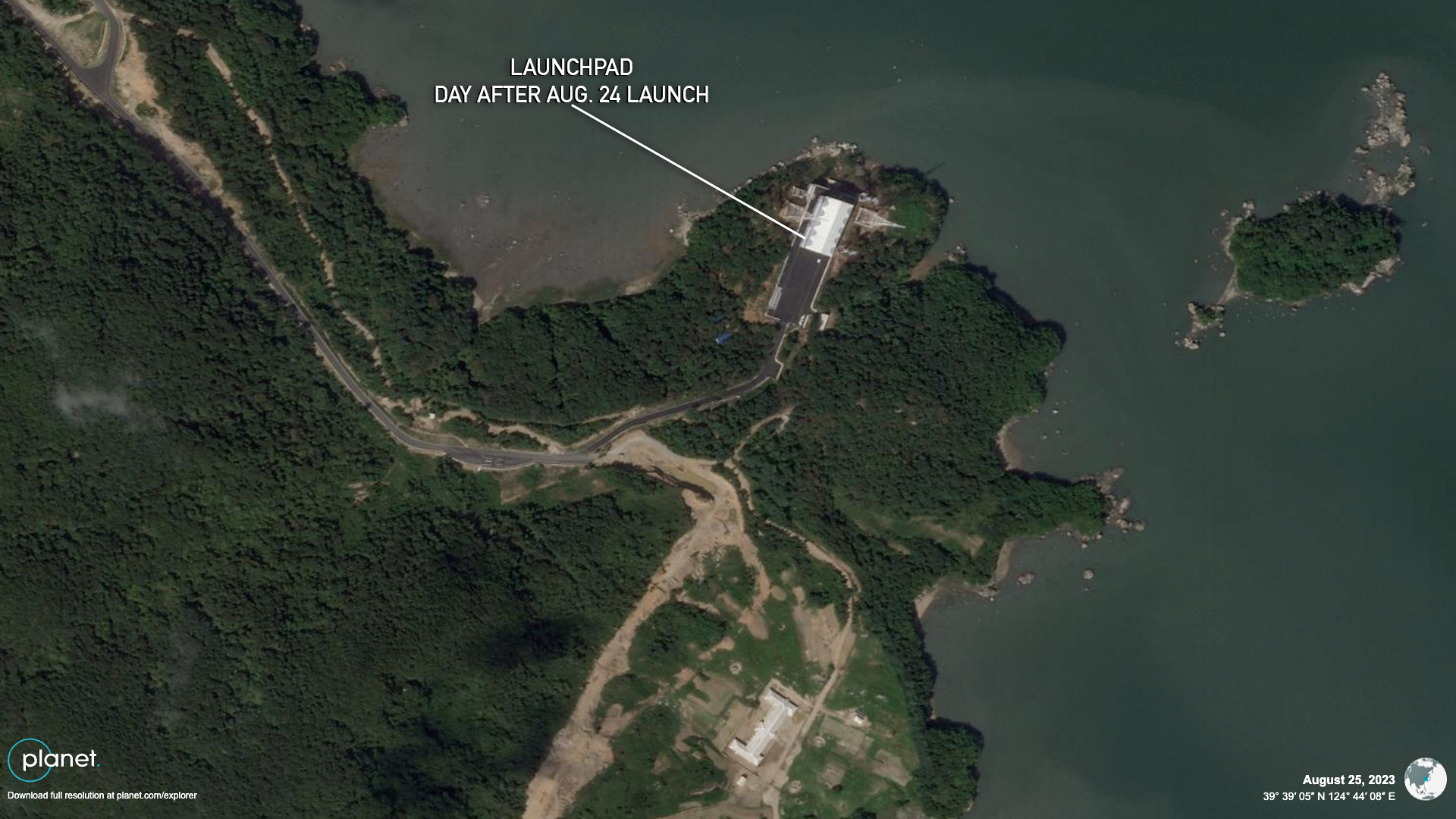
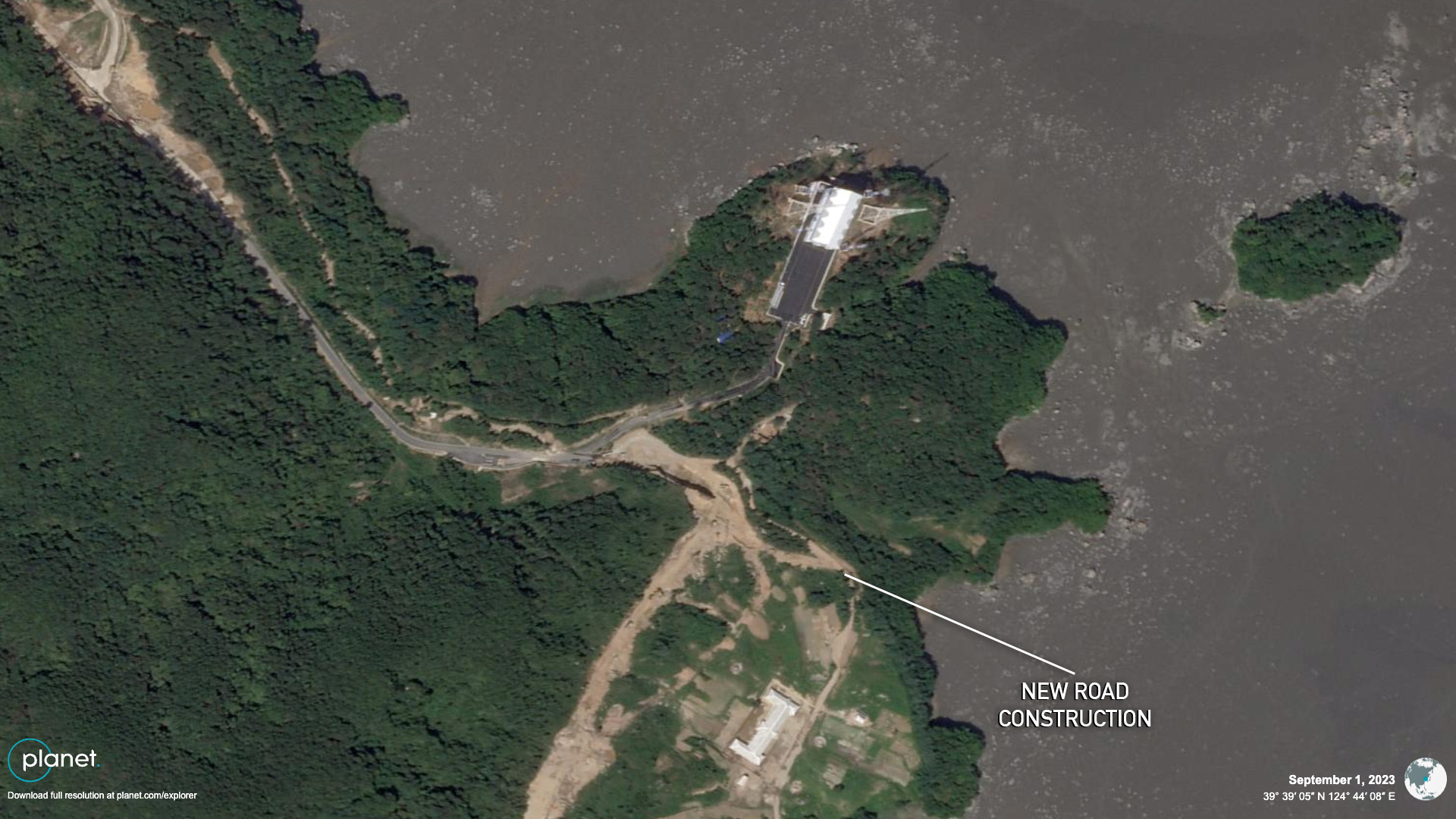
Putin told reporters last week that he would help the DPRK “launch” satellites after meeting North Korean leader Kim Jong Un at Russia’s Vostochny Cosmodrome. But Roscosmos General Director Yuri Borisov reportedly said the two sides hadn’t established concrete cooperation plans. Planning and conducting technical cooperation for Russia to help launch North Korean satellites would take time, making any joint efforts for Pyongyang’s stated October plans unlikely. Kim Jong Un publicly detailed plans in March 2022 for rebuilding and expanding the Sohae Satellite Launching Grounds, and experts have said the infrastructure work that has taken place since then points to long-term plans for building an indigenous world-class space program. Kim and his top rocket scientists would have noticed the vastly more advanced facilities at the Vostochny Cosmodrome earlier this month, which may result in changes to the master plan for the Sohae reconstruction project. Planet Labs imagery suggests some parts of the project have stalled for months already, such as the construction of what may be new rocket assembly buildings and the refurbishment of the old launchpad. Work has slowly continued on a tunnel linking the coastal launchpad and other facilities in the central Sohae complex. However, there are no indications that North Korea plans to give up on its indigenous program to focus on paying Russia or others to launch its payloads. Whatever cooperation results from the Kim-Putin meeting and a potential follow-up summit in Pyongyang could involve launches by Russia, though this would likely supplement the DPRK’s space program given the government’s heavy investment of resources to develop it. North Korea announced both its May 31 and Aug. 24 spy satellite launches two days ahead of time, meaning a launch window announcement for the October attempt could come as early as this week. Pyongyang could also choose to launch around the Oct. 10 party foundation day holiday, though it has so far not chosen dates with political significance for other launches for the “Malligyong-1” spy satellite program. Edited by Alannah Hill © Korea Risk Group. All rights reserved. |

October 28, 2026Oct 28, 2026

The ultimate resources for professionals working on North Korea
 SHARE
SHARE COPY LINK
 X
X MASTODON