  News North Korea renovated major concentration camp during pandemic, imagery showsExpert says Kwalliso No. 25 was likely preparing for rise in prisoners due to harsh new laws and border reopening  North Korea renovated a major political prison in the country’s remote northeast during the pandemic, NK Pro analysis shows, in what one expert described as likely part of preparations for an influx of prisoners. High-resolution Google Earth satellite imagery reveals that North Korea constructed new buildings and upgraded security infrastructure at Kwalliso No. 25, also known as the Chongjin concentration camp, between 2020-2023. The renovations began in 2020 when authorities built a 1476 square foot (450 square meter) structure within the walls of the prison camp. A building outside of the main detention facility was reconstructed the same year, while the roof of another building within the prison walls was replaced in 2021. In 2021 and 2022, North Korea added coverings over two gates. Satellite imagery also shows ongoing renovation at the facility’s main gate in May 2023, possibly adding a barrier to create a sally port and improve security. 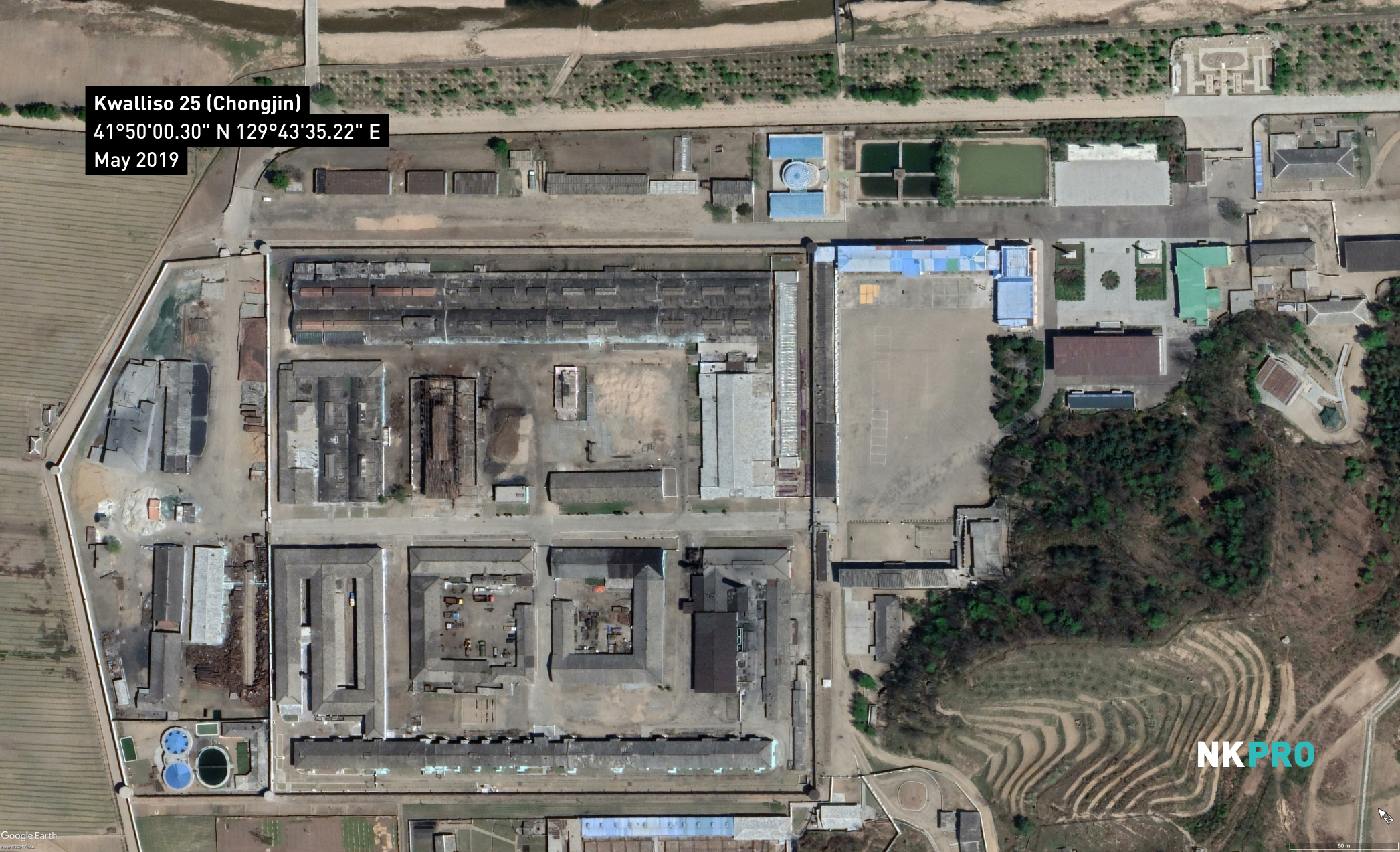 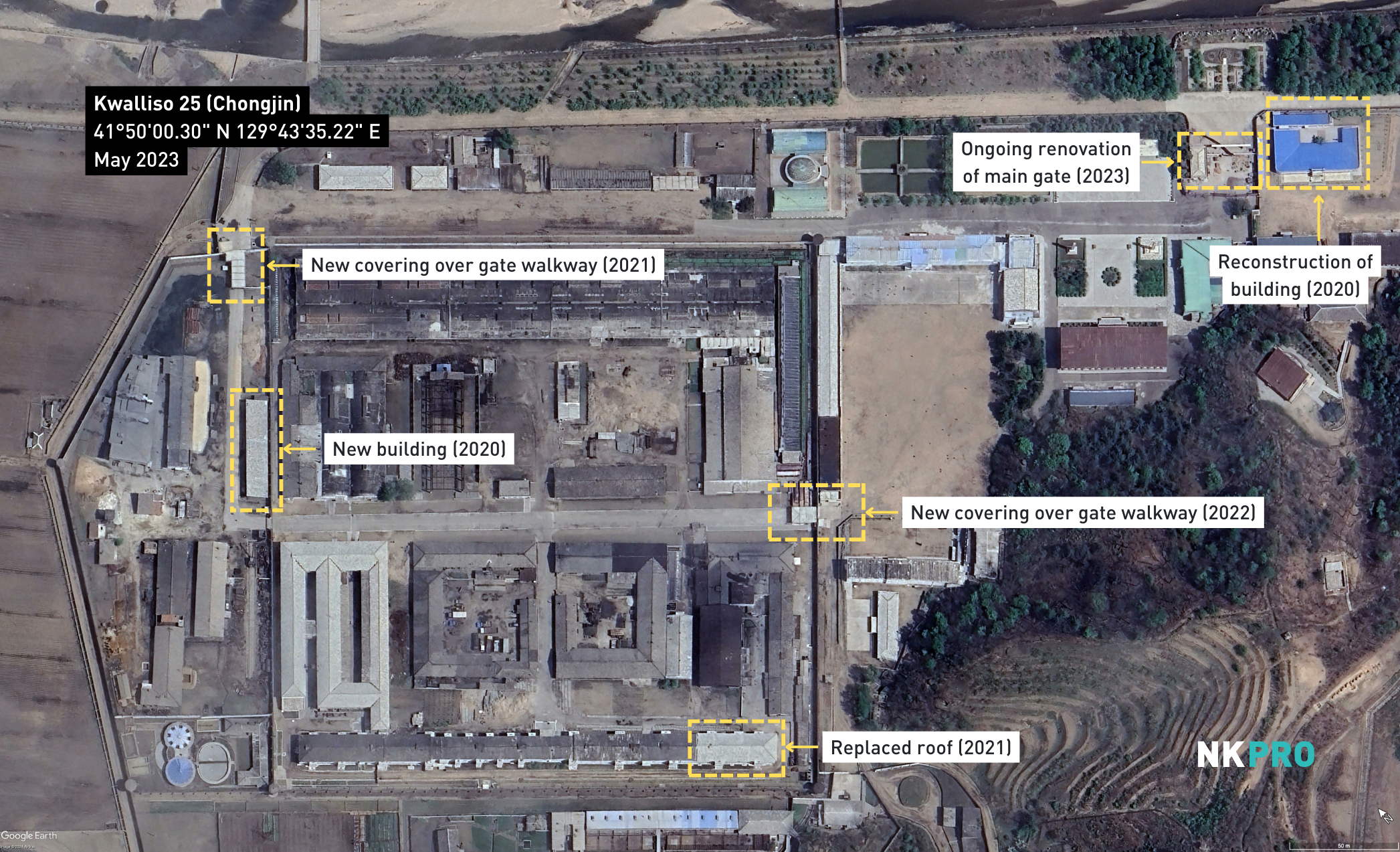 This image comparison shows renovations at Kwalliso No. 25 from 2020-2023. | Images: Google Earth, edited by NK Pro Joanna Hosaniak, deputy director general at the nonprofit Citizens Alliance for North Korean Human Rights, suggested the changes to Kwalliso No. 25 were a result of Pyongyang’s COVID-19 policies. The renovations “must have been a preemptive response to an expected rise in prisoners due to border openings and increased deportations after the pandemic, along with harsher punishments targeting access to independent information and technologies based on new laws that North Korea introduced at the time,” she told NK Pro. The Chongjin concentration camp is one of North Korea’s four known kwalliso, penal facilities where the regime holds prisoners for political and religious reasons. According to the 2014 U.N. Commission of Inquiry (COI) report on North Korean human rights, prisoners at Kwalliso No. 25 “are incarcerated for life without trial on political grounds.” The concentration camp was established in 1968 and houses between 2,500 and 5,000 prisoners, according to the Committee for Human Rights in North Korea (HRNK). 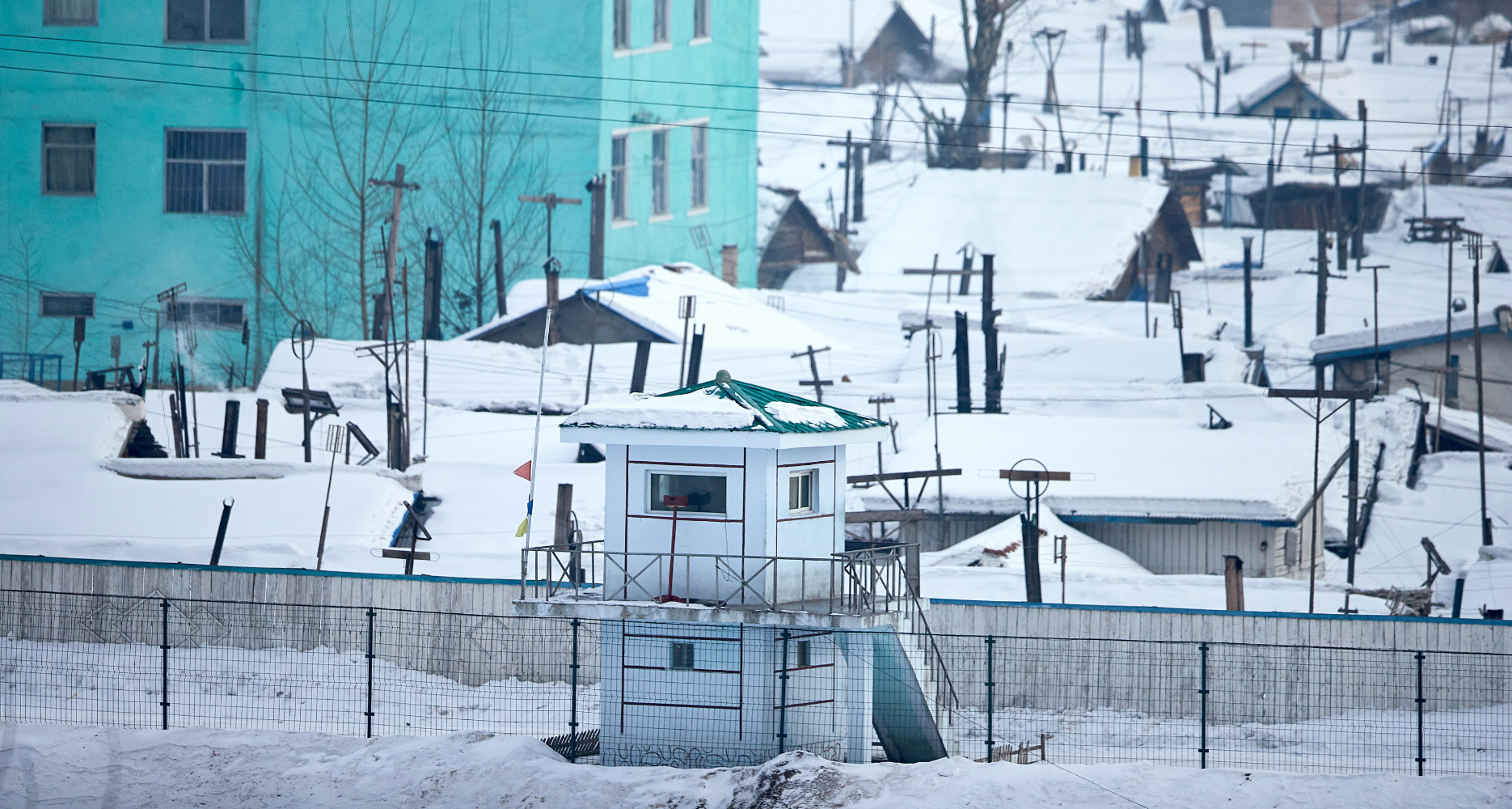 TOTAL CONTROL North Korea’s penal system consists of three types of facilities: pre-trial detention centers (kuryujang), reeducation facilities (kyohwaso) and political prison camps (kwalliso). Kwalliso, located in remote areas, are the most “extreme” among the three, according to Hanna Song of the Database Center for North Korean Human Rights. “Kwalliso are where North Korea keeps what they think are their most severe criminals. And so North Korea is very conscious of any information getting out,” she said. “This is the place I think they would want to keep hidden the most.” Song explained that testimonies of life inside the camps are thus exceedingly rare. “We are not aware of any testimonies of persons who have experienced kwalliso post-2010.” Ahn Myong-chol, a former kwalliso guard cited by the COI, testified at a public hearing in 2013 that kwalliso inmates “are no longer registered citizens, so you do not need a law to decide the sentences.” “They are already eliminated from society,” he said. According to the COI, another guard at the now-dismantled Kwalliso No. 13 said he had to “transport political prisoners to secret execution sites in the mountains.” “The victims had to shovel their own graves before other security officials killed them by a hammer blow to the back of the skull,” he reportedly said. The 2014 COI report stated that kwalliso are divided into two zones. The “revolutionary zone” houses prisoners who are eligible for release after undergoing ideological “reeducation” and hard labor. By contrast, the “total control zone” is for “irredeemable” inmates who are incarcerated for life. According to the COI, authorities can send “entire families” up to the third generation to prison camps based on the principle of guilt by association. At the time, the U.N. commission estimated that “hundreds of thousands of political prisoners have perished in camps over the past five decades.” “The inmate population has been gradually eliminated through deliberate starvation, forced labor, executions, torture, rape and the denial of reproductive rights enforced through punishment, forced abortion and infanticide,” the commission concluded. North Korea has always denied the existence of political prison camps. In a statement submitted to the U.N. in December, Pyongyang again insisted that “there is no such thing as ‘kwalliso’ in the DPRK,” accusing “hostile forces” of spreading rumors about such camps to defame the country. The regime only officially acknowledges the operation of kyohwaso, long-term prison camps where it says criminals undergo labor-based reform. Edited by Bryan Betts © Korea Risk Group. All rights reserved. |

October 10, 2026Oct 10, 2026

The ultimate resources for professionals working on North Korea
 SHARE
SHARE COPY LINK
 X
X MASTODON