
  Investigations North Korea carries out new construction on missile engine test standActivity captured in satellite imagery may aim to strengthen structure for development of Hwasong-20 ICBM  North Korea is taking part and possibly upgrading its main engine test stand for long-range missiles, according to NK Pro analysis of satellite imagery, in what could be an effort to strengthen the structure for future testing as it develops the new Hwasaong-20 intercontinental ballistic missile (ICBM). Planet Labs imagery shows construction started between Oct. 5 and 13 at the horizontal test stand at the Sohae satellite launch complex in northwestern North Korea. Materials appeared around the raised platform in subsequent weeks, as well as signs of digging around the pillars beneath it. The shelter structure covering the engine mount and a large concrete thrust reaction block was then removed between Nov. 2 and 11, exposing the block. 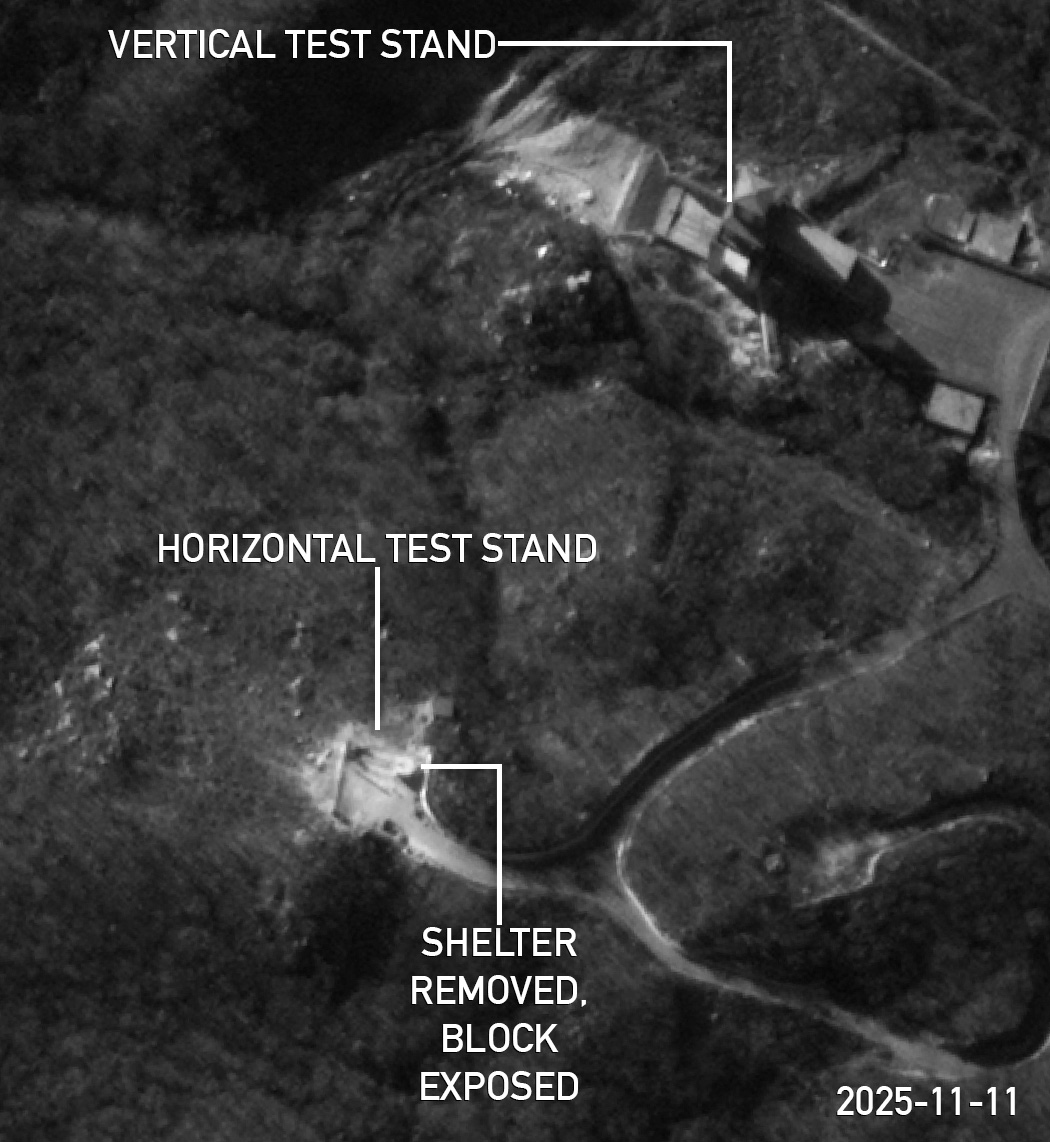
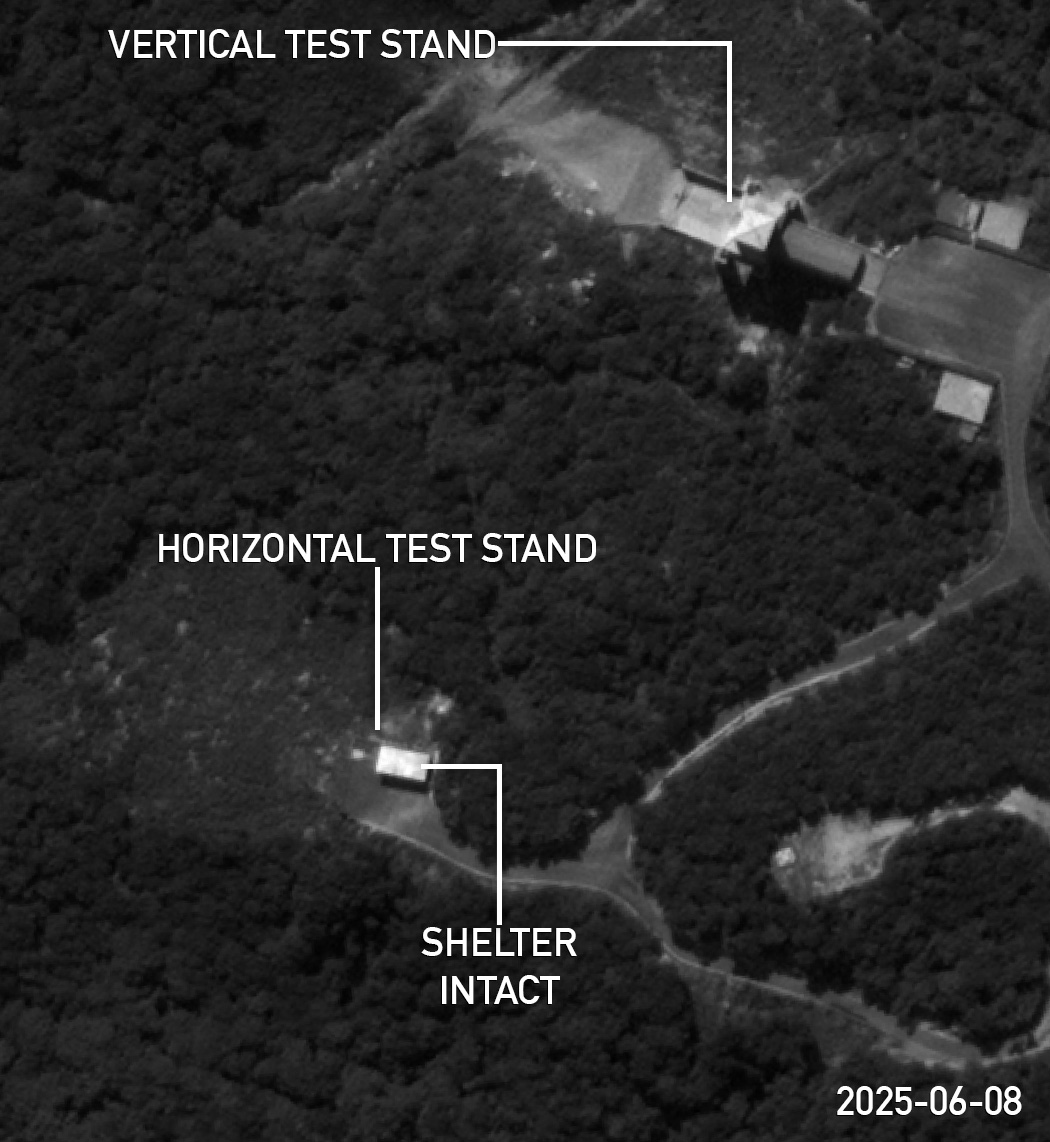
Overall, the work on the test stand appeared unfinished as of Thursday. Madeline Berzak, manager of the Nuclear Risk Program at the University of Chicago Existential Risk Lab, told NK Pro that workers “may be changing the cylinder inside” the concrete block “to strengthen it to withstand bigger motors.” The cylinder refers to what Berzak speculates to be a structure inside reinforcing the concrete block, citing photos of a Dec. 2022 test that showed a cone of beams connecting the engine to the block. North Korea last conducted a solid-fuel first-stage motor test at the Sohae horizontal stand on Sept. 8, which state media said at the time was the ninth and “final” test of the engine’s development process. 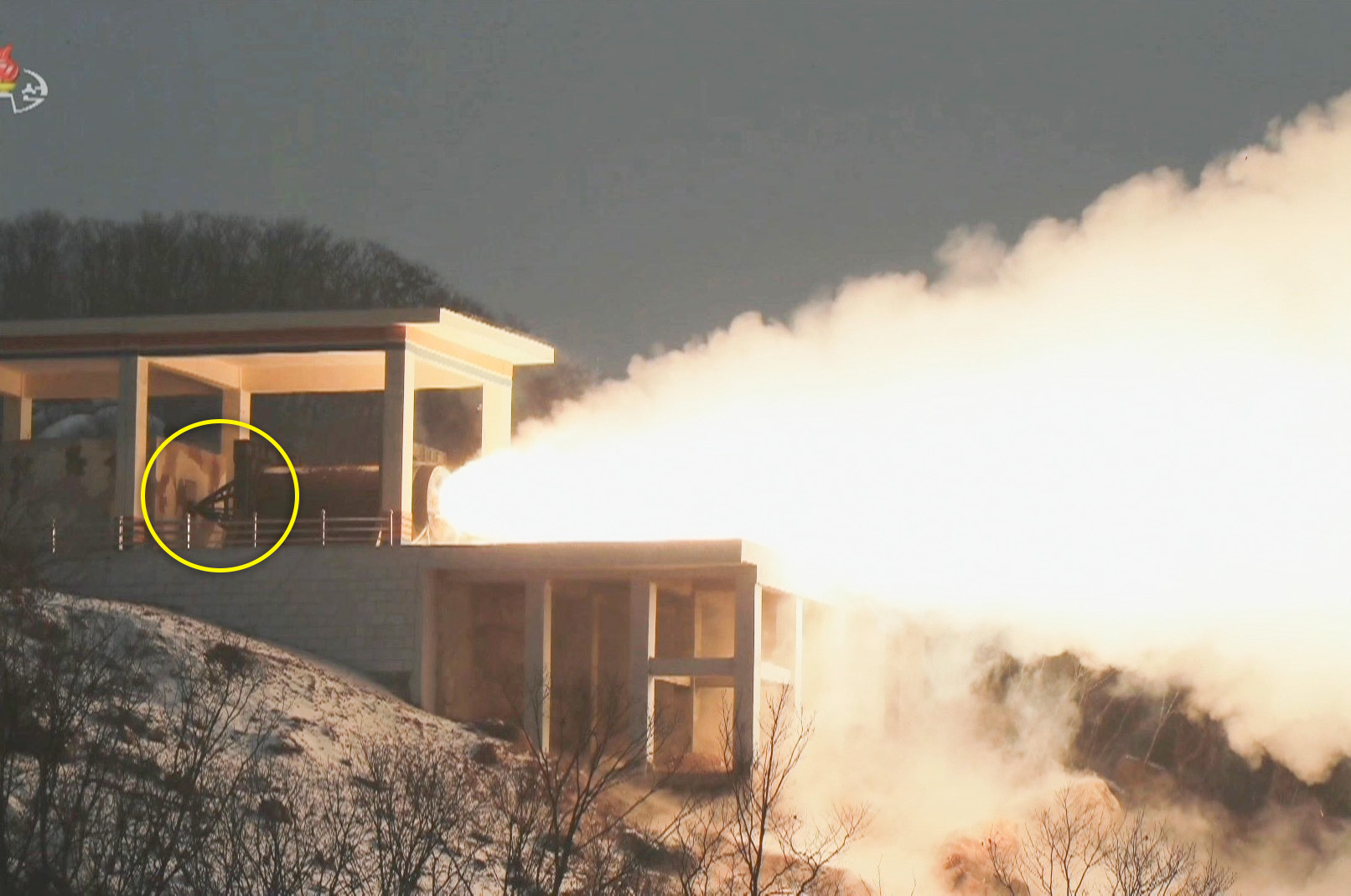
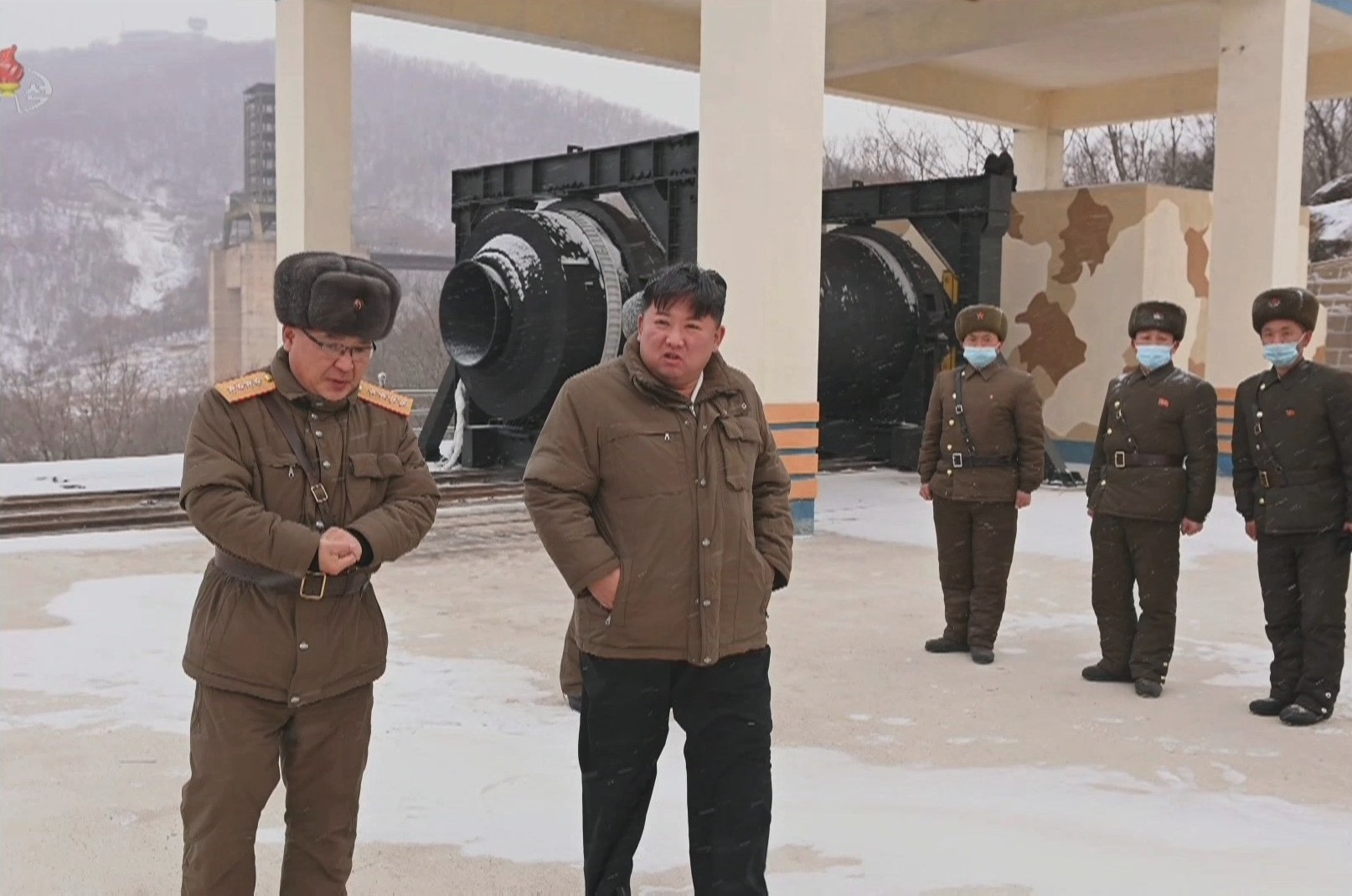

A report a week earlier on Kim Jong Un visiting an engine production factory said he inspected a new motor that would be used in both the Hwasong-19 ICBM and newer — and yet untested — Hwasong-20 ICBM. The Hwasong-20 served as the grand finale of the Oct. 10 military parade, and it was also on display at a weapons expo in Pyongyang a week earlier, though experts assessed it looked like a slightly modified Hwasong-19. North Korea has yet to test launch the Hwasong-20. The possible upgrades to the engine stand now may be part of plans to test the engine again before a proper launch, while major construction is also ongoing at what appears to be a new missile launch complex in eastern Pyongyang. SATELLITE LAUNCH-RELATED ACTIVITY The vertical engine test stand to the west of the horizontal stand is typically used for liquid-fuel engines, which North Korea has mostly abandoned for its long-range missiles but which were used in the Chollima satellite launch vehicle (SLV). An engine test appeared to take place at the vertical stand in June, though North Korea has not conducted an SLV launch since a failed attempt from a coastal launchpad at Sohae in May 2024, leading to an apparent reassessment of the entire program. 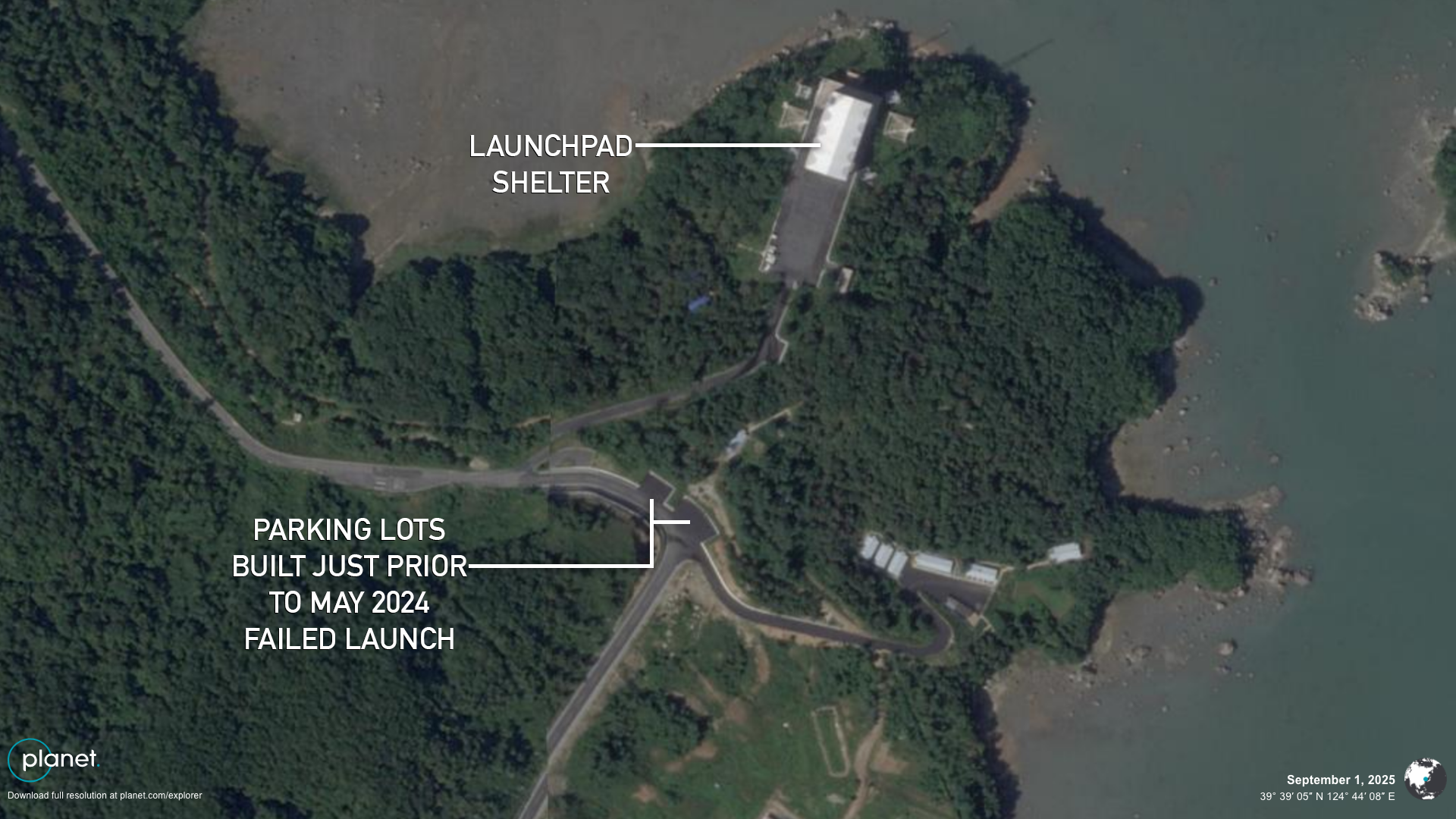
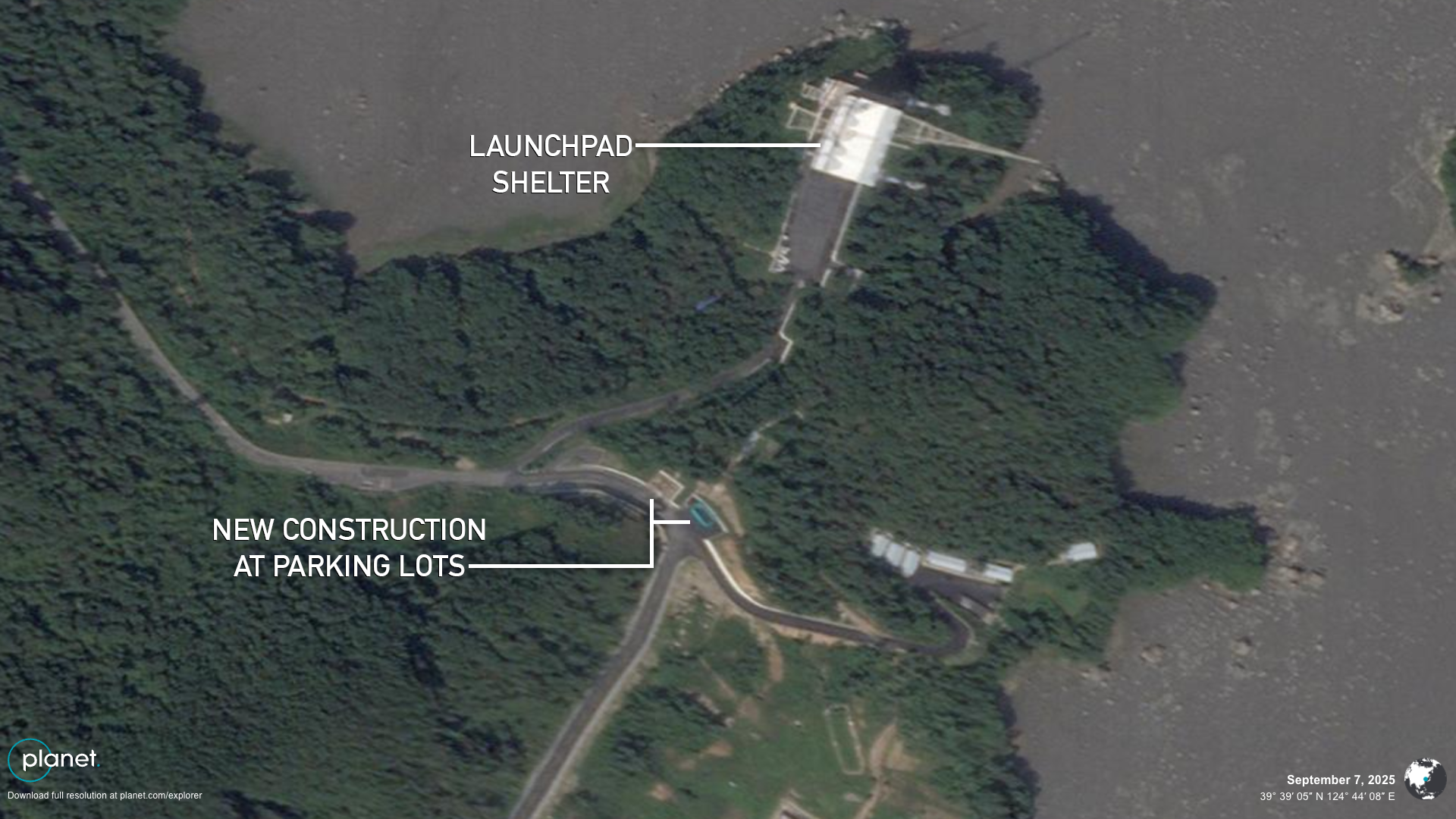
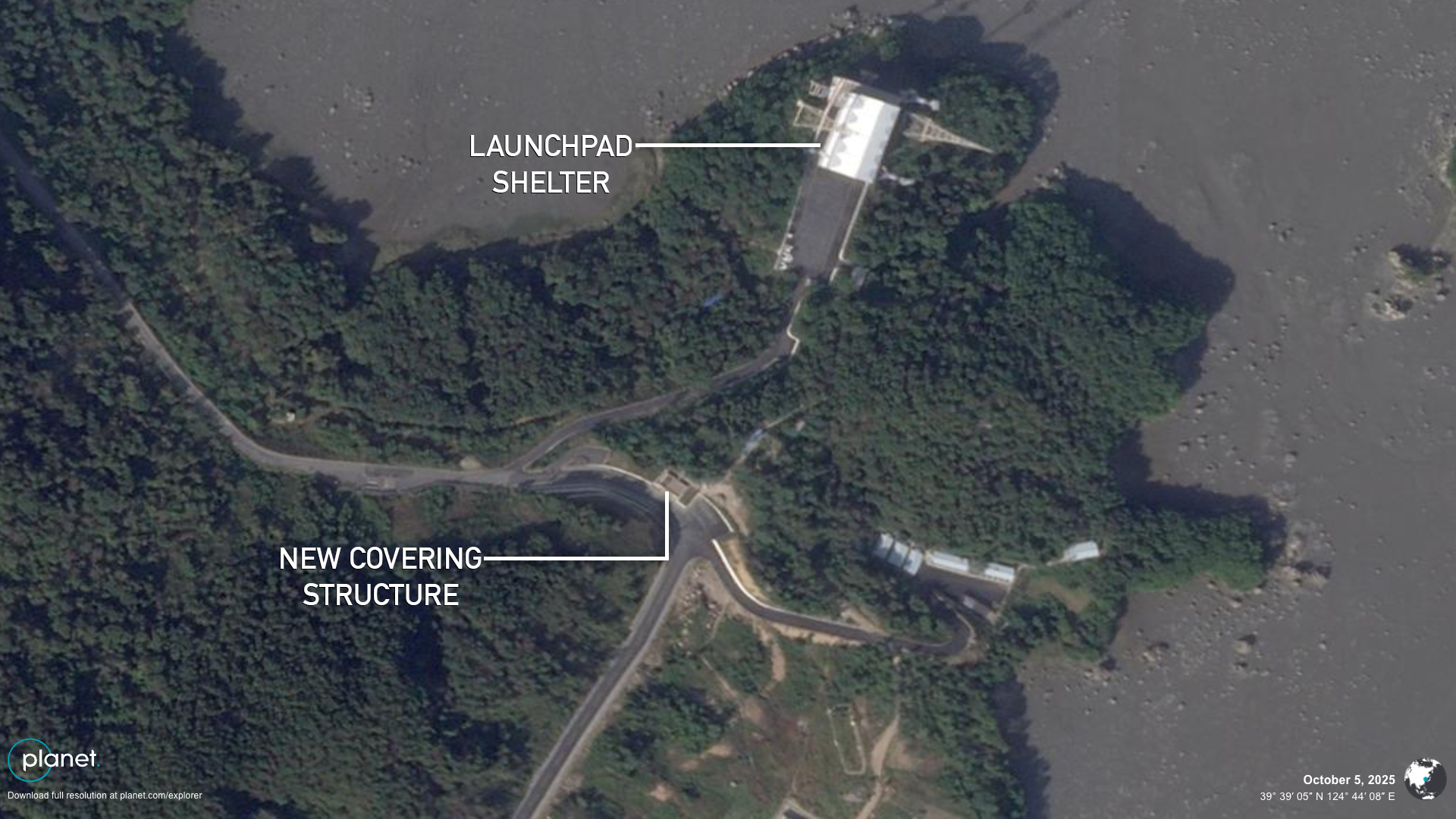
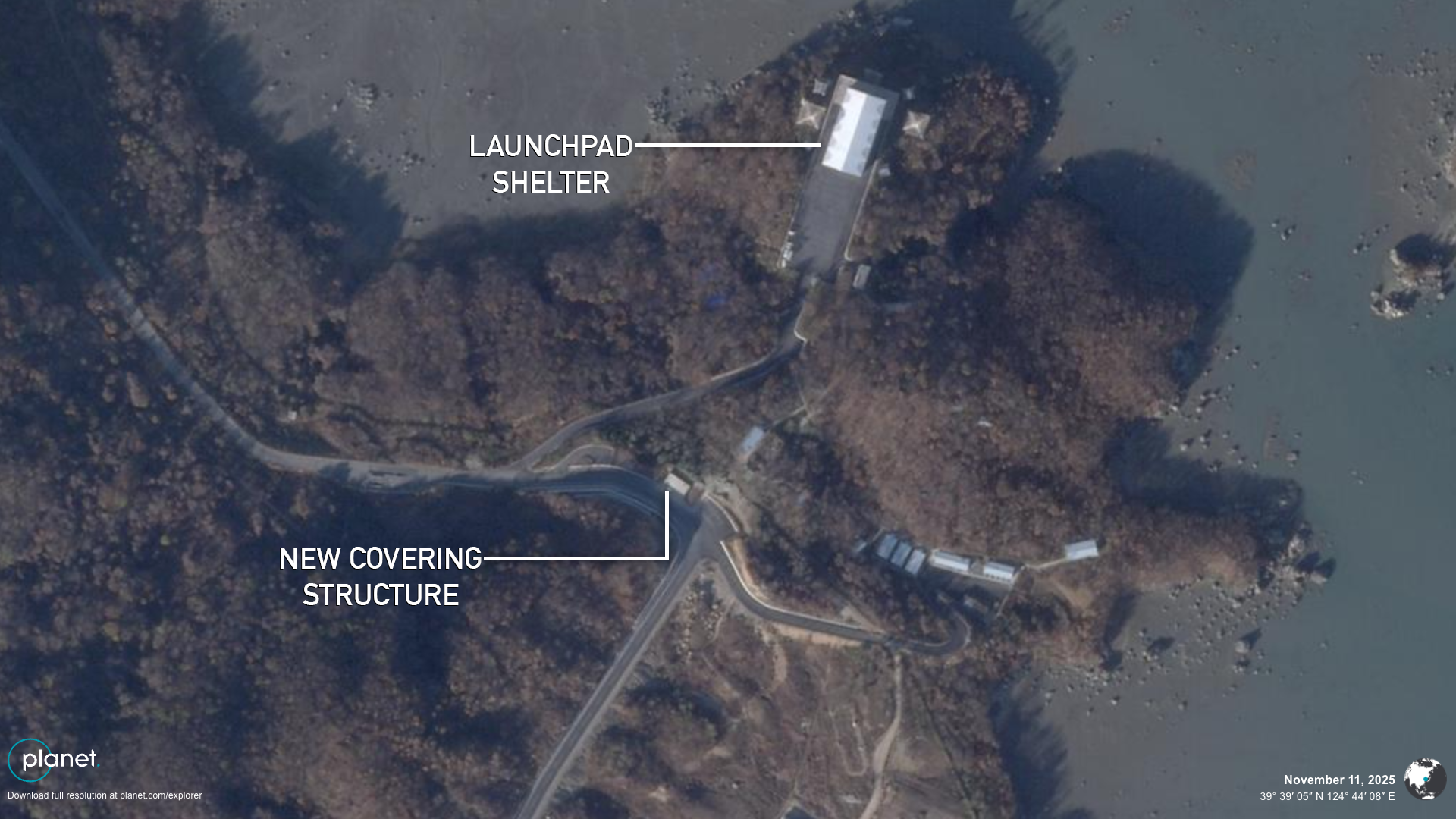
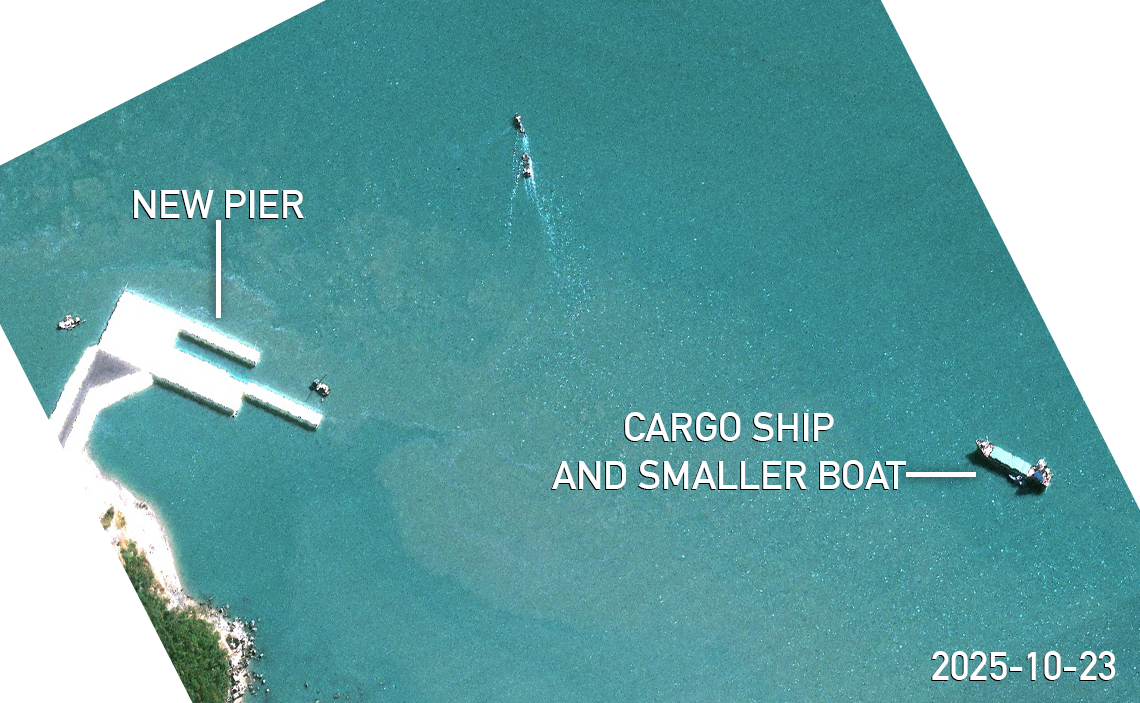
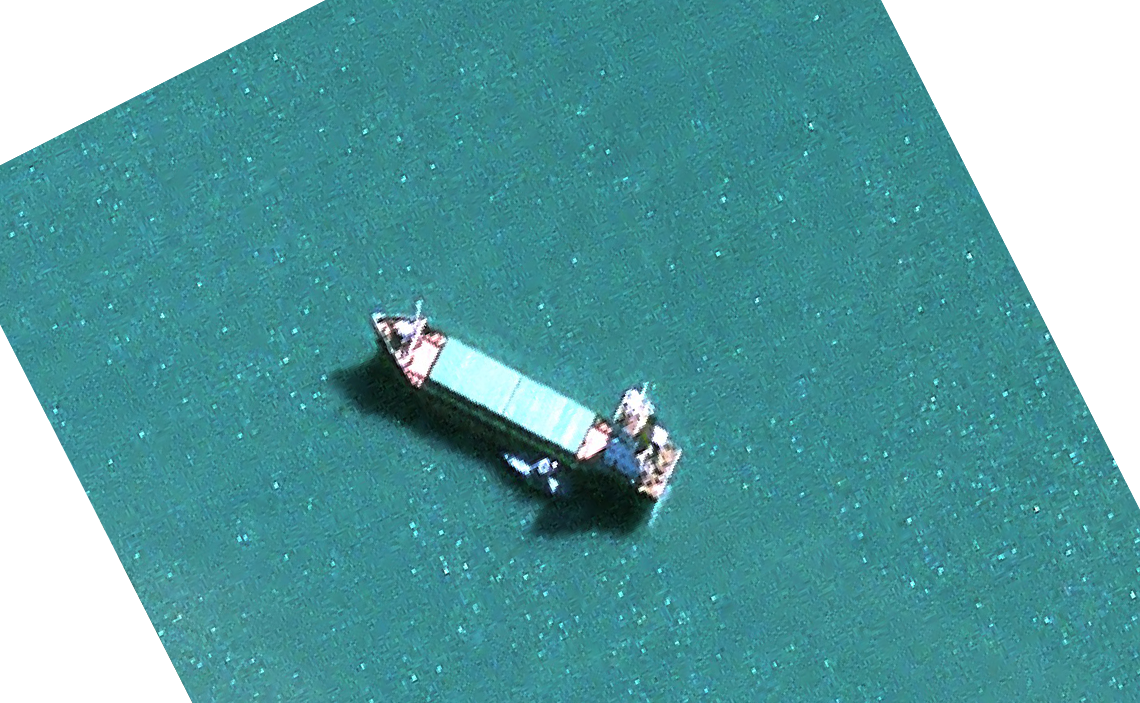
CSIS’ Beyond Parallel and 38 North reported signs of new activity around the vertical stand in late September, and 38 North added that it detected “limited burn marks in the exhaust bucket, suggesting a test of a smaller, upper stage rocket engine had occurred” by Oct. 4. These could be part of preparations for the next satellite launch, which has yet to be announced. North Korea is likely to notify international organizations of expected rocket stage drop locations in international waters. In a related development, a new structure was built in September covering one of the apparent parking lots next to the coastal launchpad, possibly to obscure the presence of vehicles. After largely finishing work on a new pier to the south of the launchpad in July — presumably built to help facilitate deliveries of oversized rocket components — NK Pro spotted a large cargo ship (80 meters long and 15 meters wide) just outside the pier in Planet Labs and Maxar imagery taken on Oct. 23. It’s unclear if it visited the pier, but there are no other nearby ports, suggesting it may have made a delivery to the Sohae launch complex. Edited by Bryan Betts © Korea Risk Group. All rights reserved. |

October 14, 2026Oct 14, 2026

The ultimate resources for professionals working on North Korea
 SHARE
SHARE COPY LINK
 X
X MASTODON