  
Analysis Kim Jong Un’s viral flood tour was actually centered on secret new projectAnalysis shows construction began in April and that North Korean leader likely only inspected flooding at the site 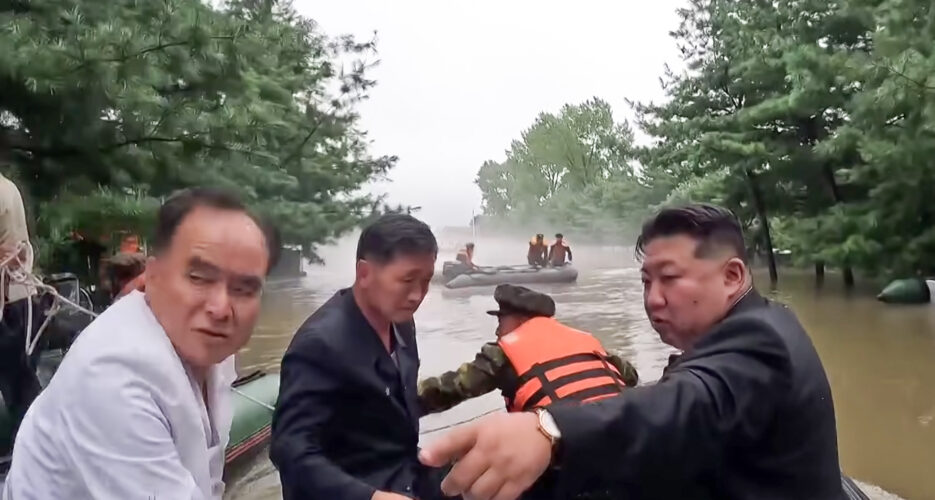 North Korean leader Kim Jong Un’s boat tour of flood damage last month that went viral for his collision with a tree was centered on concerns about a secret new construction project, rather than the ongoing humanitarian crisis, an NK Pro investigation has found. NK Pro analysis of Planet Labs satellite imagery reveals that the construction kicked off in April near a pandemic-era disinfection facility, possibly as part of plans to expand or replace the quarantine center. But the entire 185-acre construction site, which is connected to Jongmun-ri Station in Sinuiju near the Uiju County border, was flooded in late July. Korean Central Television footage broadcast on July 31 shows that Kim rode a boat to the inundated construction site two days earlier, before going straight back to the spot where a rail line was cut off to hold an emergency Politburo meeting on his armored train. State TV showed him riding the boat to circle a cluster of submerged thatch-covered huts, the project’s temporary worker camp, but the report did not mention or show him going anywhere else. 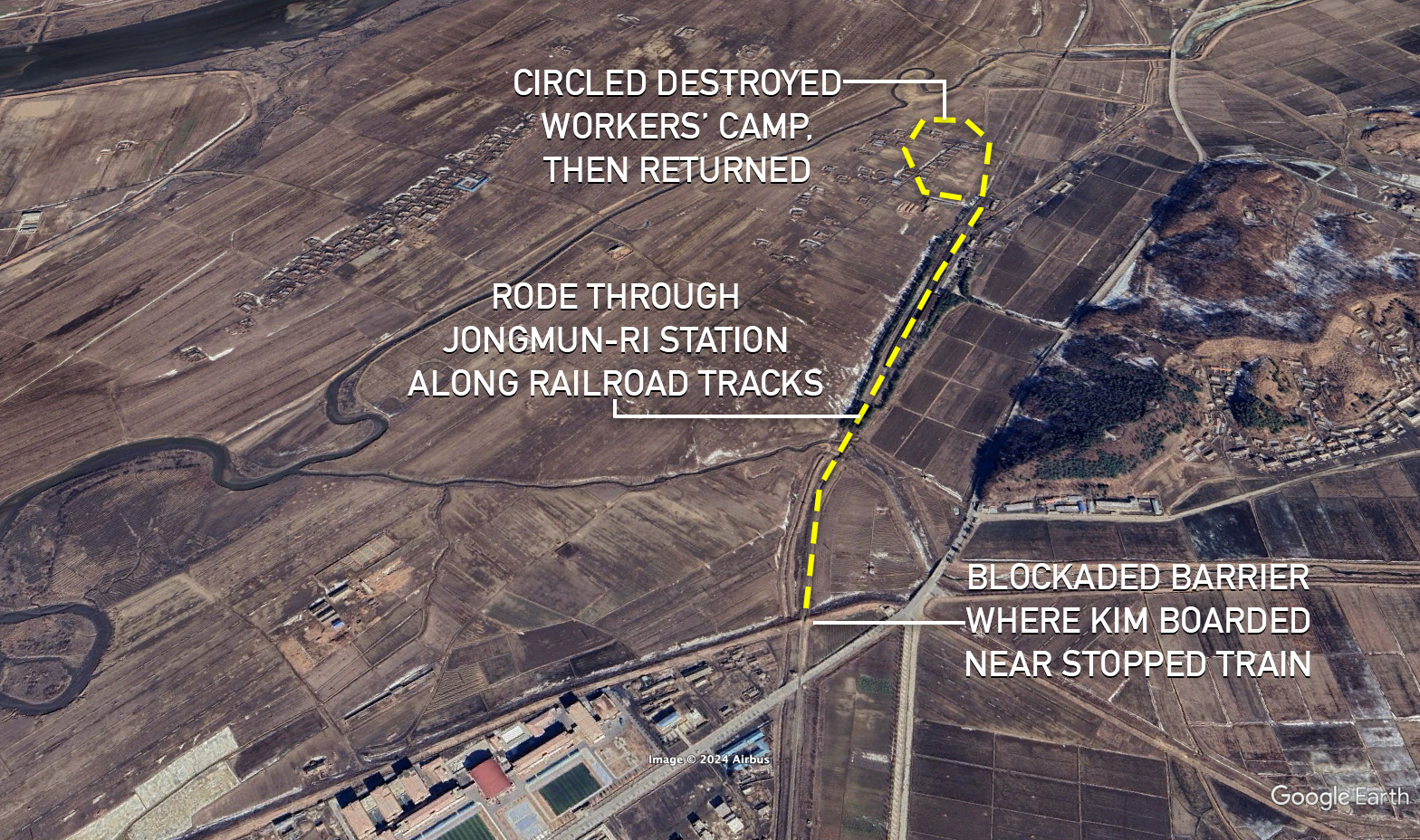
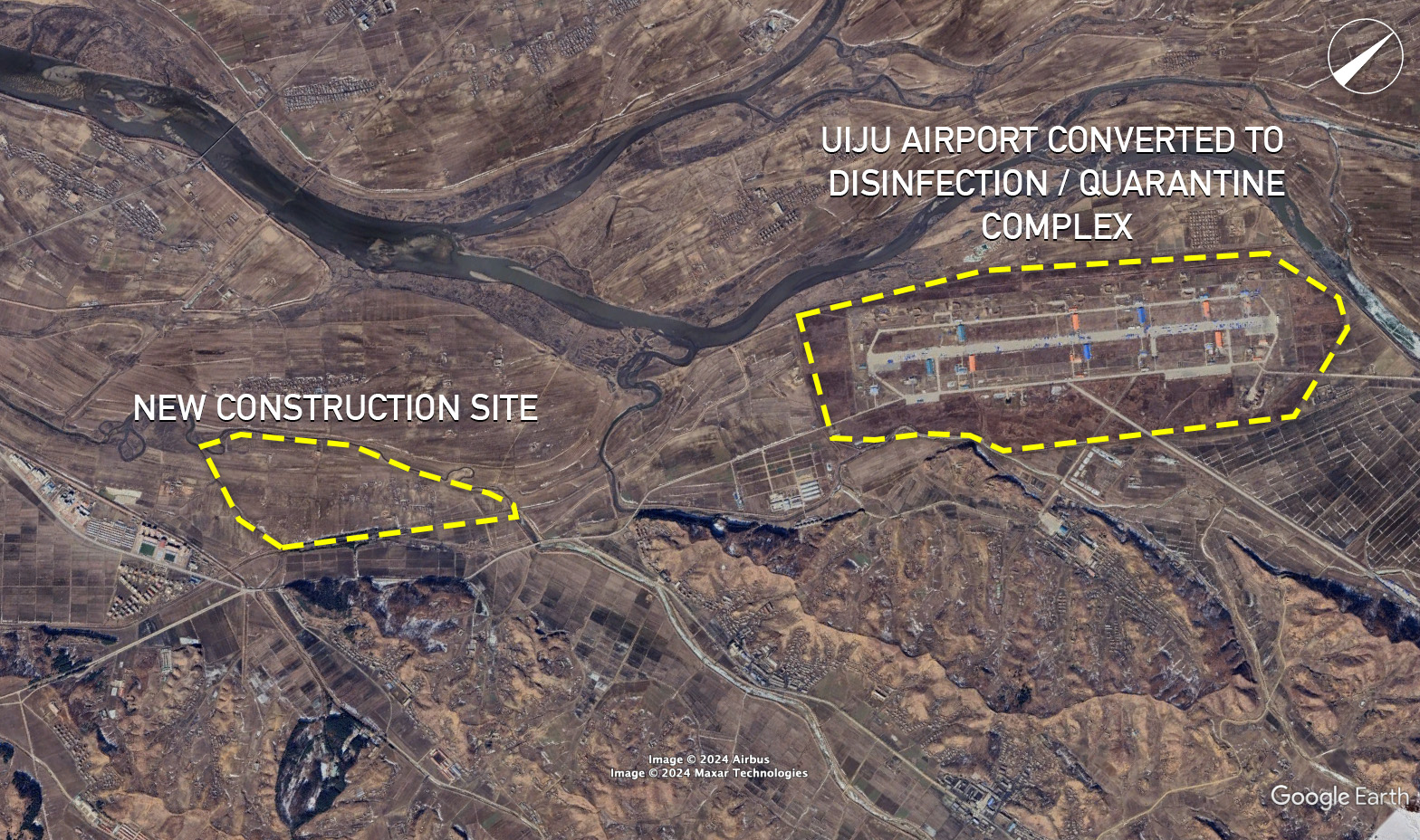
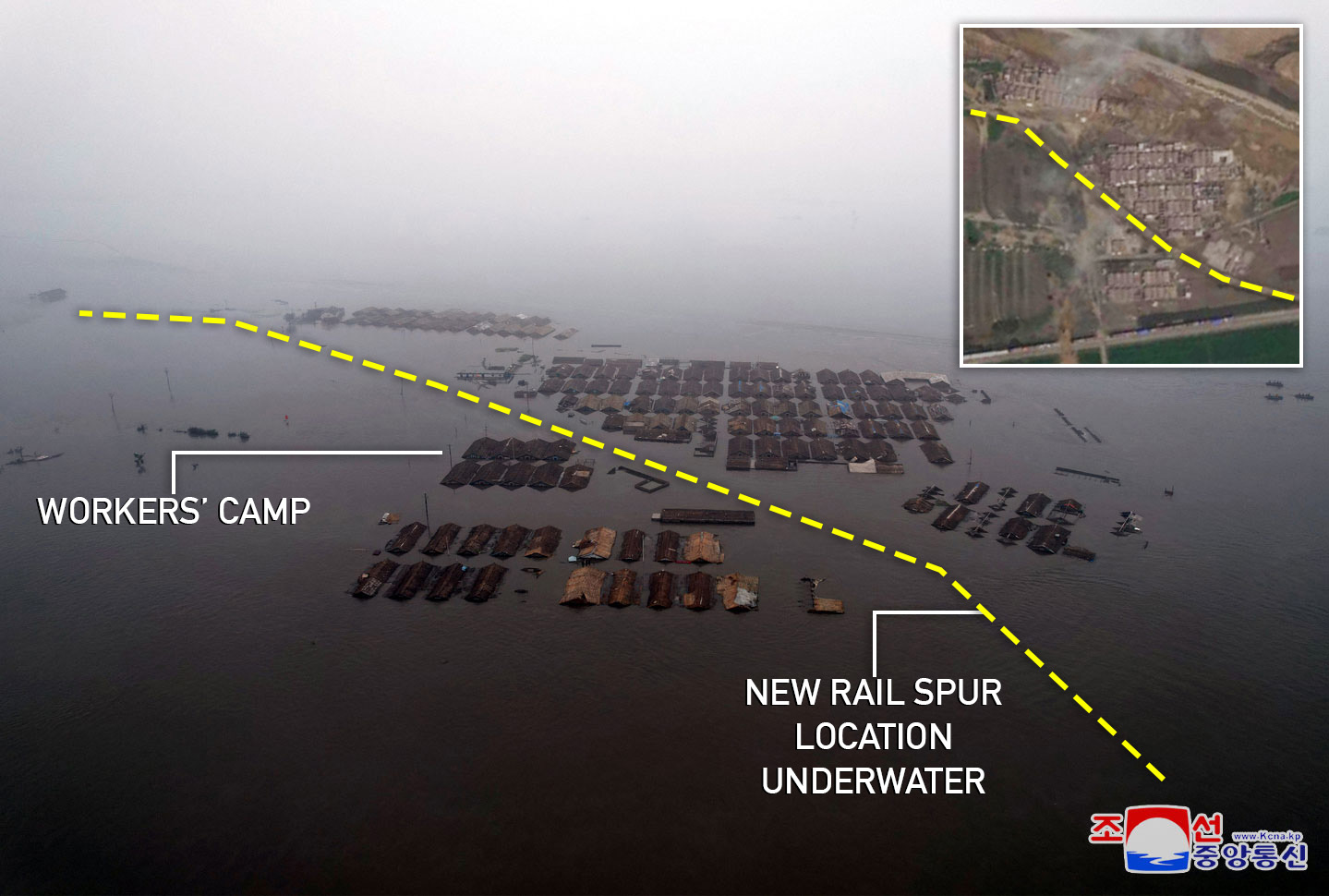
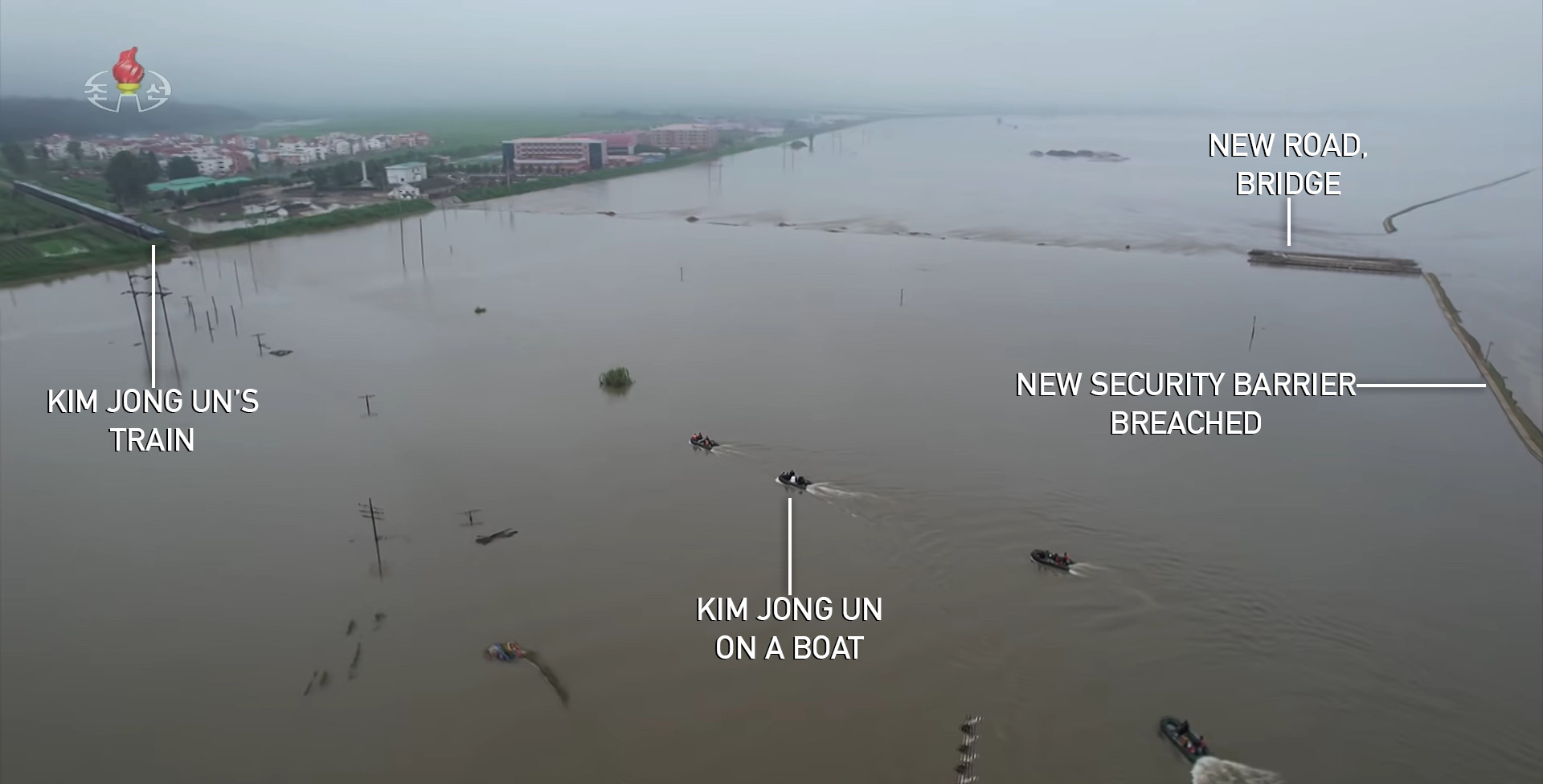
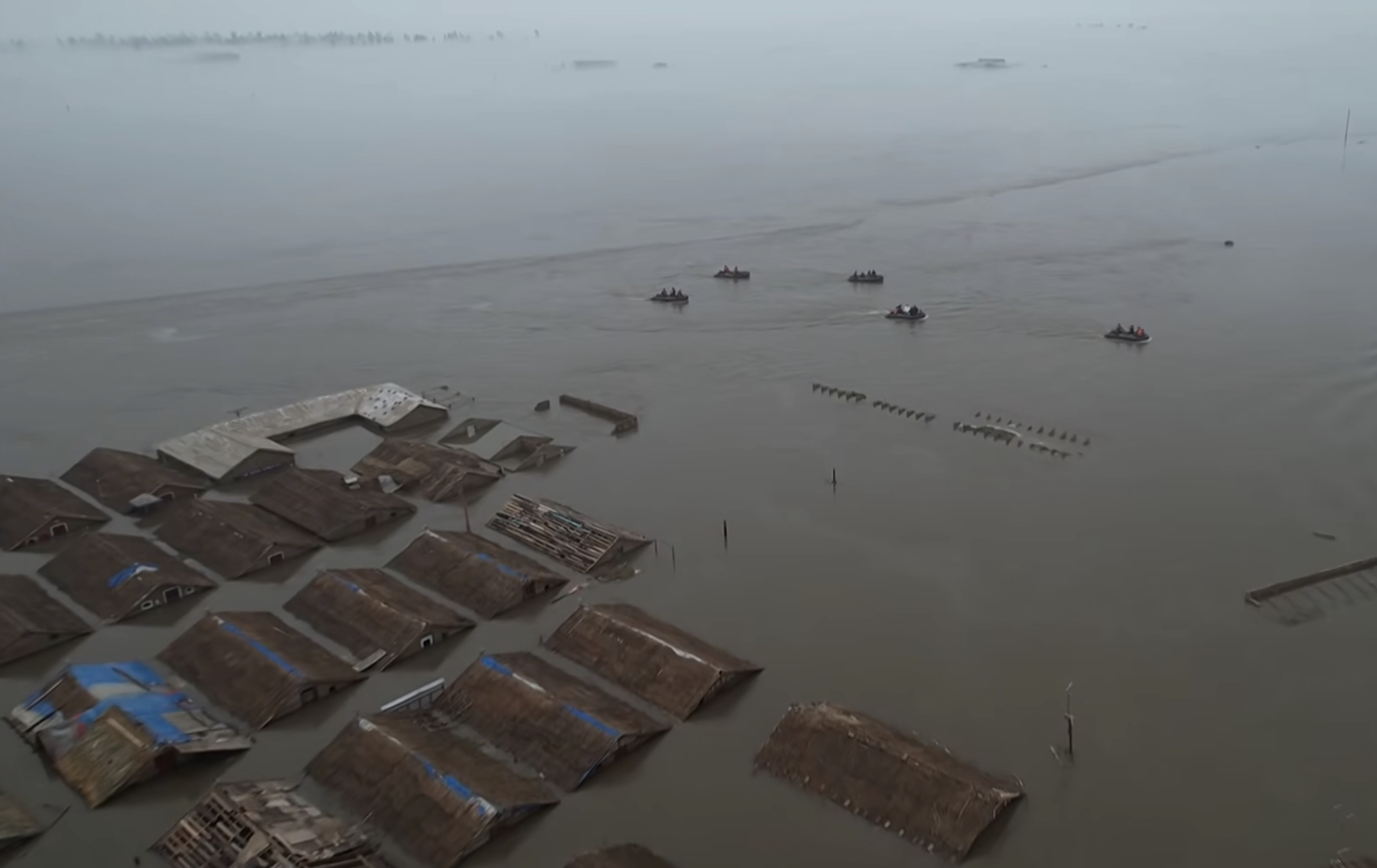
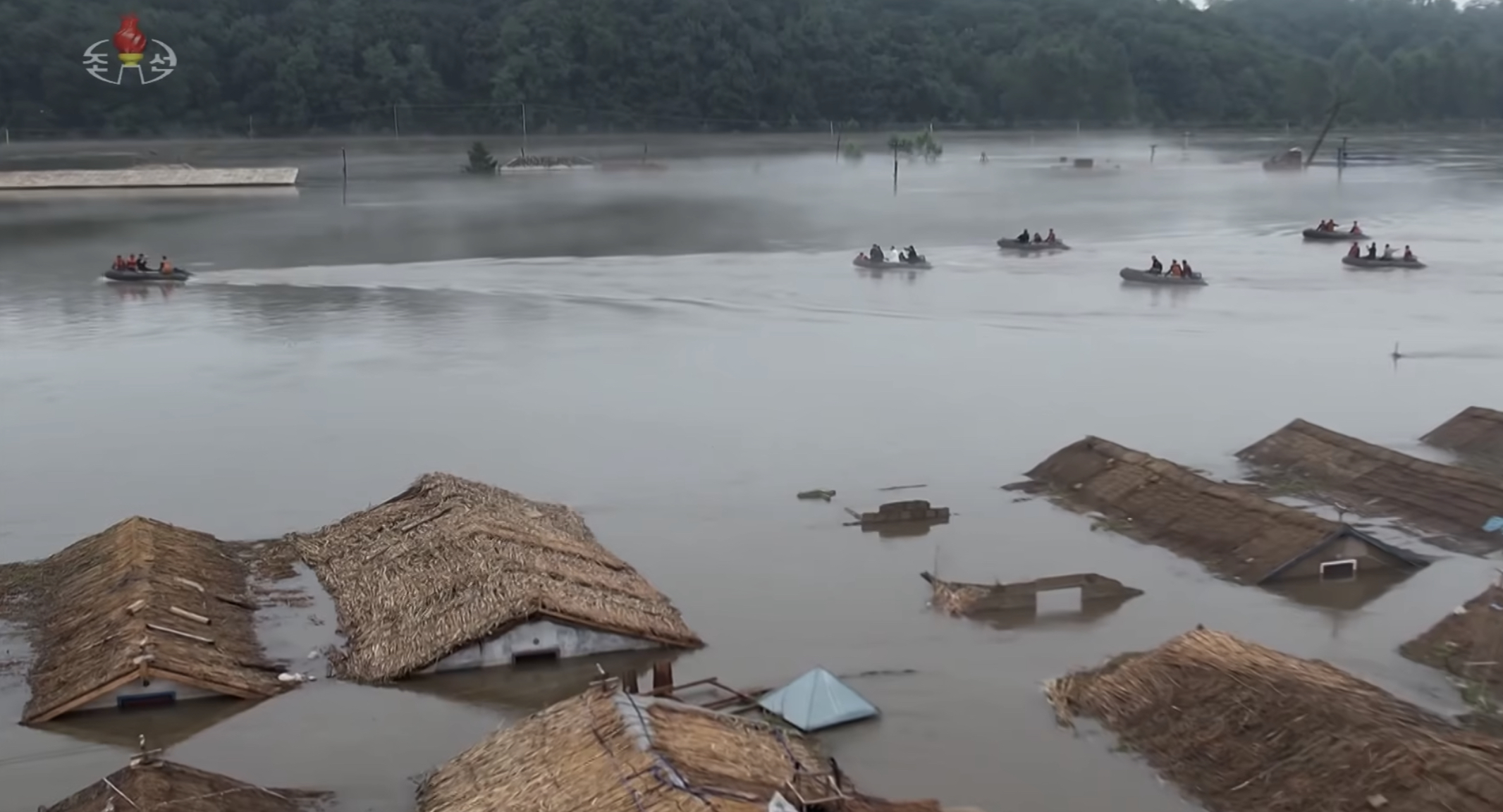
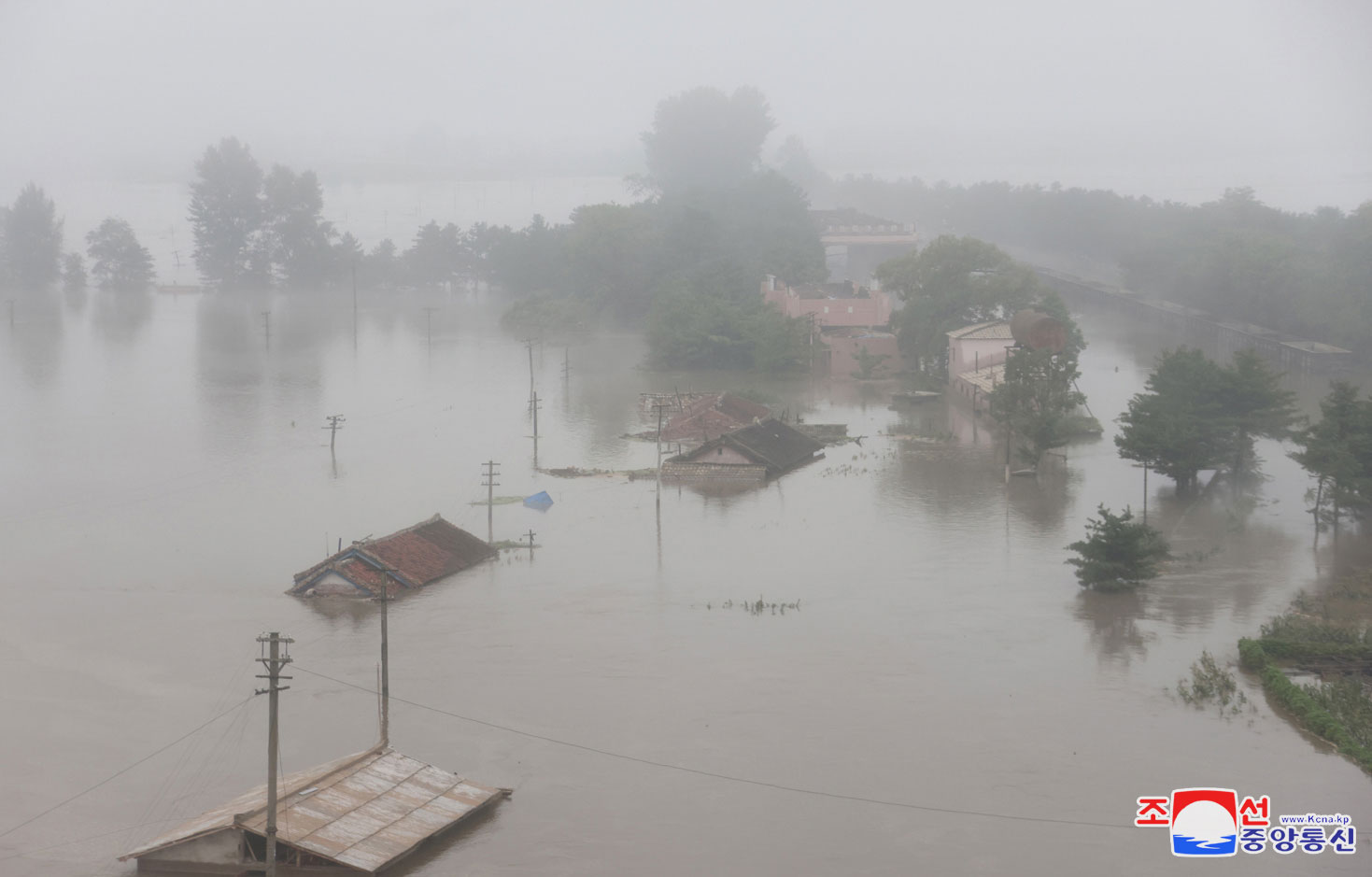
Such construction worker camps are typically only set up for major state-led projects. This one was built starting in late May and featured around 150 huts, which could likely house around 20 workers each or around 3,000 people total. The Korean Central News Agency (KCNA) said Kim went “around the areas deeply flooded beyond recognition” and “expressed deep concern and his determination to take strong state measures for the restoration in the shortest time to provide the people with a better cradle for life.” It did not mention the project site he was inspecting. NEW QUARANTINE CENTER? The site is located just south of the former military-civilian use Uiju Airport. Kim Jong Un partially demolished the airport during the pandemic and turned it into a giant disinfection and quarantine center for goods imported from just across the river in China. Stacks of goods covered in tarp have continued to appear this year at the quarantine area on the runway, despite authorities lifting border restrictions and backing down from extreme concerns that a COVID-19 outbreak could cause a national health crisis. This could point to a plan by Kim to maintain the new pandemic-era system of stricter control and inspection of goods entering the country, as part of his wider goal of keeping out South Korean and other foreign media he deems a threat to his rule. It’s possible the new construction project was intended to serve as a new import processing center after restoring the airport, especially given the new construction site’s large size and proximity to the existing quarantine complex. 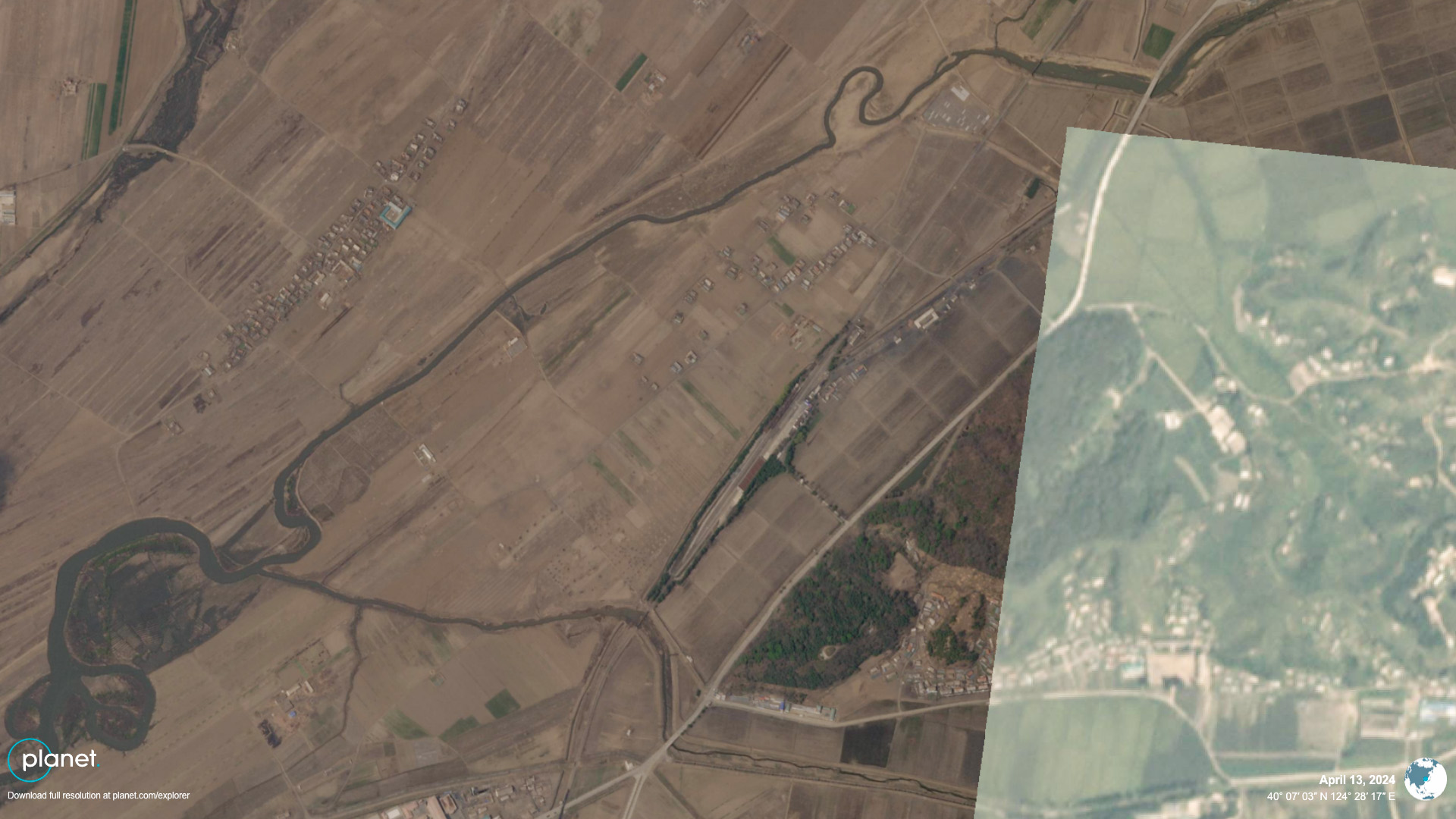
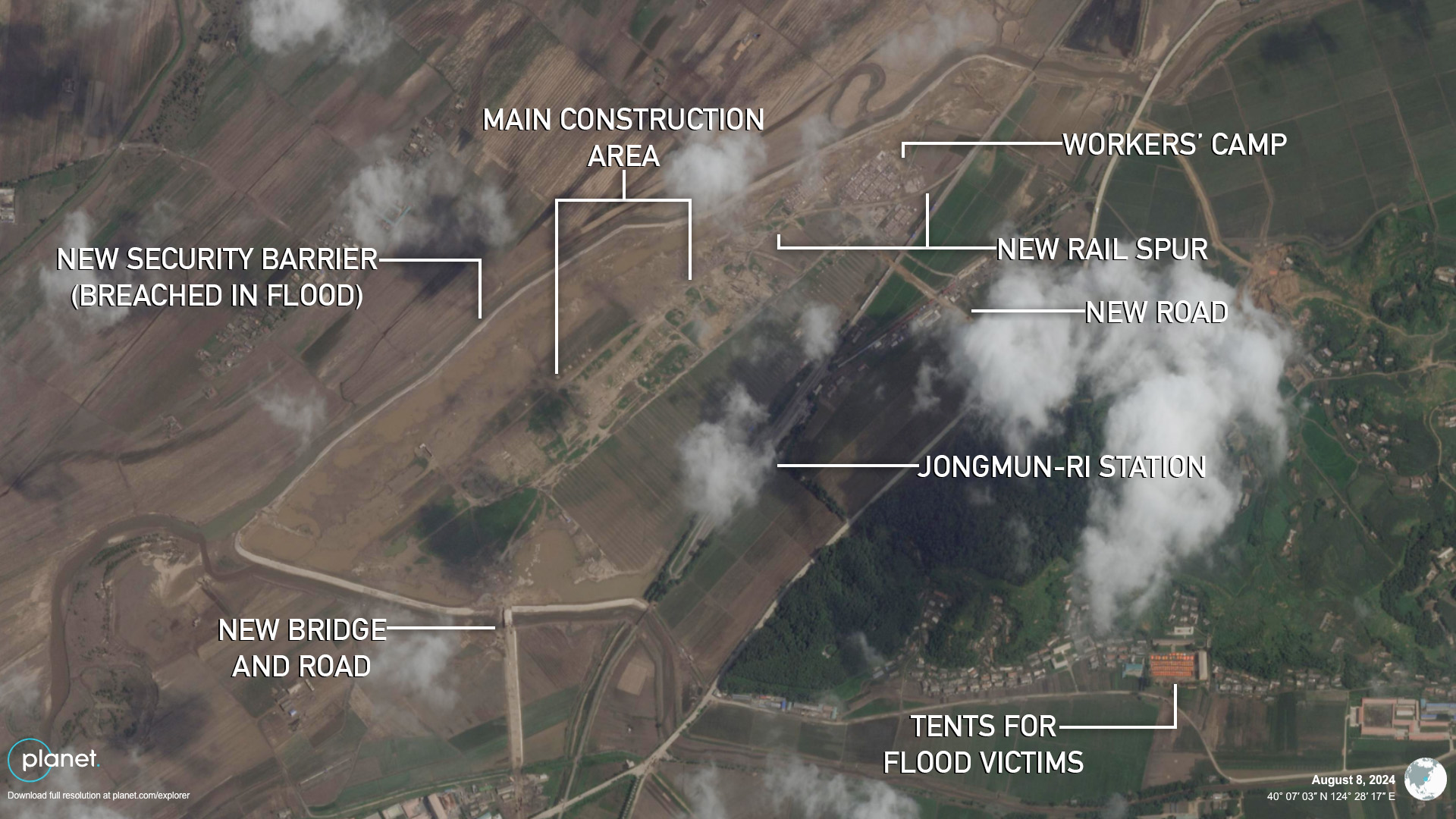
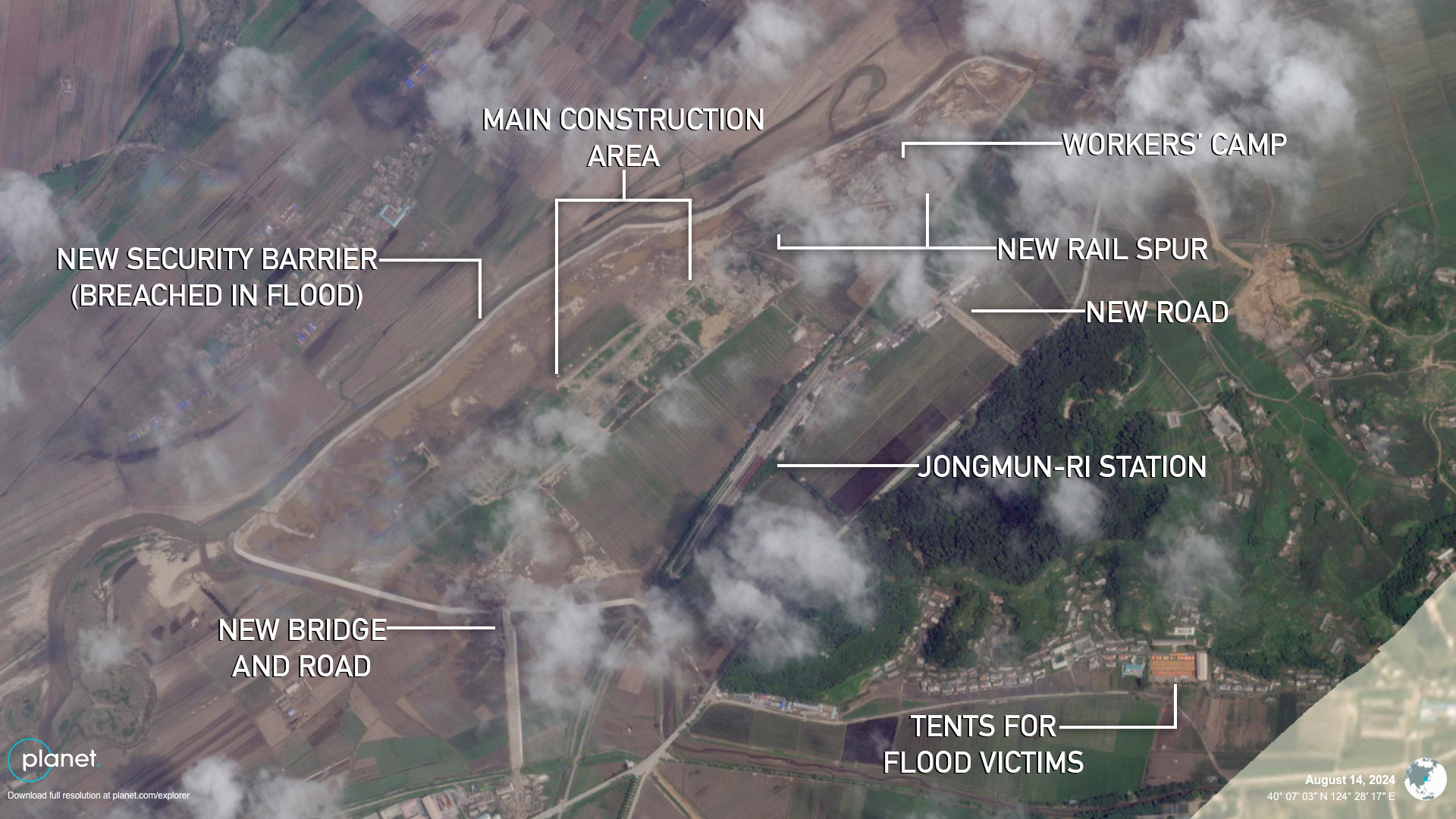
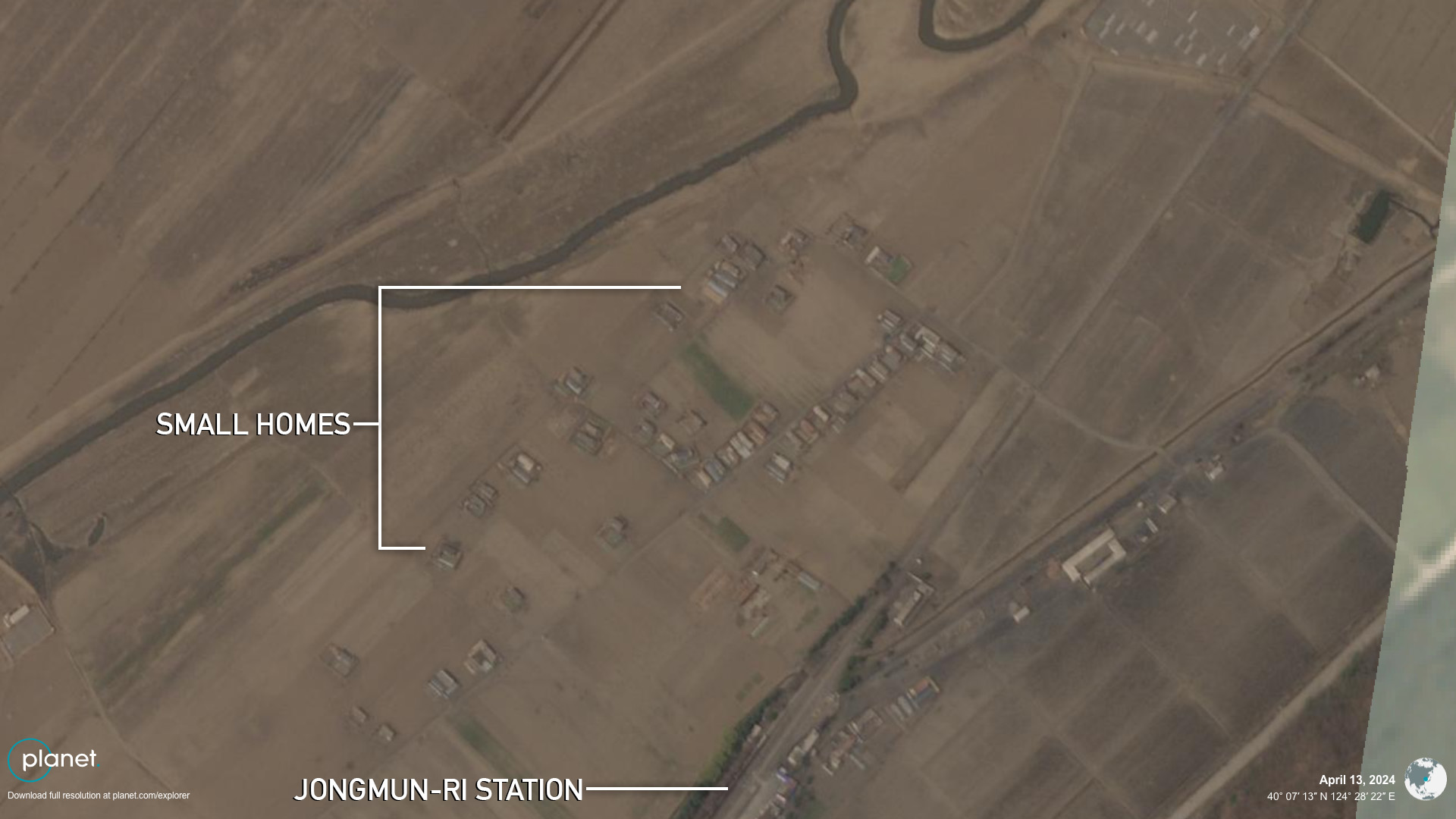
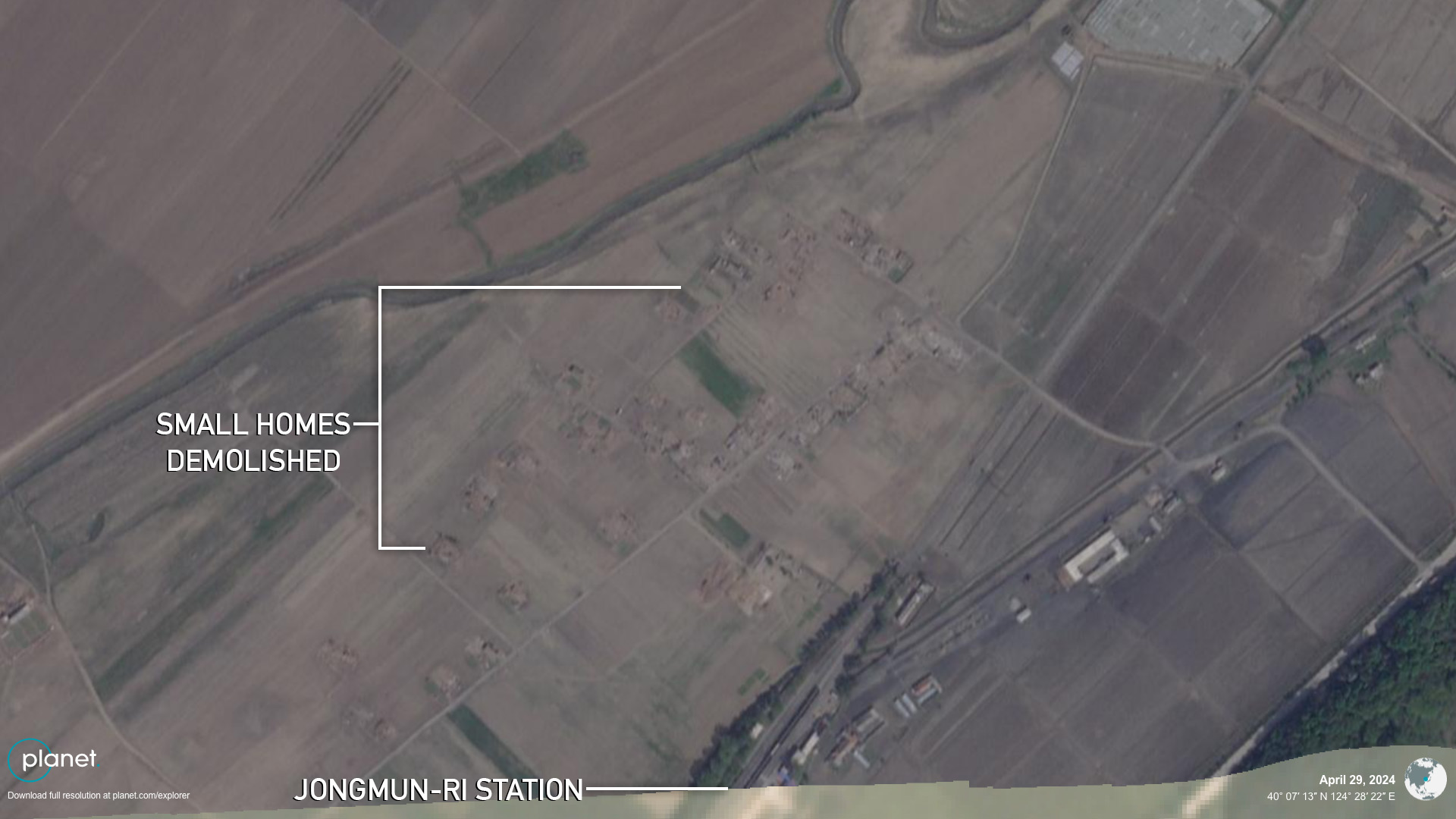
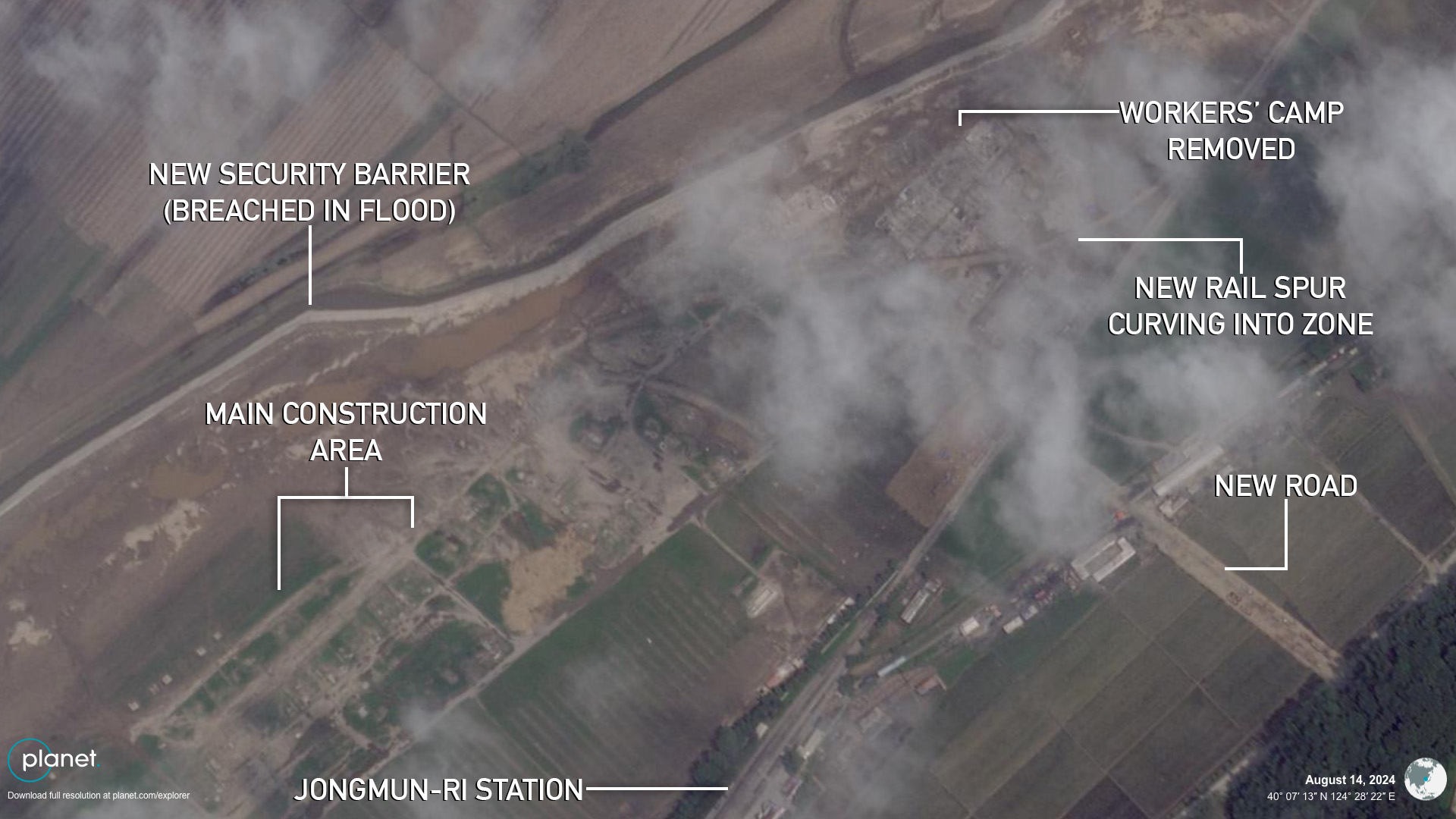
Satellite imagery shows that workers started building a new rail spur running into the site in June, indicating the new facility was designed to receive trains. The Uiju Airport conversion project in 2021 also featured construction of a new rail spur to bring shipments to that site. Workers built two large roads and a bridge to connect the new construction site to the adjacent highway starting in early June as well. Some disinfection or quarantine-related facilities along the airport runway were demolished earlier this year, hinting that the airport may be restored. But they were then rebuilt in March, and the complex continued to operate until the floods. However, demolition restarted in the last week with the removal of seven large buildings running along the east side of the runway’s inner security perimeter and two more on the other side of the runway between Aug. 8 and 12, Planet Labs imagery shows. 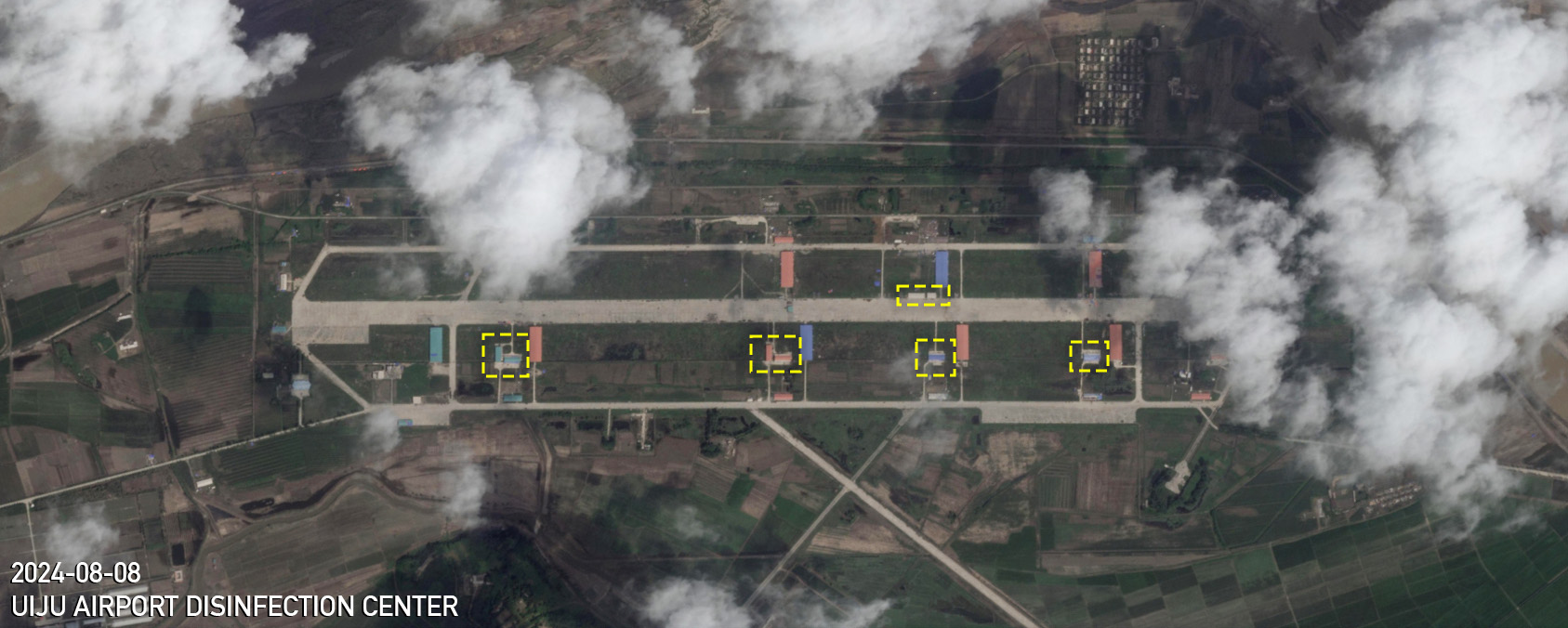
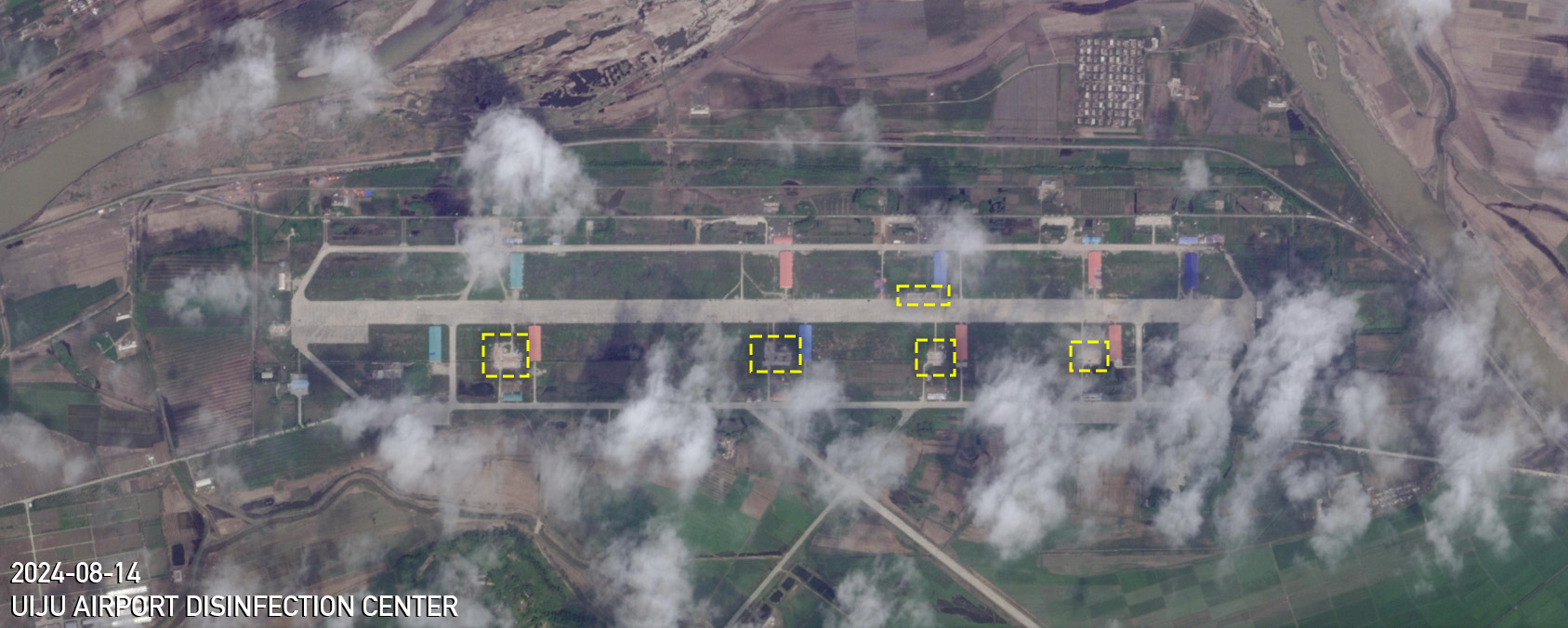
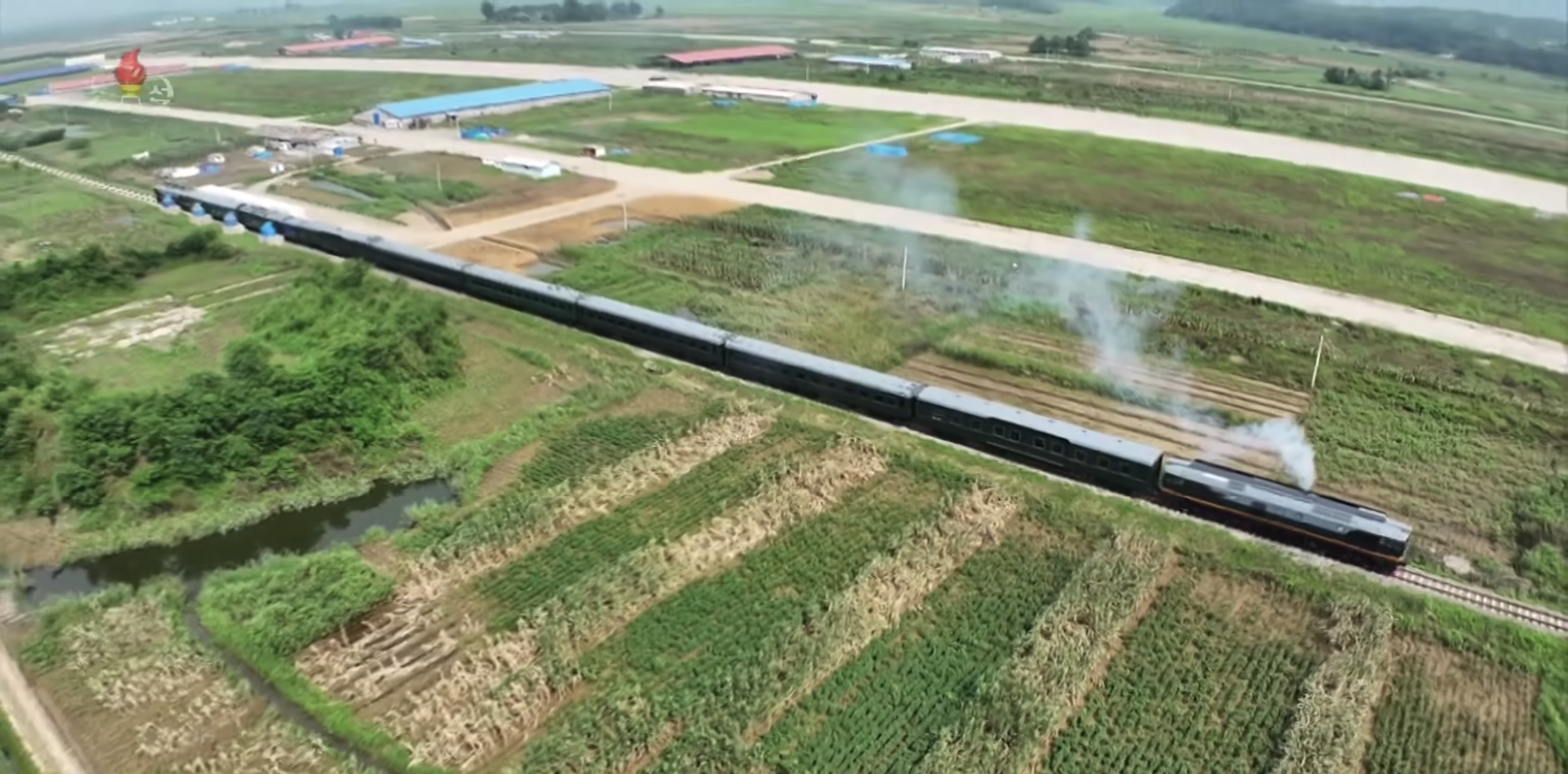 The stacks of goods on the runway disappeared after the late July flooding and haven’t returned, but this could be due to the complex being used for flood-related relief projects as recently as Aug. 9. Kim Jong Un gave a speech to homeless flood victims on that date from his train parked at one of the freight train offloading stations parallel to the runway, indicating the flood-damaged rail line has been repaired. He also appeared hanging out on the runway while watching a military helicopter rescue operation on July 28, a day after the flooding. As long as Kim’s apparent trade security policy remains in place, a continued pause in operations at the quarantine complex is likely to cause disruptions to trade with China and North Koreans’ access to imported goods. NEW LARGE FACTORY? Another possible purpose of the new construction is to build a large factory. Most North Korean factories are not serviced by rail, but many military factories are, and Kim has otherwise pushed rapid construction of weapons plants across the country in the last year. Only time will reveal what the secret new project really is, but high-resolution Planet Labs imagery showed that water subsided from the construction site by Aug. 8. No buildings were built prior to the flooding besides the camp — which has now been removed — and there doesn’t appear to have been any new progress at the site. Meanwhile, 38 North reported earlier this week on new satellite imagery showing hundreds of tents for homeless flood victims have appeared around Sinuiju and Uiju in the last two weeks. Edited by Bryan Betts © Korea Risk Group. All rights reserved.

|

September 27, 2026Sep 27, 2026

The ultimate resources for professionals working on North Korea
 SHARE
SHARE COPY LINK
 X
X MASTODON