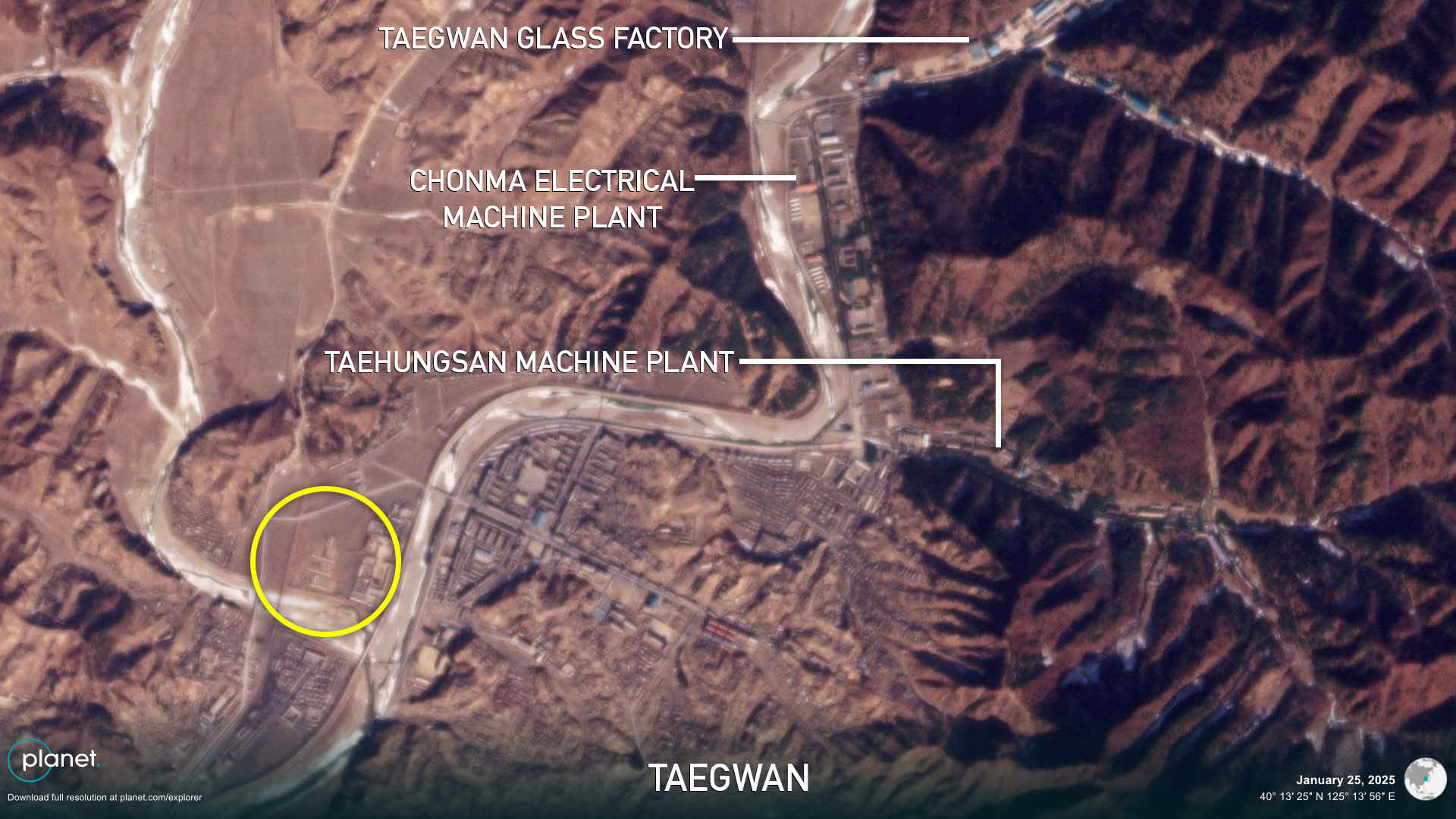
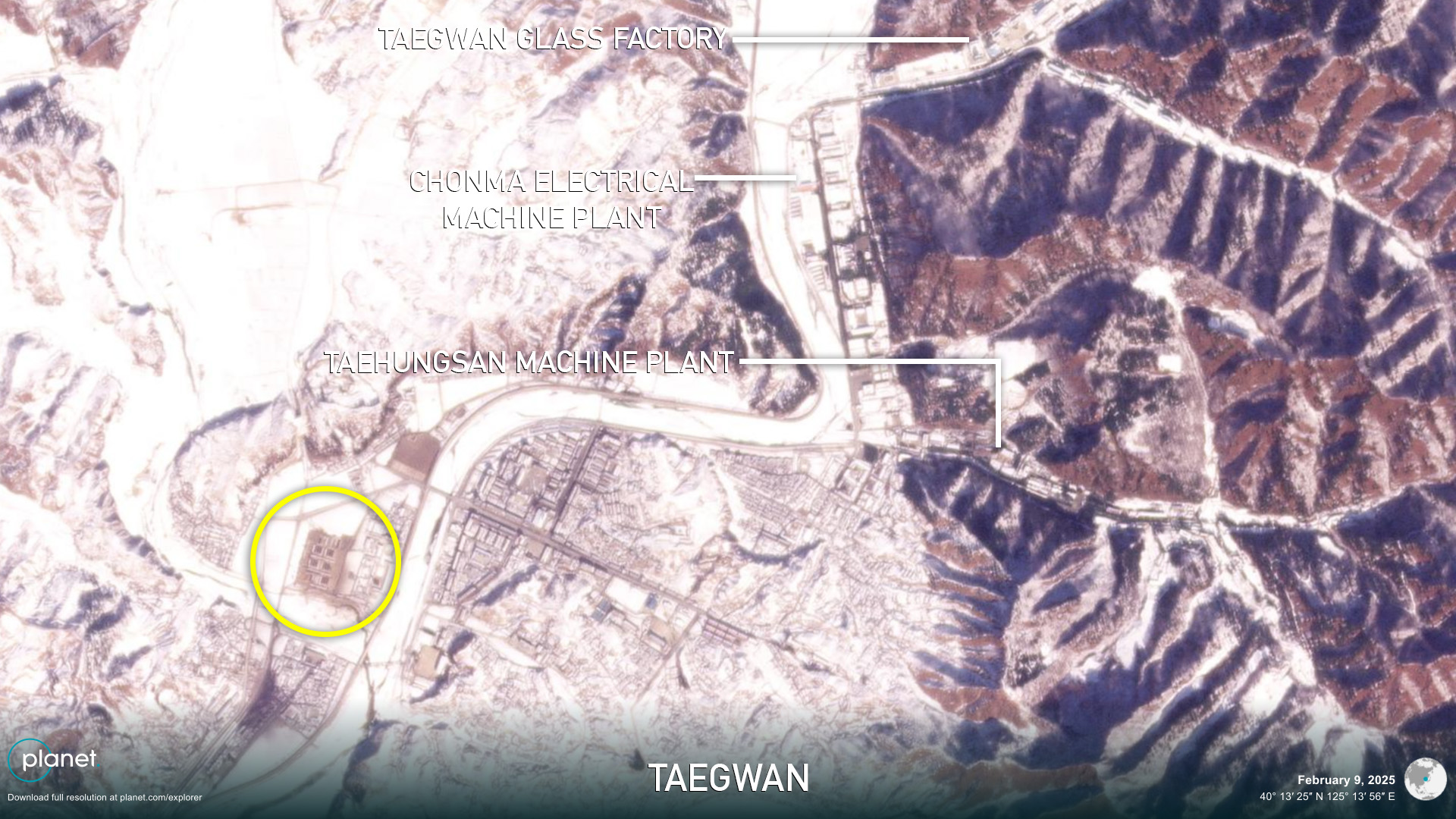
  Analysis Kim Jong Un awards more military towns new projects, reversing vow to poor areasState media reveals some of this year’s ‘20x10’ project locations, while satellite imagery shows work already underway 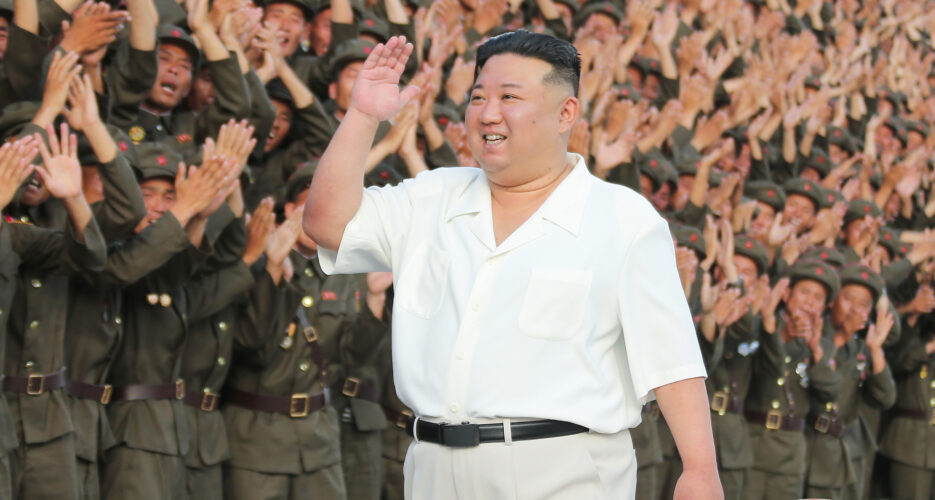 North Korean leader Kim Jong Un kicked off his “20×10” rural development project last year to fix policy failures that led to a “backward” economy, but locations chosen for this year include multiple important military towns, reversing his recent promise to only focus on poor areas. NK Pro analysis has found that four of the nine counties announced so far in state media as recipients of central government resources for the second year of the project are located next to major arms factories or air force and naval bases. The nine counties are Taegwan, Jongphyong, Hwangju, Rakwon, Pukchang, Ryonggang, Sepho, Paechon and Rangrim. Kim promised in a December speech to build “modern regional-industry factories and cultural and public health facilities … in the country’s most backward and infertile regions before any others.” “Our Party’s original intention in transforming regions materially and culturally is to shore up, first and foremost, the cities and counties which are located in out-of-the-way mountains and where the locals’ living standards are among the lowest,” he said. Highlighting how common it is for ordinary people to experience poverty in North Korea, Kim offered an analogy intended to be widely relatable: “Just as good, nourishing food is given first to the weakest child in a family, assistance and benefits should be rendered primarily to the locals in difficult areas.” 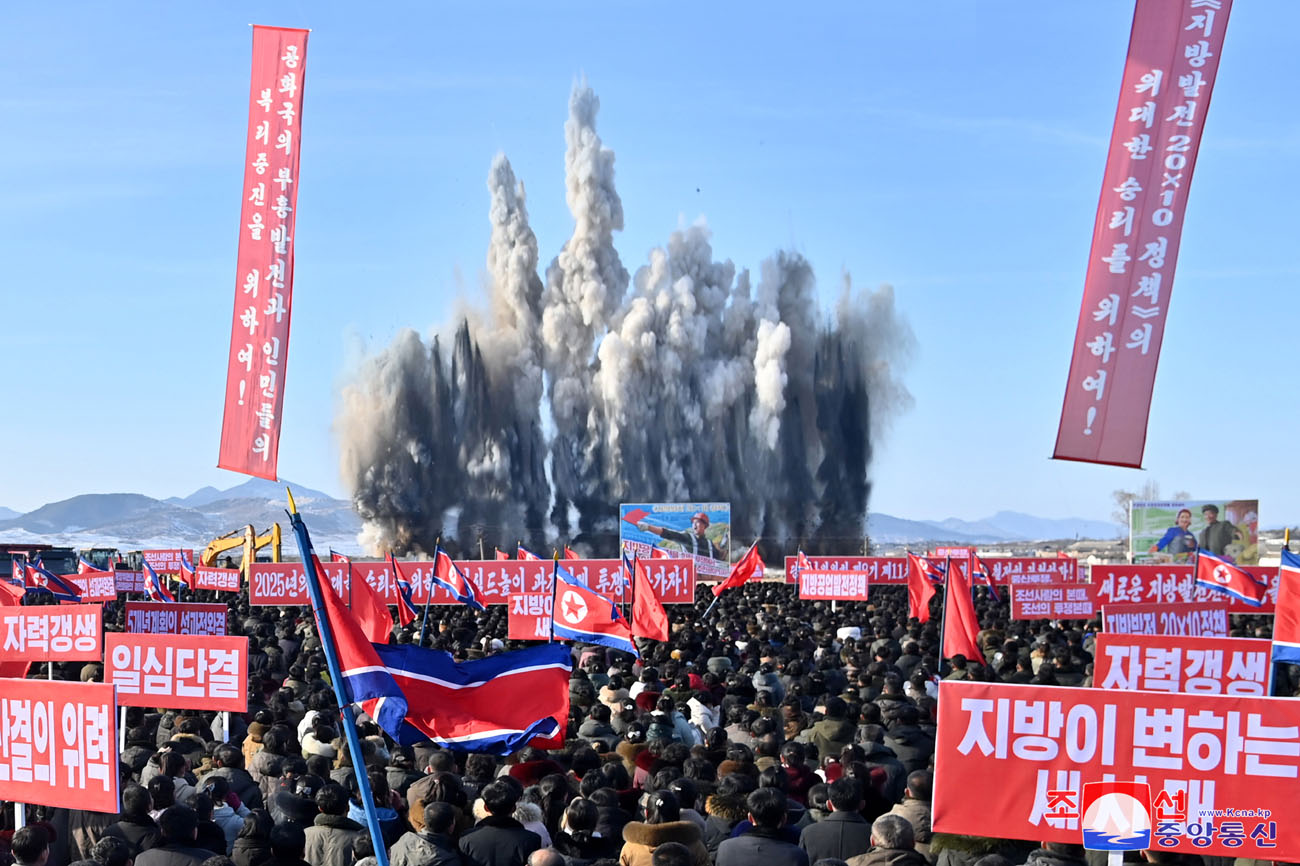 But included among the 20 cities and counties in the second year of the 20×10 project is Taegwan, with its multiple factories producing anti-tank missiles and other weapons possibly intended for export to Russia. Jongphyong is also located next to the large Sondok Airbase, and Hwangju hosts a large air force base and Kim Jong Un’s new Kwangchon Chicken Farm. Rakwon is situated near one of the country’s top naval bases and one of the leader’s large coastal mansion complexes. Three of the others are decidedly not in the category of “most backward,” with Pukchang the home of a major thermal power station and Ryonggang located near the top luxury golf course and another Kim mansion — also used for missile tests — and home to significant stone mining enterprises. Sepho is often featured in state media as a model for the DPRK’s livestock industry. Only Rangrim can be considered sparsely populated and remote, located in the northern province of Jagang. Paechon is also small, but located near the large city of Kaesong on the South Korean border. It’s unclear why Kim made such specific promises before backing down on them just weeks later, but the selection of military towns is likely intended to reward and solidify loyalty among segments of the population responsible for national defense and the production of new weapons for export revenue. This kind of patronage of segments Kim sees as vital toward the longevity of his family’s hereditary dictatorship is already a hallmark of the DPRK system, while this year’s projects follow his practical instructions from the first year of prioritizing locations with the best existing infrastructural preparedness. Selection of more remote towns, on the other hand, could offer unprecedented evidence of central government support to people who have been ignored by Pyongyang for decades and who have become ideologically apathetic, as Kim seeks more effective nationwide control. CONSTRUCTION STARTS AS PROMISES SHIFT NK Pro analysis of Planet Labs satellite imagery shows that construction is already underway in some of this year’s locations, in particular, the towns with military and economic importance. For example, preparatory construction of worker camps and possibly factory foundations started in the first half of January in Taegwan, Jongphyong and Ryonggang, and in the second half of the month in Pukchang and Hwangju. Ryonggang is the only one of this year’s 20 locations to have conducted a formal ceremony on the start of construction for reporting in state media. The 20×10 project dictates the construction of two to three small factories producing consumer goods like packaged food and soap in 20 cities and counties per year for ten years, from 2024 through 2033. 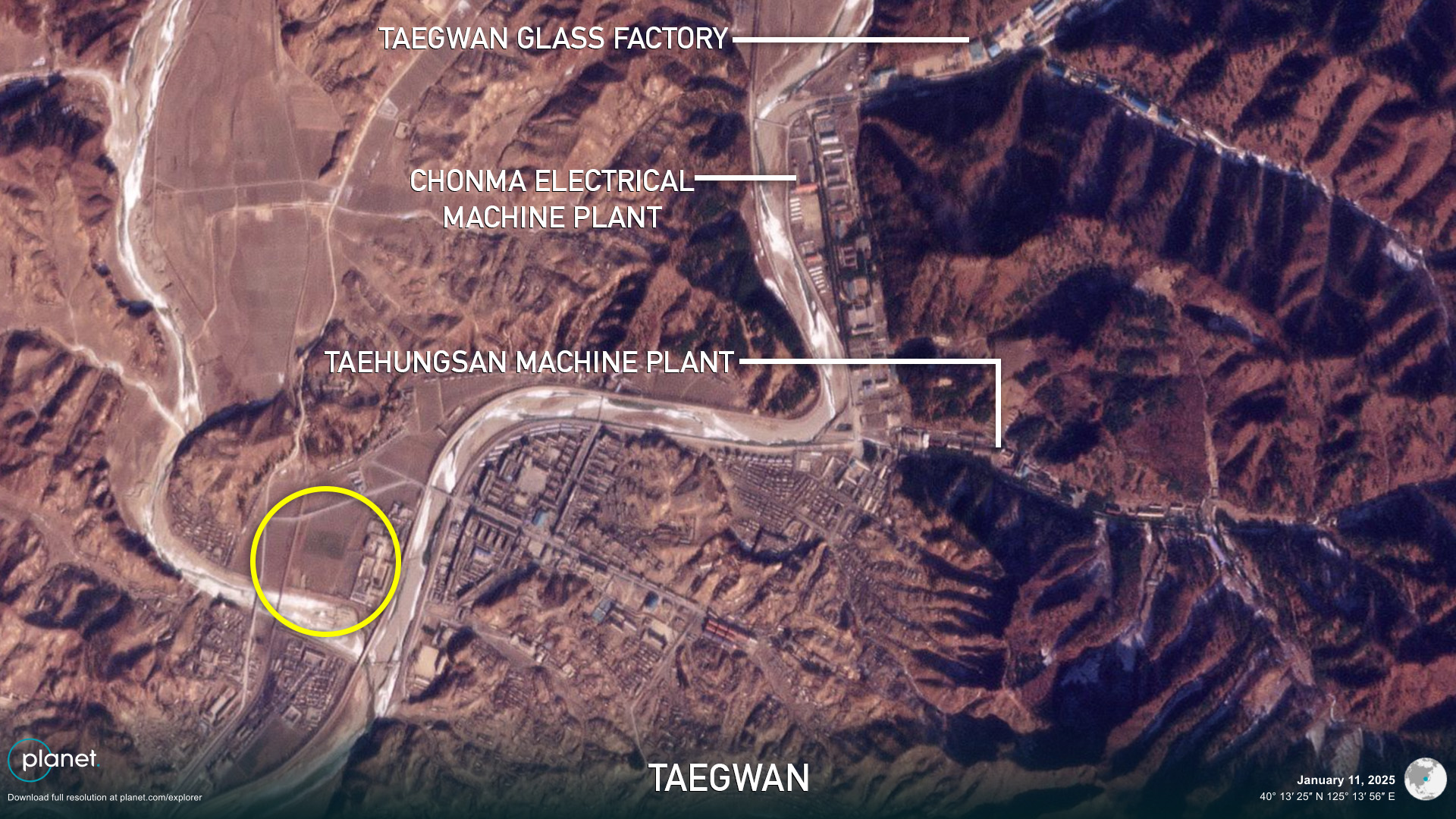
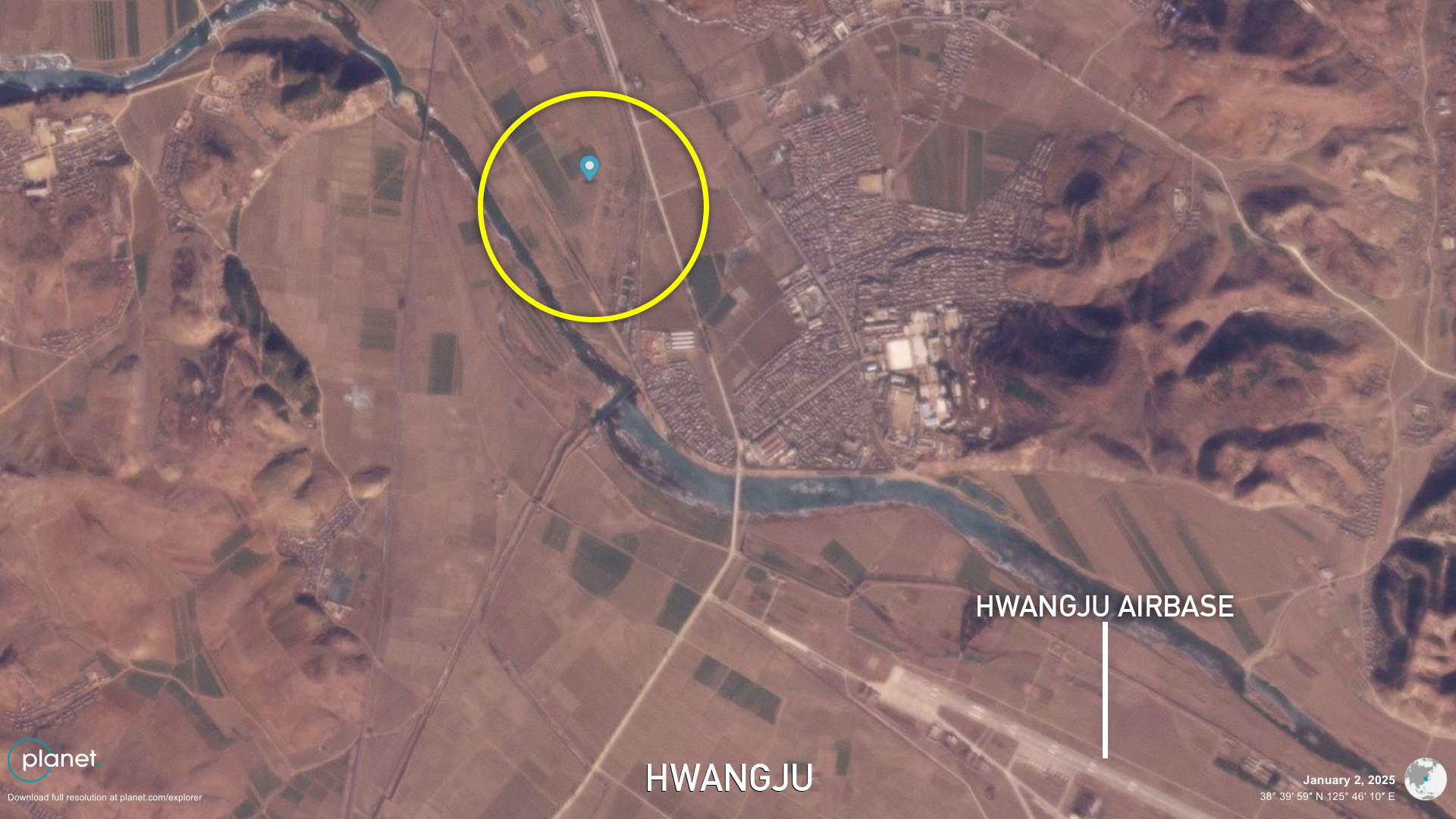
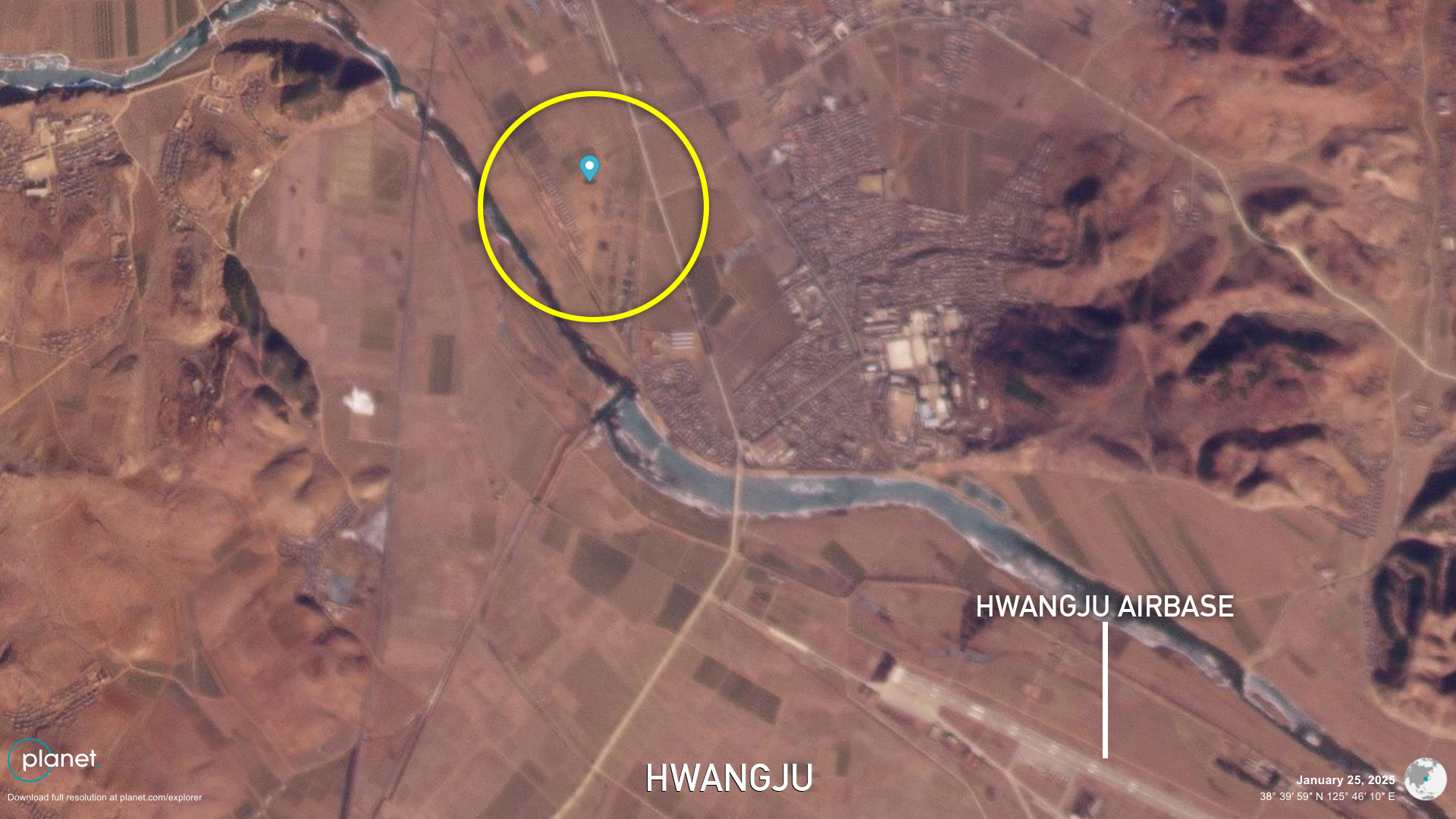
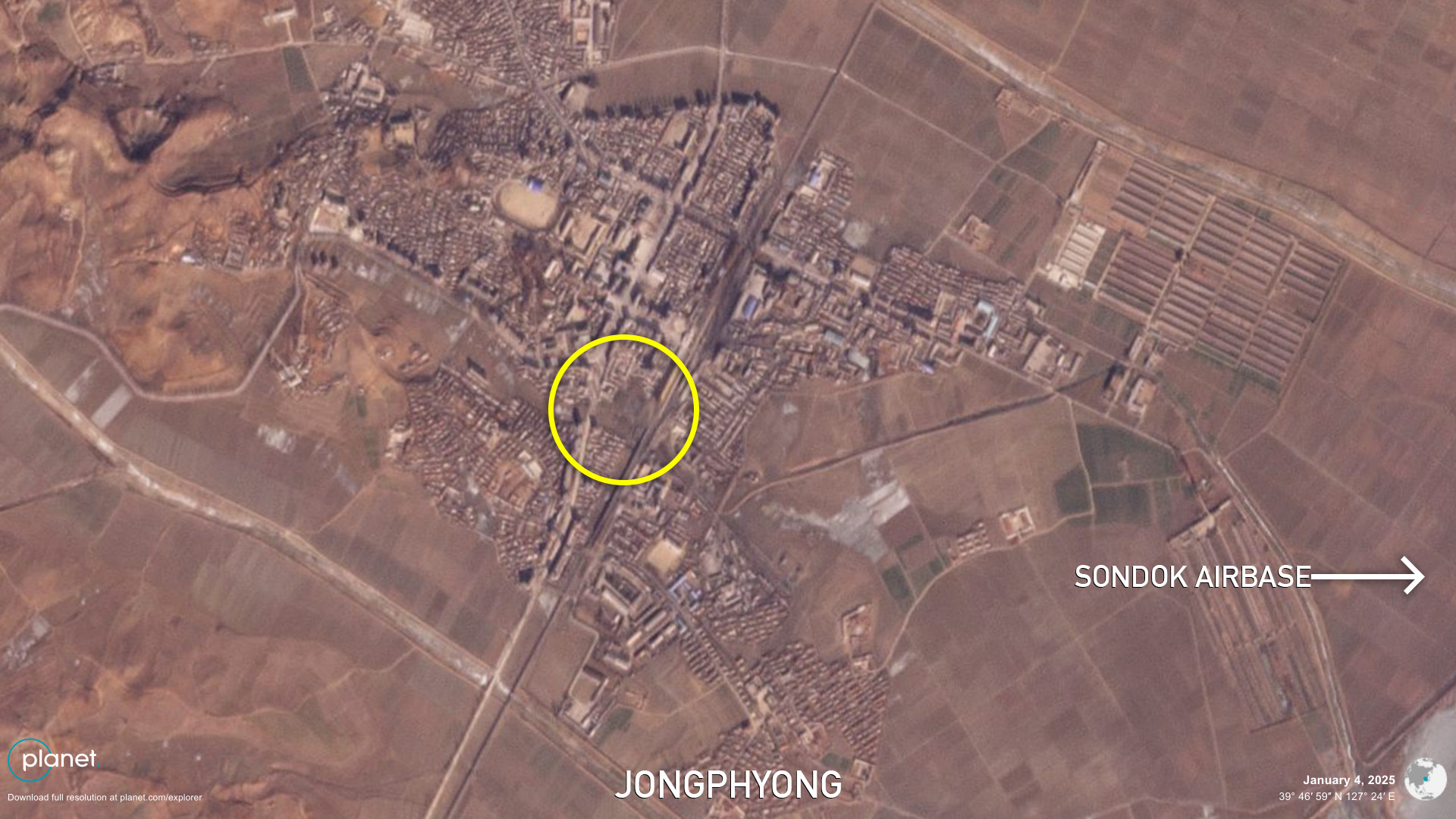
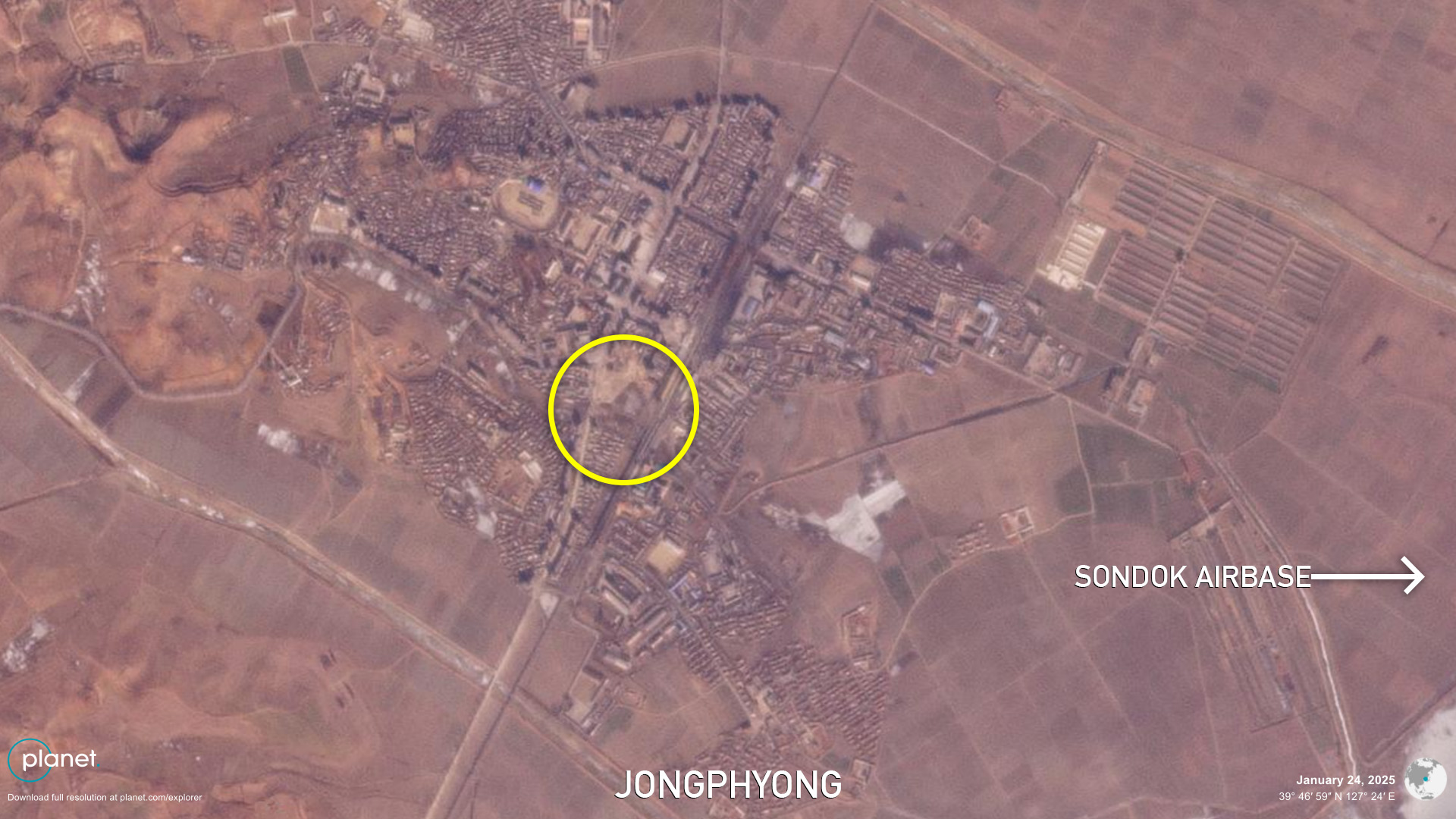
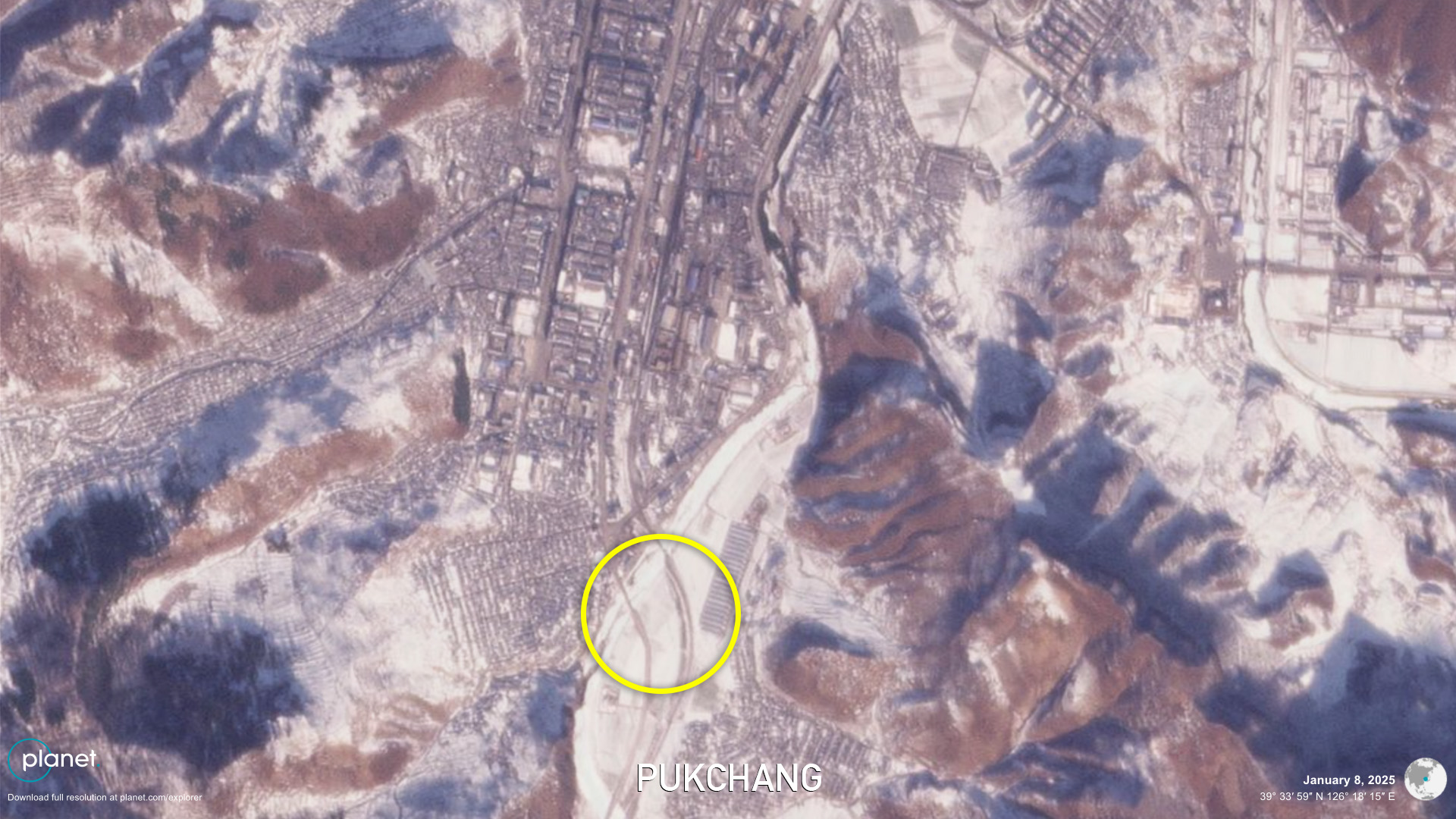
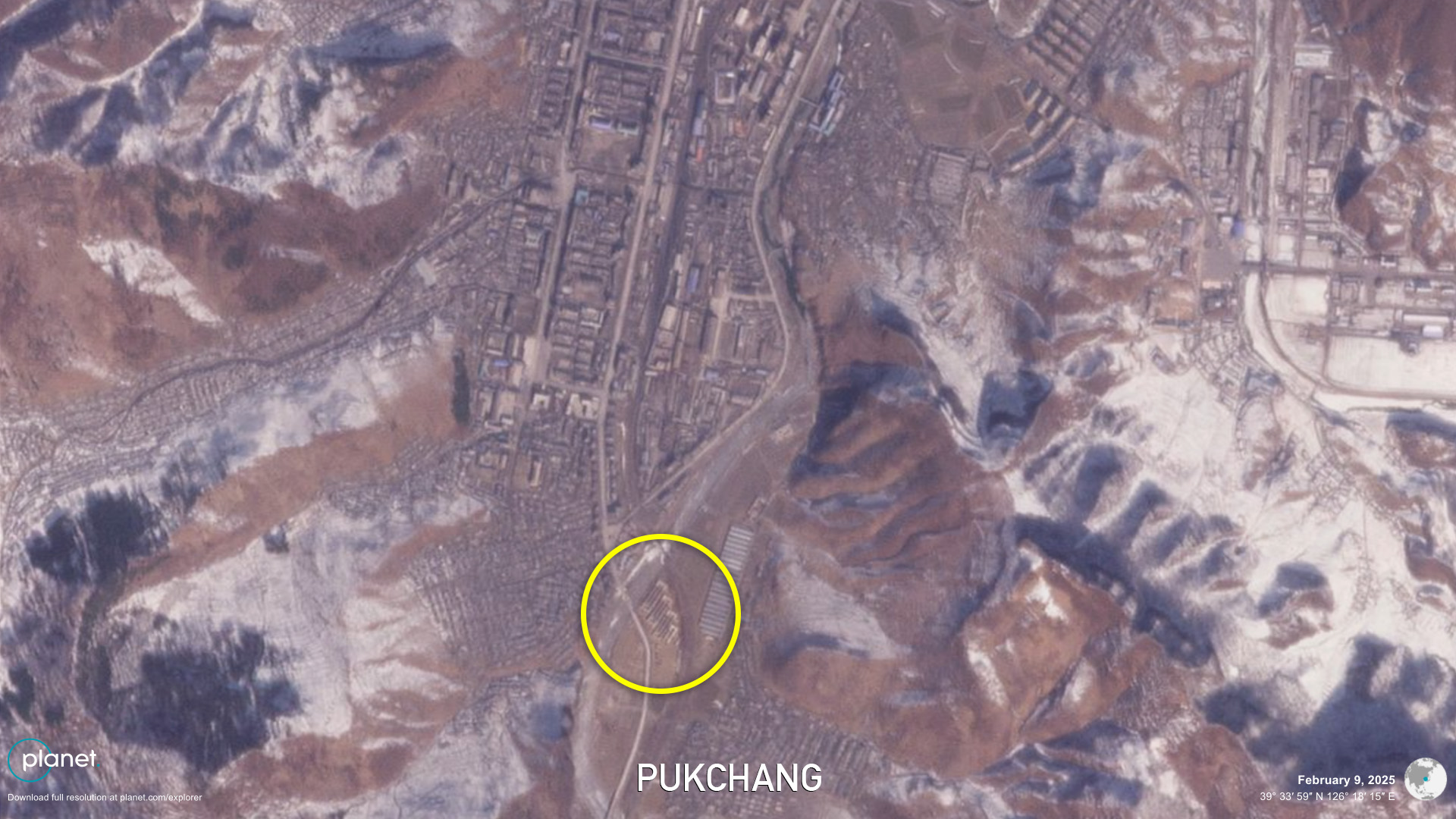
Halfway through the first year of the project last summer, Kim announced that towns selected in the future would additionally receive help to build a hospital, grain management center and general service complex with shops and recreation facilities, but he scaled back the scope of these plans at an event last week. Hospitals will only be built this year as part of pilot projects in Kangdong, Ryonggang and Kusong, he said, while the state media report on the Ryonggang kickoff ceremony indicated the town will only build factories and a hospital, with no mention of the service complex or grain management center. Meanwhile, Kusong is a top military city with several important weapons factories and an airbase, and was a 20×10 project recipient last year. Kangdong is another key military town, but only the hospital and service center and not other 20×10 facilities will be built there this year. The primary state newspaper Rodong Sinmun revealed in a Jan. 4 article that citizens believed Kim had promised more significant development by the end of this year than is now apparently forthcoming, likely setting up tens of thousands of people for disappointment and possibly harming the chances of improving citizens’ trust in authorities. Residents of Ryonggang, Jongphyong and Hwangju were “unable to contain their joy after hearing that, along with stylish local industrial factories in their hometowns, model advanced hospitals, multipurpose cultural centers, and grain management facilities are being constructed,” the report said. The new expectations made them feel like they will “enjoy exceptional happiness and civilization to the fullest.” State media is expected to reveal the remaining 11 locations selected as this year’s 20×10 project subjects in the coming weeks, with leader Kim Jong Un likely attending at least one ground-breaking ceremony. Update on Feb. 15 at 9:16 a.m. KST: A day after this article was published, state media reported that Kim Jong Un attended a ground-breaking ceremony for a new fishery in Rakwon under the 20×10 project, pictured below. 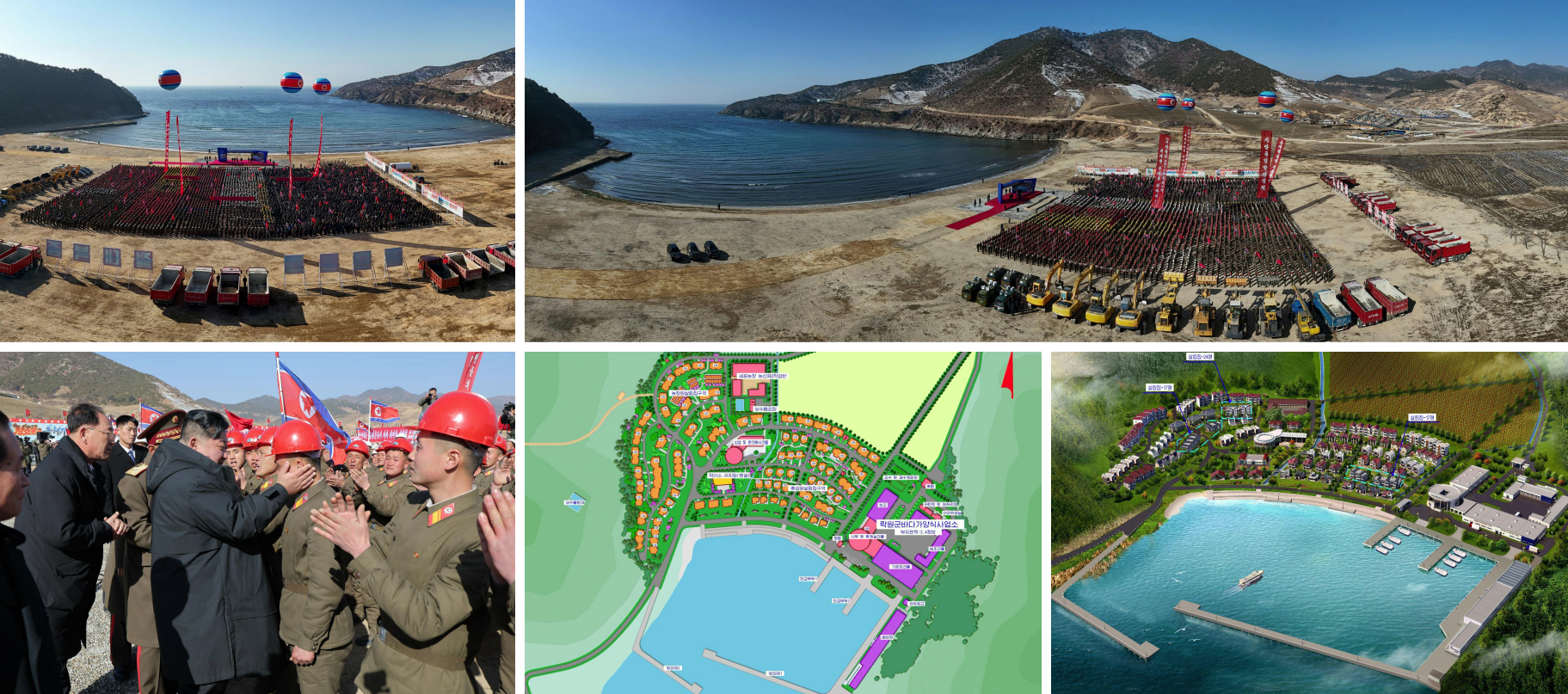 Edited by Alannah Hill © Korea Risk Group. All rights reserved. |

October 18, 2026Oct 18, 2026

The ultimate resources for professionals working on North Korea
 SHARE
SHARE COPY LINK
 X
X MASTODON