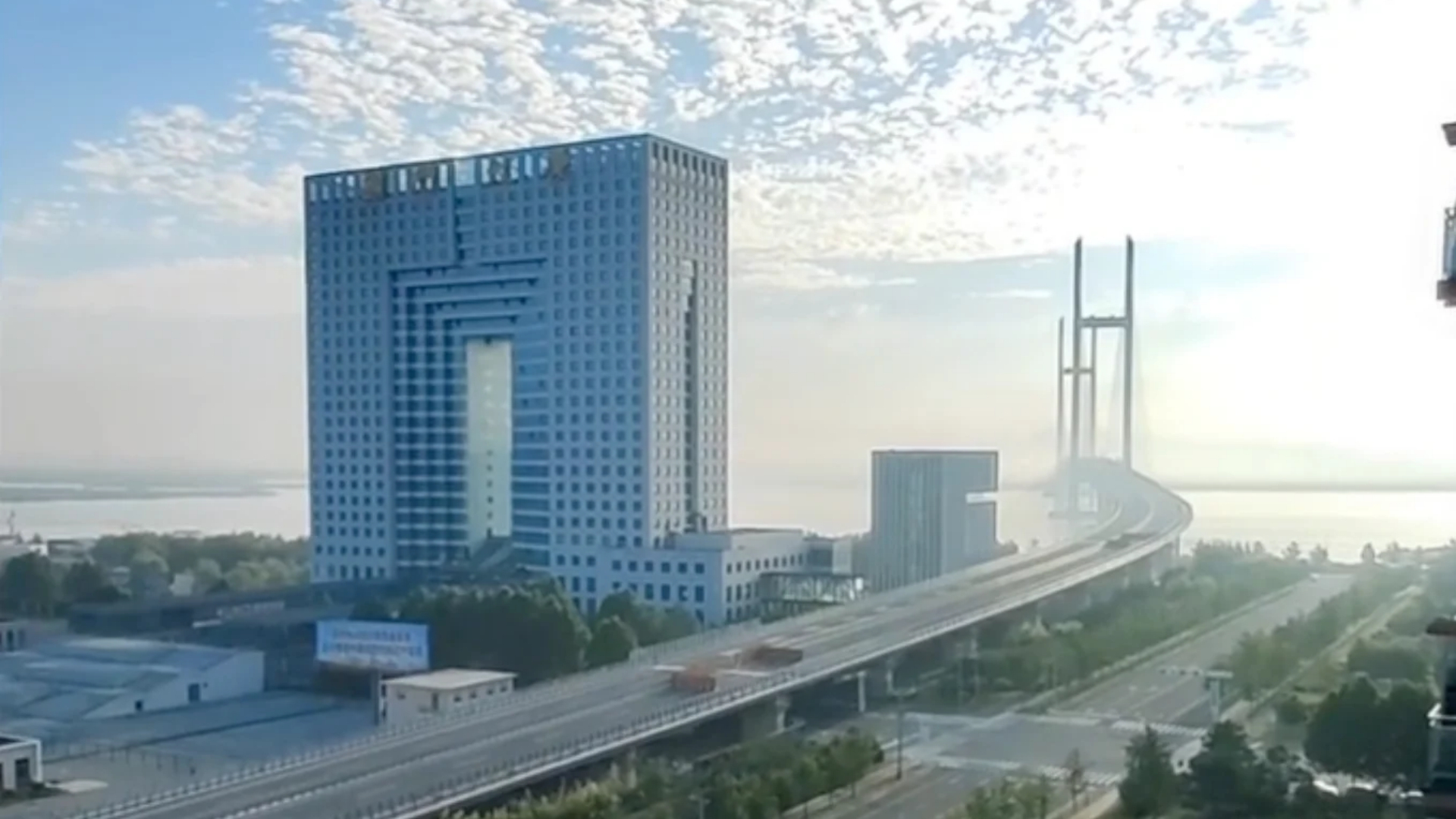
  Analysis Crossing the Yalu: Why China and North Korea want to open long-stalled bridgeExperts expect the long-delayed bridge to bring economic gains to China and North Korea, as they forge ties with Russia 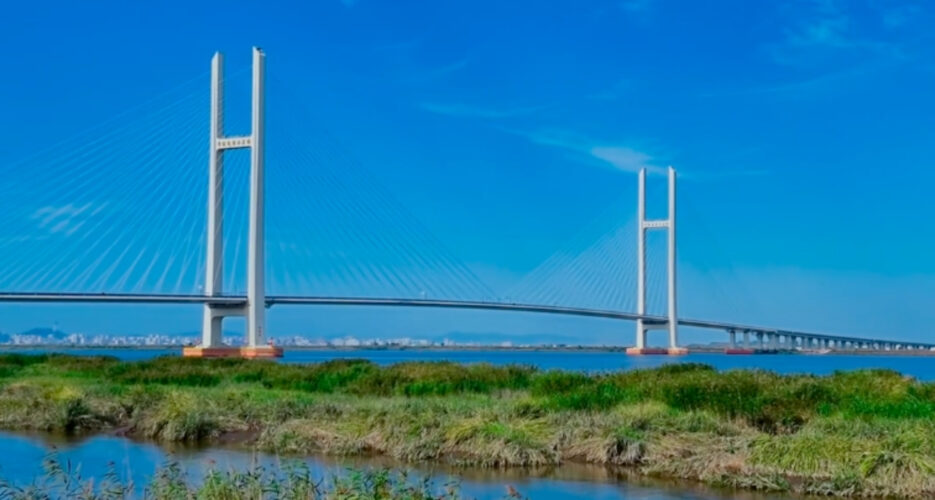 The North Korea-China New Yalu River Bridge appears to be inching toward an official opening 12 years after it was built, analysts and media suggest, as the DPRK progresses on the construction of a customs facility next to the long-stalled road crossing. The bridge recently saw cargo traffic for the first time since its completion in 2014, with local residents and media suggesting it may open in the coming weeks, possibly on or around Oct. 6 — the 77th anniversary of Sino-DPRK diplomatic relations. 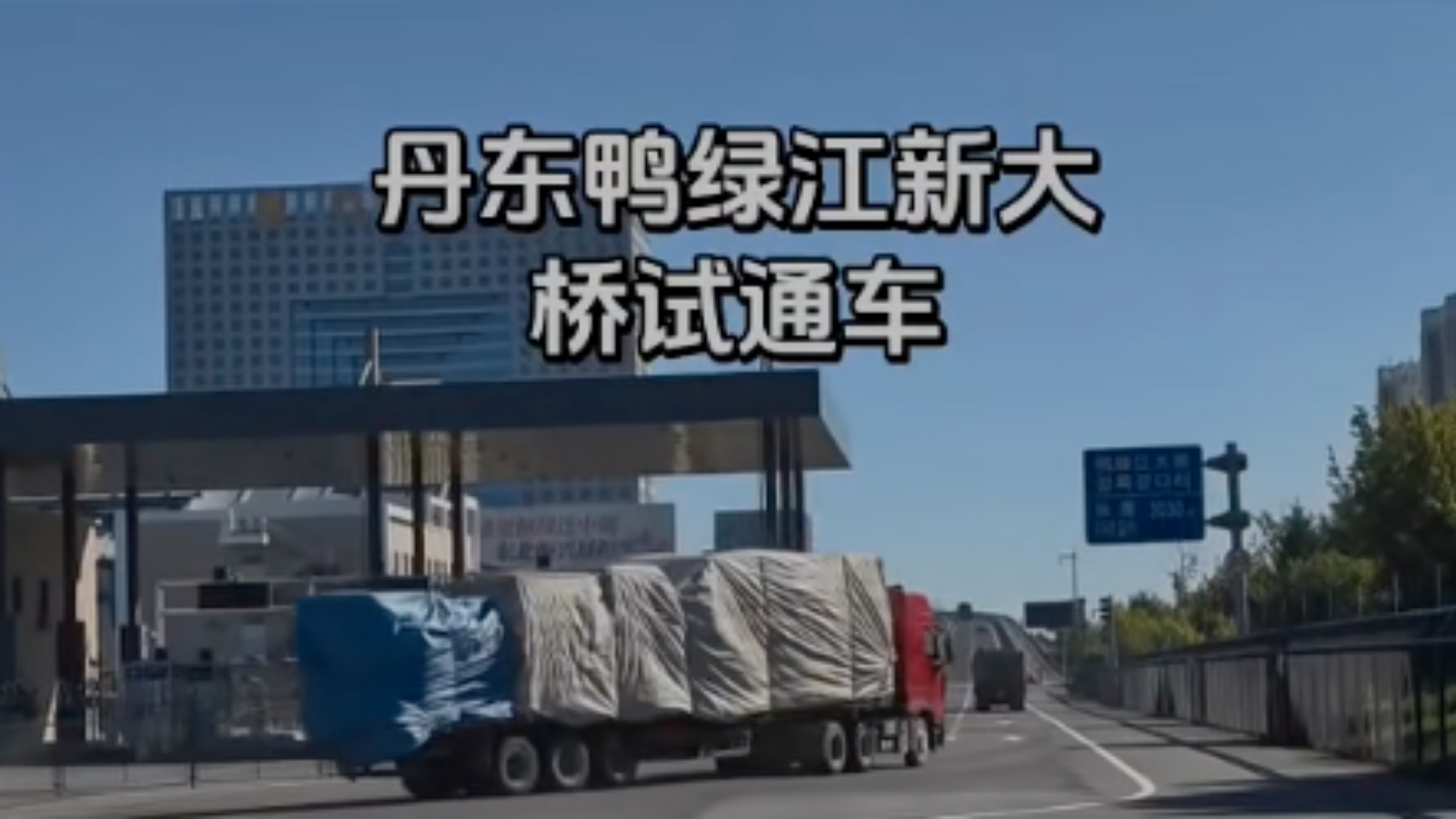
Experts say the bridge could boost bilateral economic exchanges that reached $2.74 billion in 2025 and $1.51 billion in the first half of 2026. But its importance transcends economics. Experts told NK Pro the crossing fits with Pyongyang’s broader engagement with China and Russia, signaling to Beijing that it still values bilateral ties despite deepening cooperation with Moscow. 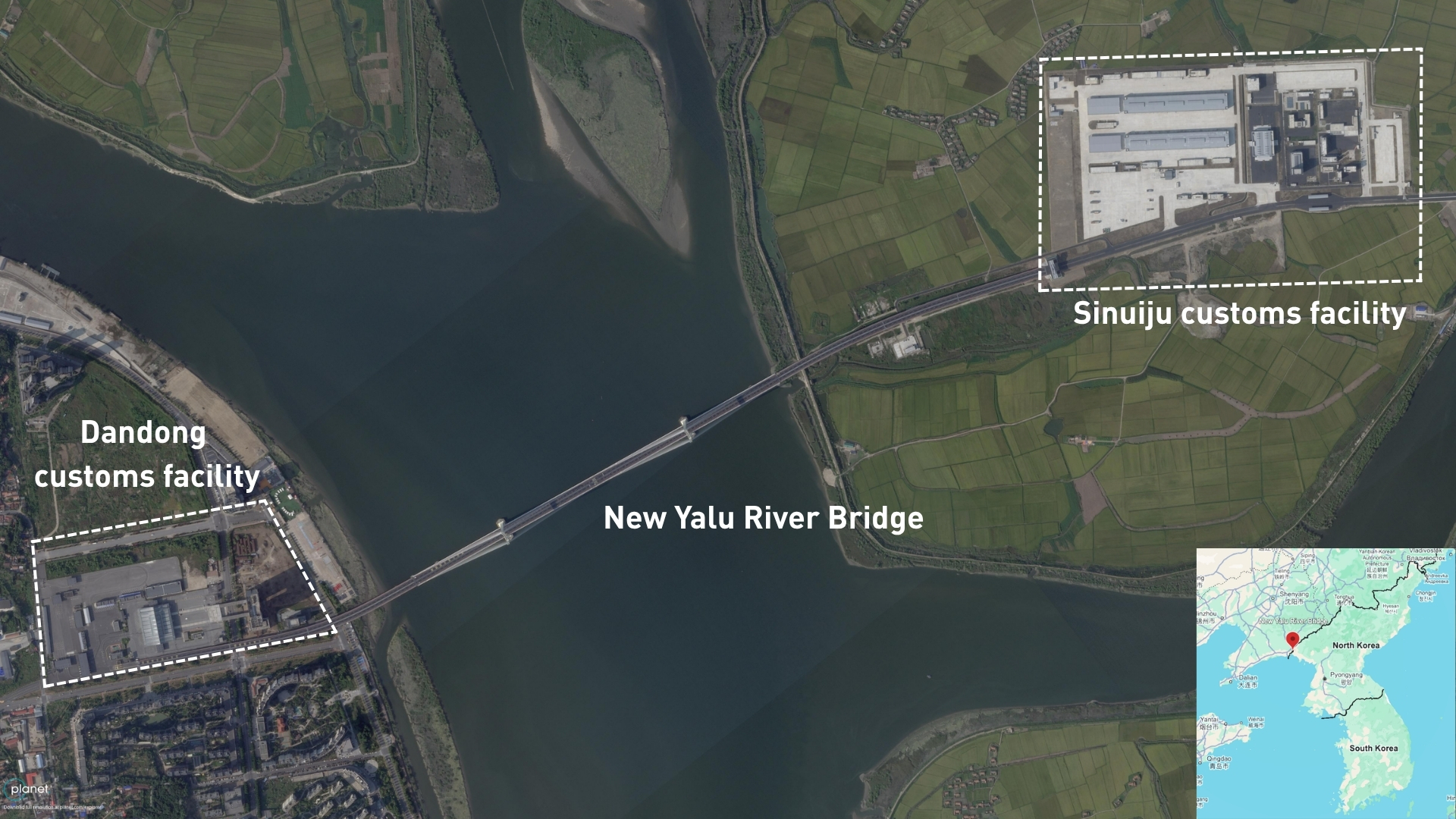 ECONOMIC LINKS North Korea revived the project in Feb. 2025, beginning work on an apparent customs facility at the foot of the bridge. Construction accelerated sharply from May, with South Korean analysts finding substantial progress and further momentum after Chinese leader Xi Jinping’s June summit with Kim Jong Un. Ryo Hinata-Yamaguchi of Tokyo International University said the bridge could bring “fairly substantial” economic gains for North Korea: “The older bridge system was inefficient, while a better system should allow greater volumes and faster movement.” 
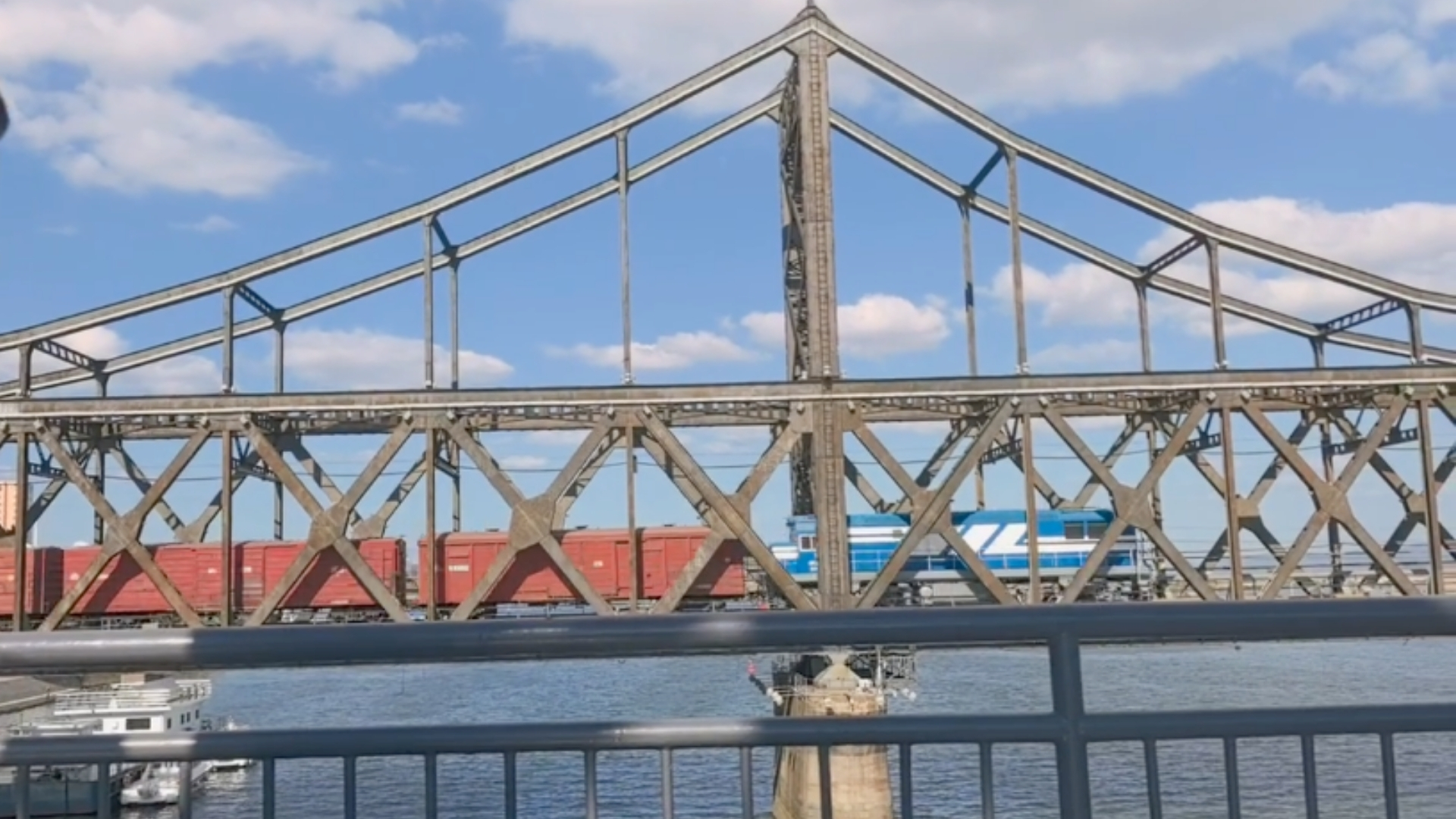
Since 1943, North Korea and China have relied on the Sino-Korean Friendship Bridge, which carries road and rail traffic but cannot accommodate vehicles weighing more than 20 metric tons. Peter Ward, a research fellow at the Sejong Institute, said Pyongyang’s growing military cooperation with Moscow has left it “flush with Russian cash,” potentially fueling more imports from and exports to China. That could become more important as China takes a “less aggressive attitude” toward enforcing international sanctions and allows a broader range of goods to cross the border, he added. Beijing also has economic reasons to support the project, including providing a boost to its northeastern regions such as Liaoning. “Liaoning is not a front of growing Chinese prosperity,” Ward said, explaining the region’s prolonged economic stagnation as a likely reason for China’s interest in the bridge. North Korea likewise stands to gain from expanded connectivity, said Aleksei Chigadaev, a China specialist at the London-based New Eurasian Strategies Center. 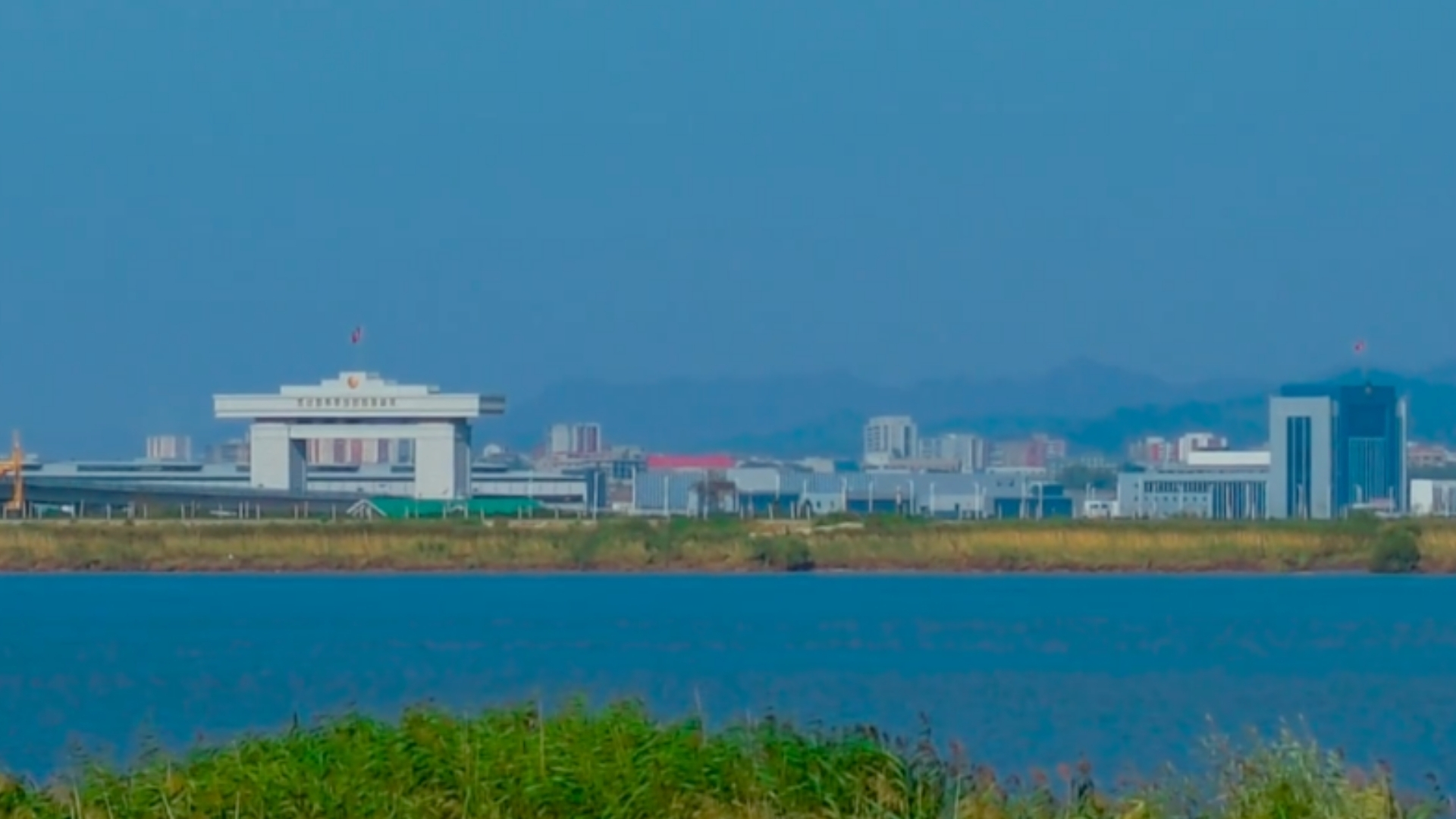 Pyongyang could enjoy a “very advantageous configuration” by gaining new road corridors to both Russia and China, expanding economic opportunities and room to maneuver between them, he said. ‘PSEUDO-ALLIES’ Politically, North Korea may be using the bridge to reassure Beijing that bilateral ties are important and improving, according to experts. “Having just built [a car] bridge with Russia, which the Chinese are not overly happy about, this is a great way of signaling to China, ‘Guys, you’re valuable to us,’” Ward said. Beijing may also see the project as a way to demonstrate its continued leverage over North Korea to the U.S., Russia and South Korea, he added. Chigadaev said Beijing’s recent rapprochement with Pyongyang likely addresses the broader Russia-DPRK relationship, not just their new road bridge. [Putin, Xi and Kim] China likely did not merely “respond” to the Russian project, but closer Moscow-Pyongyang ties may have given Beijing “additional incentive” to deepen engagement with North Korea, he said. Hinata-Yamaguchi said the Russia-DPRK bridge may have irritated Beijing, but their closer ties could also reinforce the emerging trilateral alignment with China. Rather than playing China and Russia against each other, Pyongyang appears to be working with both countries while avoiding friction with Beijing, reflecting a transactional relationship among “pseudo-allies,” he observed. “When their interests align, they work together,” he said. “When they don’t, they keep their distance.” BLAST FROM THE PAST While the experts offered several explanations for the bridge’s delay, they pointed to one common factor: the China-DPRK rift that defined much of the past decade. “The project was conceived during a period of closer China-North Korea cooperation, while relations between Beijing and Pyongyang cooled noticeably after 2013-14, amid North Korea’s nuclear program and other disagreements,” Chigadaev said. This time-lapse video shows the construction progress on the DPRK side of the Yalu River from 2014, when the bridge was constructed, until Sept. 20, 2026, when North Korea completed the construction of its customs/warehousing area next to the crossing | Video: Planet Labs, edited by NK Pro China reportedly bankrolled the bridge and spent roughly $350 million on the project that idled for over a decade. “For roughly a decade, the bridge served as a fairly vivid symbol of the state of bilateral relations,” Chigadaev said. Hinata-Yamaguchi recalled that the “bridge essentially led nowhere in North Korea” after completion, with infrastructure on the DPRK side developing “very slowly.” North Korea took another five to six years to begin work on an adjacent highway and cleared ground for the current customs area in 2019-2020. The DPRK side lacked a customs facility until work resumed in Feb. 2025, turning an open field into a full-fledged trade and warehousing area by the summer, while Dandong had largely completed its facility by late 2024 and added road markings in early 2025. 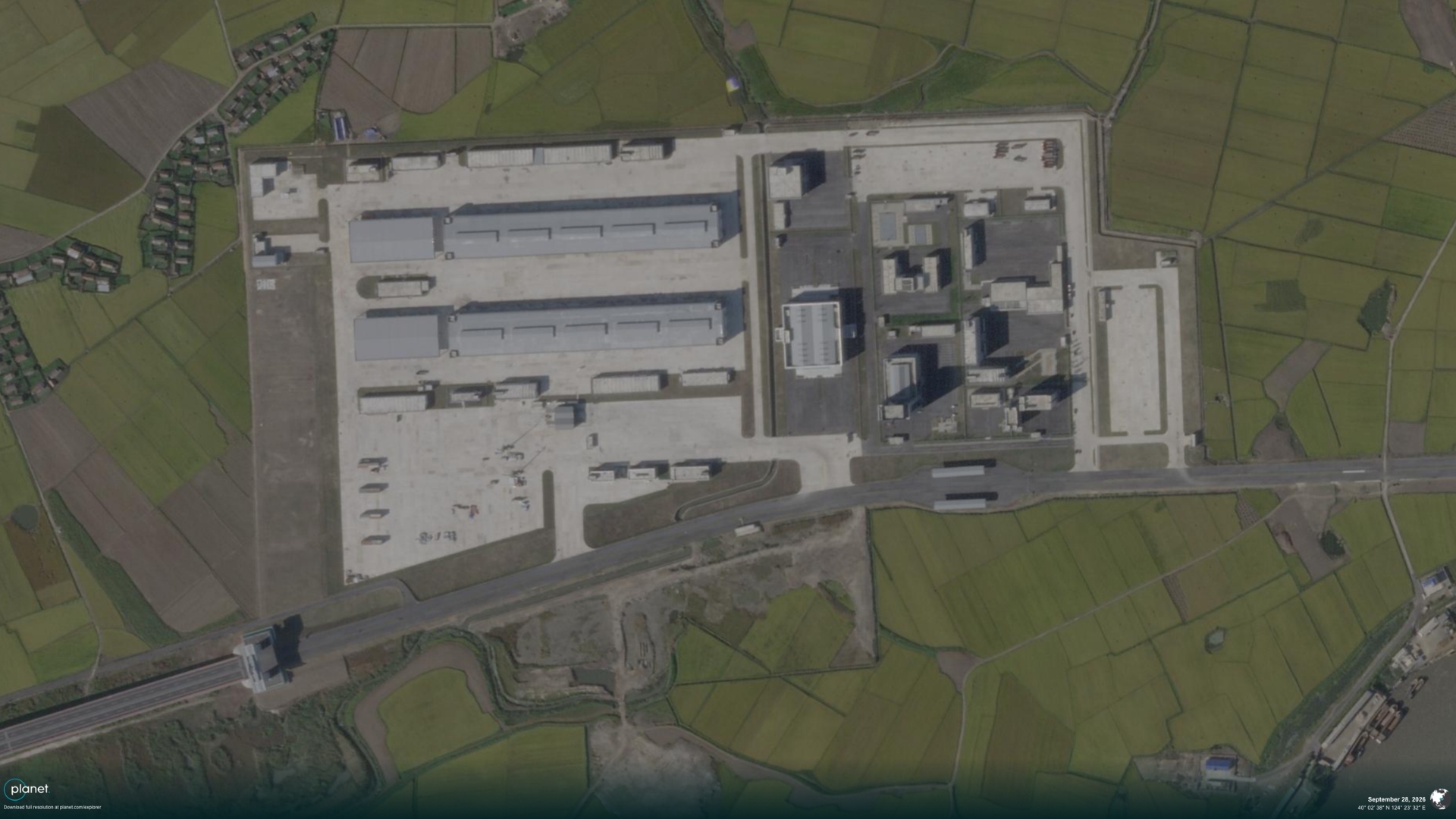
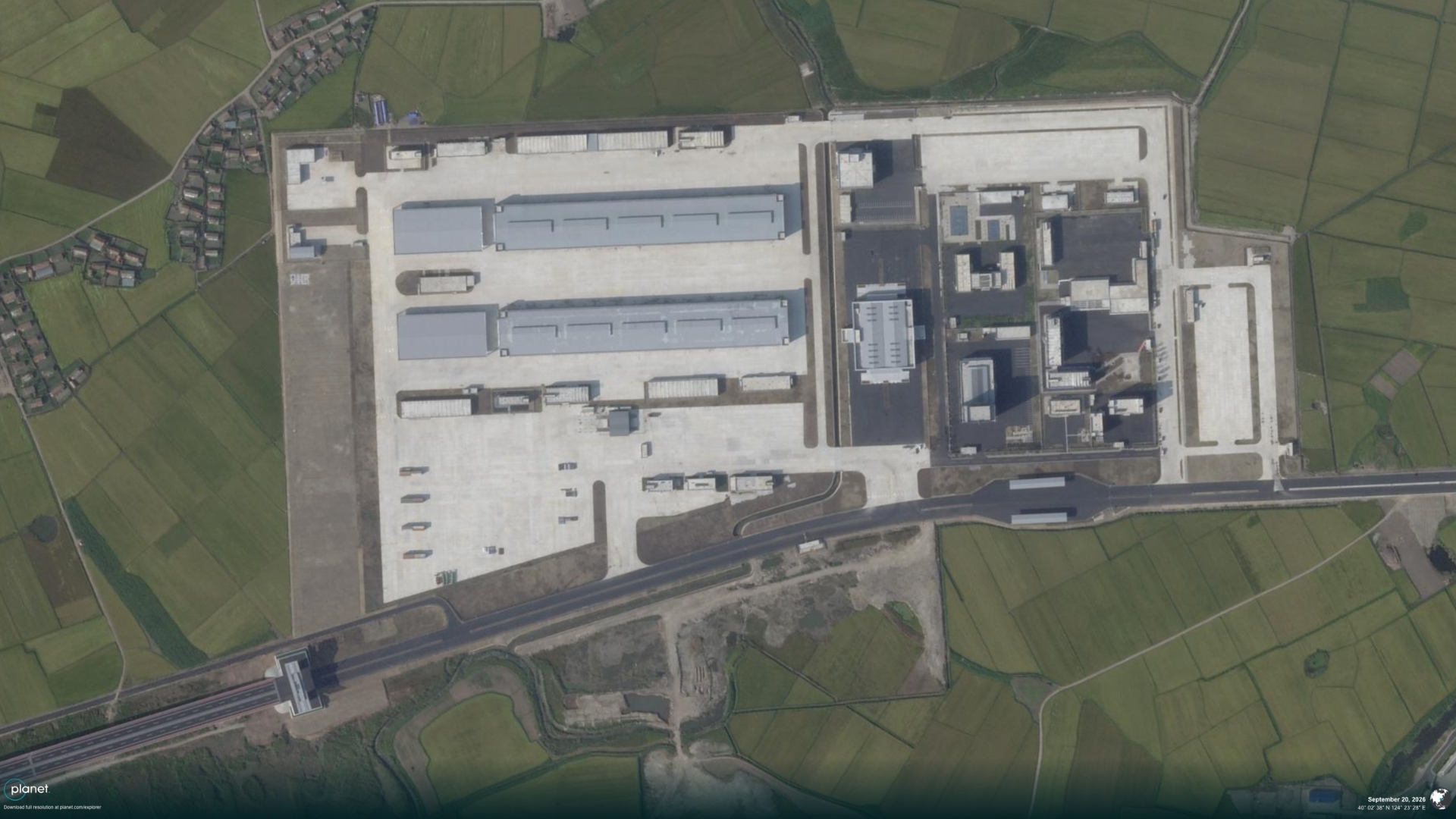
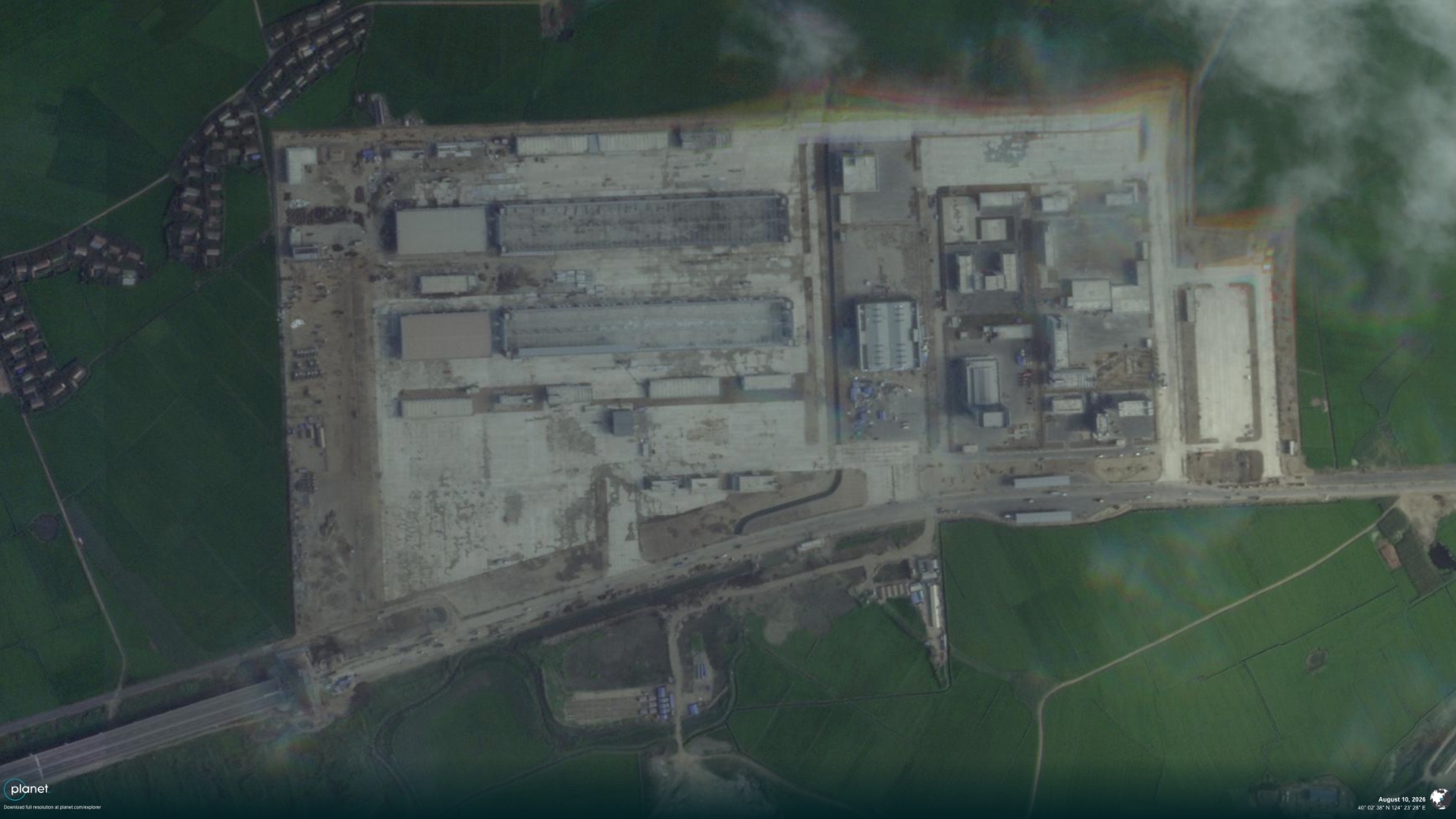
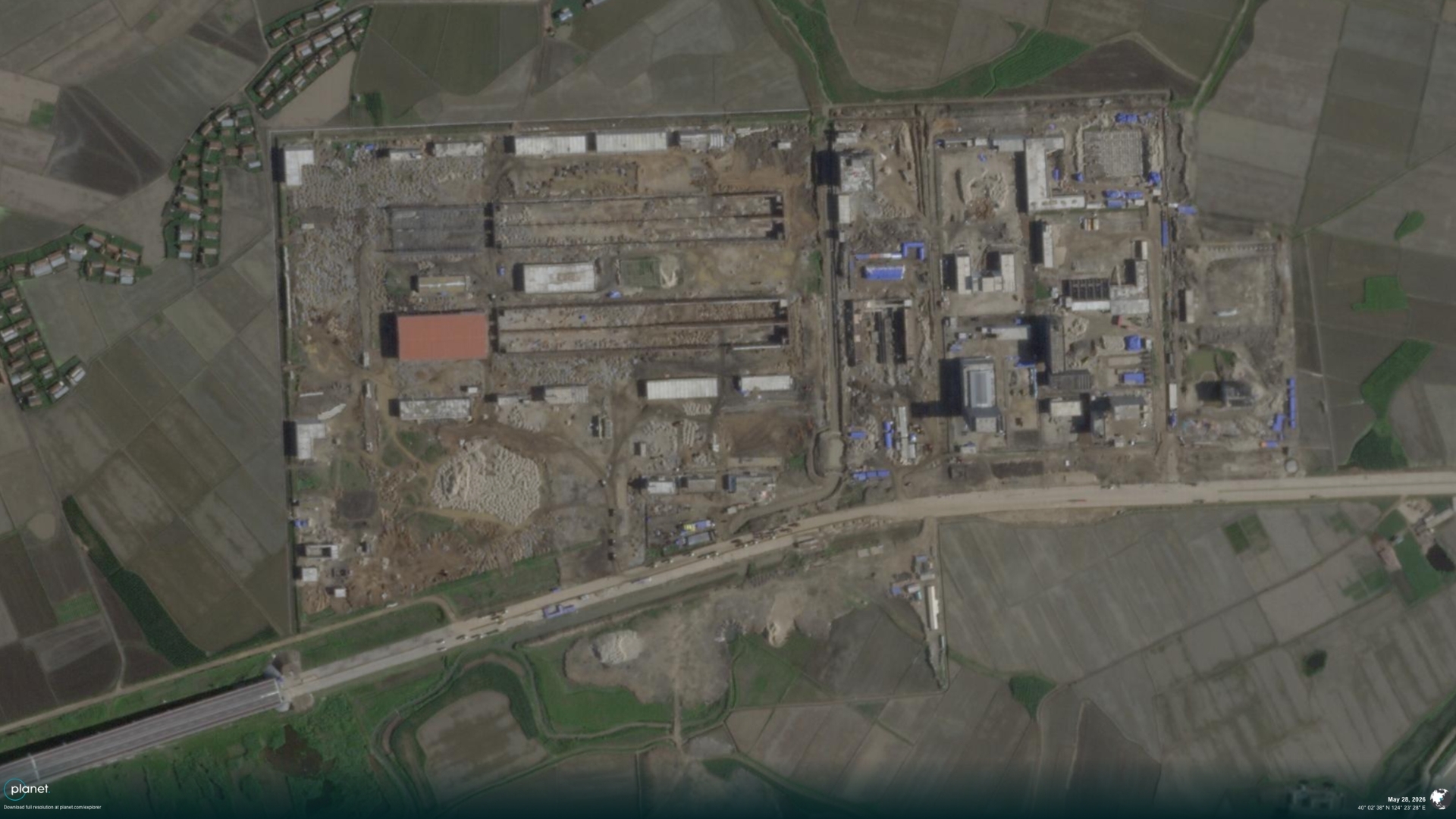
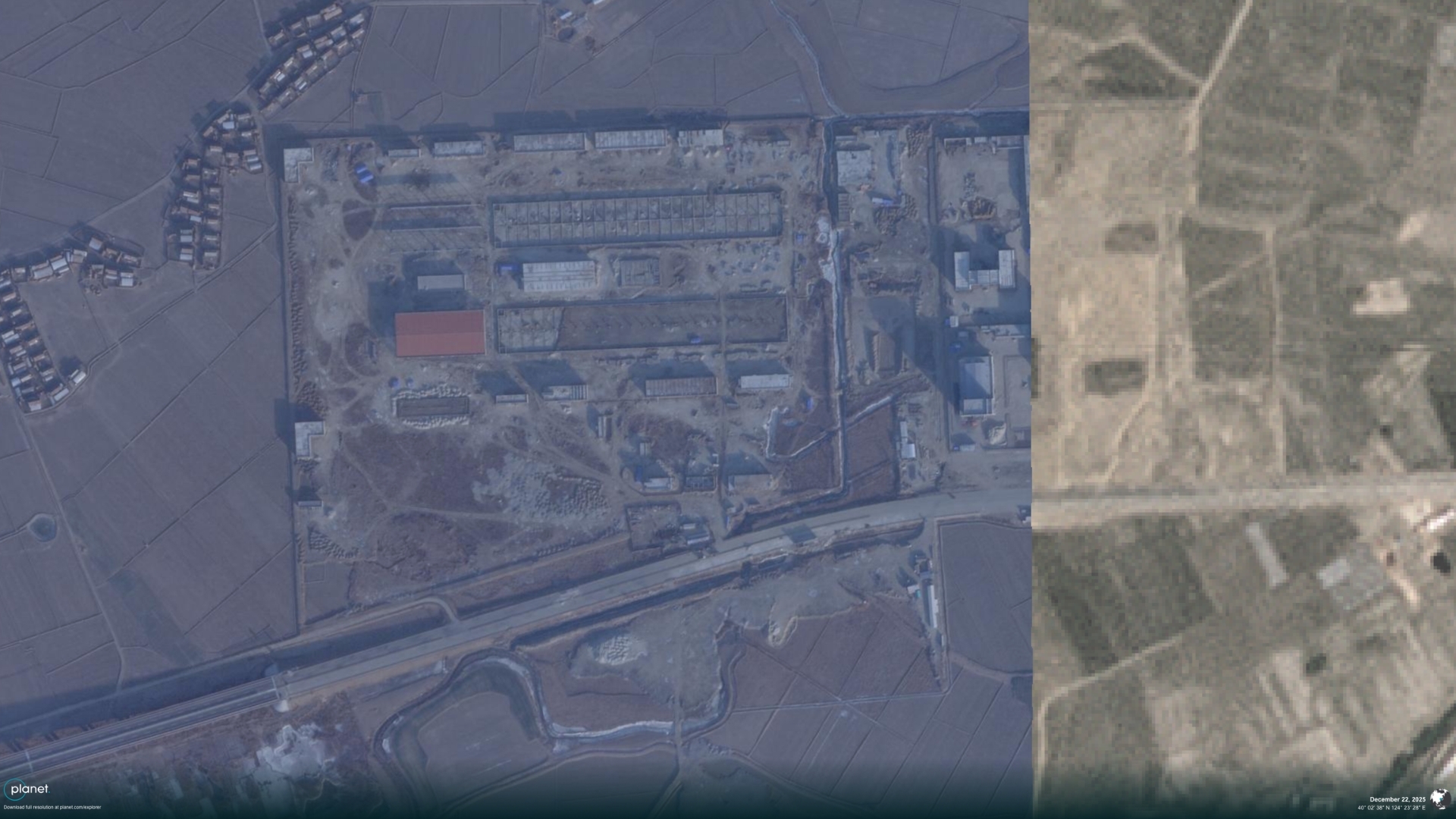
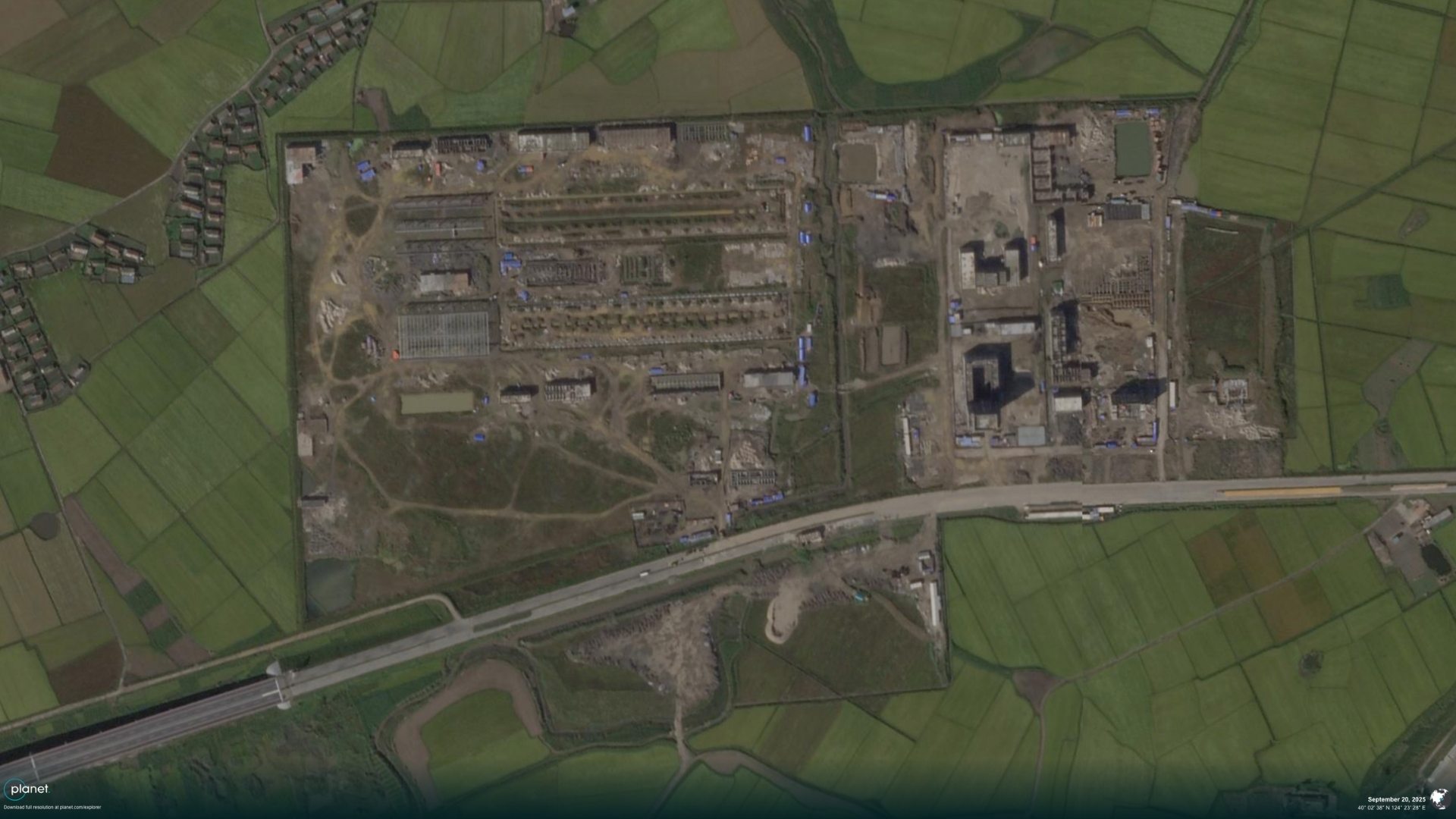
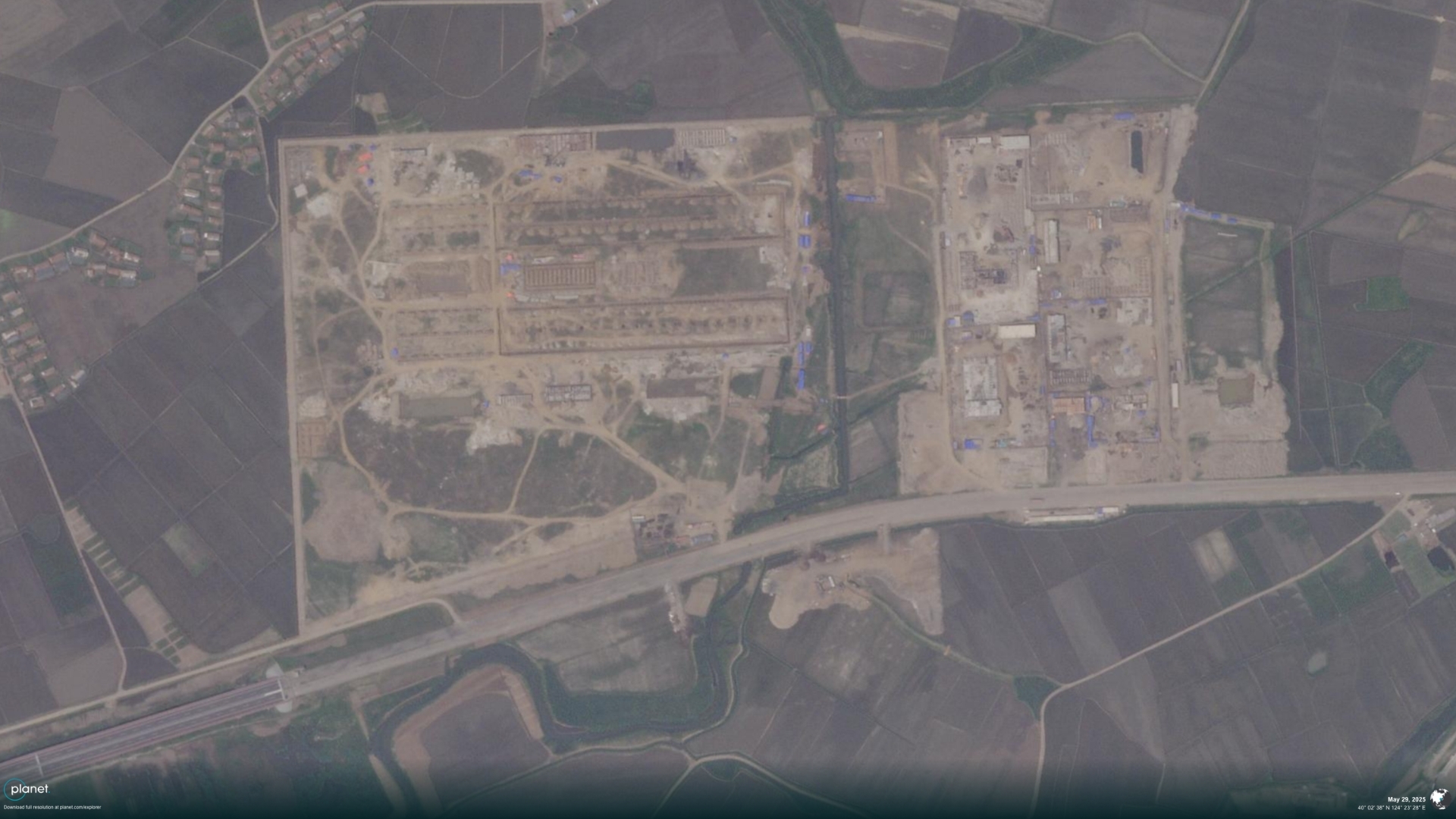
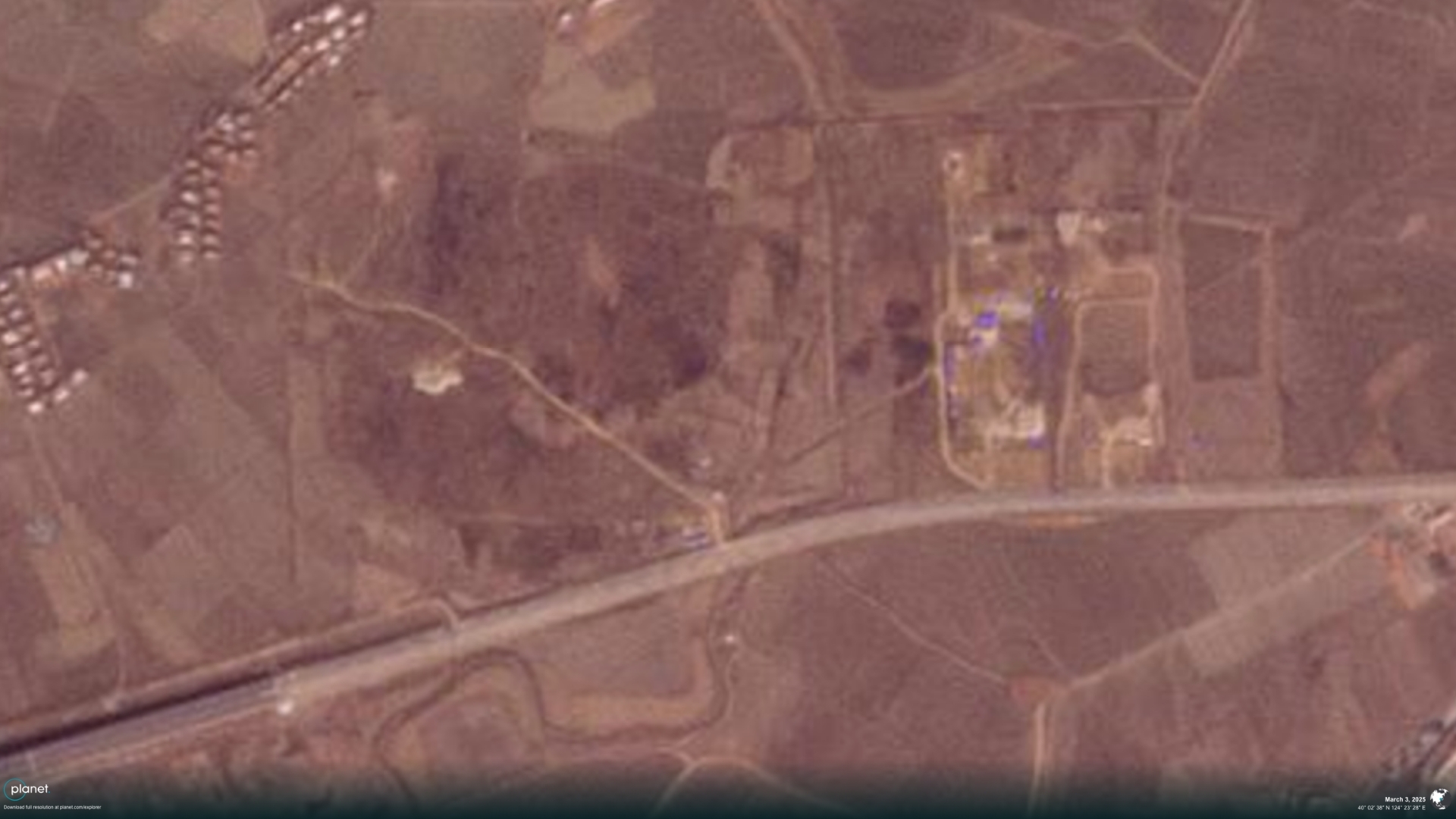
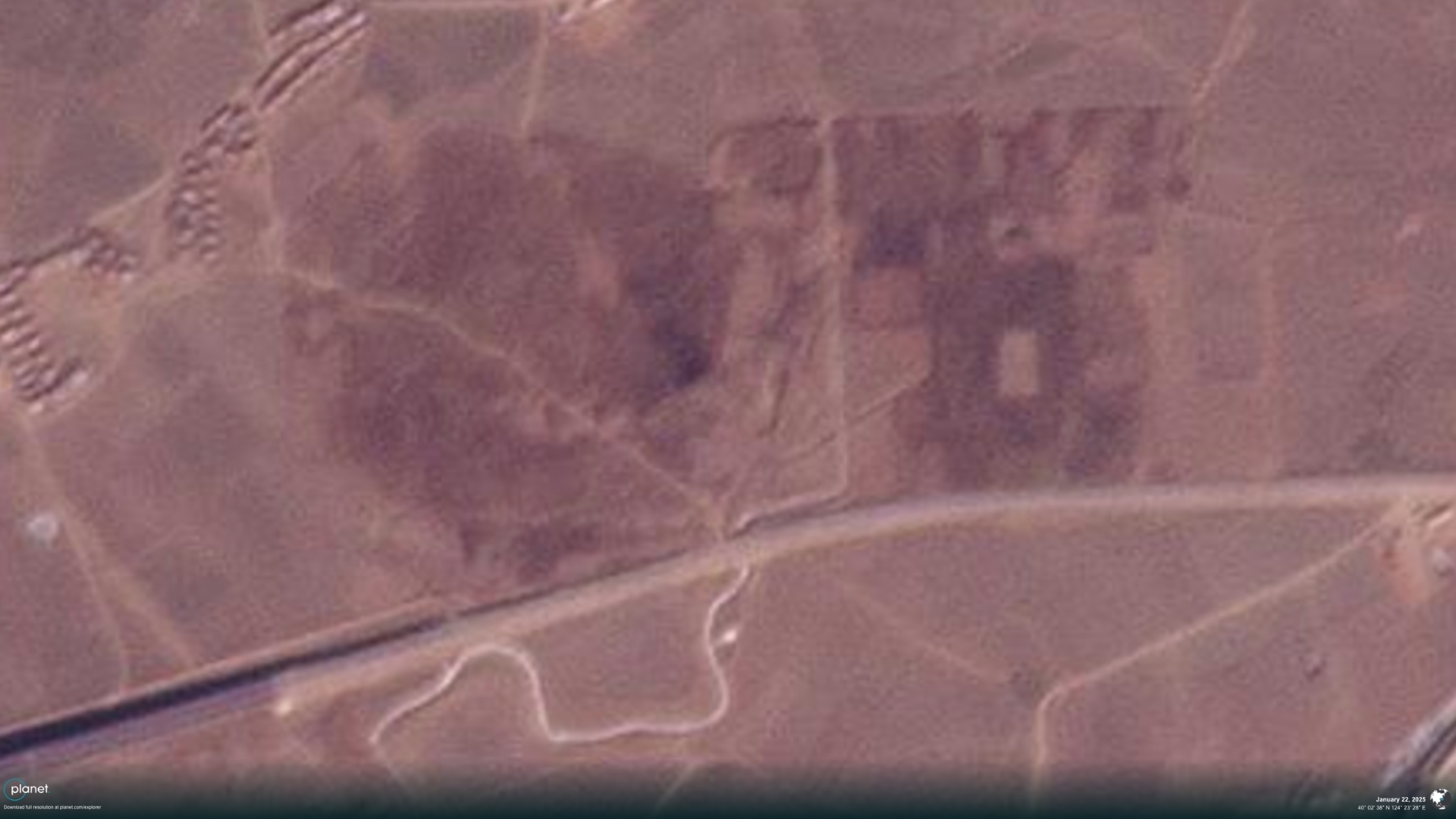
Hinata-Yamaguchi pointed to a likely “disconnect between China and North Korea” as the major cause of the delay, with infrastructure being only part of the problem. “Constructing the physical infrastructure is probably the easier part,” he said, while managing larger and faster cross-border flows posed a harder bureaucratic challenge. “Friction in the relationship between North Korea and China, especially up until about 2018-19, explains why the bridge initially wasn’t opened,” Ward said. With trade growing and the Russia bridge now open, North Korea may have felt a “need to appease” China with “some sort of active commitment to the relationship,” he added, pointing to the rush to finish the customs area. Chigadaev assessed there was a high chance of bridge traffic starting soon, saying the “project is closer to becoming operational than at any point in the past 12 years.” He noted that celebratory posters and flags were “already everywhere on the streets of China,” though the two sides could hold a symbolic opening first and the “full-scale cargo traffic” could begin later. “October 6 also looks like a logical choice: it marks the 77th anniversary [of diplomatic ties], while also fitting into the broader and more important Chinese context of the 77th anniversary of the founding of the People’s Republic of China on Oct. 1, 1949,” he said. Edited by David Choi © Korea Risk Group. All rights reserved. |

October 14, 2026Oct 14, 2026

The ultimate resources for professionals working on North Korea
 SHARE
SHARE COPY LINK
 X
X MASTODON