  
Analysis COVID-19 in North Korea: an overview of the current situationPyongyang officially claims no infections within its territory, and has taken strict steps to stave off an outbreak 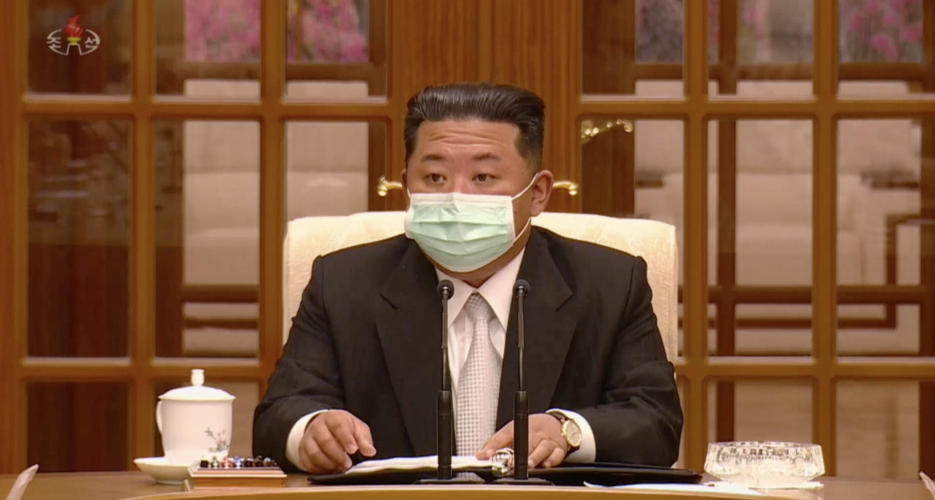 This overview has been updated up to the events of May 18, 2022 to incorporate a range of new developments since the date of first publication on March 26, 2020. North Korea is currently experiencing its first reported COVID-19 outbreak since the pandemic began in early 2020. North Korea’s battle against COVID-19 – first to keep it out and now to keep it contained – has come with various costs on both local and foreign residents in the country, as well as in the country’s politics, economics and society. The country does not likely have the testing capacity to confirm positive COVID-19 cases at a nationwide level, and appears to be using “fever” as a euphemism. Since the outbreak, Kim Jong Un has mainly blamed its officials for the spread of the virus, saying that “the Cabinet and public health sector for their irresponsible work attitude and organizing and executing ability.” North Korea’s borders with China and Russia remain almost totally closed. All commercial flights in and out of North Korea have been suspended since early Feb. 2020, with the exception of one evacuation flight by Air Koryo the following month and cargo flights on May 17, 2022, when several North Korean aircraft reportedly flew to Shenyang to collect COVID-19 related supplies. Cross-border train services to China and Russia were closed early February 2020, with the exception of occasional cargo deliveries. In Jan. 2022, China and North Korea resumed rail trade, only to suspend it again in April due to an uptick of COVID cases in border regions. North Korea’s pandemic response has severely impacted the country’s maritime shipping activity as well, with long monthslong wait times off the coasts of the country. Meanwhile, North Korea appears to be implementing a no-notice firing policy at those attempting to cross the DPRK-China border on foot, according to a translation of an internal document issuing the order released by NK Pro on Oct. 26. The COVID-19 outbreak means North Korea will almost certainly maintain strict border restrictions for the foreseeable future. North Korea is yet to start a nationwide vaccination campaign and has rejected millions of doses offered by COVAX, according to the WHO late last year. On May 16, 2022 the WHO said that it had “supported DPR Korea develop [sic] a COVID-19 vaccine deployment plan along with partner organizations – UNICEF and GAVI. The plan was reviewed and approved by a multi-partner body at the regional level, making DPR Korea eligible to receive COVID-19 vaccines through COVAX.” On May 18, 2022 the U.N. said that “In the absence of any vaccination rollout, the pandemic’s reported spread may have a devastating impact on the human rights situation in the country. The DPRK has a very limited healthcare infrastructure to cope with such a crisis, as it lacks testing capacity, essential medicines, and equipment.” The DPRK has criticized other countries for hoarding vaccines, while around the same time casting doubt on the efficacy of vaccines domestically. North Korea may be playing down the efficacy of vaccines at home despite apparently seeking them abroad because it knows it won’t be able to secure enough vaccines to make a difference as the omicron variant rips through the country. North Korea has imposed domestic restrictions to prevent the spread of the virus. The domestic rules, regulations and recommendations include: On May 10, 2022 Kim Jong Un ordered the country to “thoroughly lockdown” and limit contact between different work, life and production units to prevent omicron from ripping through the country. Before the outbreak, a low frequency of Kim Jong Un appearances suggested caution about COVID-19. As the NK Pro Leadership Tracker shows, Kim Jong Un made few appearances in state media last year compared to other years, being absent for at least 20 days straight on five occasions. But since the COVID-19 outbreak in May 2022, Kim Jong Un has appeared multiple times inspecting pharmacies and talking to officials on numerous occasions. Both North Korean state media and other sources have indicated that North Korea has suffered “huge economic loss” as a result of its strict COVID-19 prevention measures. The further economic impacts caused by the current outbreak is not yet known.Since the start of the pandemic in 2020, the majority of foreign workers have left the DPRK. As of May 2022, only China, Cuba, Egypt, Laos, Mongolia, Russia, Syria and Vietnam have active embassies in North Korea. In March 2021, the last foreign U.N. and aid workers left North Korea, leaving no independent observers to assess the extent of the COVID-19 outbreak or help with setting up aid and vaccination programs. © Korea Risk Group. All rights reserved.

|

September 16, 2026Sep 16, 2026

The ultimate resources for professionals working on North Korea
 SHARE
SHARE COPY LINK
 X
X MASTODON