
|
News North Korea conducts missile engine test, claims higher thrustKim Jong Un indicated a planned ‘reorganization’ of special operations forces, supervised tank defense test
 North Korean leader Kim Jong Un observed a ground test of a newly upgraded “high-thrust solid-fuel engine” used in long-range missiles, state media reported Sunday, alongside reports that Kim inspected tests of the Korean People’s Army’s (KPA) main battle tank and special operations unit drills. The Korean Central News Agency (KCNA) said the test involved a newly developed solid-fuel engine made with carbon-fiber composite materials, but did not disclose the date or location of the test, reporting that the engine puts “the country’s strategic military capability at the highest level,” state media reported Sunday. In Sunday’s report, the Korean Central News Agency (KCNA) claimed the engine generated a maximum thrust of 2,500 kilonewtons (kN), marking a significant increase from the 1,971 kN output North Korea claimed during a similar test in Sept. 2025. Kim was accompanied by Workers’ Party Central Committee Secretary Jo Chun Ryong and General Director of the DPRK Missile Administration Jang Chang Ha, among other officials during the inspection, according to KCNA. State media reported the test was conducted as part of a new five-year defense development plan unveiled by the North Korean leader at the Ninth Party Congress, which prioritizes the “continuous renewal of strategic strike means.” It described the engine as incorporating improved economic and technical efficiency alongside enhanced performance. 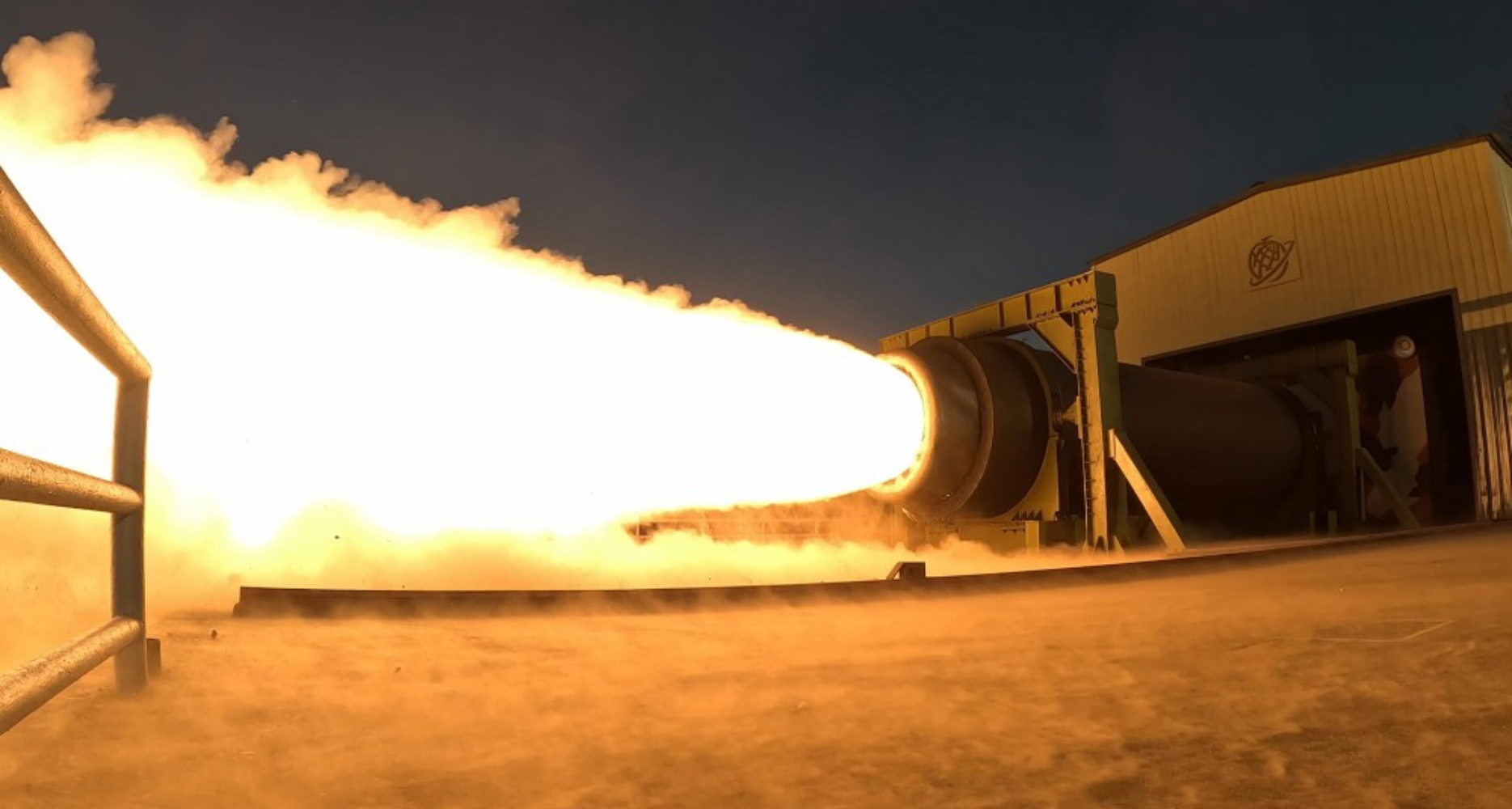
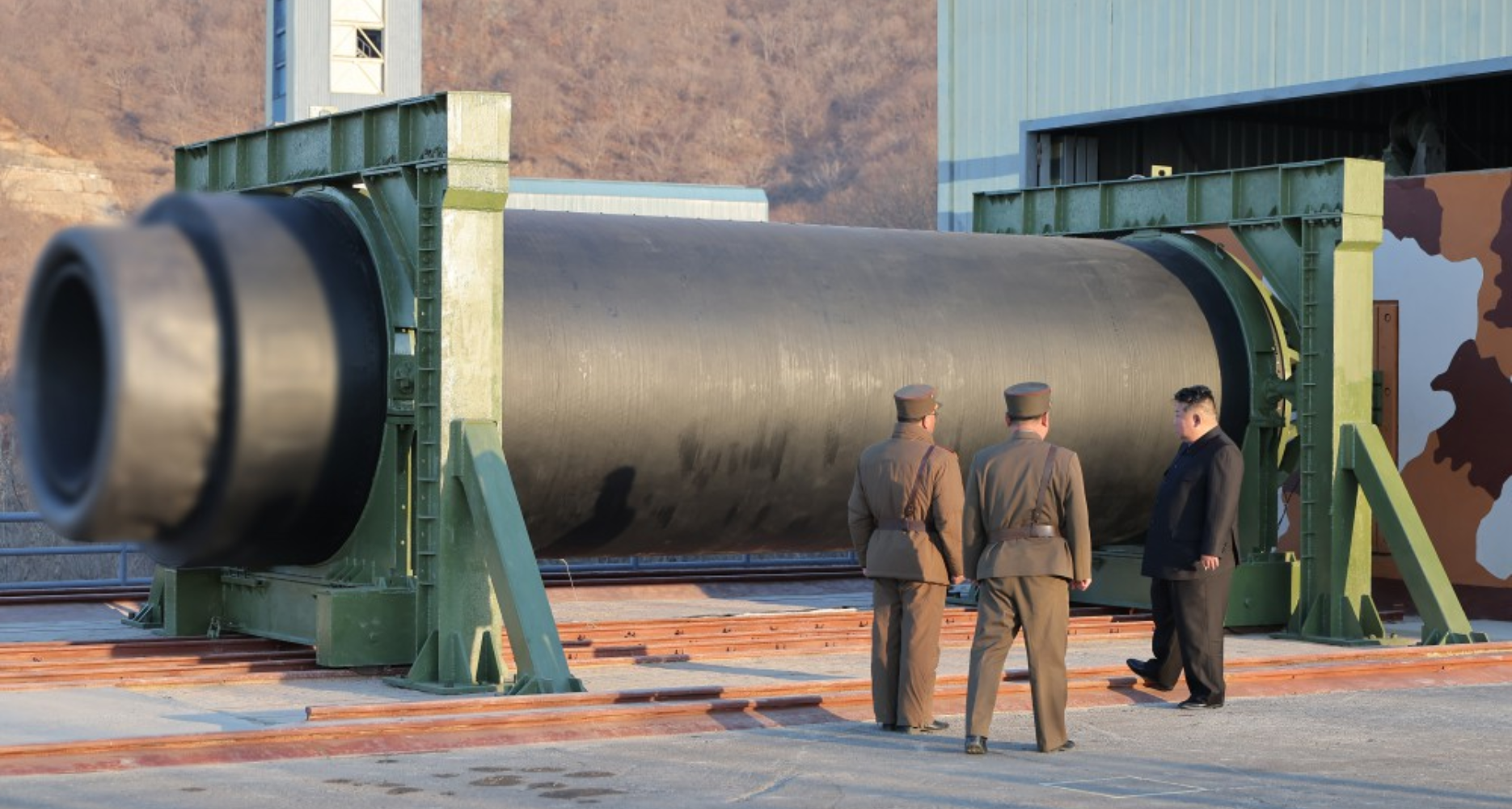
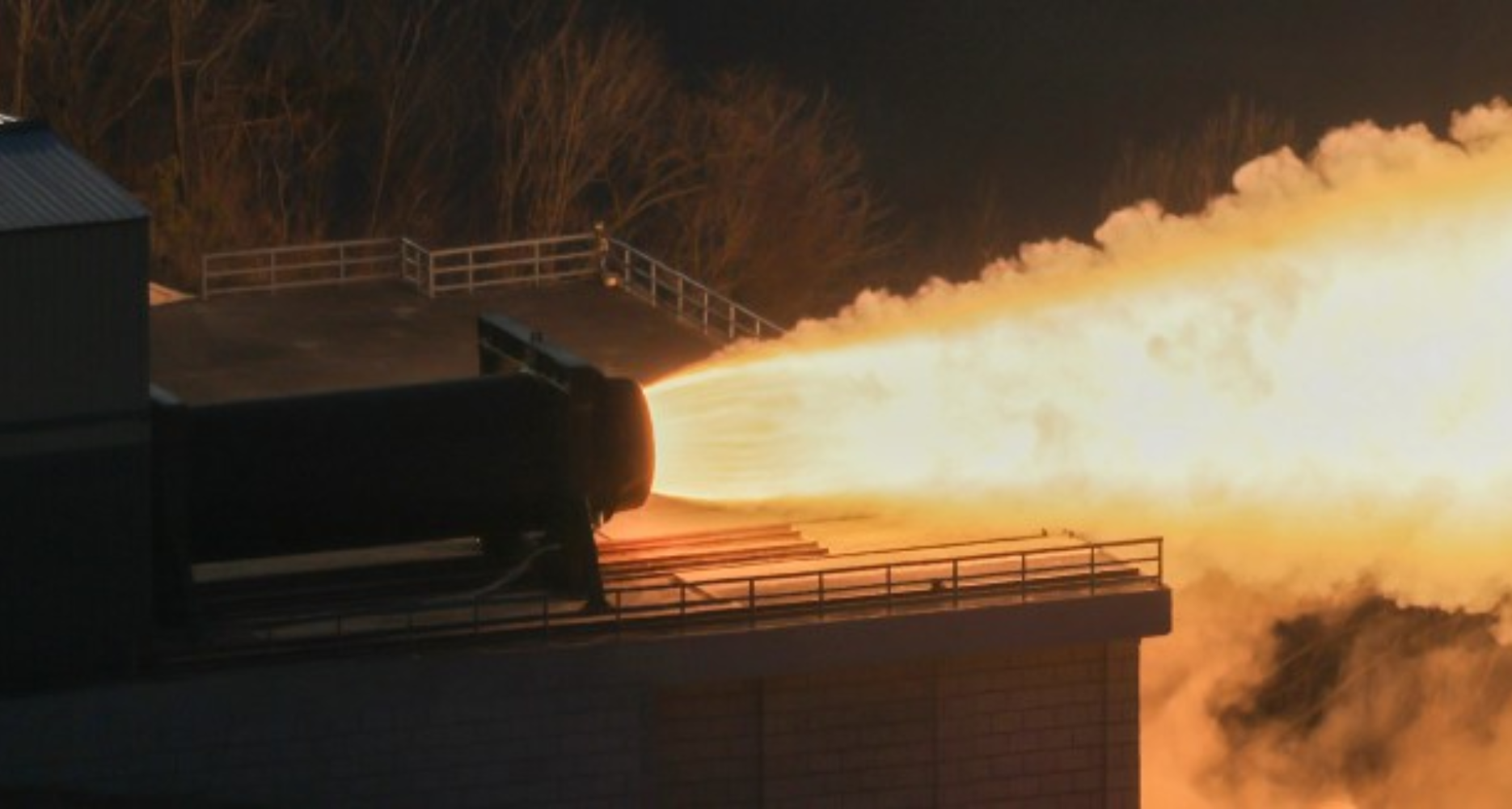
According to the KCNA report, Kim said the test was “of great significance” in elevating the country’s strategic military capability to its highest level and that it aligns with national strategy and military requirements for modernizing strategic forces. KCNA also said Kim referred to “major tasks” aimed at further advancing the country’s strategic forces in both quality and quantity, without providing further details. The reported increase of the engine’s thrust indicates that Pyongyang is continuing to improve propulsion systems for long-range missiles, particularly those designed to carry heavier payloads. The engine reported in state media Sunday is likely intended for use in the DPRK’s nuclear-capable intercontinental ballistic missiles (ICBM), potentially the Hwasong-20, which North Korea unveiled for the first time at a military parade in Oct. 2025. Efforts to boost engine thrust are critical to advancing multiple independently targetable reentry vehicle (MIRV) capabilities, as additional warheads increase overall missile weight and require more powerful propulsion to maintain range. North Korea has shifted its long-range missile development focus in recent years from liquid to solid-fueled engines, offering quicker set-up and launch procedures. Pyongyang has not tested a liquid-fuel missile in three and half years, though some appeared in images of Kim visiting missile bases in Oct. 2024. An NK Pro analysis from Dec. 2025 also shows that North Korea has upgraded its Sohae horizontal engine test stand with a larger telescoping shelter, indicating preparations for future testing of long-range solid-fuel ICBM engines despite Pyongyang’s claim that the “final” Hwasong-20 engine test had already been completed. 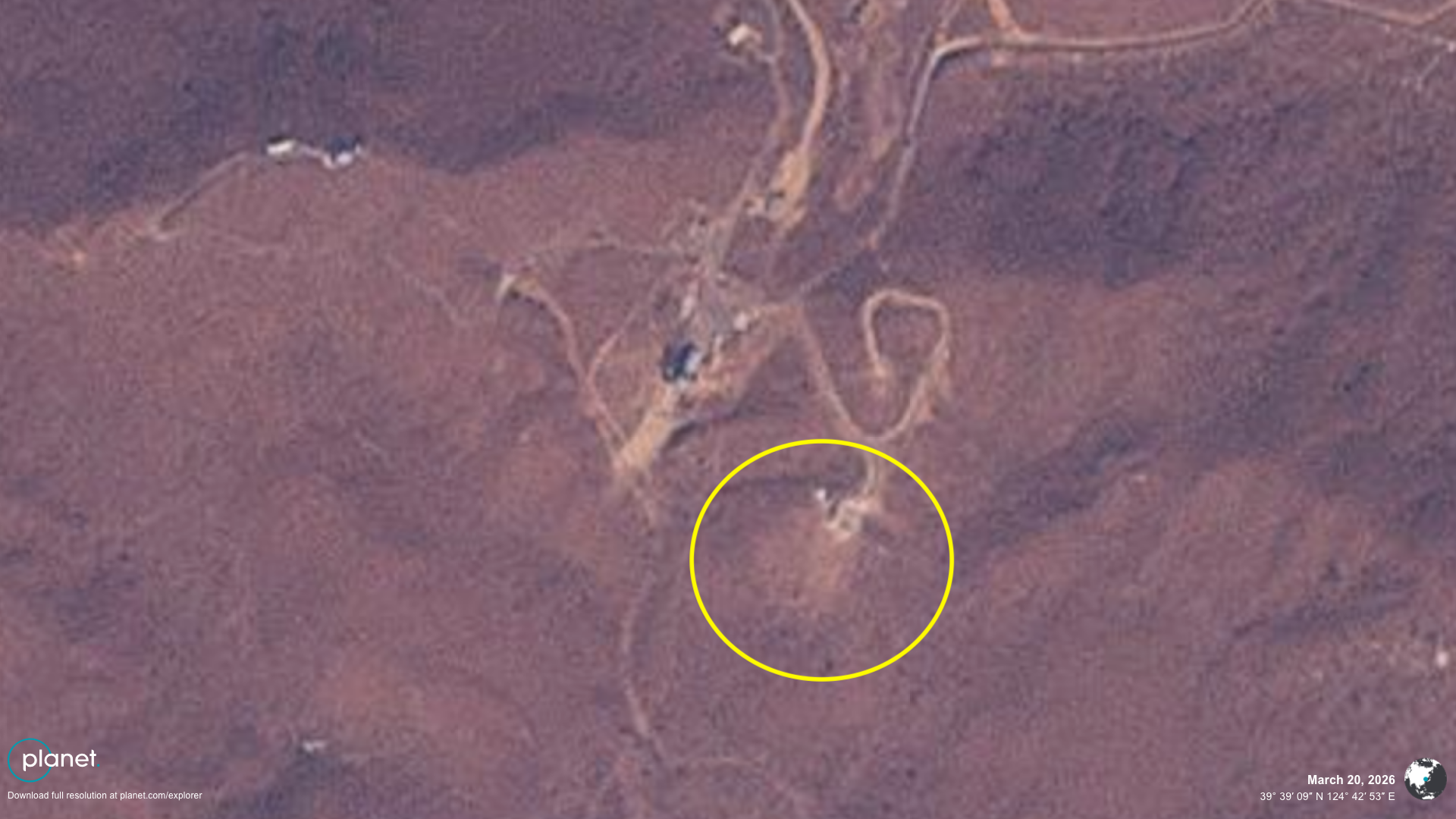
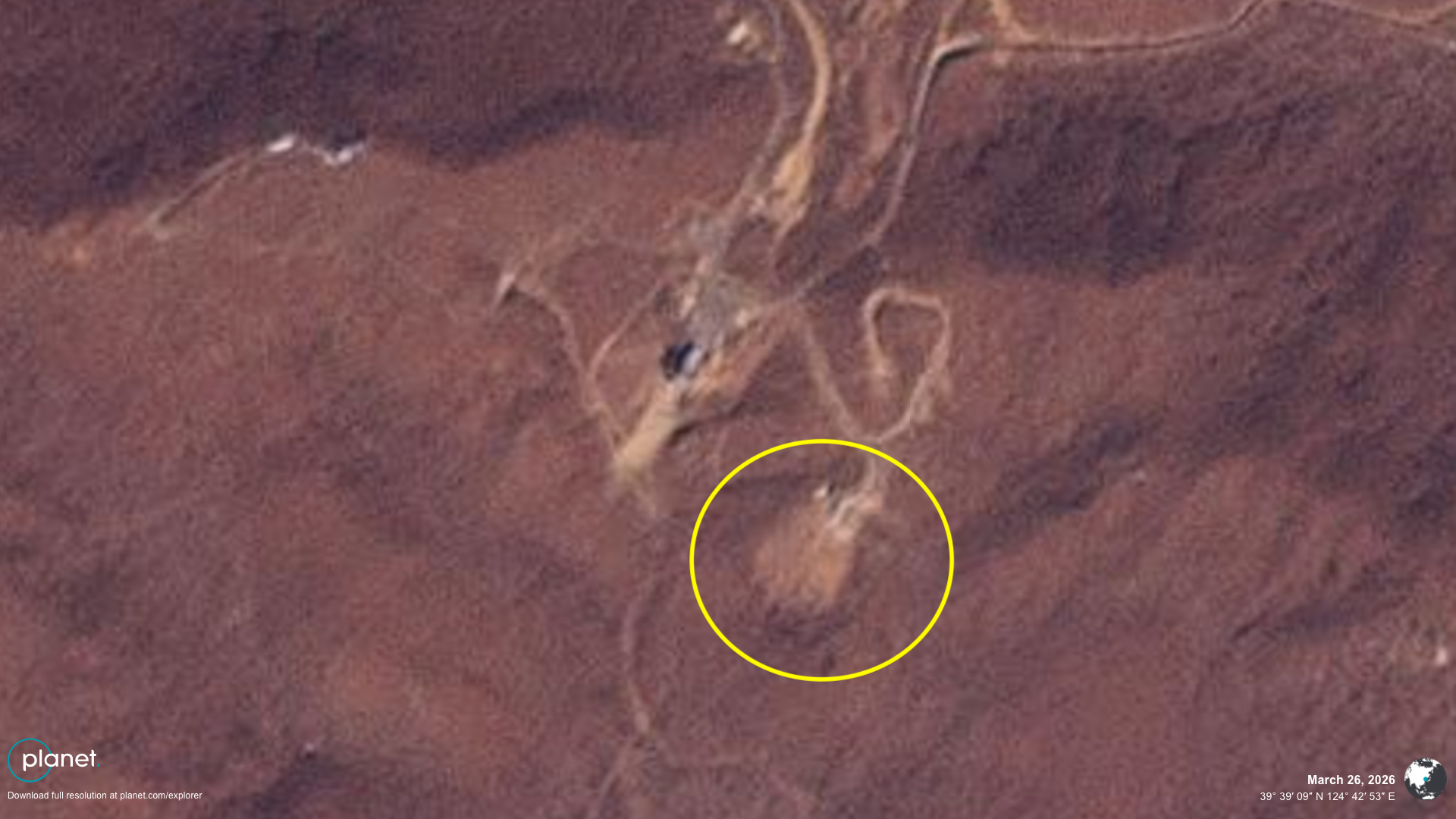
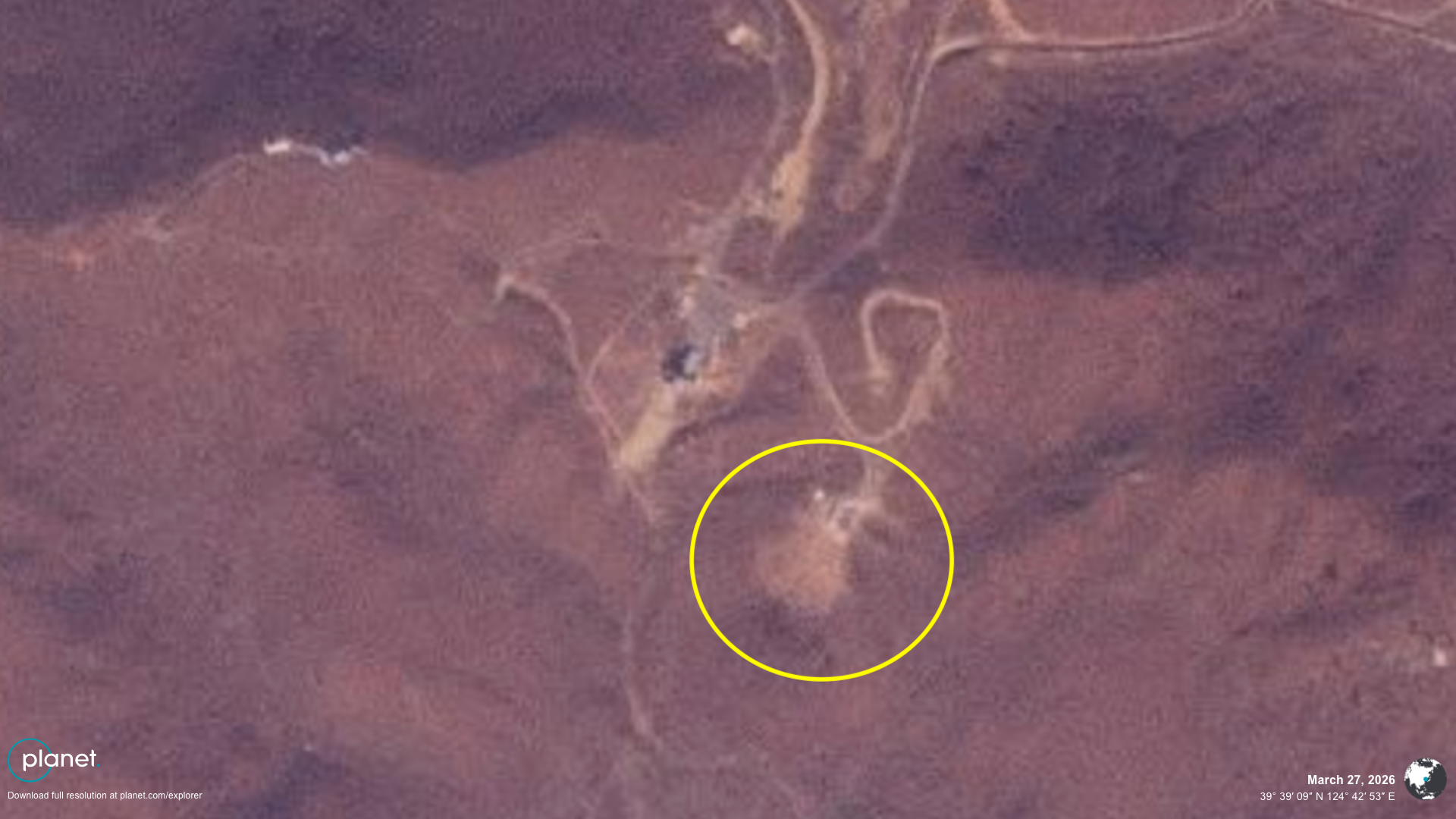
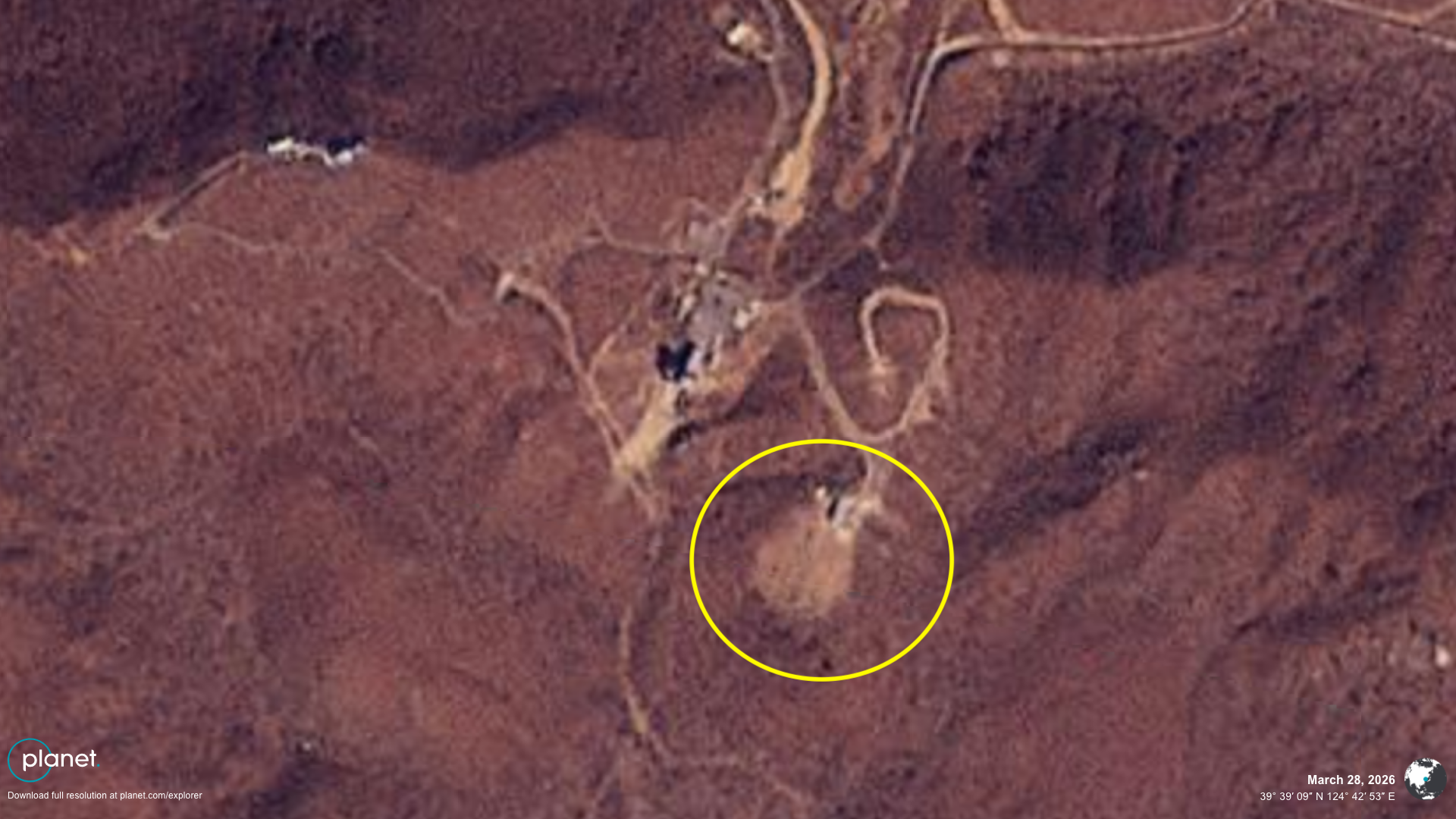
Additionally, NK News analysis of medium-resolution satellite imagery from Planet Labs shows ground conditions beneath the horizontal test stand changed noticeably between March 23 and 28, with day-over-day alterations visible on March 26, 27 and 28 — suggesting multiple days of testing preceded Kim Jong Un’s visit. The ground beneath the stand, an area that typically remains consistent in appearance, progressively lightened and expanded over the period, consistent with chemical discoloration from engine exhaust and fuel byproducts affecting vegetation rather than direct burning. Activity was also observed at the facility’s observation stand on March 28, indicating preliminary testing may have been conducted beforehand, with Kim present for what appears to have been the final test. Shadow analysis of KCNA’s images indicates the test Kim observed took place shortly after sunrise. 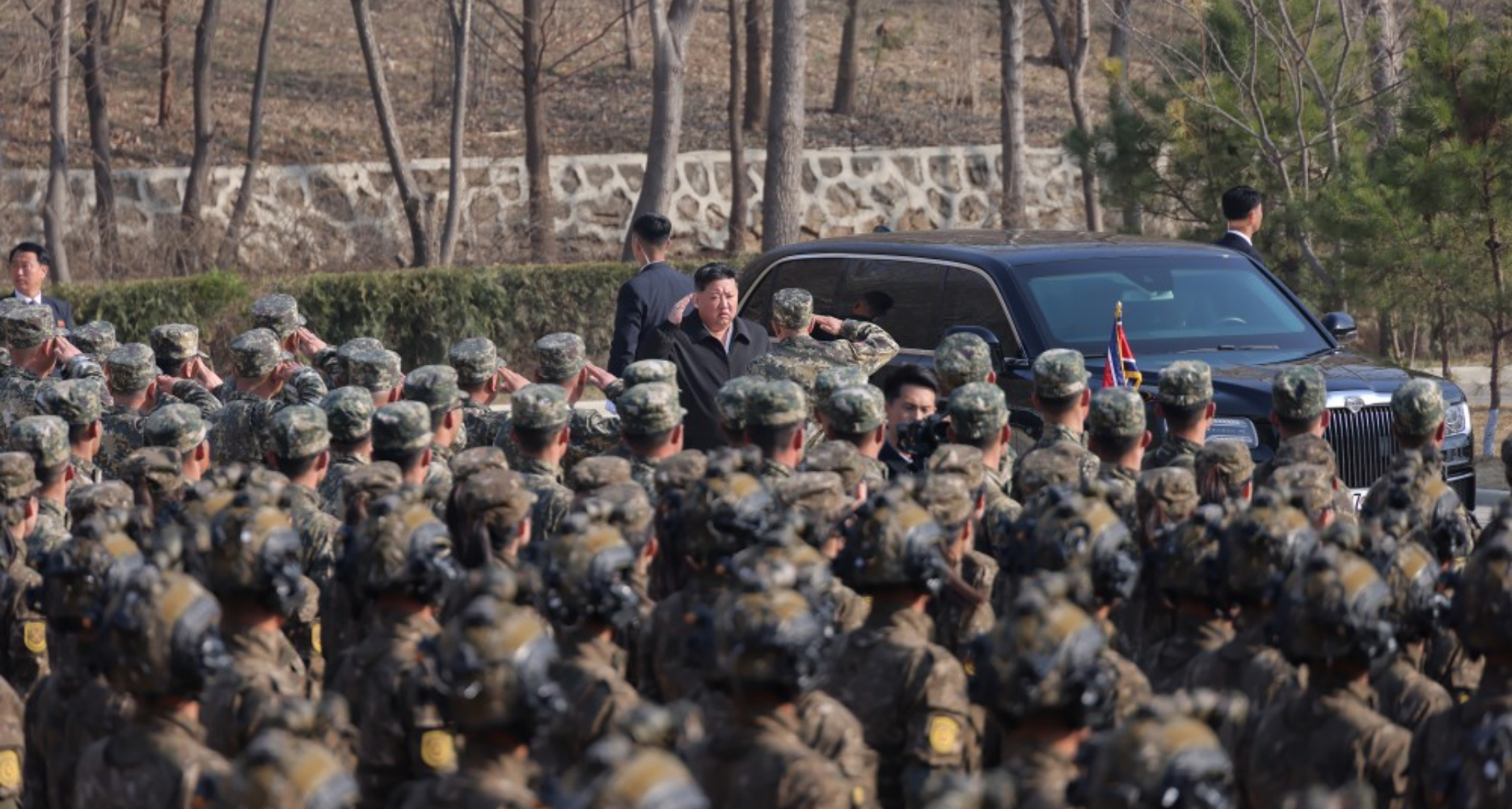
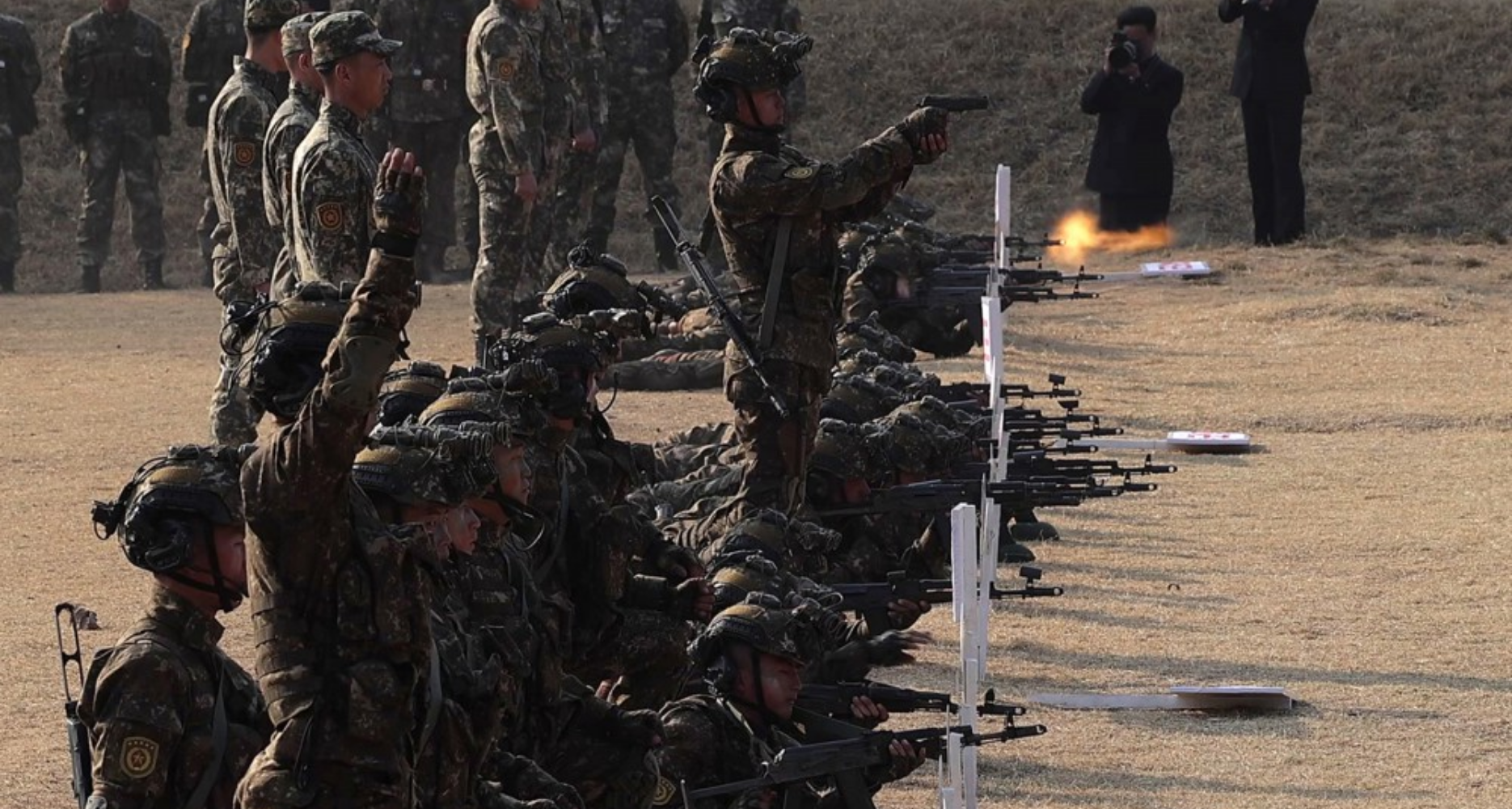
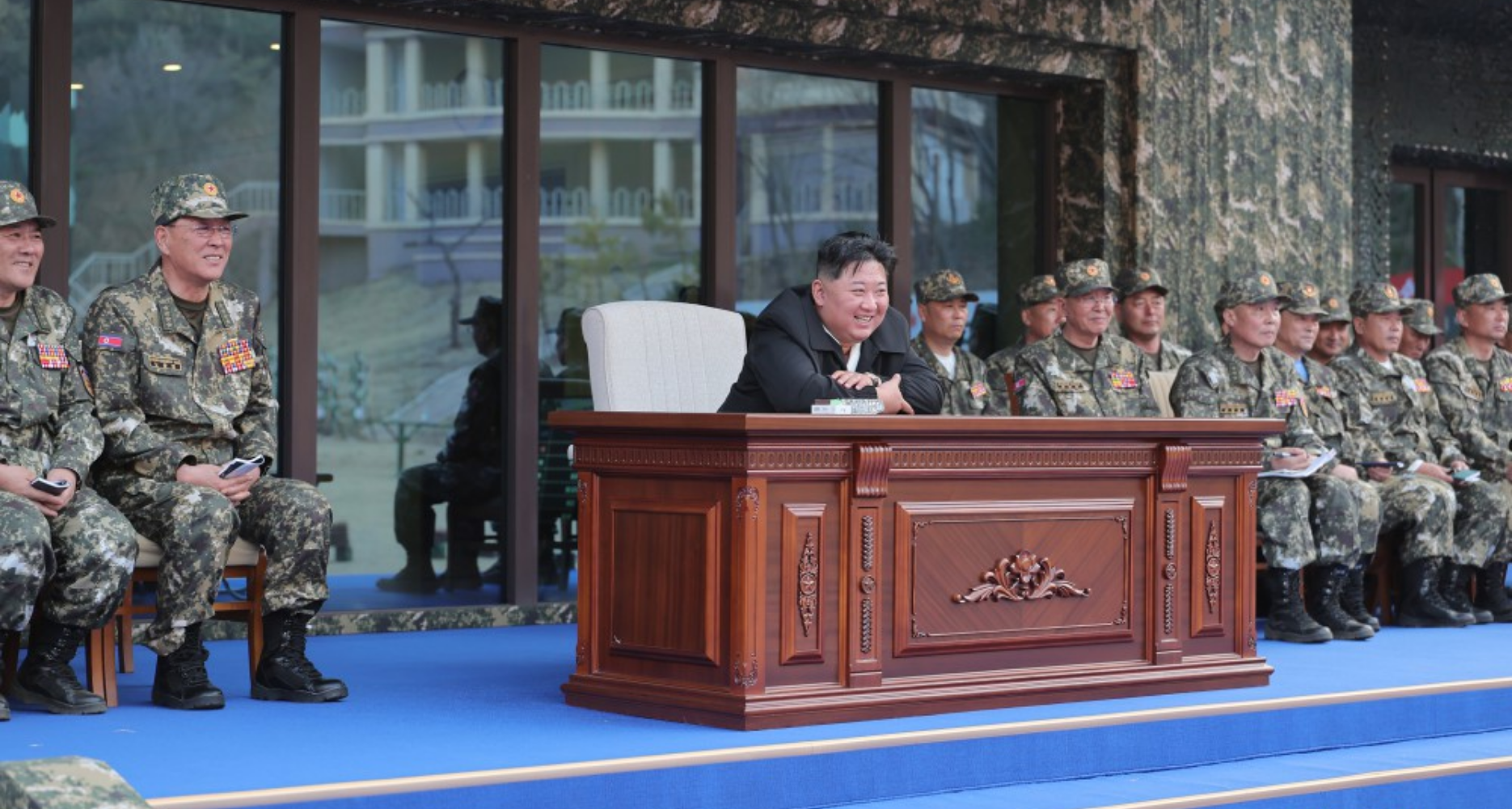
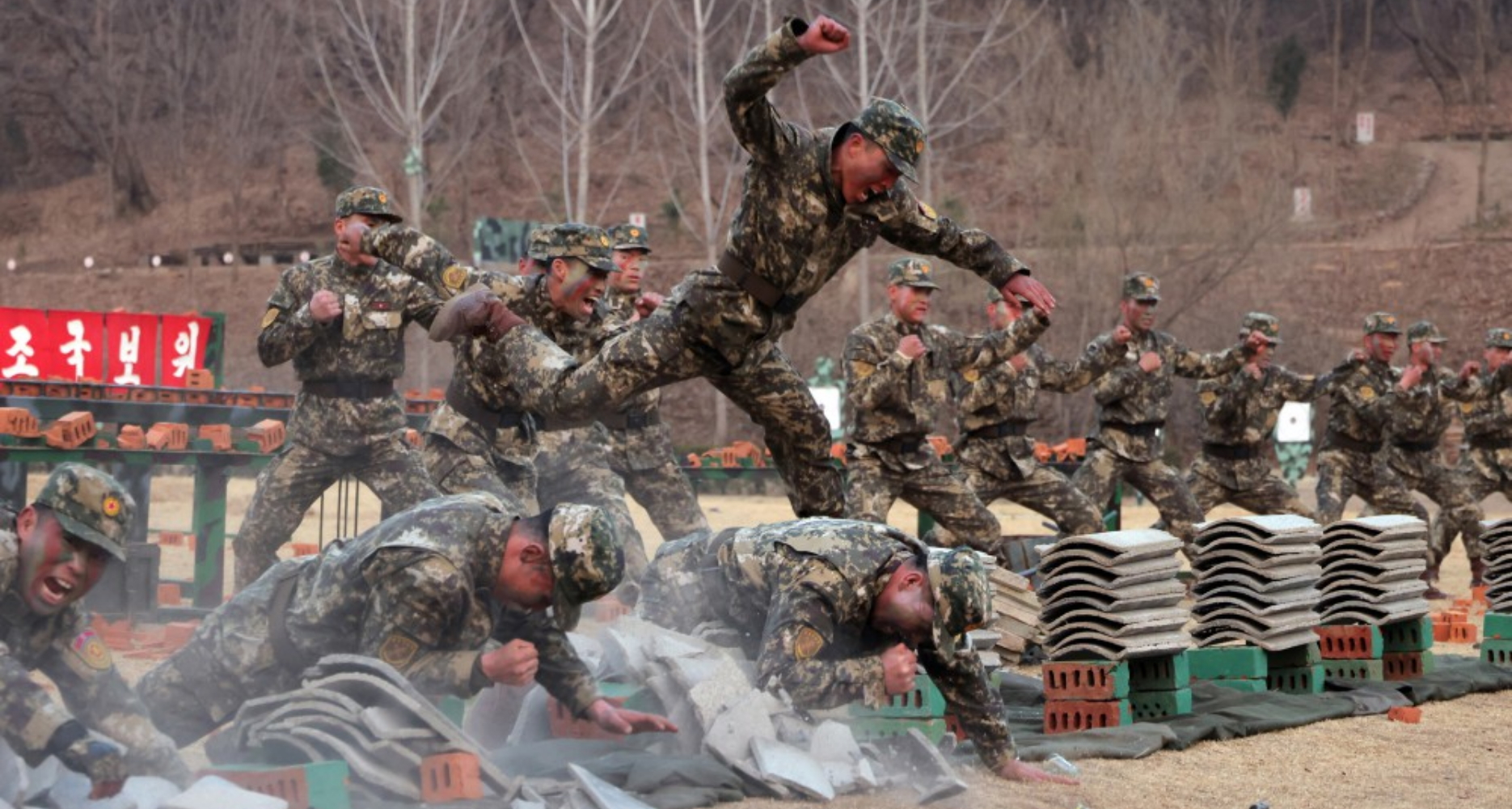
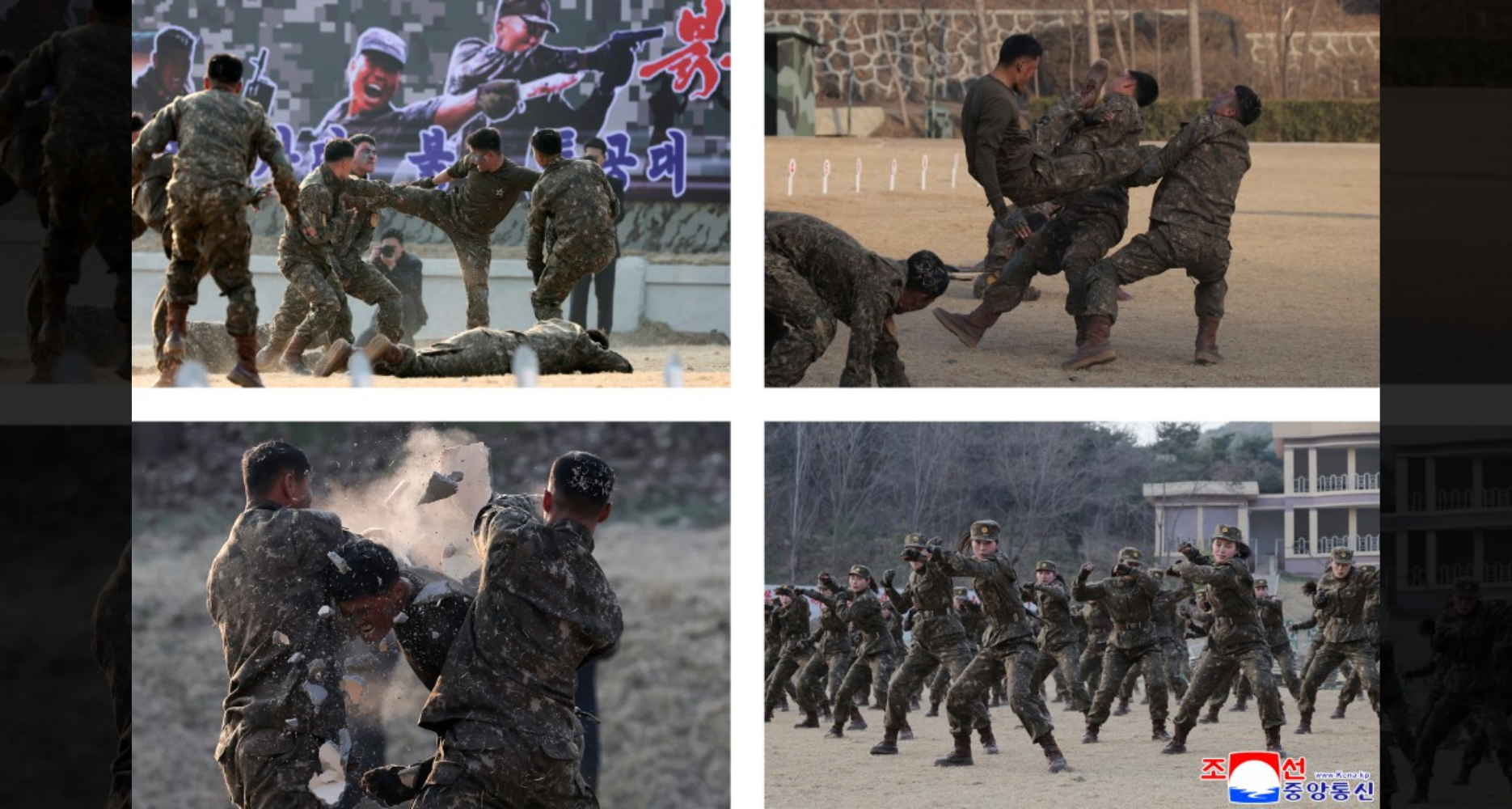
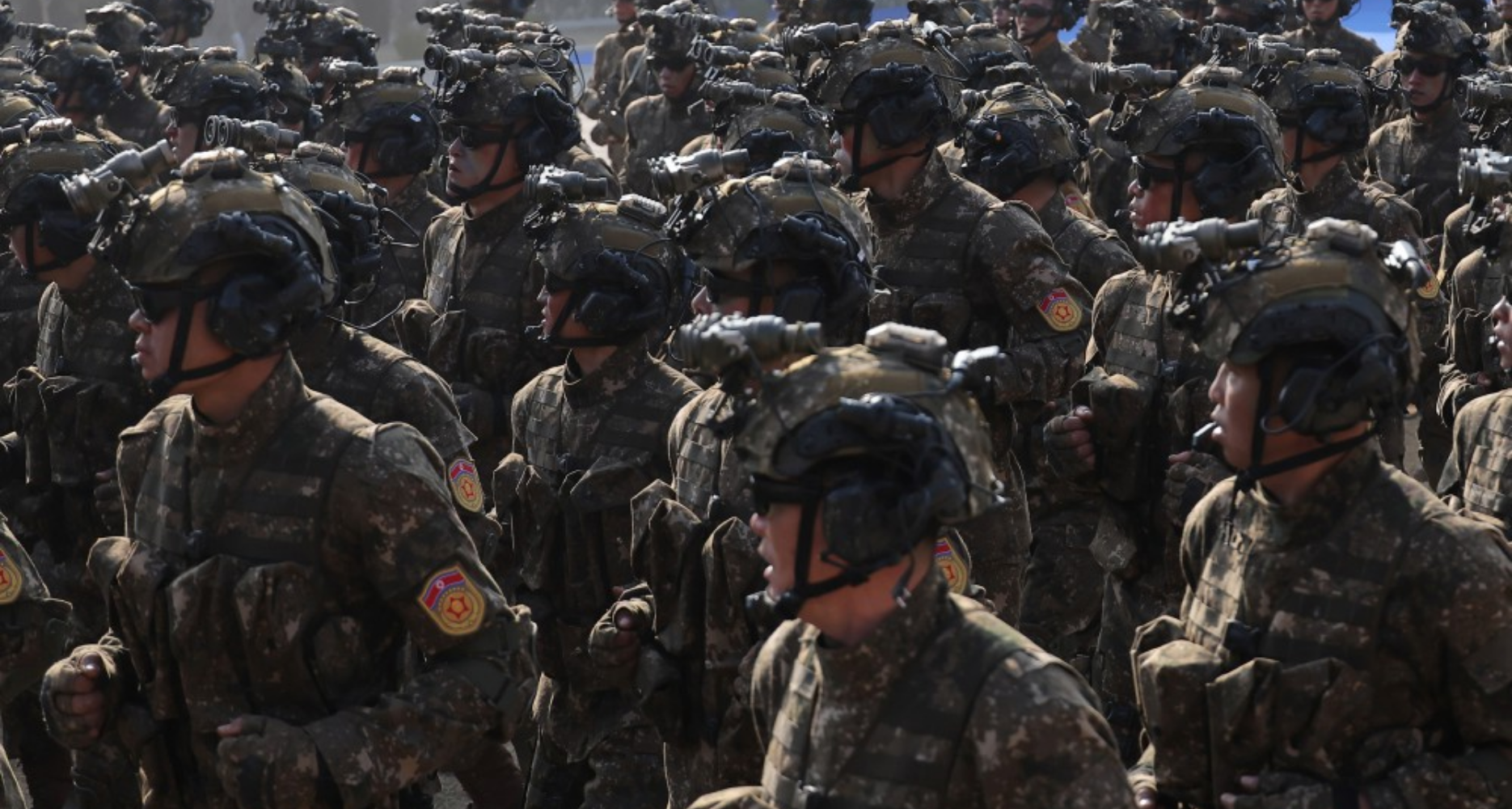
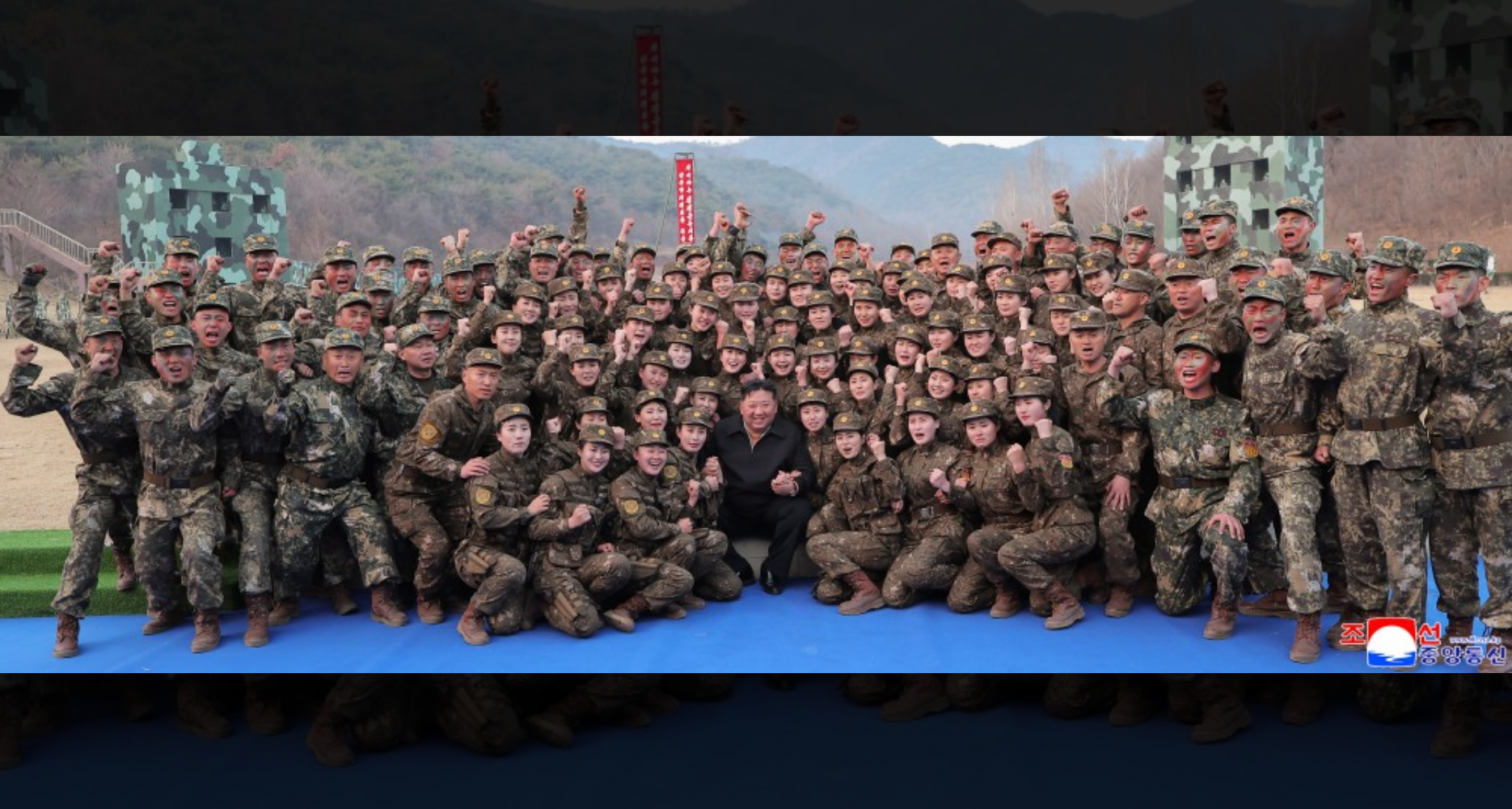
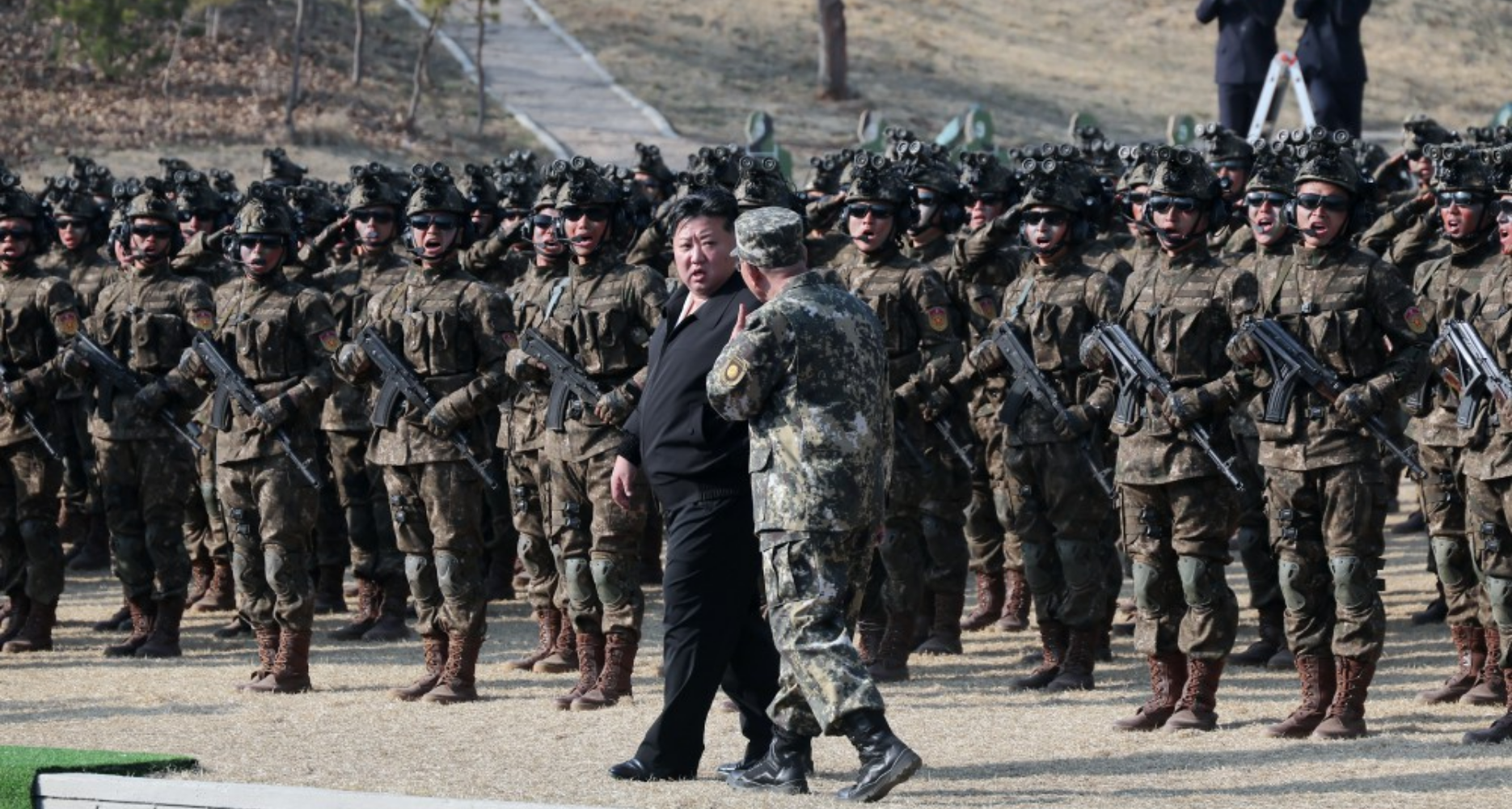
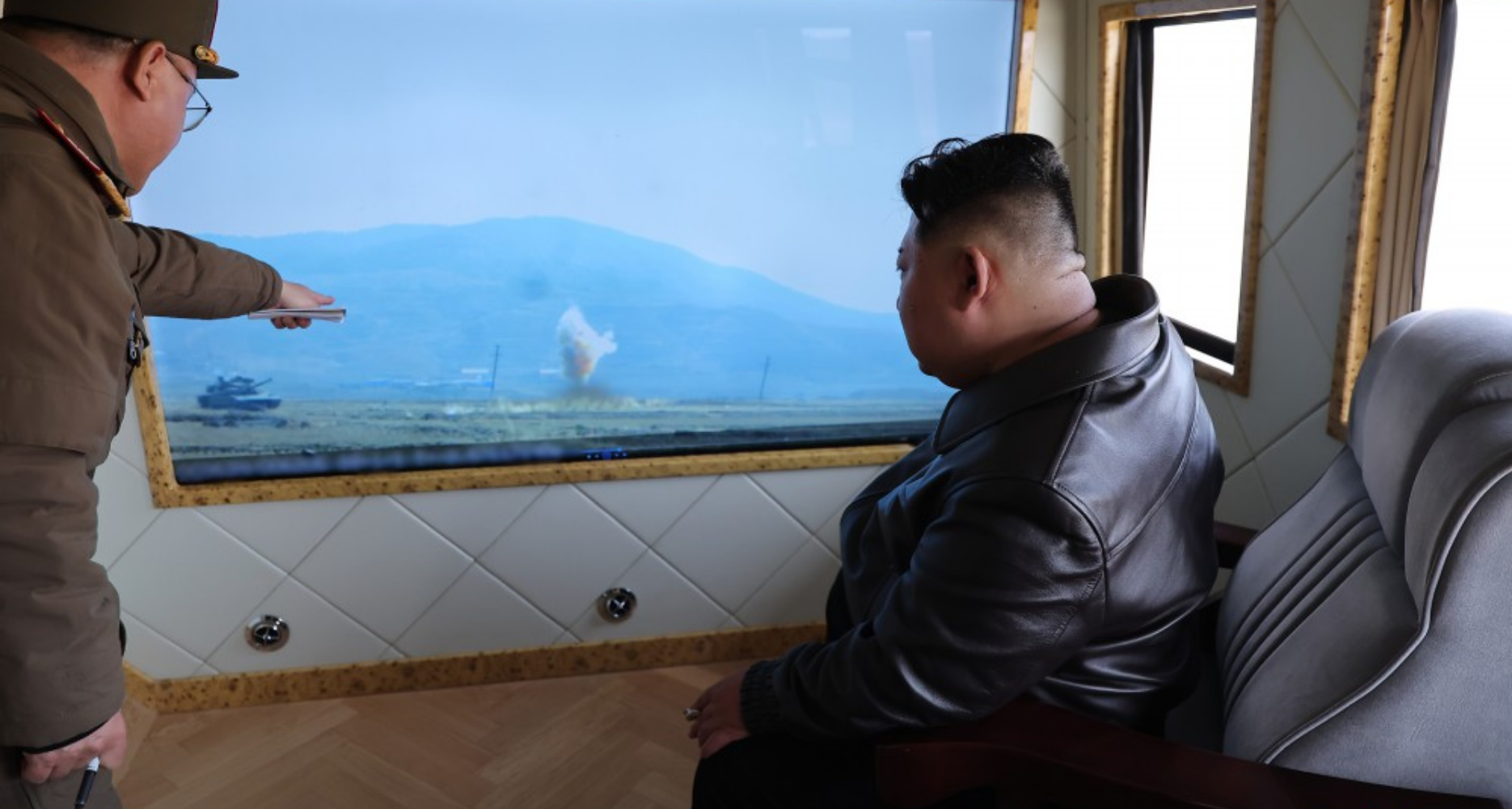
KPA SPECIAL OPERATIONS UNIT DRILLS Kim also inspected a special operations training base under the Korean People’s Army (KPA) General Staff and observed drills by “special forces sub-units at all levels,” KCNA reported separately on Sunday. The North Korean leader visited the facility, identified by KCNA as falling directly under the Operations Bureau of the KPA General Staff, accompanied by Minister of National Defence No Kwang-chol, KPA Chief of the General Staff Ri Yong Gil and General Political Bureau Director Kim Song Gi. The drills evaluated combatants’ physical fitness and military skills, including marksmanship and close-quarters combat. A demonstration by elite special operations soldiers and women special warfare personnel was also held, according to KCNA. Kim stressed that all KPA units must prepare “in conformity with the trend of modern warfare,” while also outlining plans for a future “reorganization of special operations forces” and discussed follow-up measures, according to KCNA. State media did not provide any details as to what changes are planned or underway. The training ground appears to be at the same site that NK Pro in Aug. 2025 identified as the Korean People’s Army (KPA) Unit 525 campus, located south of Pyongyang. Kim also watched sniper drills at the site in August that year. The report’s identification of the training base as subordinate to the Operations Bureau points to a restructuring of North Korea’s military command architecture, according to Michael Madden, a nonresident fellow at the Stimson Center and founder of NK Leadership Watch. “This represents a significant change, as GSD Ops has not had training grounds to which were directly subordinate,” Madden said to NK News, noting that the Operations Bureau had previously held approval authority over training plans across the KPA but did not control its own dedicated facilities. The shift suggests Pyongyang has narrowed the General Staff’s Training Bureau to a planning and policy role, stripping it of direct oversight of training sites, Madden said. The Operations Bureau may now control its own training facilities outside the larger installations historically used by KPA Supreme Command — effectively redrawing institutional lines between the two bureaus, he added. Madden said the report also signals that elements of the XI Corps, commonly known as the “Storm Corps” — the KPA’s primary special operations formation — have likely been dispersed to other corps-level units. Most KPA corps are built around mechanized infantry with few dedicated light infantry or special operations elements, he noted, suggesting Pyongyang has “cut down the headcount in the XI Corps and dispersed companies and brigades to other KPA corps.” 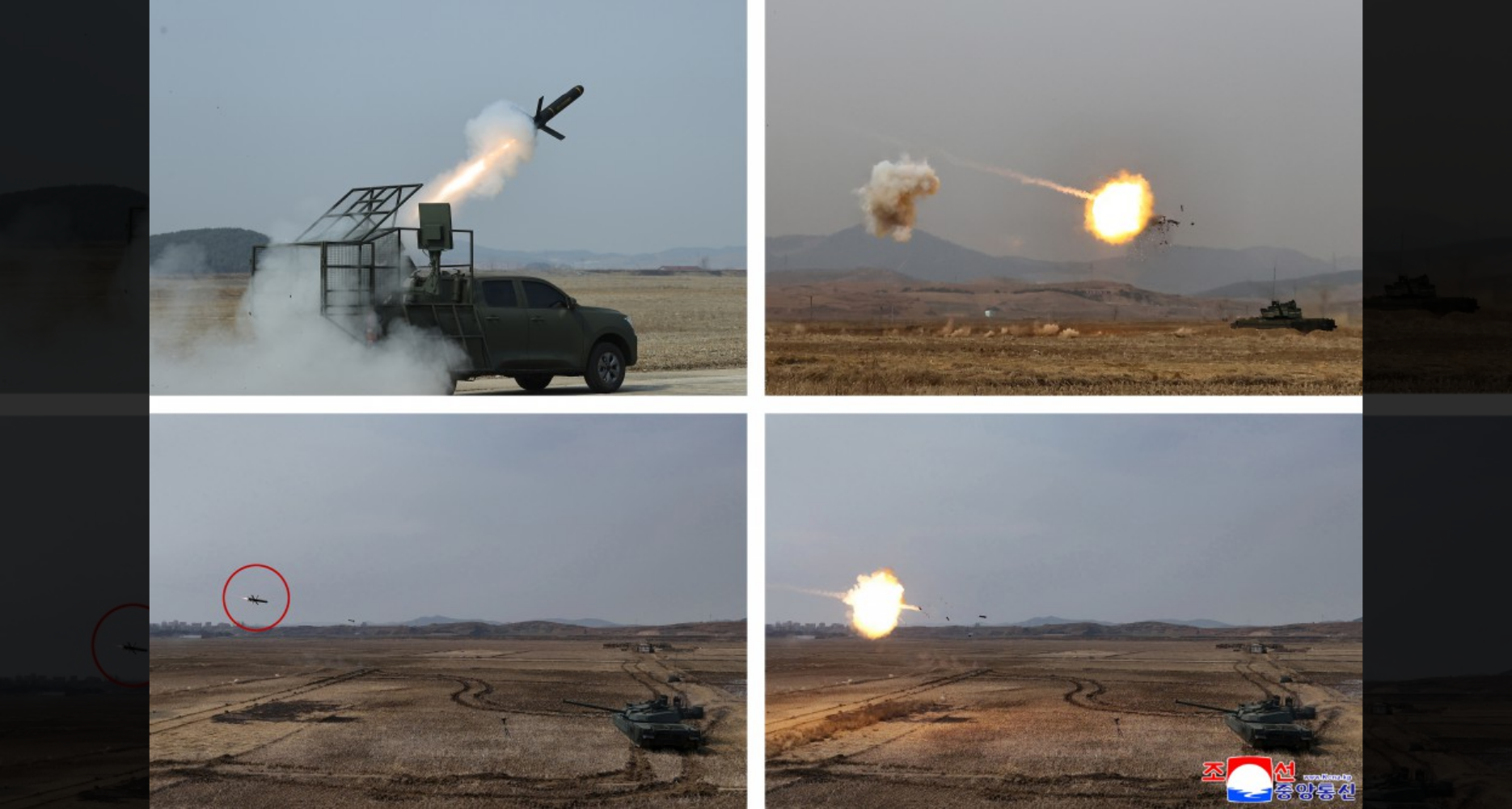
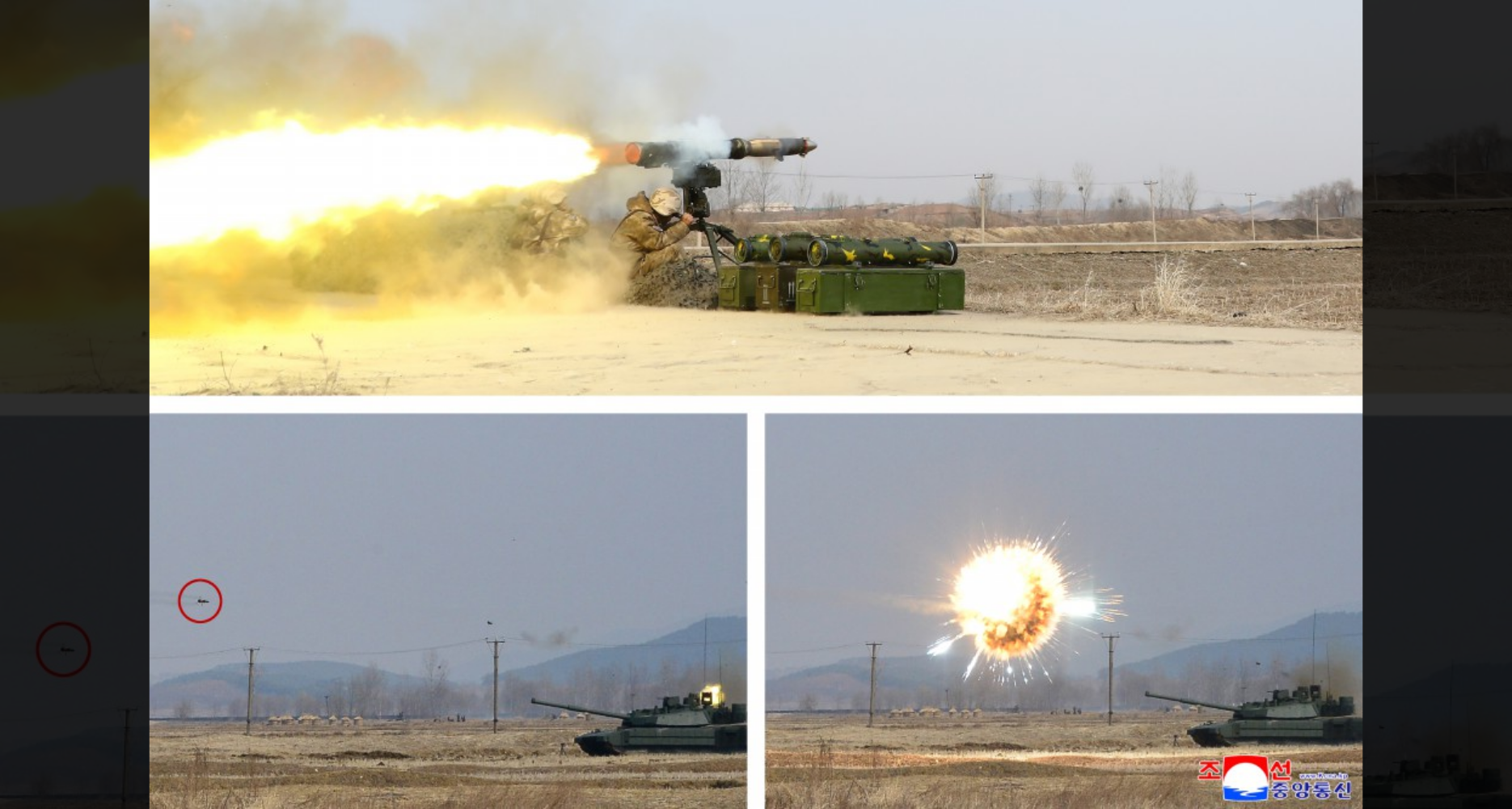
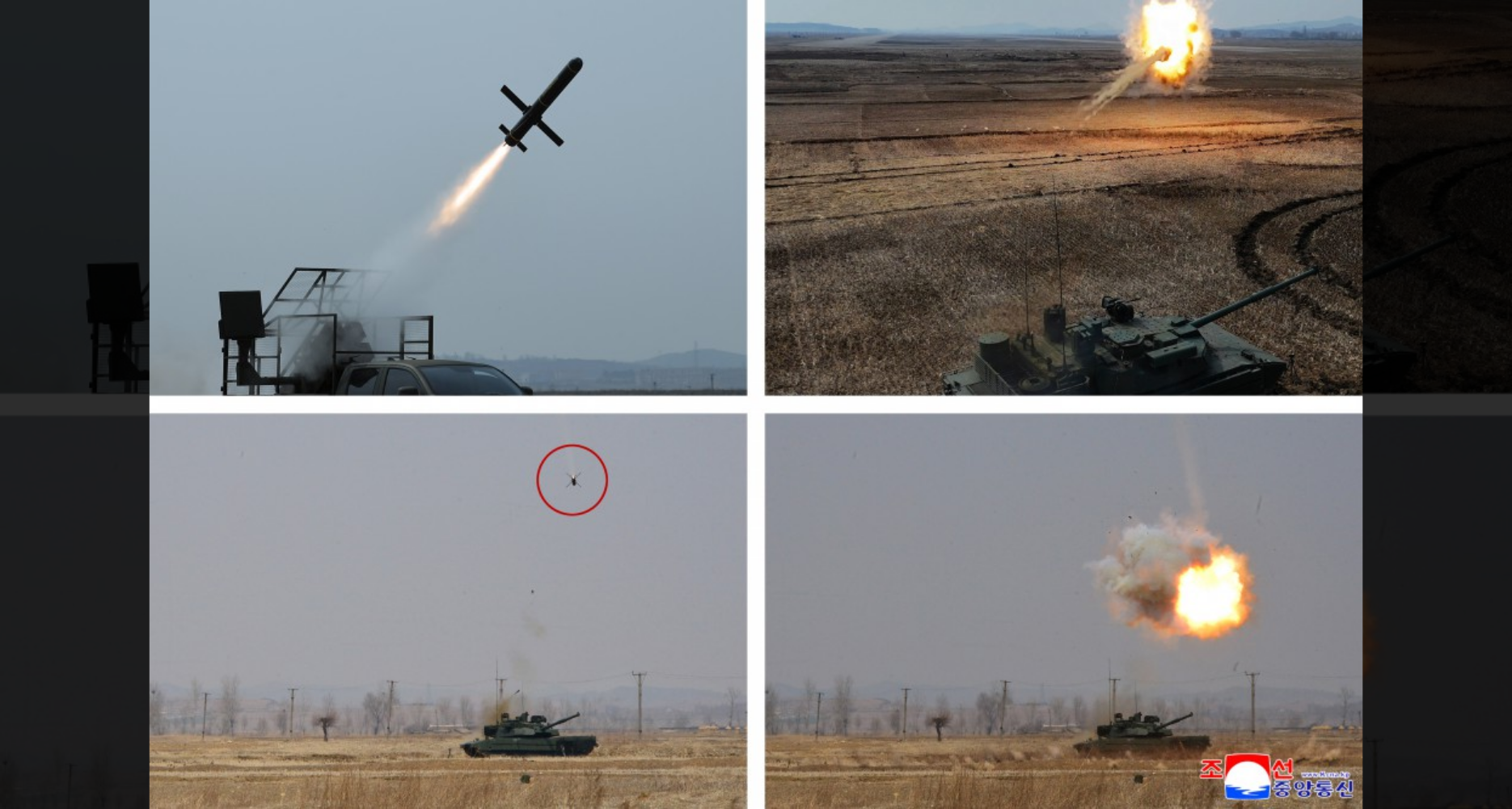
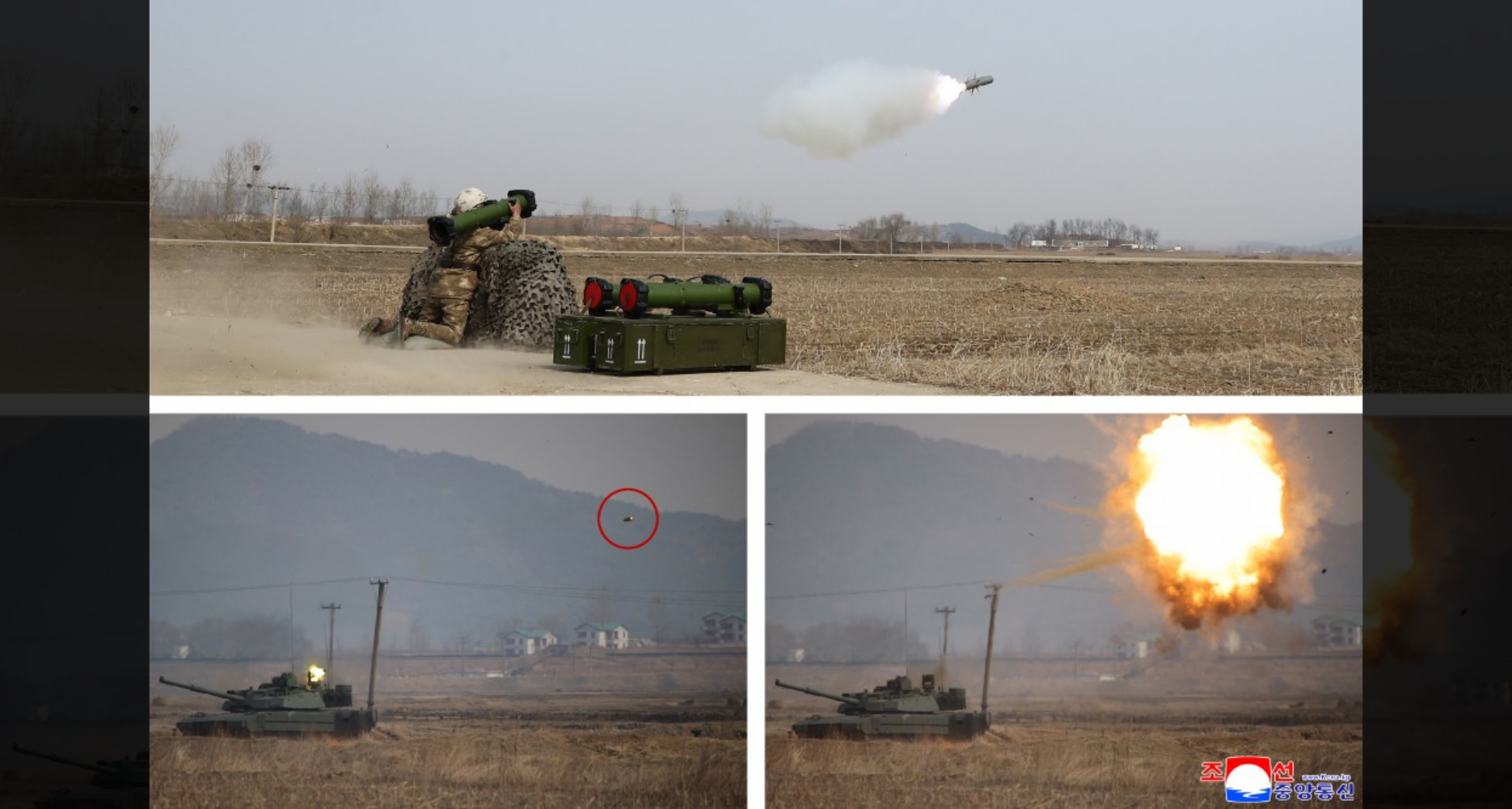
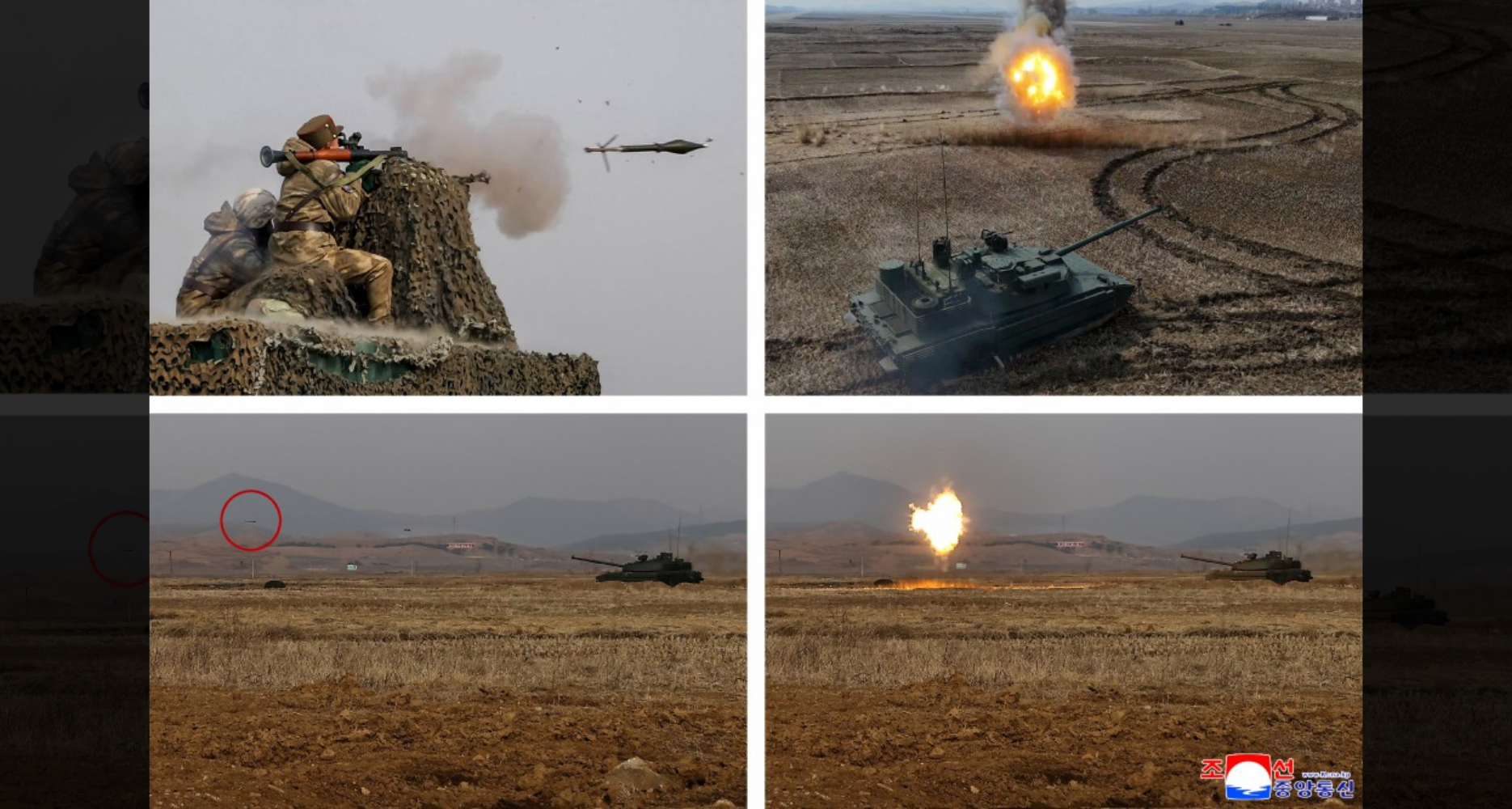
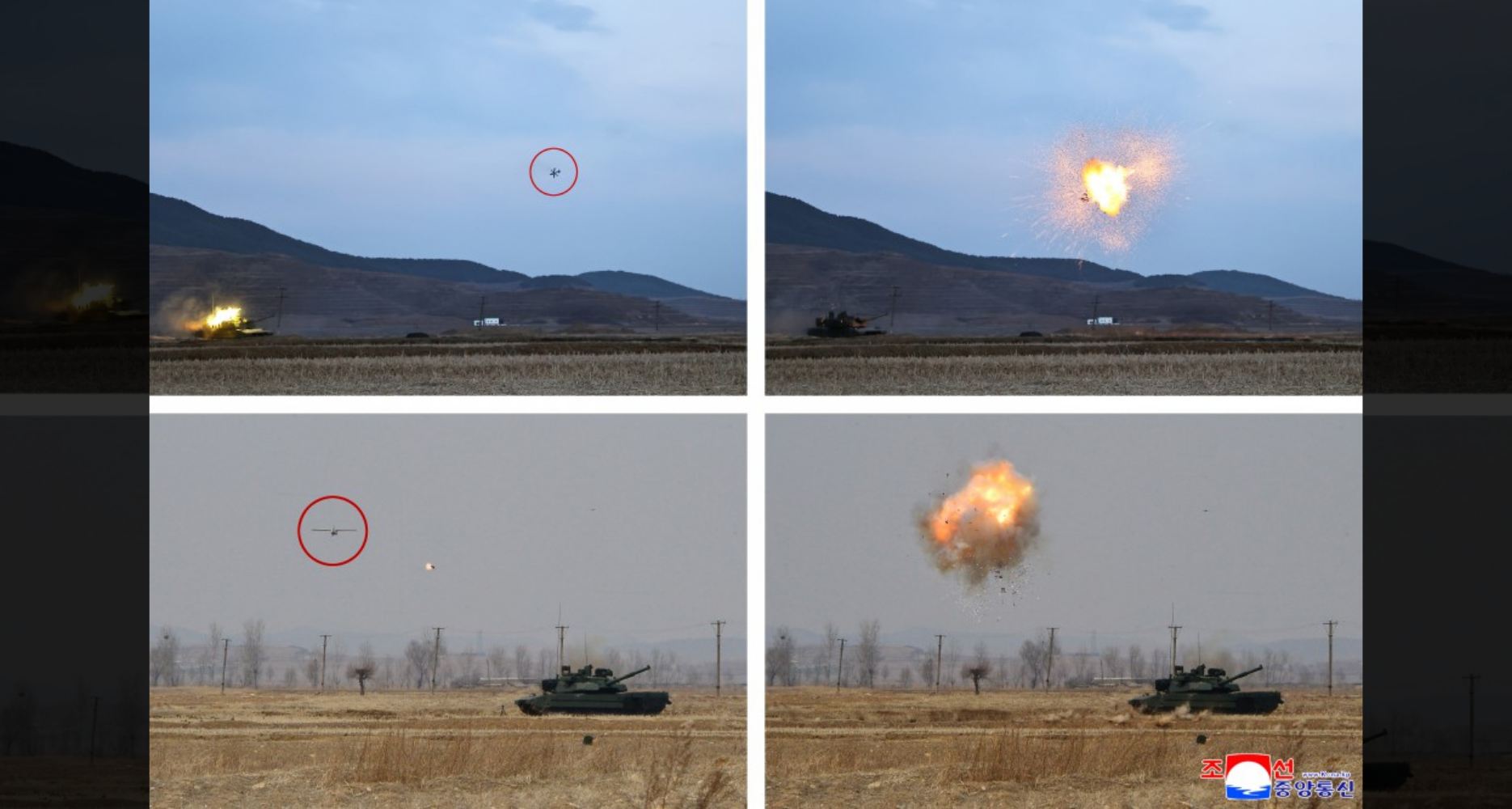
TESTS FOR THE KPA’S NEW MAIN BATTLE TANK In a separate report on Sunday, KCNA reported that Kim Jong Un also oversaw a test of the DPRK’s new main battle tank’s performance at the Armored Weapons Institute of the Academy of Defence Sciences, as Pyongyang continues to emphasize the role of conventional ground forces alongside its strategic weapons programs. State media said the evaluation focused on the tank’s active protection system, which was tested against anti-tank threats launched from multiple directions. The report claimed the system demonstrated “perfect defensive function,” asserting a 100% interception rate under simulated combat conditions. Sunday’s report of the main battle tank follows Kim’s March 19 inspection of a live-fire drill showcasing a “new-type” main battle tank that state media at the time claimed operates advanced protection and strike capabilities. Supplementary images for the report released by KCNA showed the tank shooting down multiple airborne threats moments before impact, including what looks to be an array of anti-tank guided missiles and loitering munitions launched from various platforms. The image of anti-tank guided missiles also appears to show north of the Pyongyang Airport runway in the background. The variety of launch platforms and munition types depicted appears designed to reinforce Pyongyang’s claim that the new tank can counter “almost all existing anti-tank means,” from infantry-portable weapons to vehicle-launched precision-guided munitions. The inclusion of loitering munition-style threats is notable given the prominence of its use in the Russia-Ukraine war, where first-person-view drones and kamikaze drones have posed a significant challenge to armored vehicles. While unverified, experts noted the new tank appeared to mark a shift toward a more refined, Western-style third-generation platform, suggesting North Korea is incorporating recent combat lessons to modernize its conventional forces. Chad O’Carroll and Colin Zwirko contributed reporting to this article. Edited by Kristen Talman Updated with additional analysis of KCNA images and satellite imagery at 11:20 a.m. KST on March 29, 2026 © Korea Risk Group. All rights reserved. |


 SHARE
SHARE COPY LINK
 X
X MASTODON


Recent Stories