
|
COVID-19 UN agencies unable to leave Pyongyang, creating unprecedented obstaclesForeign workers at UN agencies in the capital unable to leave the country due to COVID-19 measures enacted in February
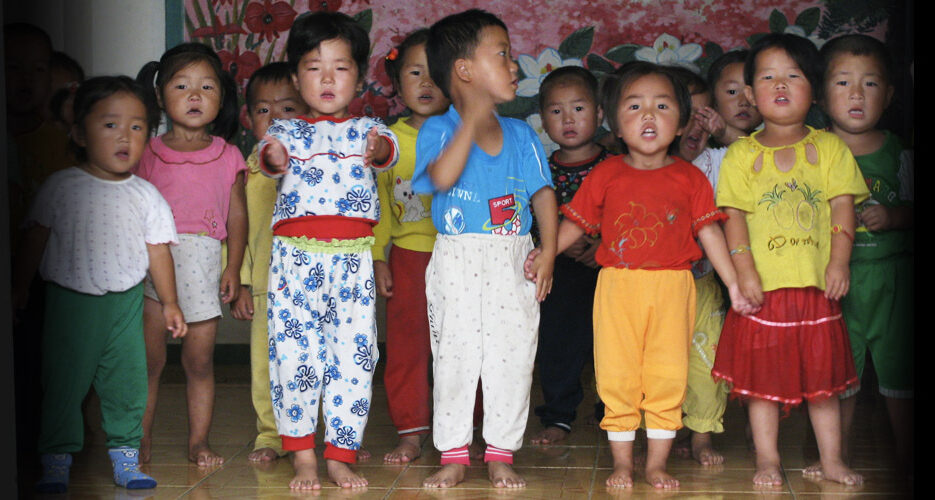 Expats from United Nations agencies are unable to leave Pyongyang due to prohibitive COVID-19 measures imposed in early February, multiple sources in the North Korean capital told NK News. As a result, workers from the six U.N. agencies in Pyongyang are unable to implement or monitor projects in rural areas, creating significant obstacles to humanitarian operations in North Korea this year. “Activities involving the participation of many people, including meetings and field monitoring missions, have been postponed until further notice in line with on-going measures by the Government of [the DPRK] to prevent COVID-19,” a spokesperson from United Nations International Children’s Fund (UNICEF) told NK News in an email last week. Strict quarantine and disinfection measures have also tightened an existing sanctions-related bottleneck at the border, making it increasingly cumbersome for them to import necessary goods. Not only are organizations unable to rotate staff or top off operating revenue, but the coronavirus-related restrictions mean that the work of U.N. agencies will be significantly hindered for the foreseeable future. “These measures have, not surprisingly, slowed down the implementation of UNFPA humanitarian support to DPRK,” a spokesperson from the United Nations Population Fund (UNFPA) told NK News last week. UNFPA stated that it is cooperating with the “host government” to try and “find solutions for the implementation of planned activities according to international norms and standards and best practices.” Spokespersons from the other four U.N. agencies operating in the DPRK did not comment on how the COVID-19-related restrictions have been impacting their work, but NK News understands that none of their expat staff have been allowed out of the capital since the measures were imposed in early February. Despite the difficulties, UNICEF said it still believes it is making a positive difference inside the North. “In June, two shipments of BCG and Pentavalent vaccines reached [the DPRK] via land route from Dandong, China to Sinuiju,” the UNICEF spokesperson said, adding that these efforts can “prevent disruption of immunization services for children.” “Our work in [the DPRK] continues despite challenges posed by COVID-19 and we must do more to help every child in DPR Korea grows to their full potential,” the spokesperson continued.  However, not all operations in the DPRK are being impacted in the same way — some non-U.N. projects are relying on local manpower to continue operations in far-flung parts of the country. The International Federation of Red Cross and Red Crescent Societies (IFRC), which supports the humanitarian work of the Red Cross Society of the Democratic People’s Republic of Korea (DPRK), told NK News that it’s “one of the only organizations with access to communities across the whole country.” Despite travel restrictions, the organization’s North Korean Red Cross colleagues have been able to send “volunteers to support the Ministry of Public Health, working closely with healthcare providers to support COVID-19 screening and to promote effective hygiene practices.” “The volunteer teams are coordinating with local health staff and government departments to engage with communities and visit remote households that are hard to reach,” an IRFP representative stated. In May and June, their North Korean partners helped citizens in particular with public awareness campaigns relating to “the importance of donating blood…(on) staying safe from COVID-19,” as well as by “offering first aid kits”. The IFRC spokesperson couldn’t clarify to NK News whether or not any of the activities allegedly conducted by their North Korean partners could be verified. Thomas Fisler — who served in Pyongyang as the director of cooperation at the Swiss Agency for Development and Cooperation until late 2017 — said that the COVID-related restrictions would likely have a major impact on aid projects in the DPRK. “In terms of deliverables and actual project results, 2020 shall be a year lost,” he said. Meanwhile, with the “direct exchange with the people, the project staff, the partners in the Ministries and the Foreign Ministry” is currently not taking place, Fisler stated, meaning that “a lot of the momentum is lost and new working relations will need to be gradually built up again.” “Frustration might prevail and it is essential that despite the current situation, a minimum presence at whatever cost must be continued in order to indicate a sustained commitment once the situation will normalize again,” he added. Edited by Kelly Kasulis © Korea Risk Group. All rights reserved. |


 SHARE
SHARE COPY LINK
 X
X MASTODON

Recent Stories